6 Things You May Not Know About Women, Girls & Hunger
Did you know that more than 50% of the world’s farm workers are women? Or that 62 million school-aged girls don’t go to class? See how stats like these impact women’s hunger.

Did you know that more than 50% of the world’s farm workers are women? Or that 62 million school-aged girls don’t go to class? See how stats like these impact women’s hunger.

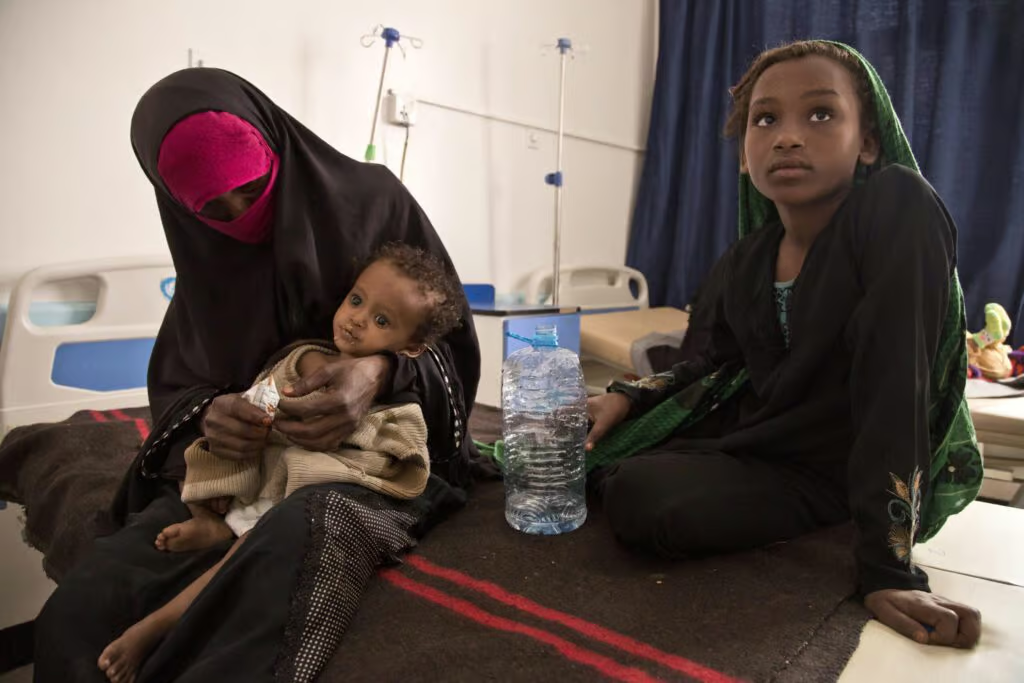
The key to ending malnutrition isn’t a mystery, nor does it require any high-tech innovation. It starts with the first 1,000 days of a child’s life. And it starts with the mother.

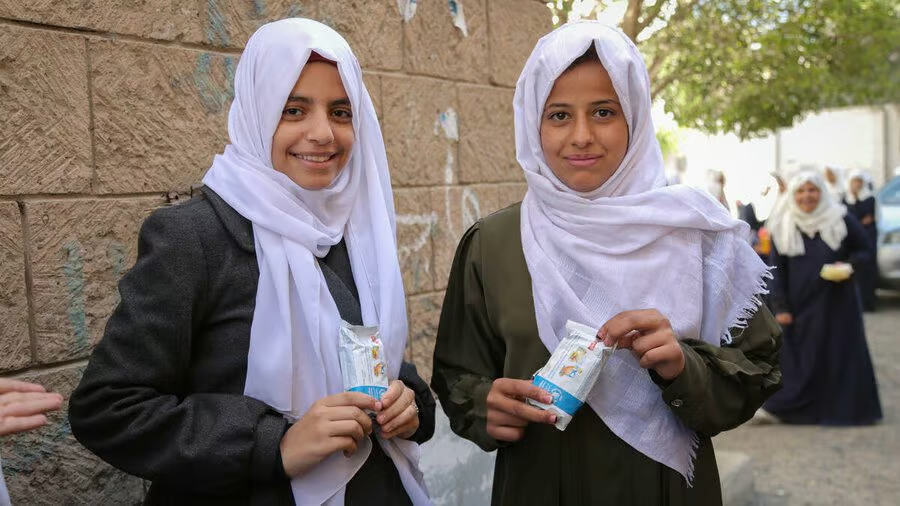
We need to remind the world of the exponential power of investing in adolescent girls. “If this was the stock market, you’d have investors flocking,” says one doctor.

Imagine cooking a meal without running water, electricity or even a countertop. Most of us wouldn’t know where to begin. And yet, millions of women around the world do it every day. See 10 of their kitchens.

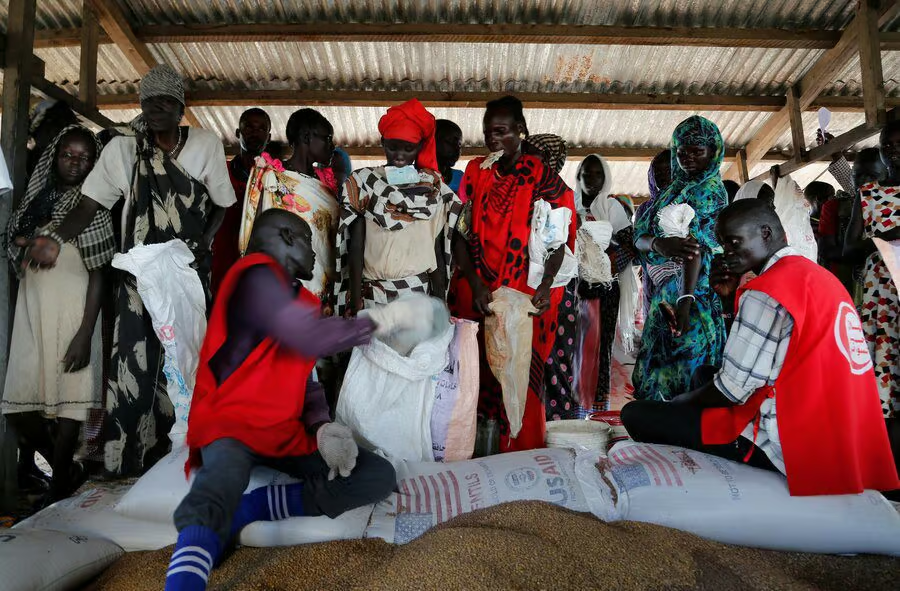
Women face enormous obstacles, yet they are growing crops, delivering medical care, becoming teachers and providing for their families in situations we can hardly imagine.

WFP never abandons hope. We’re applying it in spades to roll back one of the most severe hunger catastrophes in our six decades of existence.

In some of the most remote parts of the world, blockchain technology is helping WFP to feed the hungriest people. It’s secure to use, offers privacy and is quickly scalable.

Most of us would have to strain to imagine what life would be like if 80 percent of all the people around us were in desperate need of humanitarian assistance. For the people of Yemen, that is the relentless reality.

WFP works hard to ensure that everyone has the nutrition they need to thrive – but we need your help.

Technology is changing the future of work, and there’s no reason refugees should be left behind in the process. Enter EMPACT.