El Niño is a natural climate pattern that can drive heavy rainfall, heat waves, droughts, fires, floods and storms around the world. Conditions have started and are expected to strengthen throughout the year and continue into 2027, potentially becoming one of the strongest on record.
For families already struggling to find enough food, weather shocks from El Niño can quickly lead to extreme hunger. However, because the impacts of El Niño can be forecast months in advance, WFP prepared for these shocks and acted early to protect communities.
What Is El Niño?
El Niño is the warm phase of a naturally occurring climate phenomenon called the El Niño-Southern Oscillation, or ENSO. During El Niño, parts of the Pacific Ocean become warmer than usual. The warmer water can change wind and rain patterns, making drought more likely in some areas and flooding more likely in others – and in some cases bringing both.
El Niño does not affect every country in the same way. Its impact depends on the season, location and local conditions. But in many places, it can make extreme weather more likely — and extreme weather is one of the main drivers of hunger.
How Extreme Weather Drives Hunger
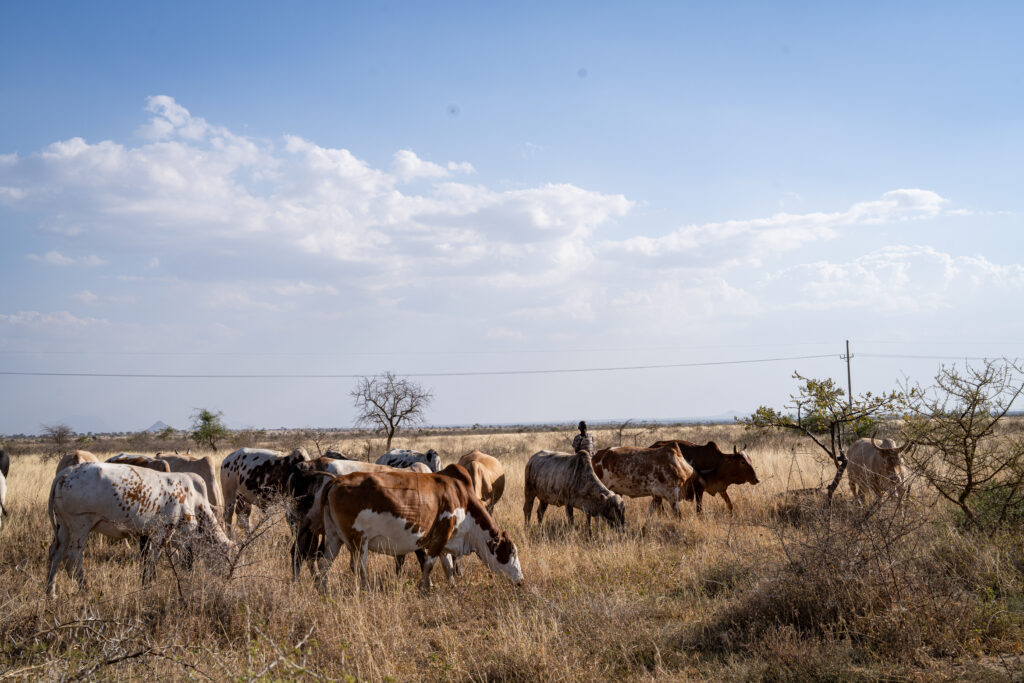
Extreme weather can push families into hunger very quickly. During a drought, crops can die when rain comes late, is too weak or does not come at all. Grasslands and water sources can dry up, leaving animals without enough food or water. For farming and herding families, this means losing both food and income.
Floods and storms can be equally devastating. Floodwaters can wipe out crops, food storage and livestock. Storms can destroy roads and bridges, cutting people off from markets and aid. Families may be displaced from their homes and unable to cook, farm or earn income. In these moments, a weather emergency quickly becomes a hunger emergency.
This El Niño is also unfolding at a time when food systems are already under strain. High energy and fertilizer prices – linked in part to the crisis in the Middle East – are already affecting agricultural production and food prices. In parts of Asia, farmers have delayed or skipped planting rice because of rising costs. Climate shocks caused by El Niño could layer hardship on these communities.
Regions El Niño Could Affect
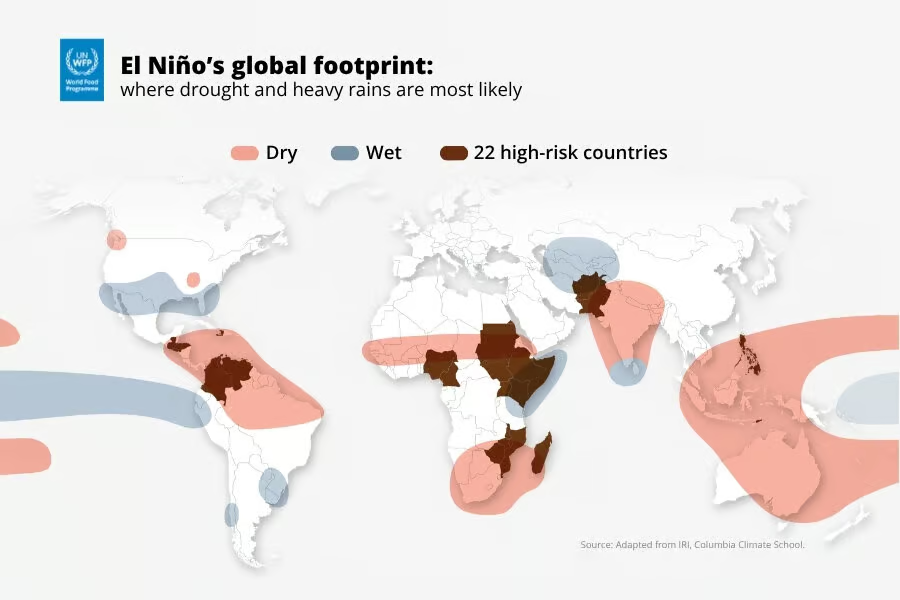
New WFP analysis projects that this 2026-2027 El Niño could push at least 49 million more people into acute food insecurity by the end of 2027. The largest impacts are expected in parts of southern and eastern Africa, southeast Asia and Central America.
Southern Africa and the Sahel
This El Niño is expected to bring significantly drier conditions to southern Africa. Drought and below-average rainfall during the main growing season could lead to reduced corn production and crop failures. In dry areas, less rain can reduce the amount of pasture and water available for livestock. These conditions could increase hunger in the region and leave families with few ways to recover.
Across all of Africa, countries at highest risk of El Niño impacts this year include Cameroon, Ethiopia, Kenya, Madagascar, Malawi, Mozambique, Nigeria, Somalia, South Sudan, Sudan, Uganda and Zimbabwe.
South & Southeast Asia
The impacts of El Niño across Asia and the Pacific are diverse, ranging from drought and wildfires to floods and cyclones depending on the country and subregion. It could weaken monsoon rains, which are important for rice, farming jobs and local food supplies. When rains are late or uneven, harvests can shrink and food prices can rise. This year, drier-than-normal conditions are expected across several countries in the region including Timor–Leste, the Philippines and parts of Pakistan. At the same time, above-average rainfall and flooding may affect countries such as Afghanistan.
Central America and the Caribbean
In Central America’s Dry Corridor, many small-scale farmers depend on rain to grow food like corn and beans. El Niño-related drought can destroy these crops, increase farmers’ debt as they borrow to cover the losses and drive hunger across entire communities. It can also push families to leave home in search of food, work or safety. In the Caribbean, drought can hurt local food production while heavy rain, tropical storms and hurricanes can damage roads, markets, homes and jobs. This year, some of the countries in Central America and the Caribbean at high risk are El Salvador, Guatemala, Haiti and Honduras.
How WFP Prepares for El Niño and Weather Emergencies
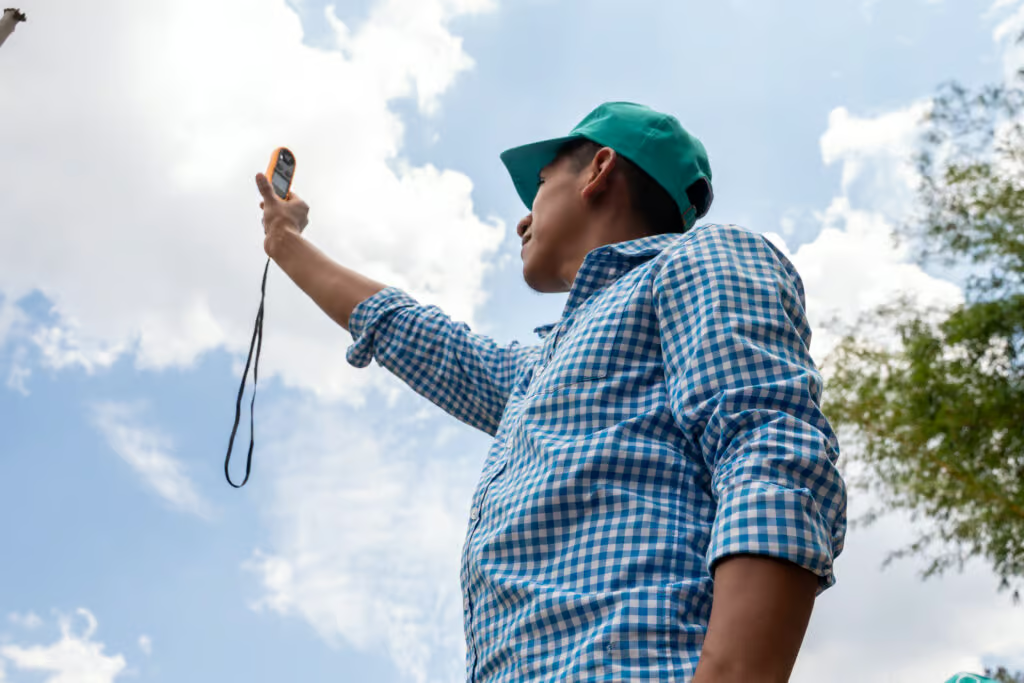
WFP uses early warning systems and climate forecasts to track disasters and protect communities at high risk. This information allows WFP and partners to act days, weeks and sometimes even months before a climate shock occurs and mitigate the impact on food security. Anticipatory actions include:
- Early messages to warn families of impending disasters
- Cash transfers to stock up on essential supplies
- Ready-to-eat foods that require no water or cooking
- Stronger flood barriers and water storage systems
- Drought-tolerant or flood-resistant seeds for farmers
- Climate insurance to protect from financial losses
Acting early saves lives and allows people to prepare, survive and recover from climate shocks. As El Niño increases the risk of extreme weather this year, early action helps prevent a short-term shock from turning into a long-term hunger emergency.