WFP ramps up food and other assistance for Venezuela earthquake response
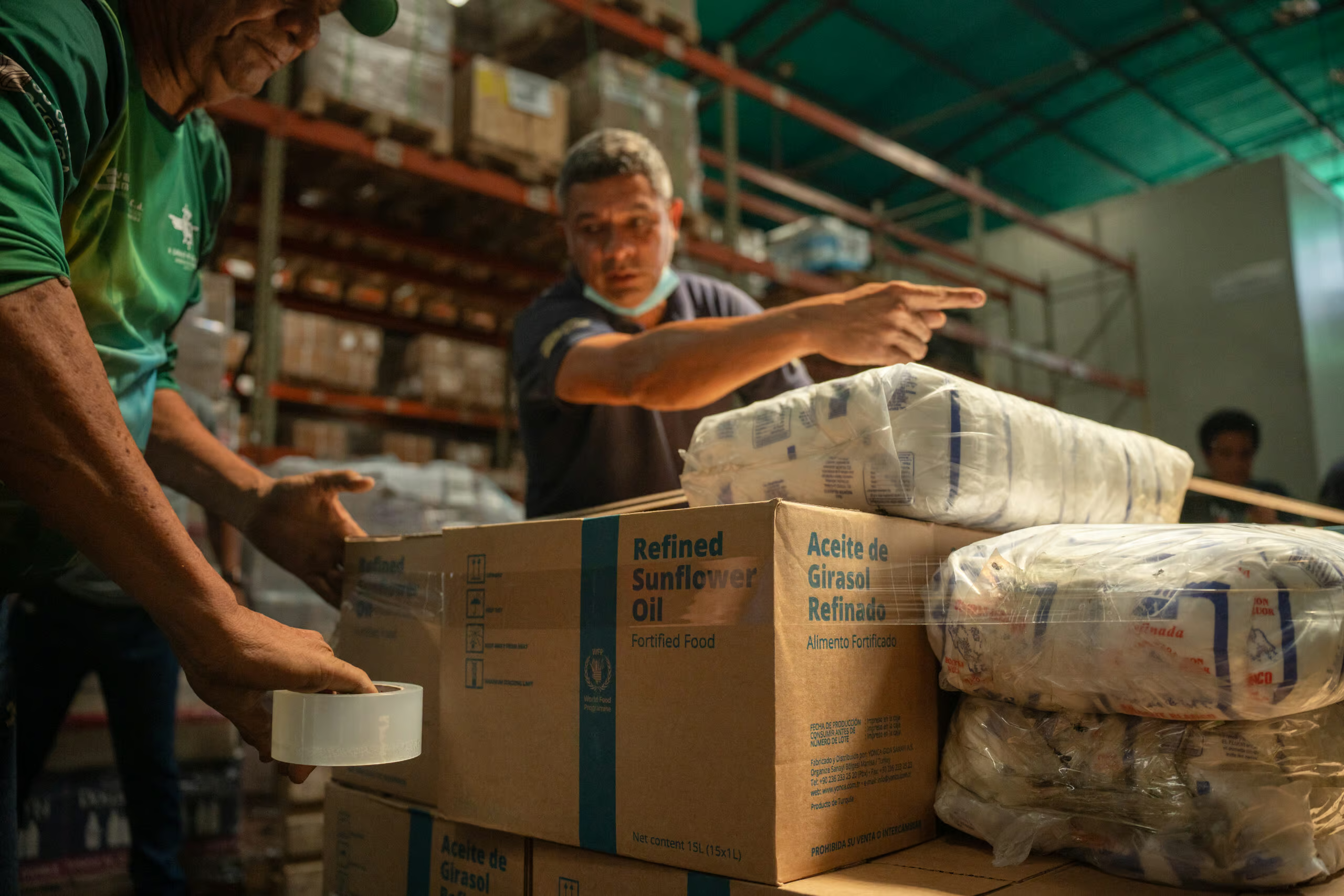
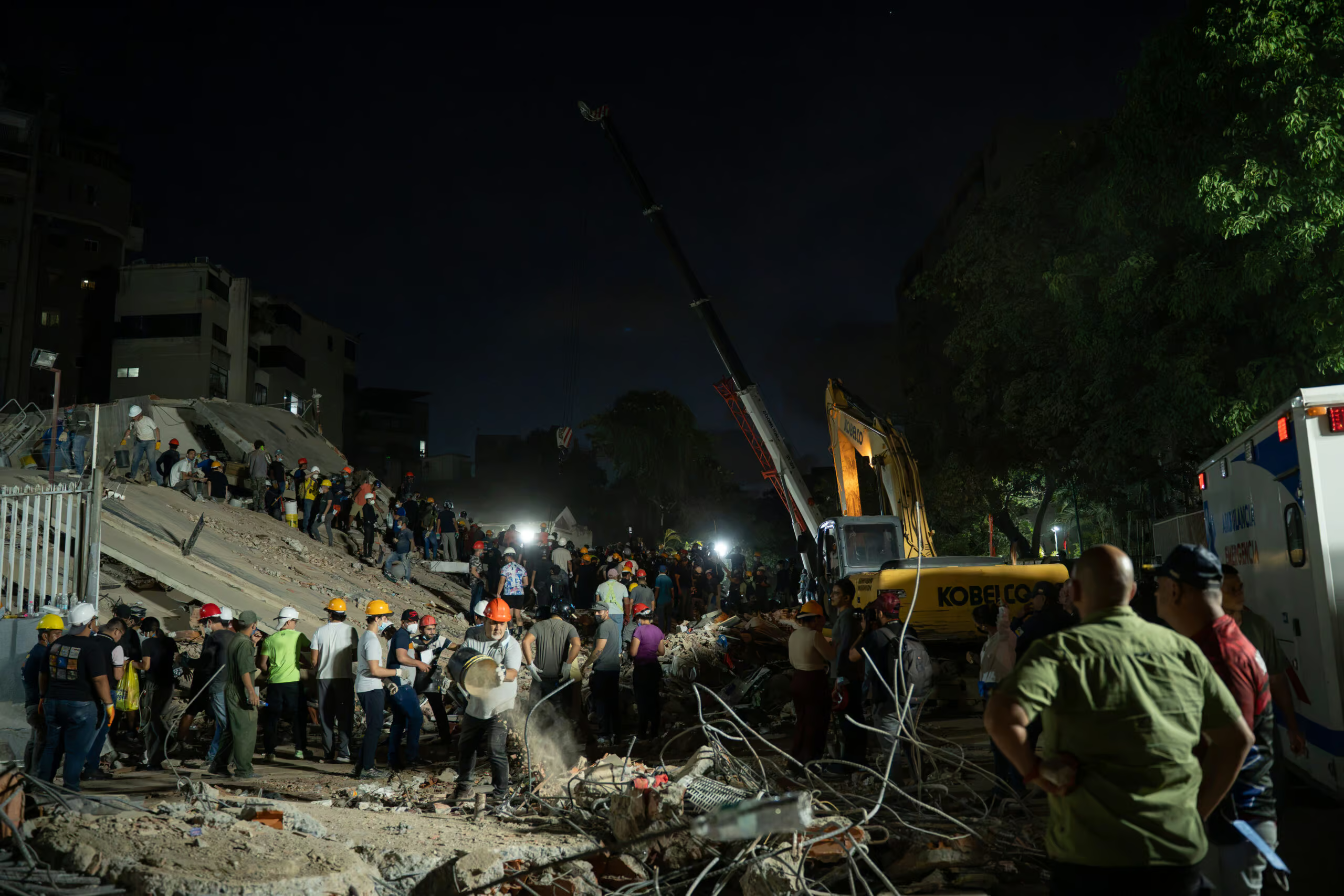
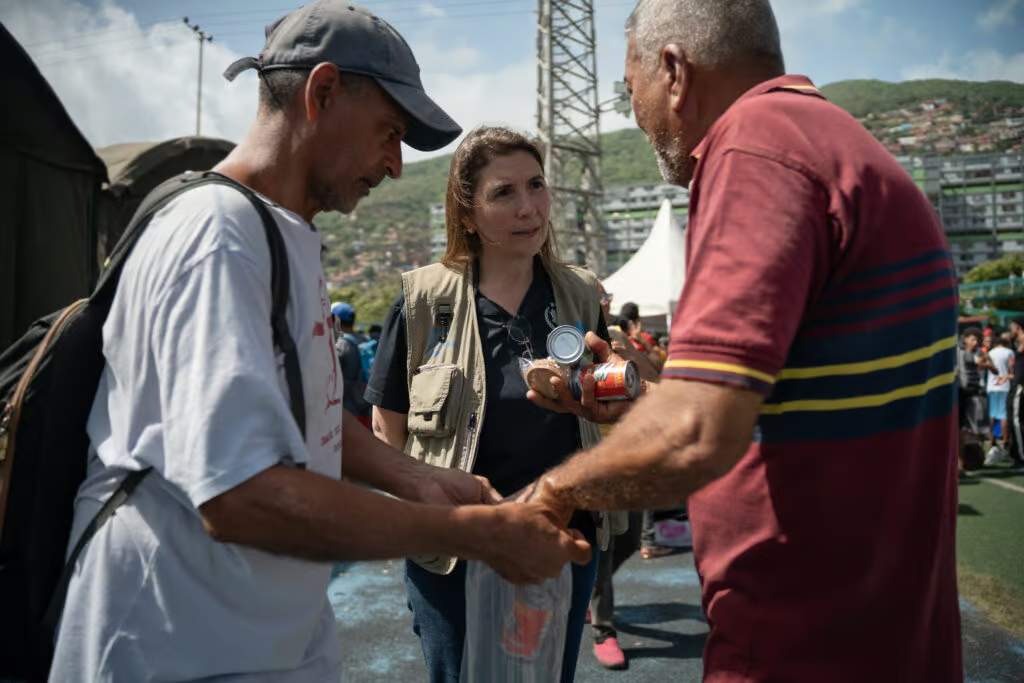
WFP is scaling up food assistance and emergency support in Venezuela after devastating earthquakes struck the country’s northwest.

WFP is scaling up food assistance and emergency support in Venezuela after devastating earthquakes struck the country’s northwest.
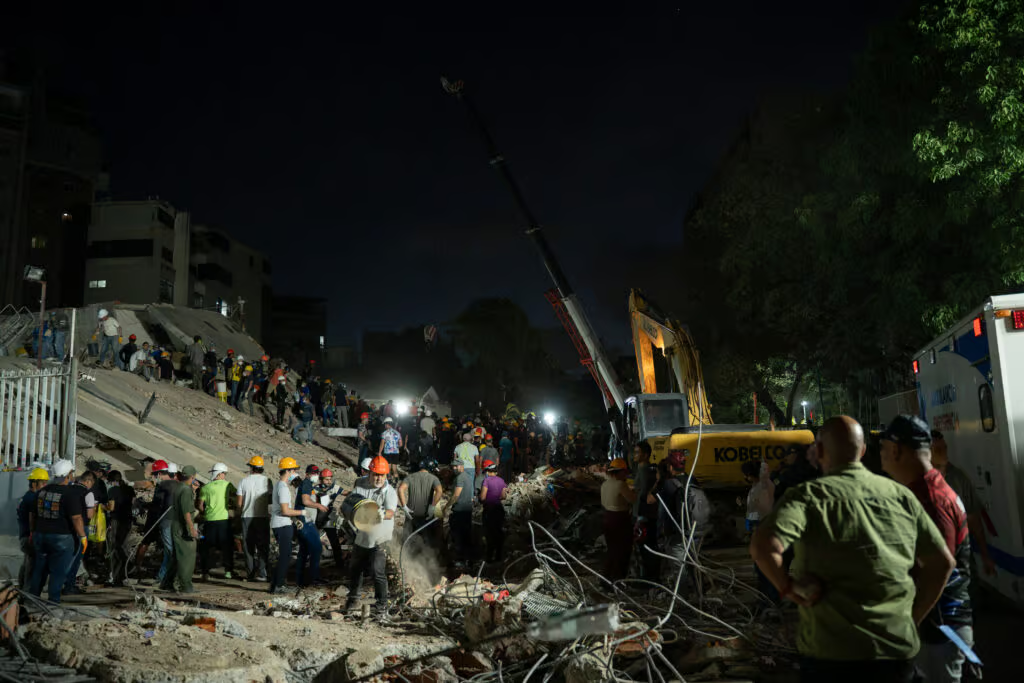
WFP is on the ground in Venezuela, providing logistics and food assistance as part of the broader humanitarian response, following two massive back-to-back earthquakes that struck the northwestern part of the country.
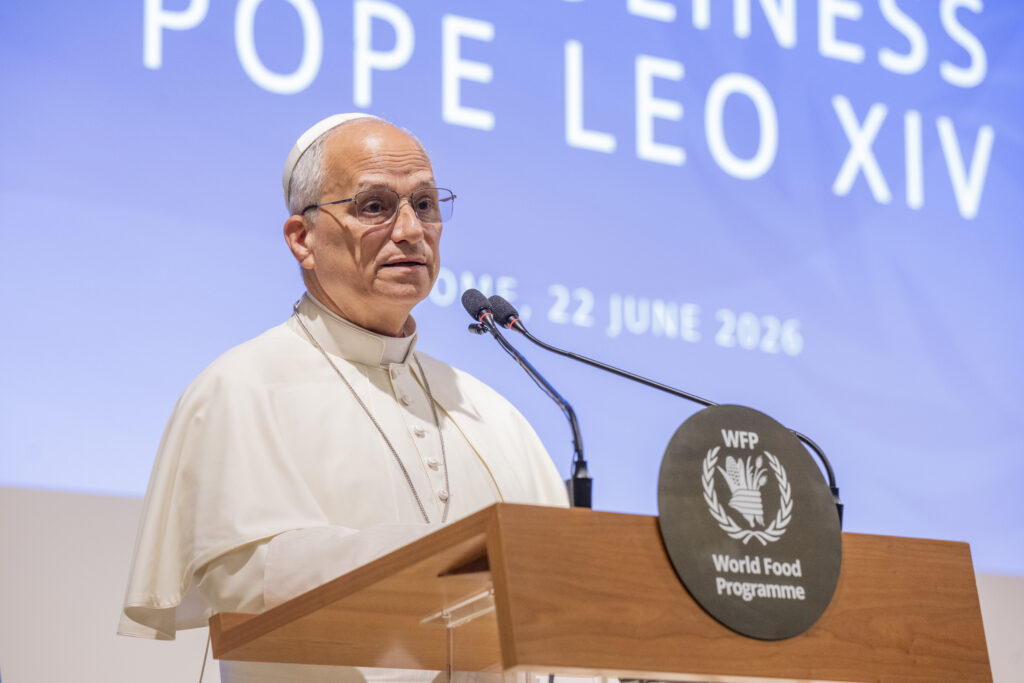
Pope Leo XIV urged action on hunger, calling food a fundamental human right and warning conflict is driving food insecurity worldwide.
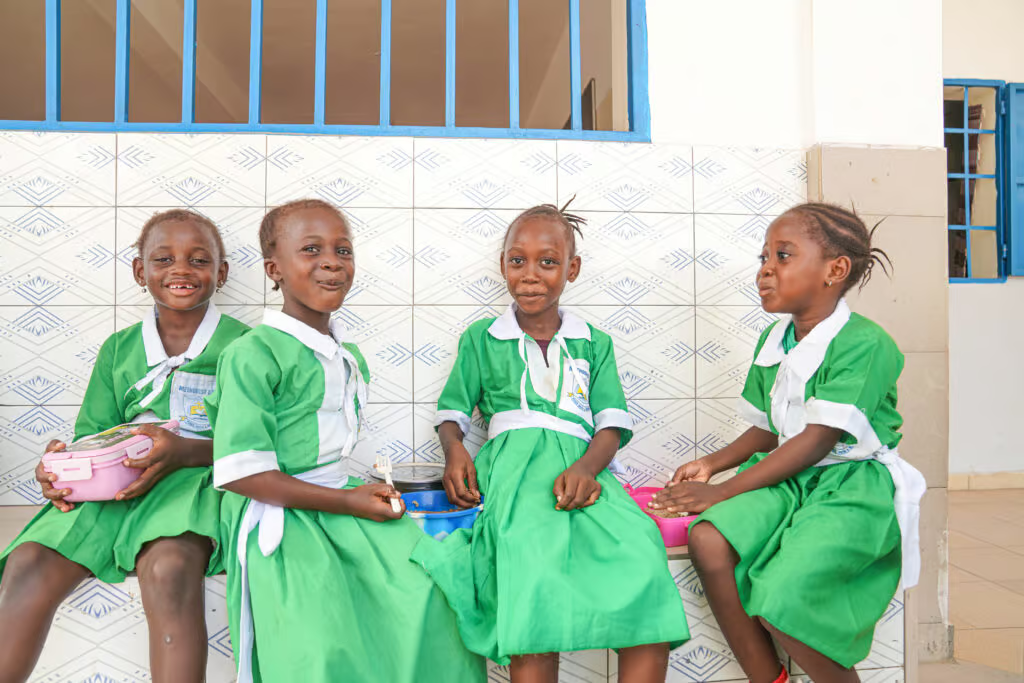
World Food Program USA’s Spring Statement of Impact provides a snapshot of global hunger from January to May 2026 and how WFP responded during tough times.
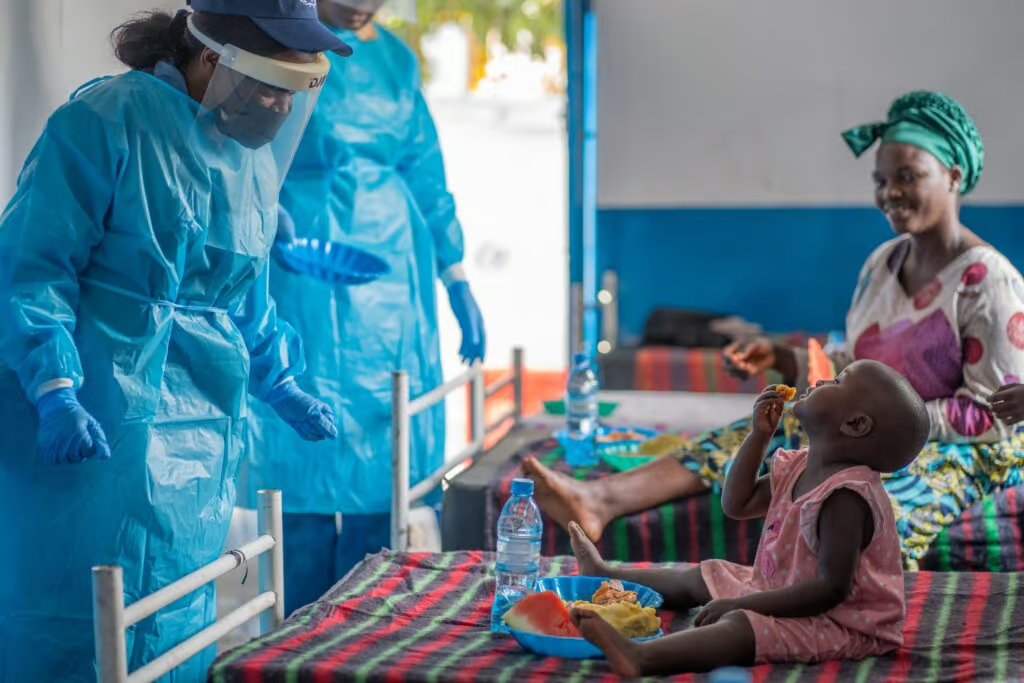
There’s currently an outbreak of the Ebola virus in parts of the Democratic Republic of the Congo (DRC) and Uganda.

WFP teams in eastern DRC share how they move health workers, supplies and food to combat Ebola and growing food insecurity.

“Trade or aid” is a false choice. Trade cannot happen when basic human needs go unmet.
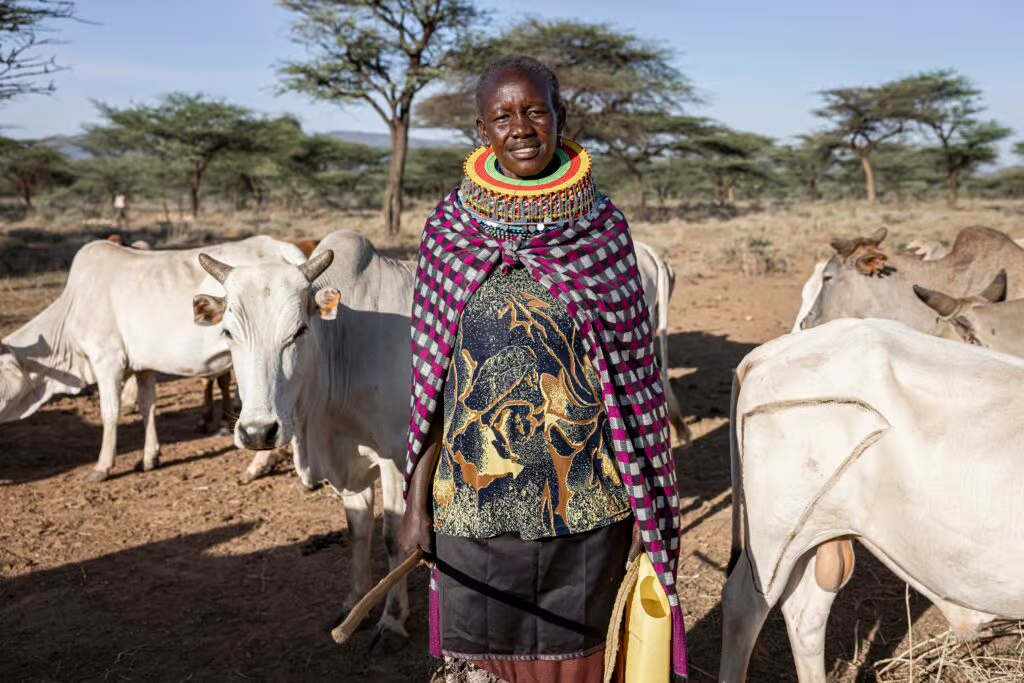
Since 2023, the Zoetis Foundation has supported World Food Program USA with grant funding to help WFP connect livestock farmers and pastoral communities with the resources they need to withstand hunger, extreme weather and economic shocks.
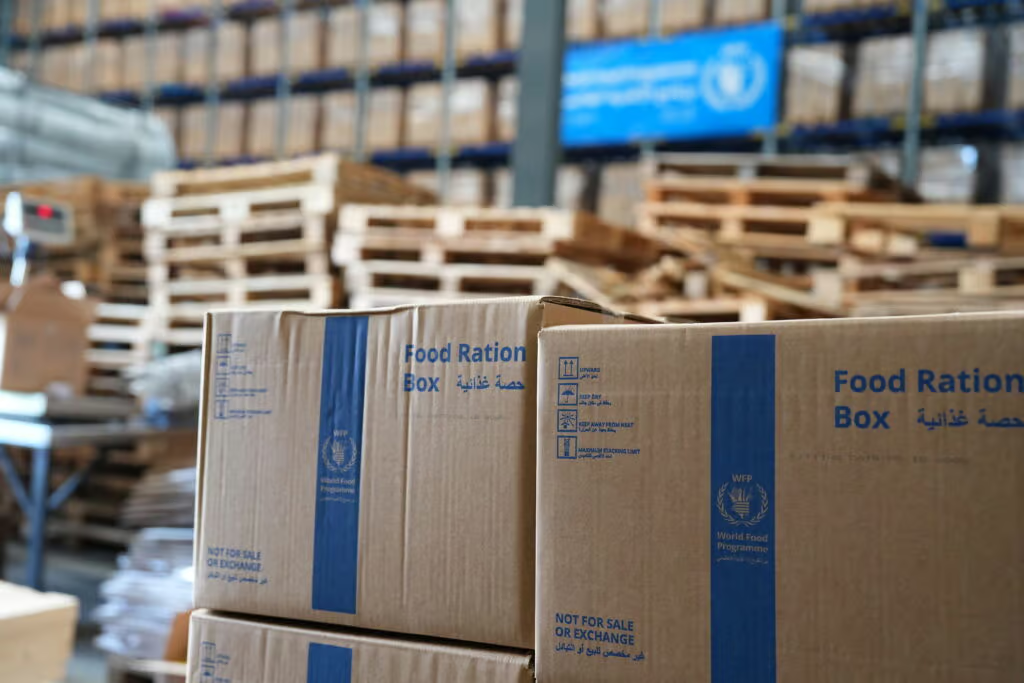
WFP Shipping Chief Henrik Hansen explains how we are working 24/7 to reduce rising costs and transit times.
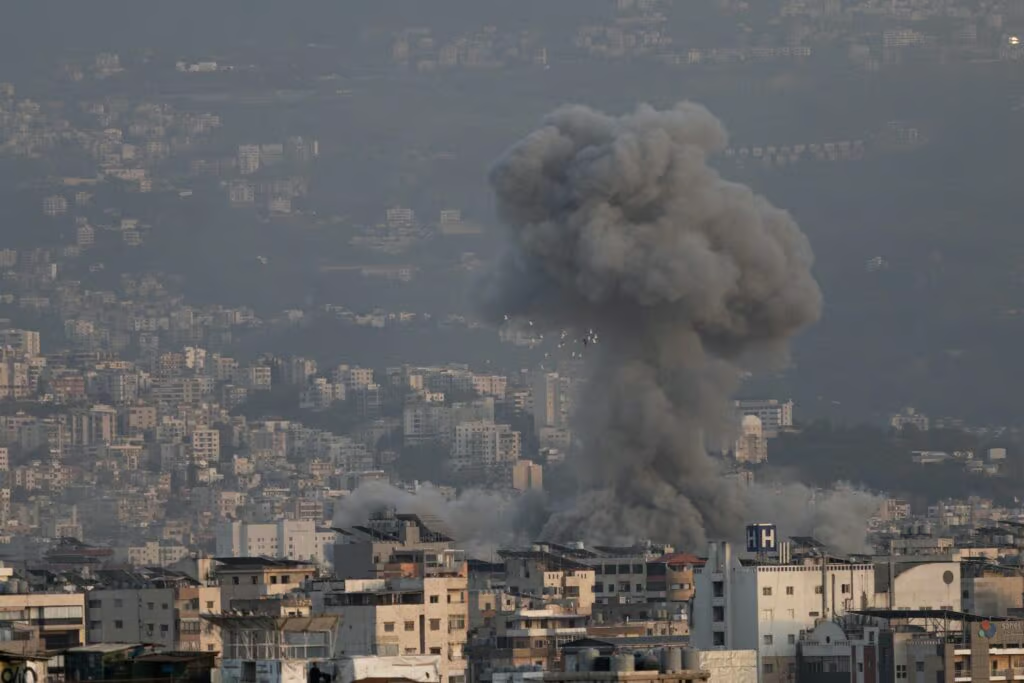
The recent escalation of conflict in the Middle East has triggered far-reaching consequences for communities both within and beyond the region. The crisis is rapidly evolving. Below,