Would-Be-Trash Veggies Are Being Transformed Into School Meals in Brazil
New recipes are changing the way Brazil treats food waste. No longer thrown away, beetroot leaves, carrot tops and pumpkin peels give more nutrients and flavor to dishes.

New recipes are changing the way Brazil treats food waste. No longer thrown away, beetroot leaves, carrot tops and pumpkin peels give more nutrients and flavor to dishes.
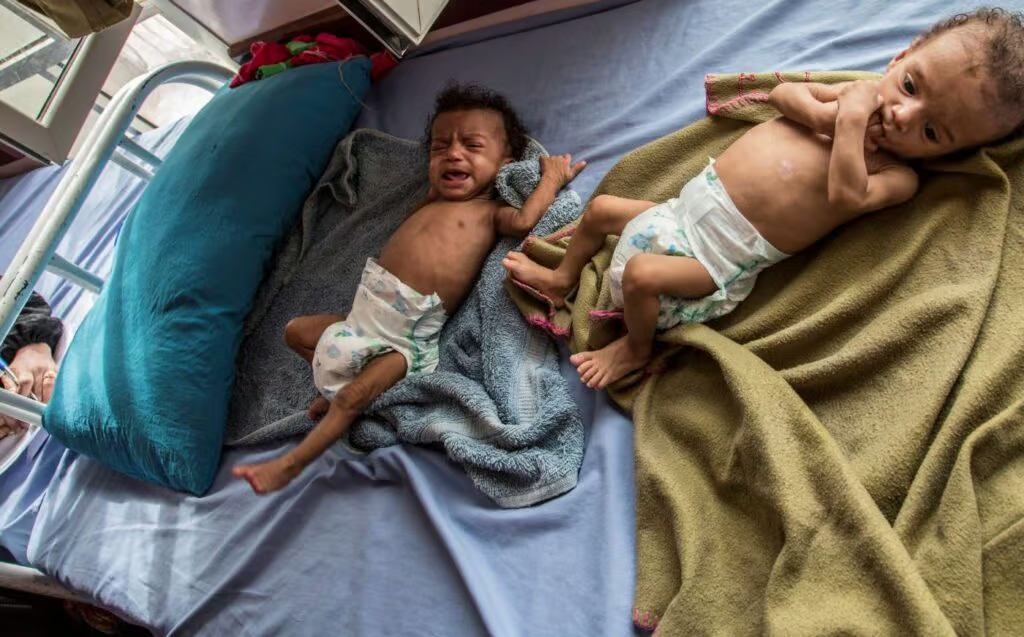
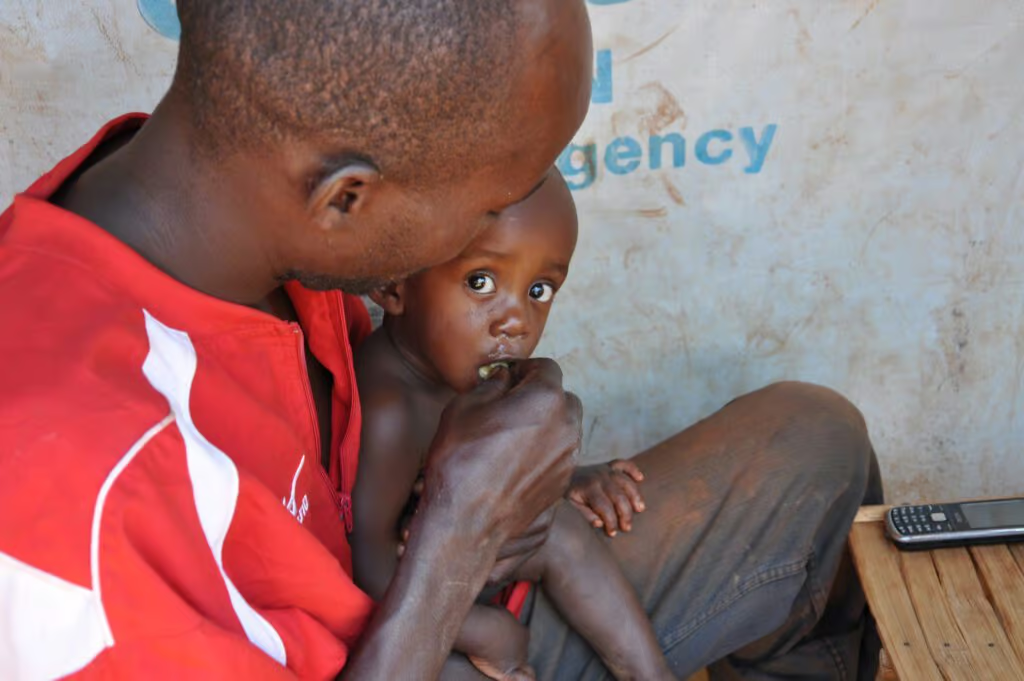
Here’s a look at our latest report on childhood malnutrition, and its crushing impact on babies and children.
This is what happens when you take 240,000 refugees in Tanzania, mix in the latest digital solutions, and then feed the data into cutting-edge visualization tools.
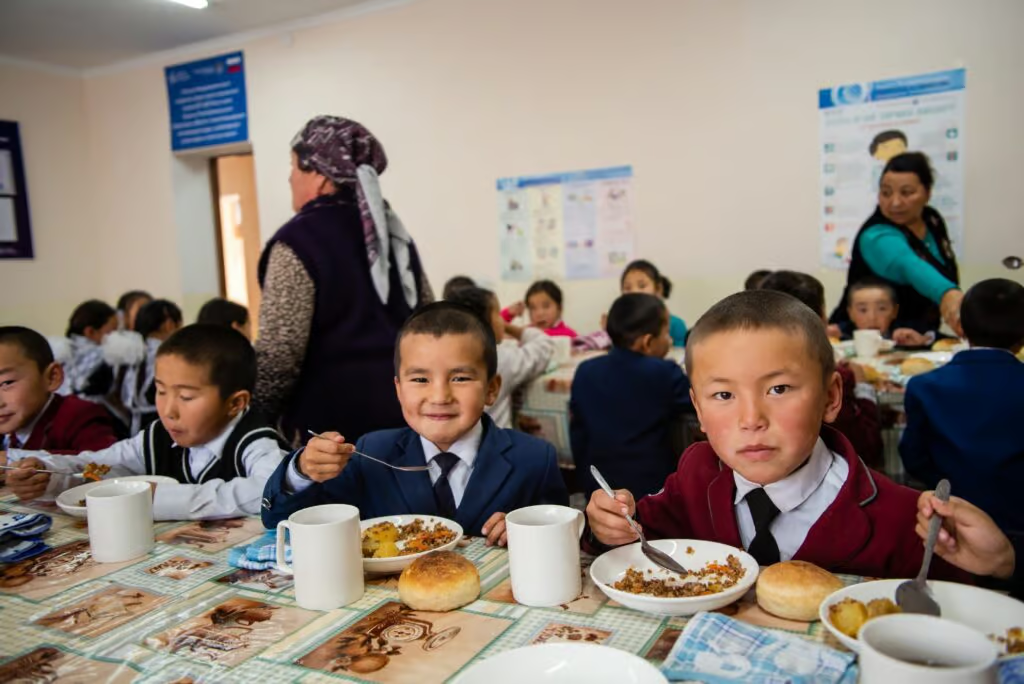
Carmen Burbano, Director of School Feeding at the World Food Programme, says we must rethink the entire education system or risk a “generational catastrophe.”
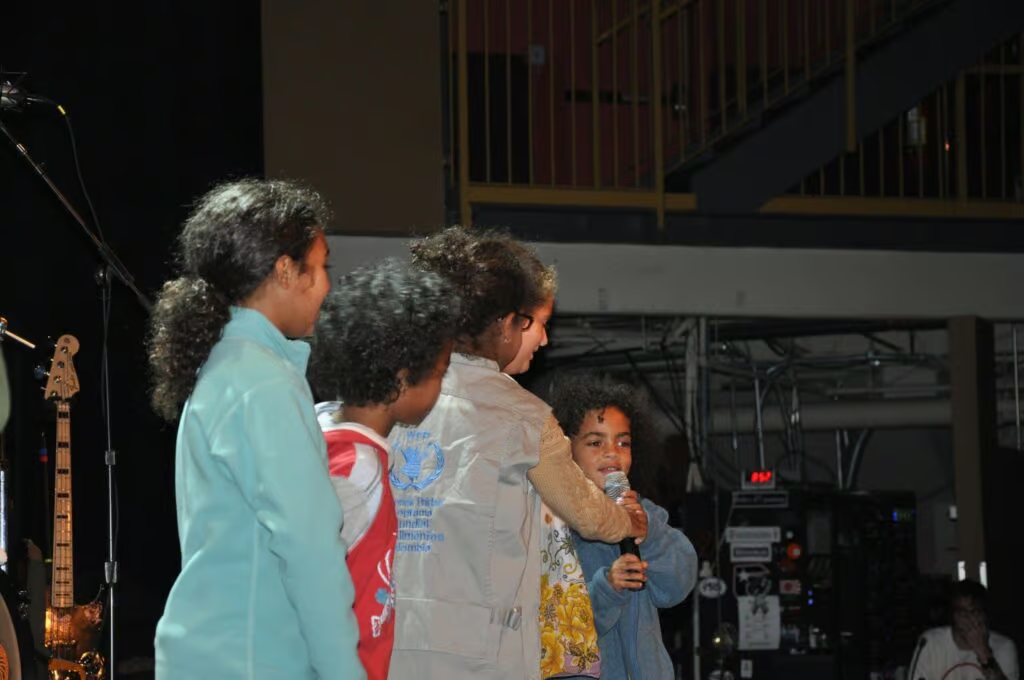
For the Barrett siblings, fighting global hunger has always been a family commitment. In 2008, their mother introduced them to WFP, and they’ve been working hard to end hunger ever since.
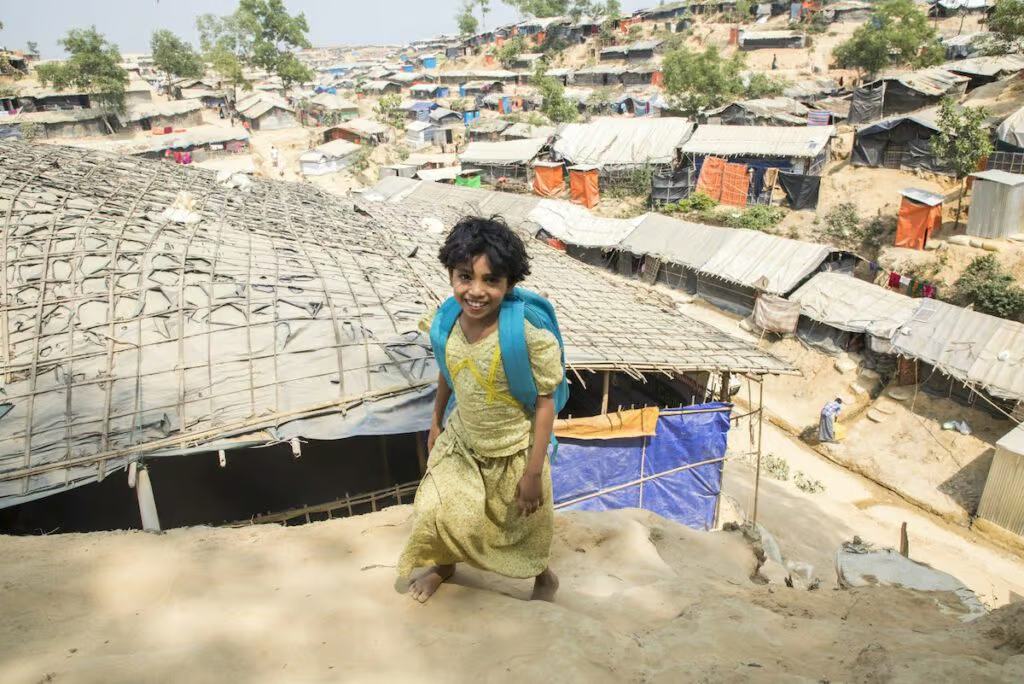
When kids living through war and displacement drop out of school, that often means missing the school meals that might be their only real source of nutrition. Here are a few bite-sized solutions.
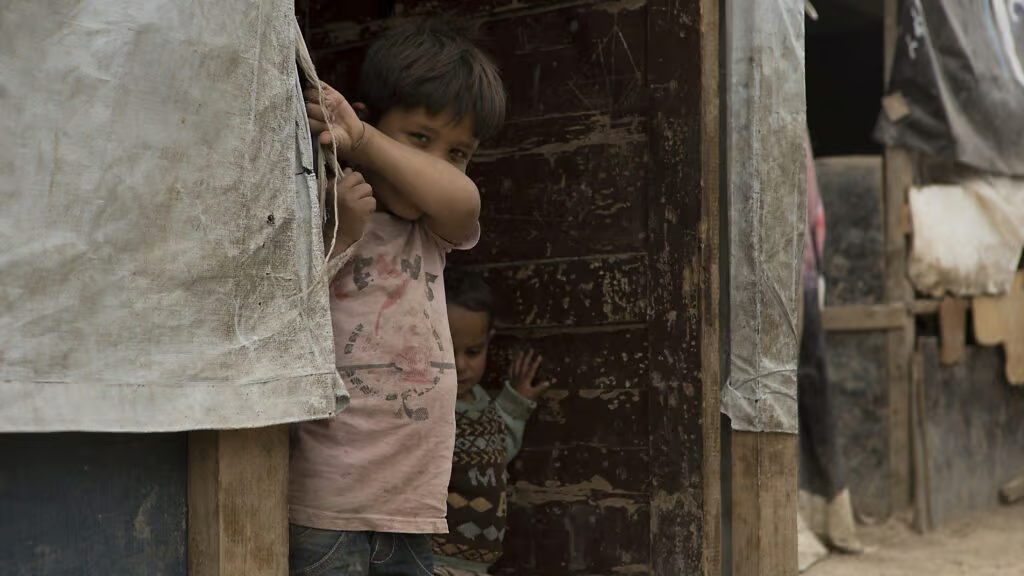
We are extremely saddened by the immense devastation and loss caused by an explosion at the Port of Beirut in Lebanon. The Lebanese people need our support now more than ever.
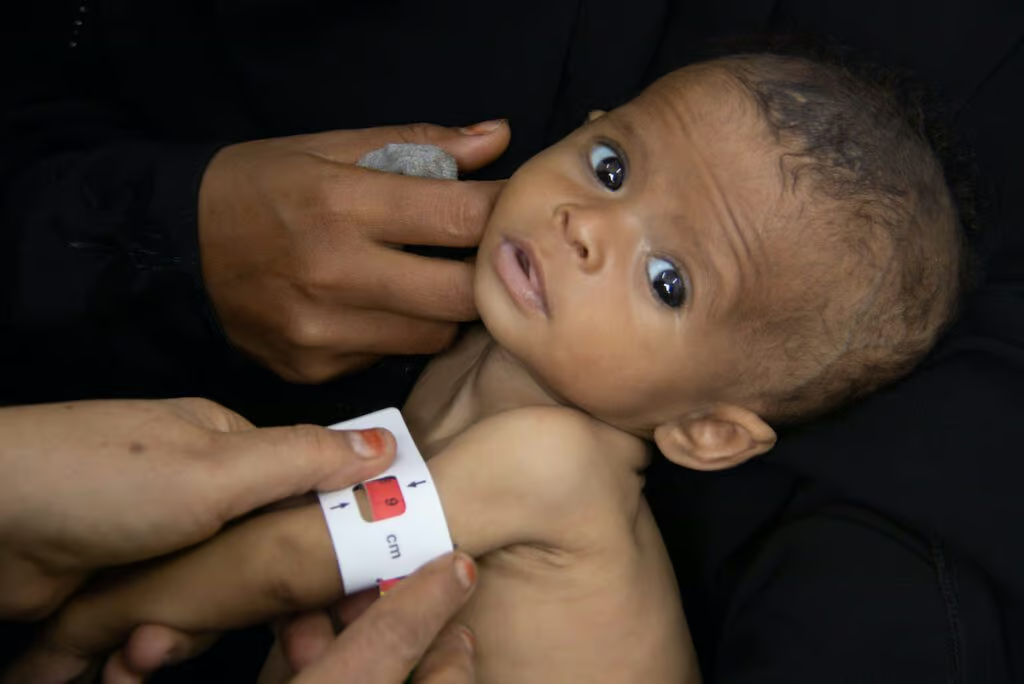
There is no time to wait. The choices we make today will determine millions of children’s futures for months, years and decades to come.
What does malnutrition do to the body of a young child? The effects are devastating, with lifelong consequences for children and their communities. Here are seven of their stories.
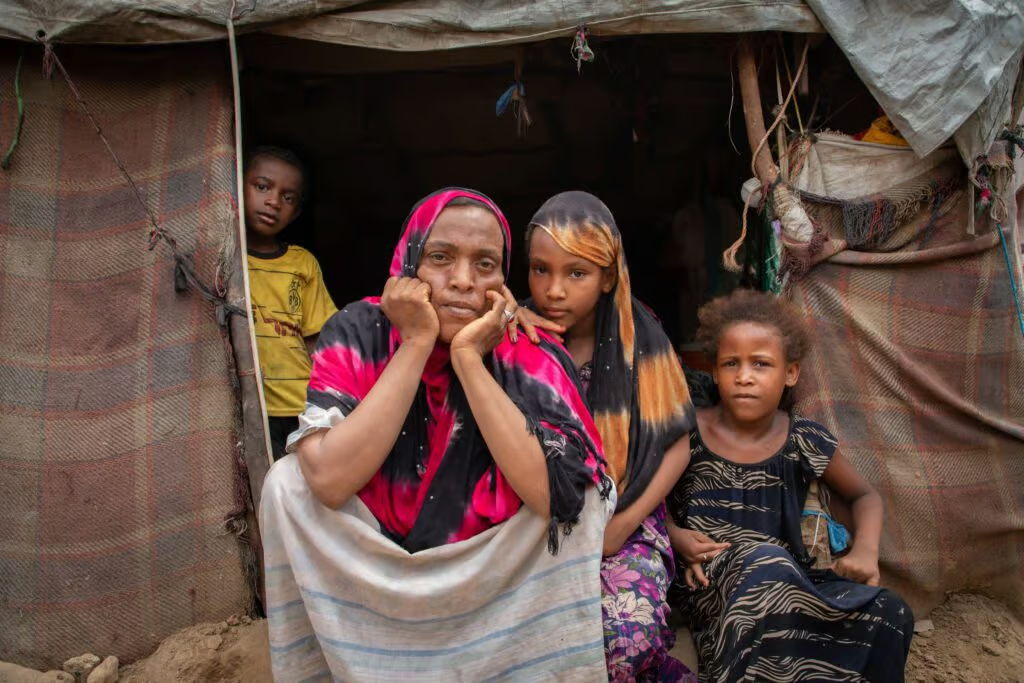
As COVID-19 spreads to the developing world, it is leaving hunger and poverty in it’s wake. WFP is fighting back with a historic humanitarian response.