In Photos: A Look Inside WFP’s Global Coronavirus Response
During this unprecedented time, it’s vital that WFP maintains its food assistance that offers a lifeline to millions. See how WFP is responding during the Coronavirus outbreak.

During this unprecedented time, it’s vital that WFP maintains its food assistance that offers a lifeline to millions. See how WFP is responding during the Coronavirus outbreak.
Right now, COVID-19 is affecting all of us. It makes no distinction between individuals or countries, and it is spreading quickly across the world.
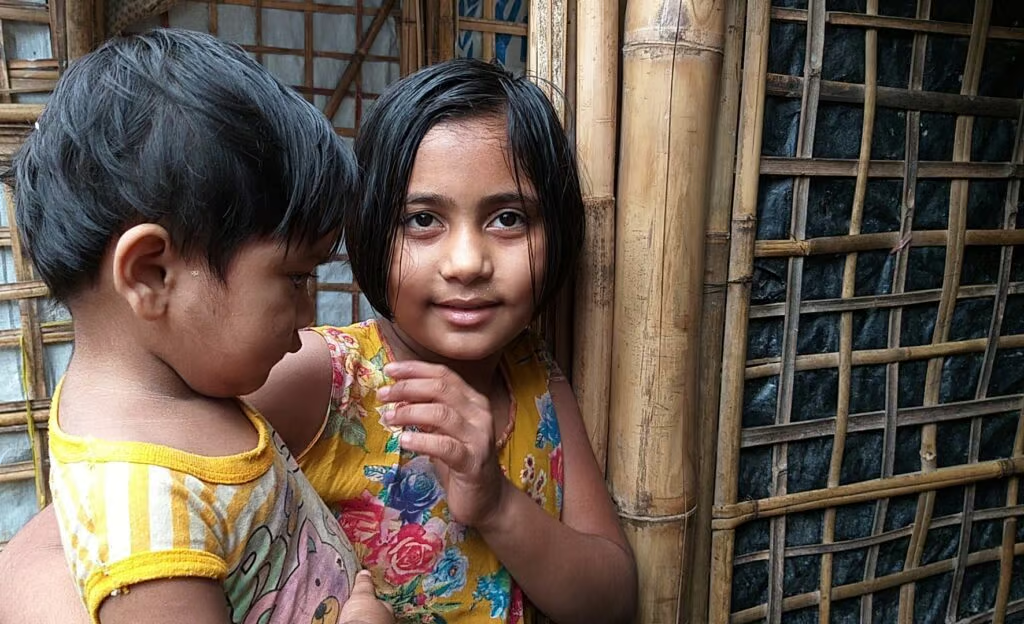
As the coronavirus continues to spread, it is having dire consequences on the health and nutrition of school children and their families.
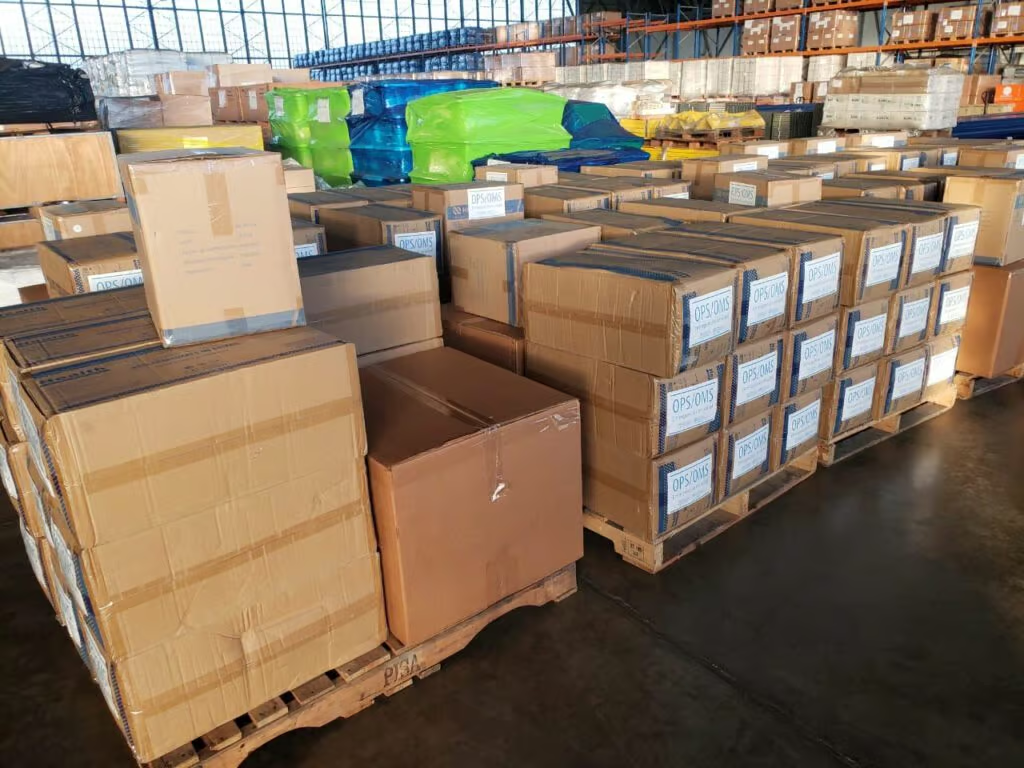
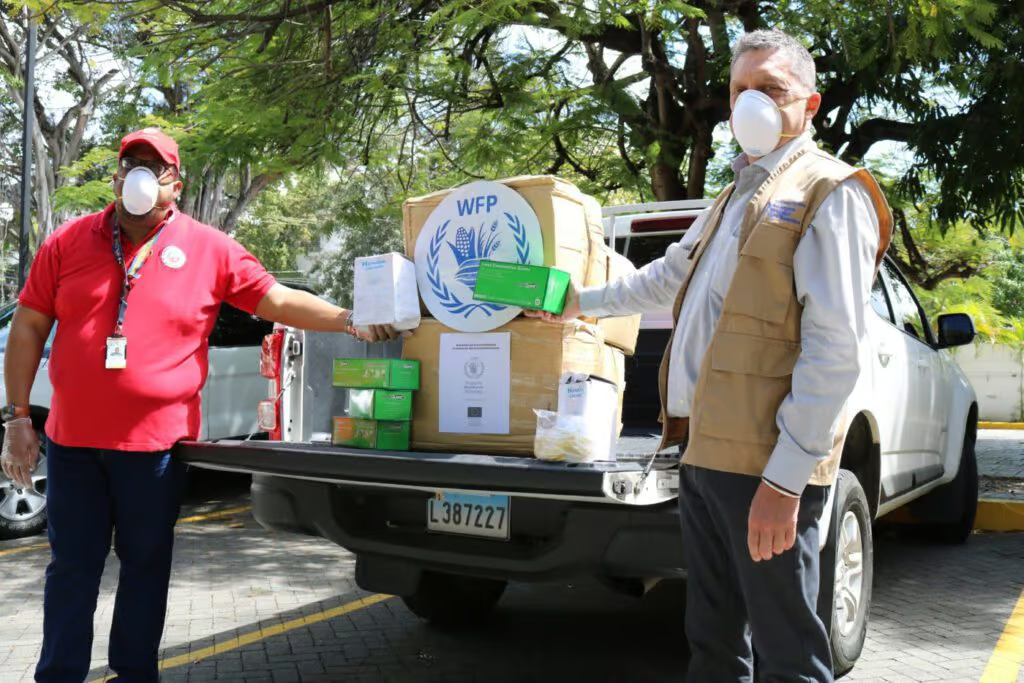
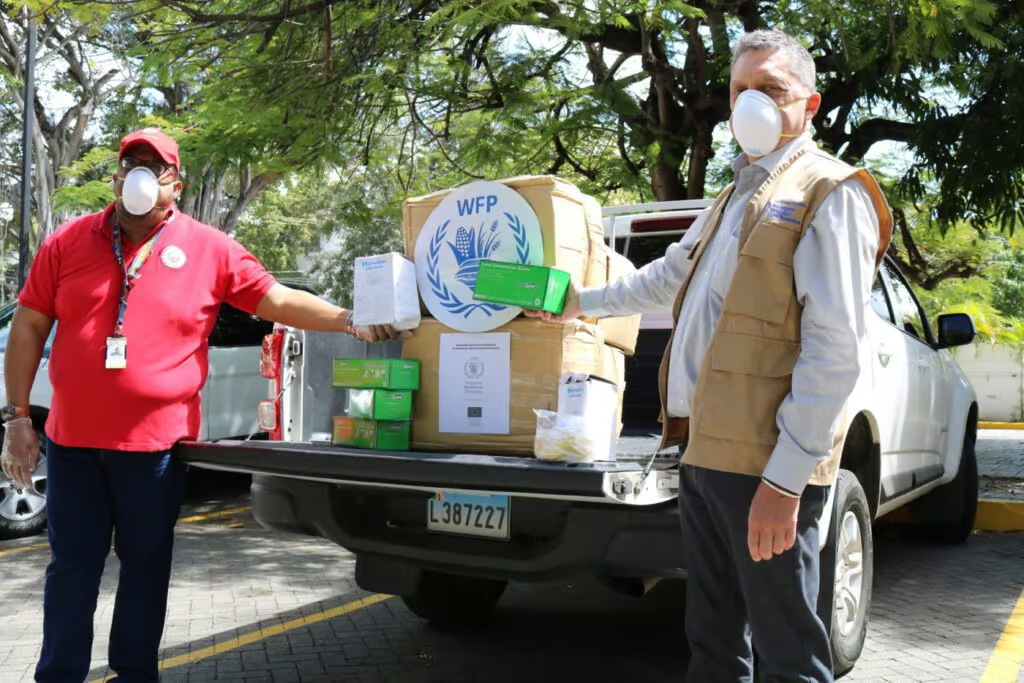
WFP is prepositioning food, delivering medical equipment, providing emergency food rations, and using its global logistics network to help the world’s most vulnerable populations cope with COVID-19.

“In some contexts, the economic consequences of this disease could end up hurting more people than the disease itself,” says WFP’s Chief Economist.
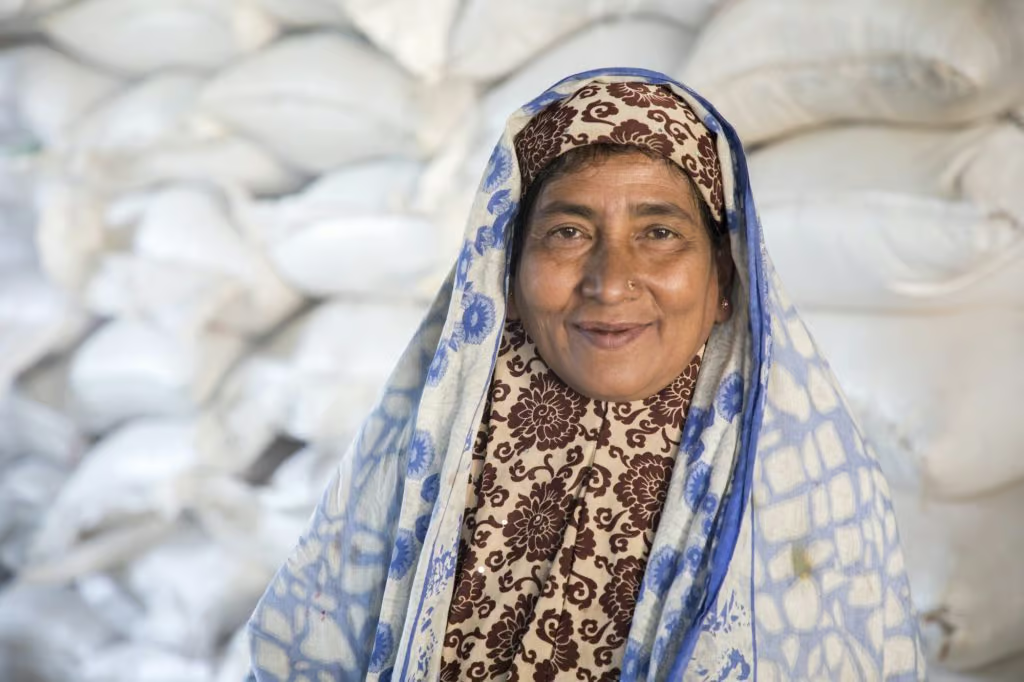
This women’s history month, Rohingya women share their stories of feeding their families under the most extreme conditions imaginable. How will history remember them?

Less than 20% of people living in low-income countries have access to social protections of any kind, and even fewer have access to food-based safety nets.
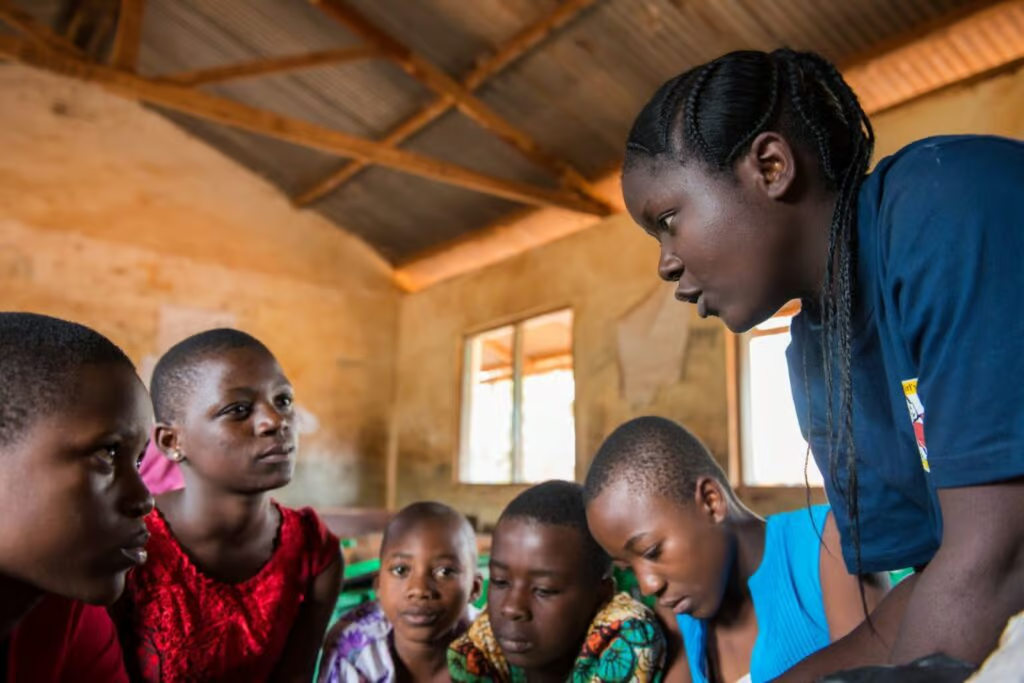
See how two projects in Tanzania and Uganda are changing the lives of hundreds of young girls who wouldn’t have been able to go to school without them.

What is “home grown” school feeding? It’s not only transforming the lives of students, but entire communities.
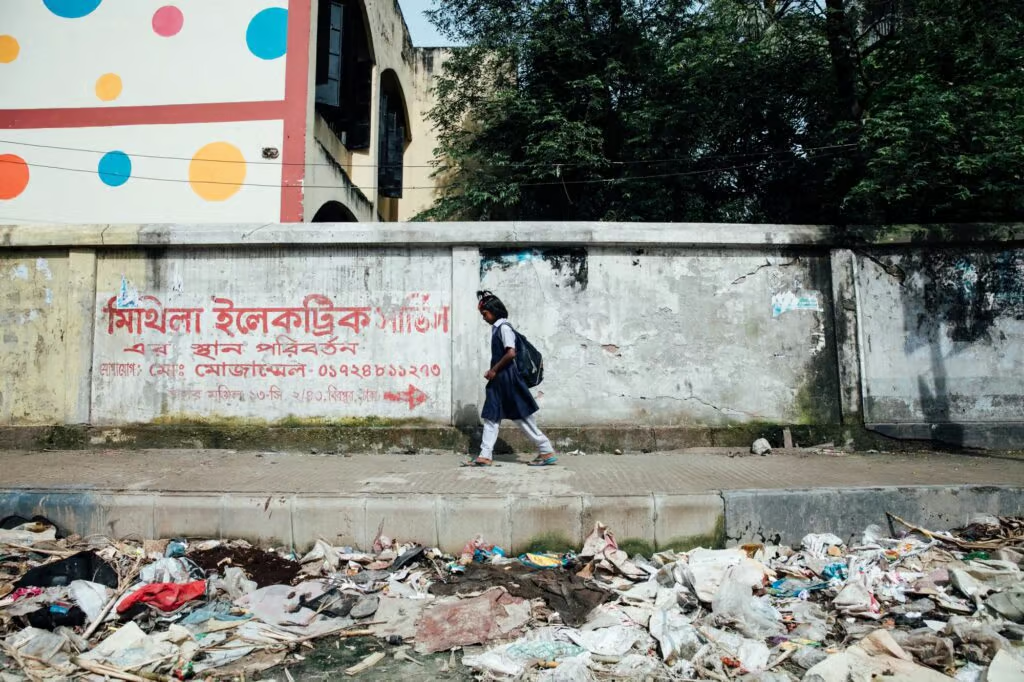
Standing in a doorway to the alley, Shrity brushes her teeth before sitting on the bed she shares with three other people. Here, she finishes her homework and eats a quick meal of rice and lentils before walking the littered streets to school.