Schools, Health and Nutrition — Why Coronavirus Demands a Rethink of Education
Carmen Burbano, Director of School Feeding at the World Food Programme, says we must rethink the entire education system or risk a “generational catastrophe.”

Carmen Burbano, Director of School Feeding at the World Food Programme, says we must rethink the entire education system or risk a “generational catastrophe.”
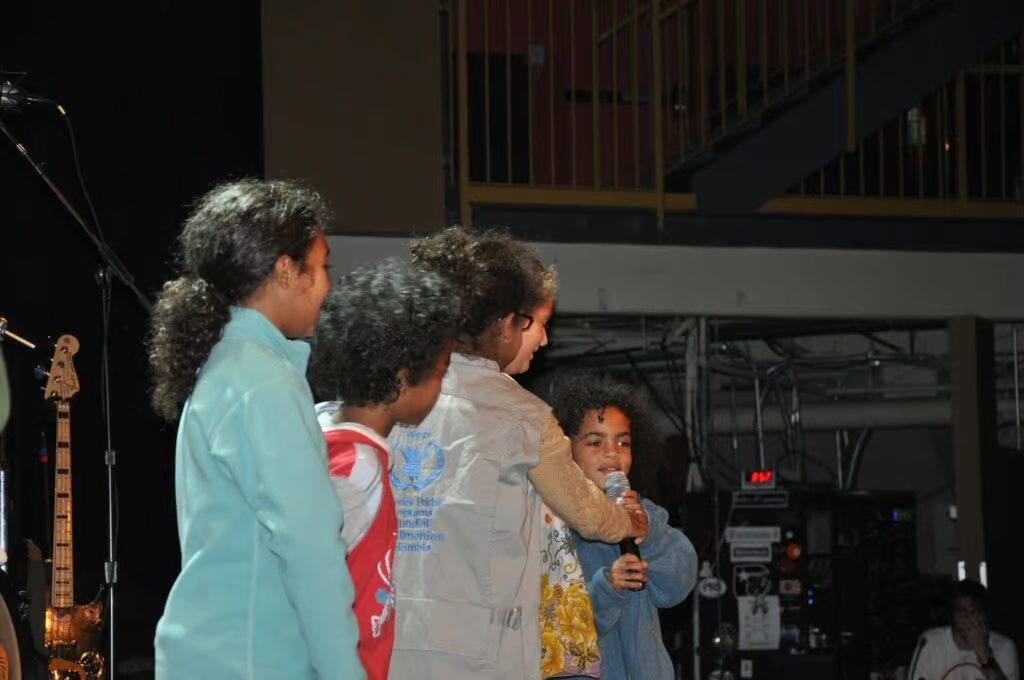
For the Barrett siblings, fighting global hunger has always been a family commitment. In 2008, their mother introduced them to WFP, and they’ve been working hard to end hunger ever since.
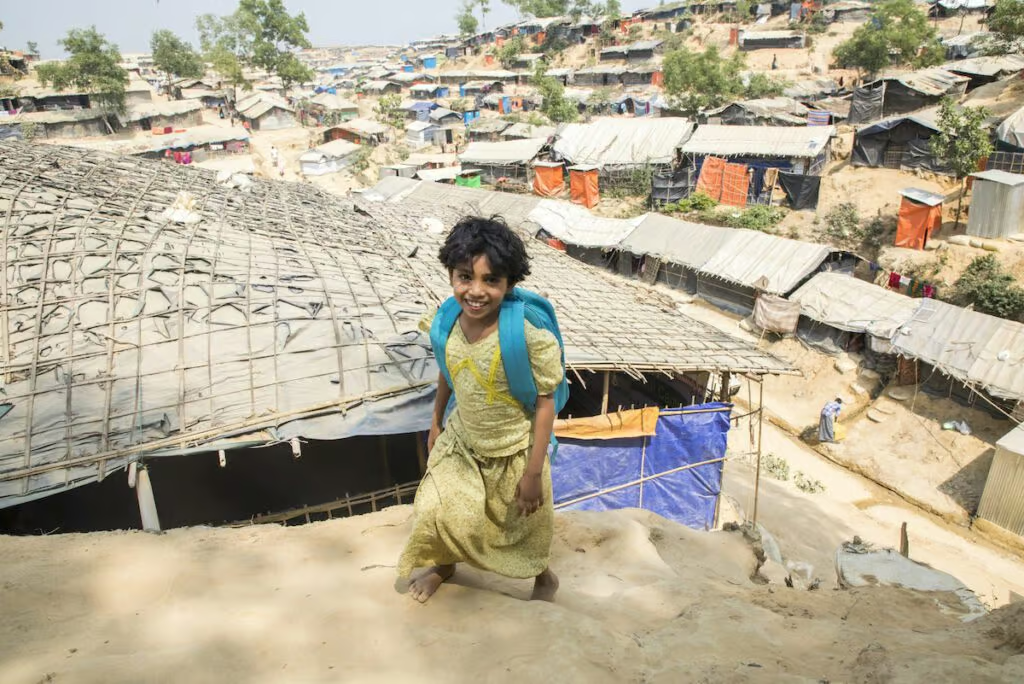
When kids living through war and displacement drop out of school, that often means missing the school meals that might be their only real source of nutrition. Here are a few bite-sized solutions.
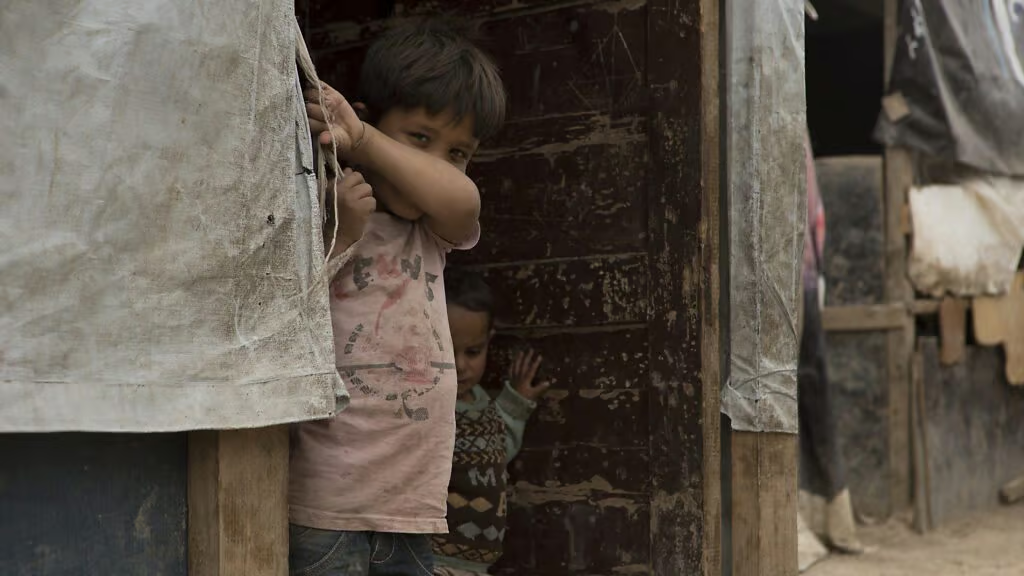
We are extremely saddened by the immense devastation and loss caused by an explosion at the Port of Beirut in Lebanon. The Lebanese people need our support now more than ever.
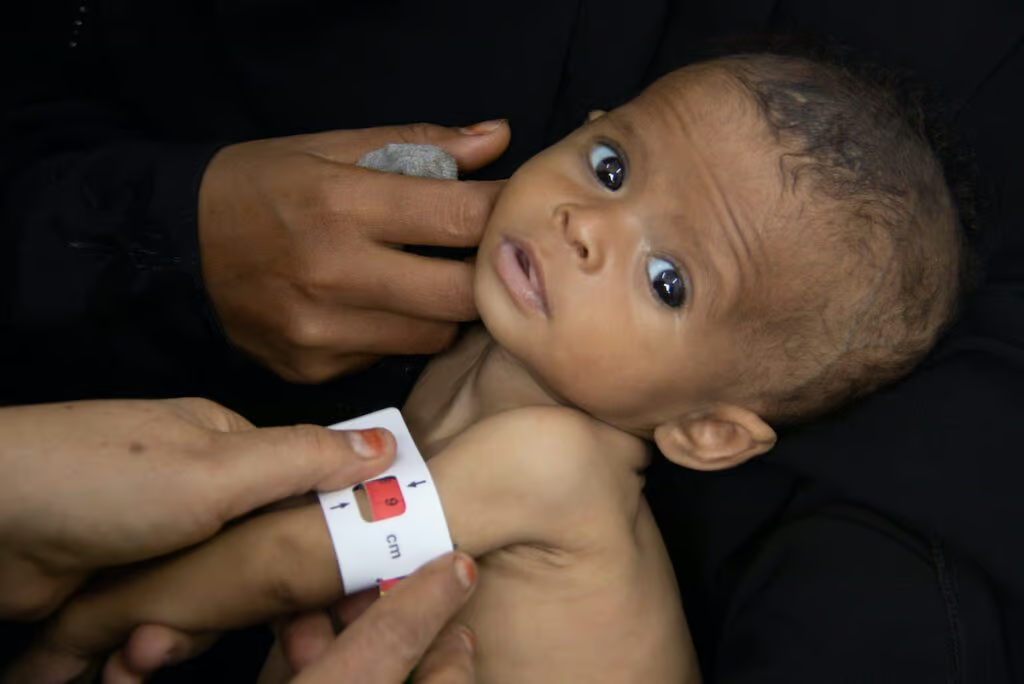
There is no time to wait. The choices we make today will determine millions of children’s futures for months, years and decades to come.
What does malnutrition do to the body of a young child? The effects are devastating, with lifelong consequences for children and their communities. Here are seven of their stories.
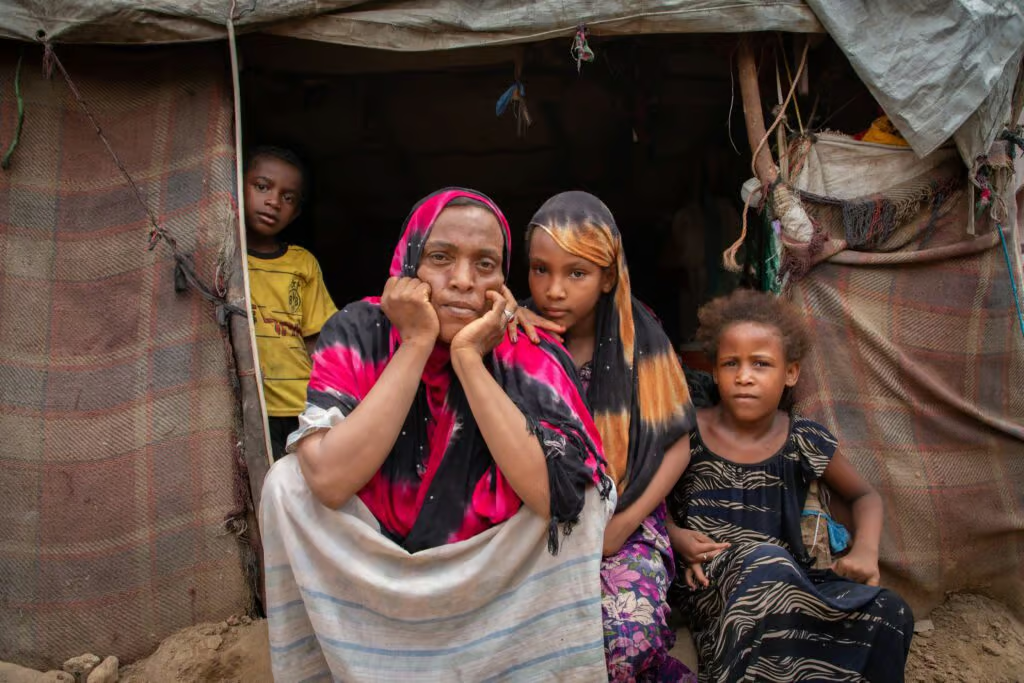
As COVID-19 spreads to the developing world, it is leaving hunger and poverty in it’s wake. WFP is fighting back with a historic humanitarian response.
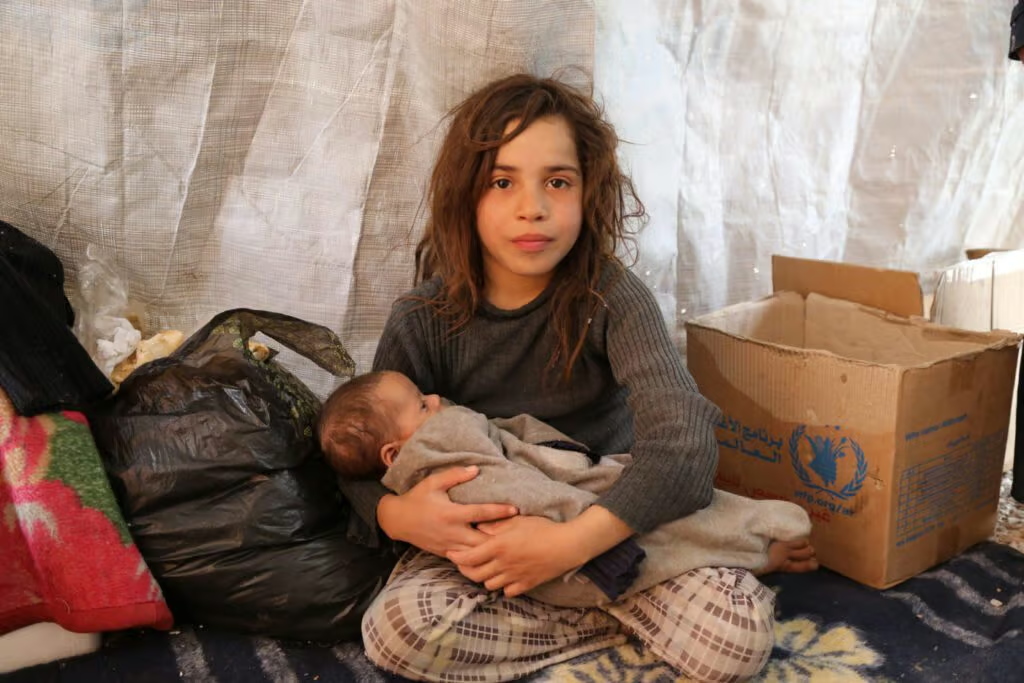
“There are small children who are hungry, who do not have anything to eat,” said the Pope, praying that leaders in the region would “be capable of making peace.”

Clint Borgen developed his dream for The Borgen Project alone on a fishing boat. On this episode of Hacking Hunger, we discussed how it began an anti-poverty movement.
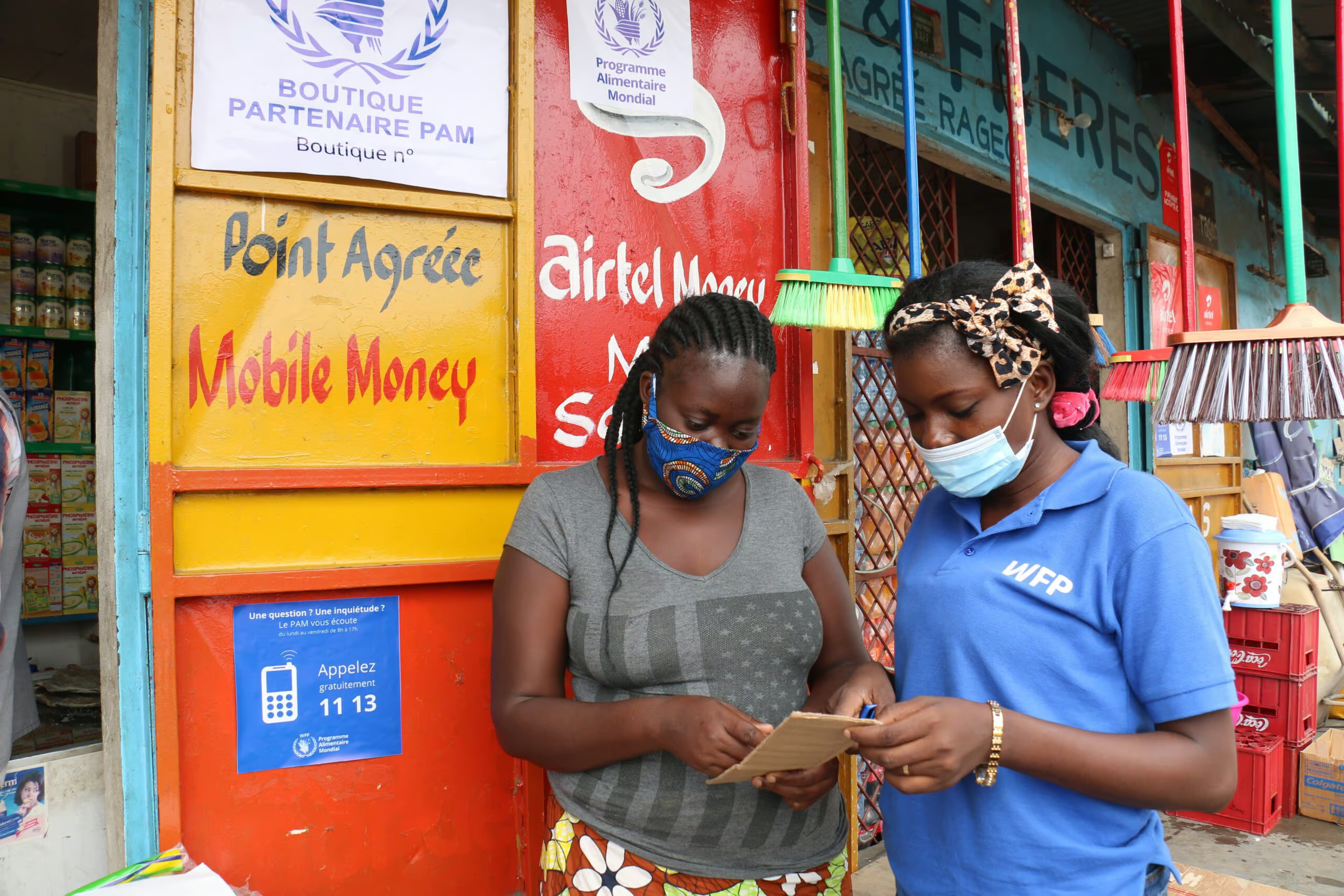
Why do the economic impacts of COVID-19 affect poor countries more? What changes can we make to help the most vulnerable now and in the future? Johan Swinnen, director general of IFPRI, answers our questions.