The Coolest Job You’ve Never Heard of: Keeping 4M Tons of Food From Going Bad
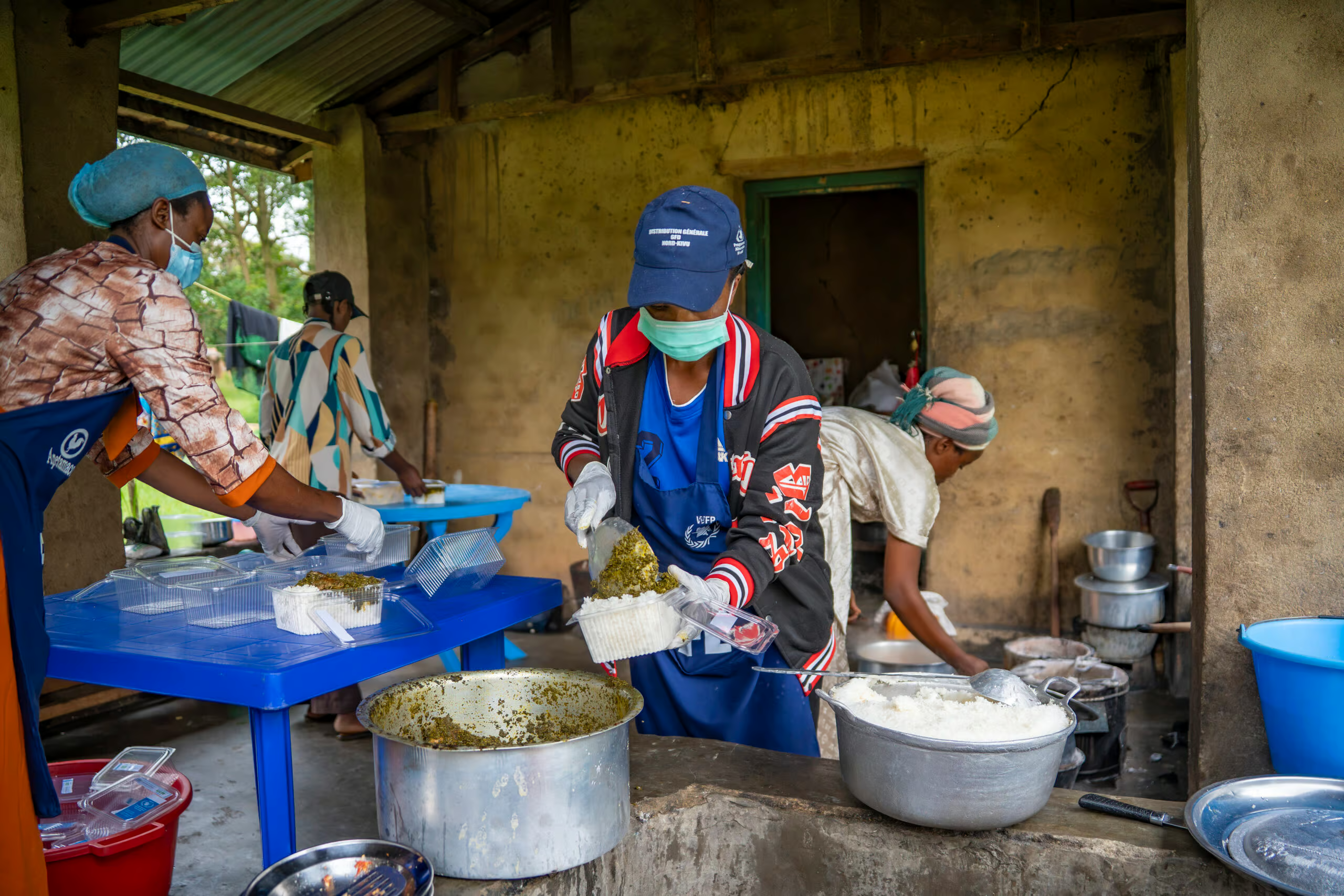
Packaging engineer? It’s hardly the first professional profile that springs to mind when you think of humanitarian work. And yet, for an organization like the

Packaging engineer? It’s hardly the first professional profile that springs to mind when you think of humanitarian work. And yet, for an organization like the
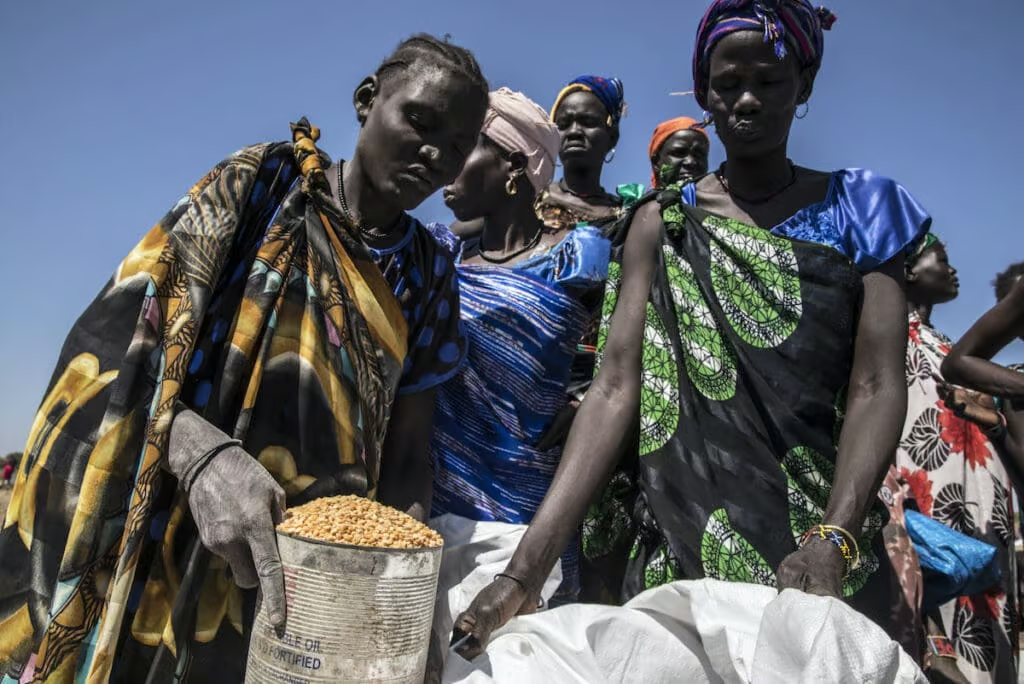
Farmers in Sudan lose up to 40% of their crops every year. WFP’s hermetic bags cost just $2 and reduce loss to less than 2%.
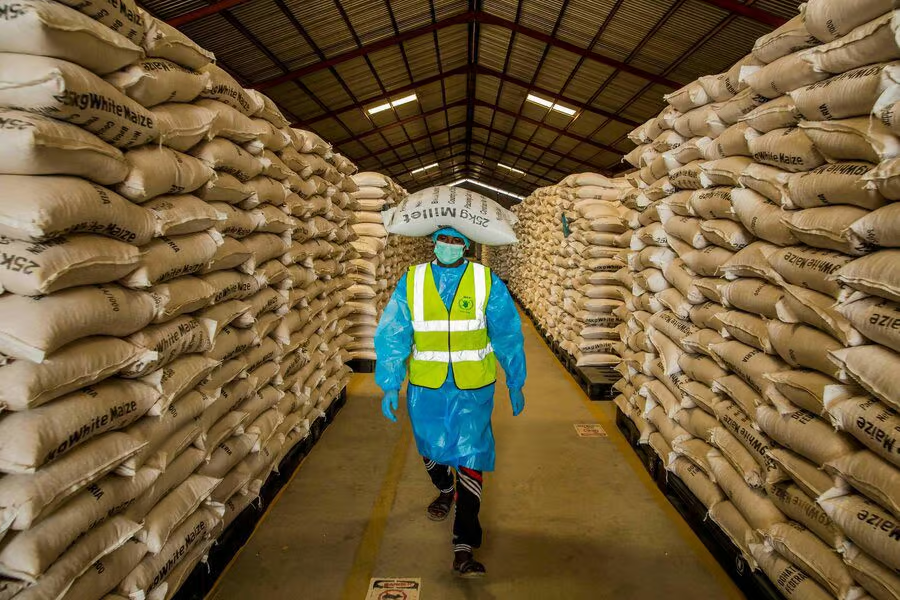
Take a glimpse into how the United Nations World Food Programme (WFP) buys food for over 100 million people.
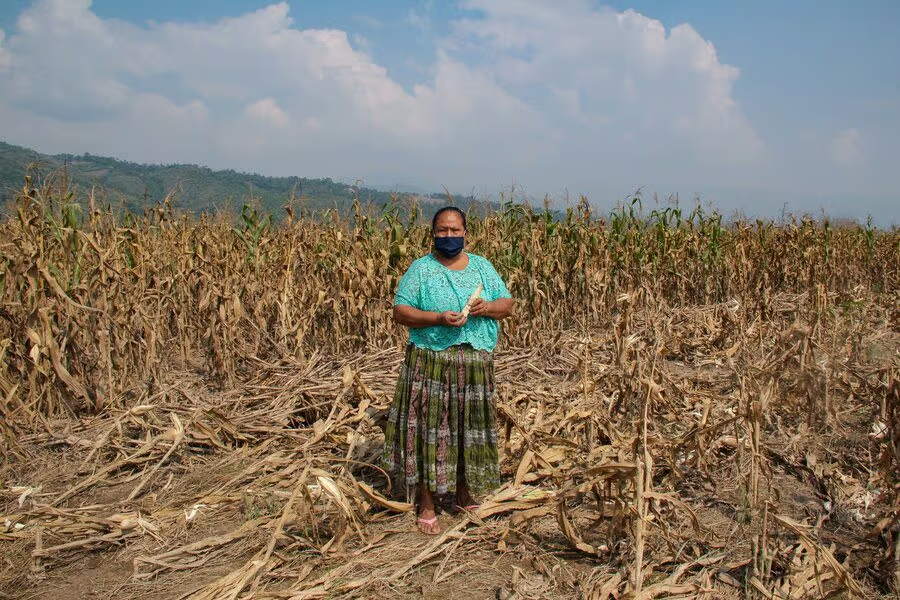
An innovate insurance program in Guatemala, run by WFP in partnership with Aseguradora Rural, enables farmers and entrepreneurs to become more resilient to climate crises and hunger.

Meet Merlin and Achol — two young schoolgirls in South Sudan who, thanks to school meals and support from their families, can dream of reaching their lofty career goals.
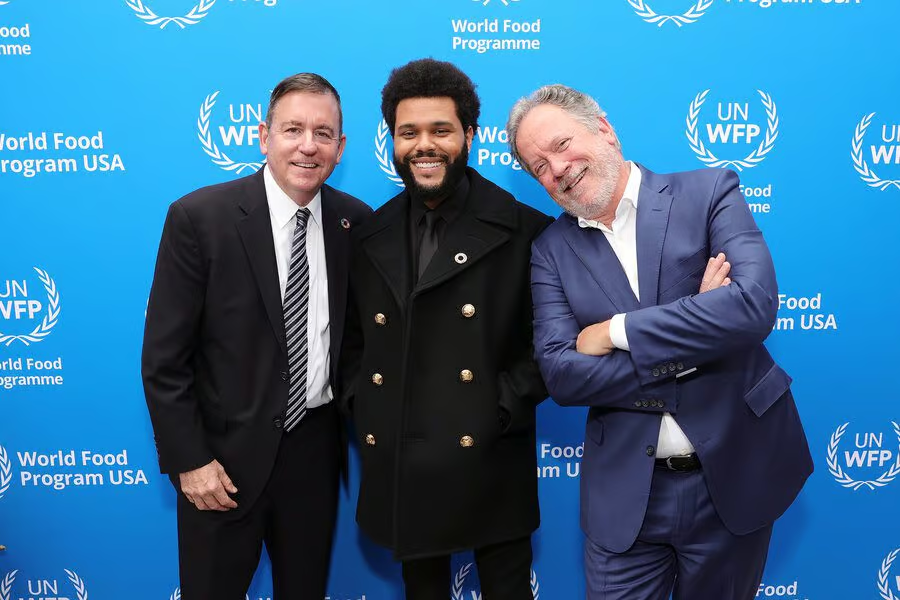
Record-breaking vocalist and songwriter The Weeknd was inducted into the ‘WFP family’ at special ceremony in Los Angeles last night.
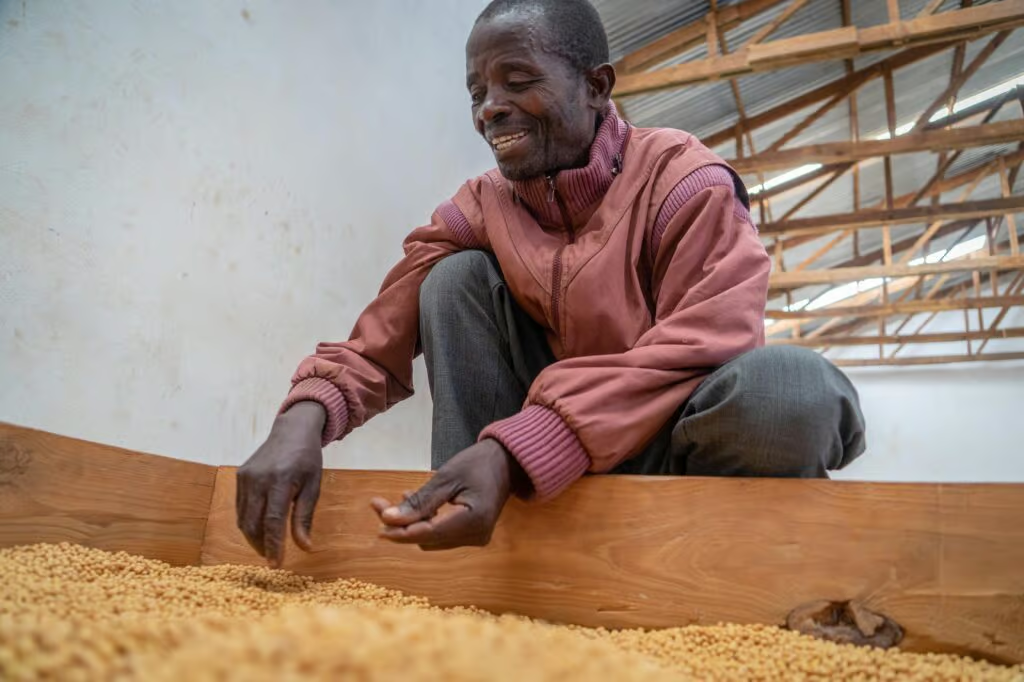
In Malawi, a group of farmers has learned how to fight food waste and turn a profit. The money now pays for things like food, school fees, soap and livestock.
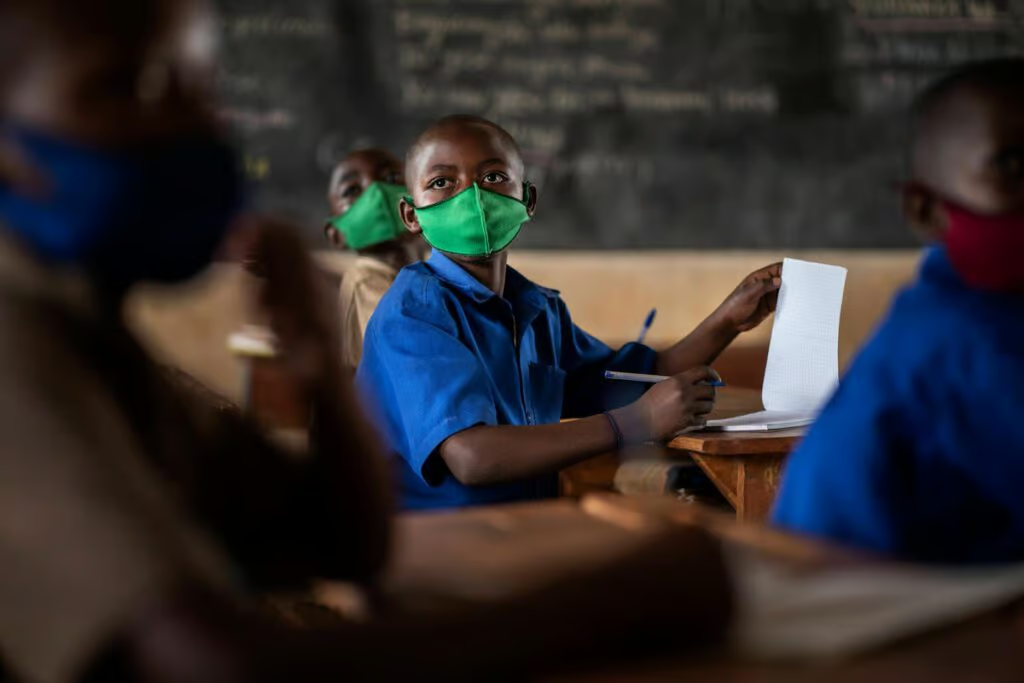
Global hunger is a complex and sometimes overwhelming problem. But, there are some easy ways teachers can help students understand it and become empathetic humanitarians.
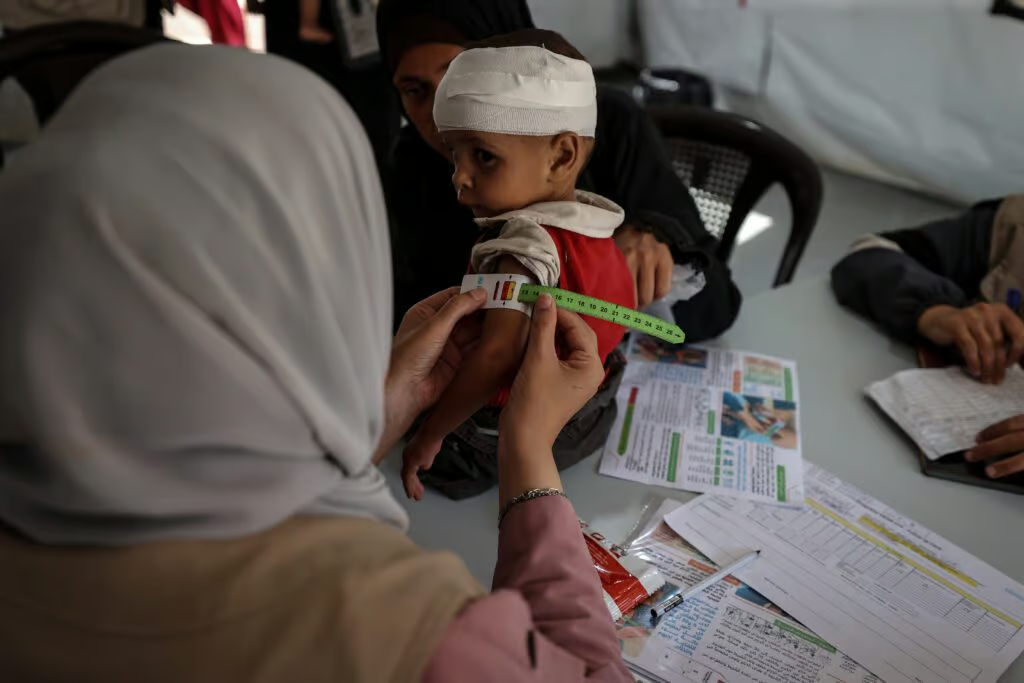
A child dies every 10 seconds from malnutrition. Childhood hunger is one of the biggest issues of our time, but it’s entirely preventable.
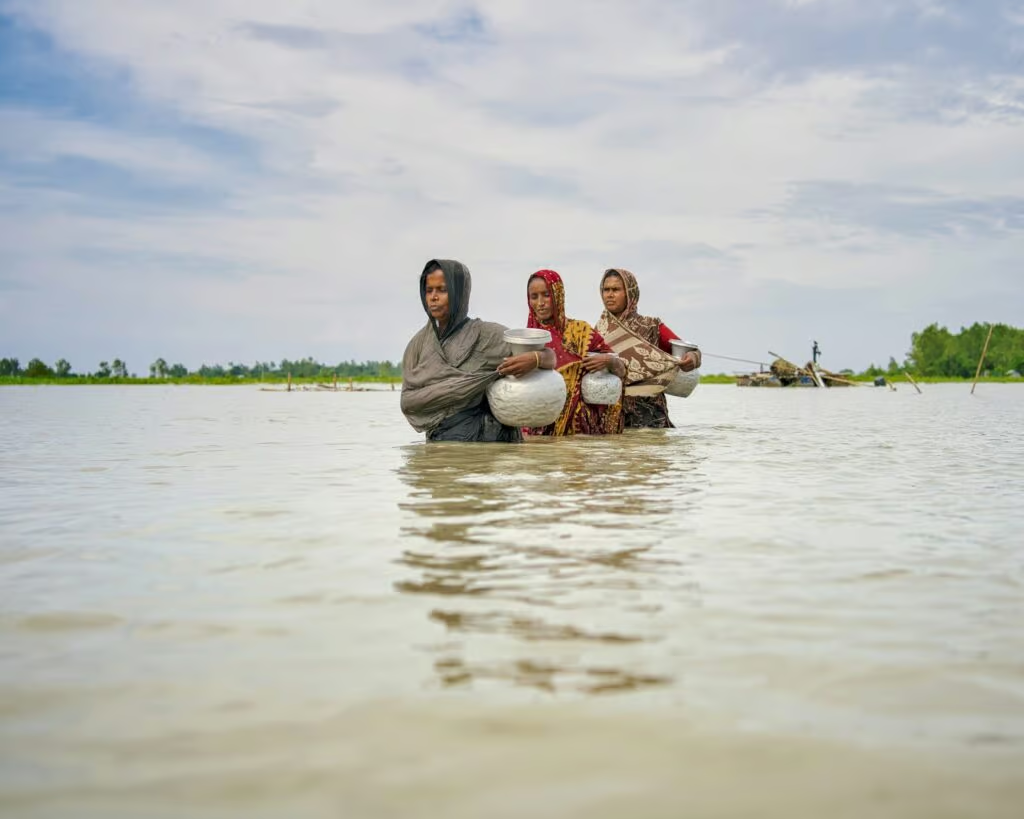
Lost and wasted food might not seem like humanitarian issues, but they are. The way we grow, store, transport, sell and consume our food all contribute directly to the health of our global climate. Here’s how.