The Three Waves of Hunger: The Devastating Ripple Effects of COVID-19
Chase Sova, WFP USA sr. director of public policy and research, draws on a new WFP report to explain how COVID-19 is expected to double global hunger by the end of 2020.

Chase Sova, WFP USA sr. director of public policy and research, draws on a new WFP report to explain how COVID-19 is expected to double global hunger by the end of 2020.
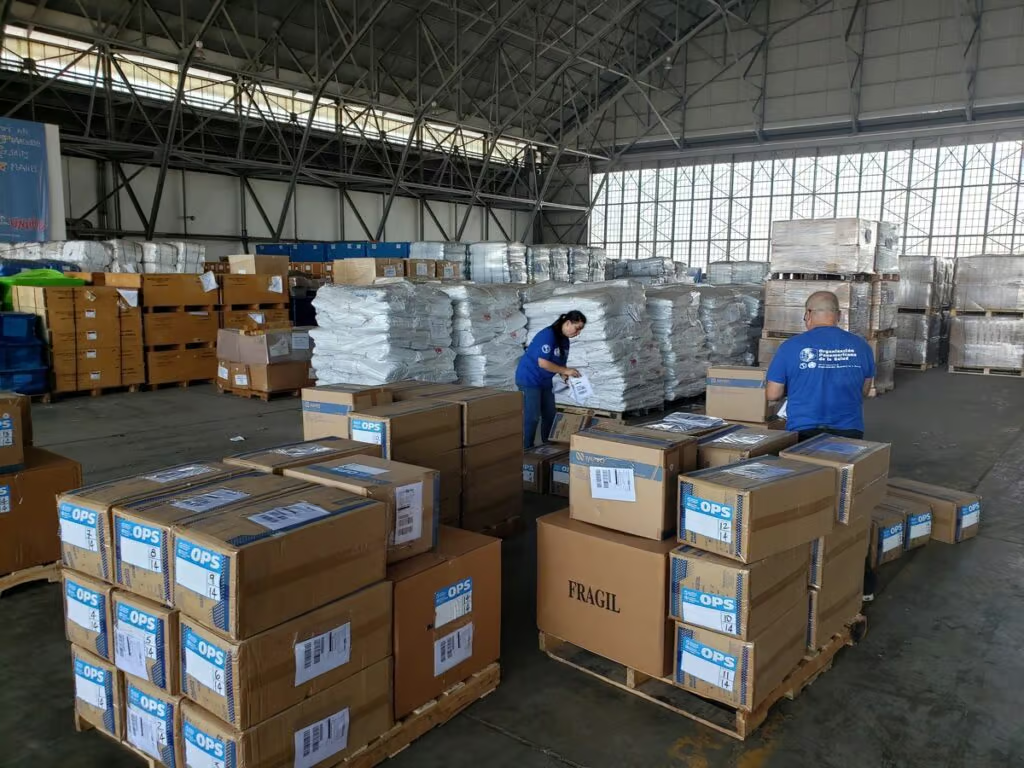
WFP is seating up the vital logistics backbone that will help save lives and help halt the spread of the virus. Humanitarian leaders from across the world are calling on donors to provide the support needed for WFP to scale-up its lifesaving services.
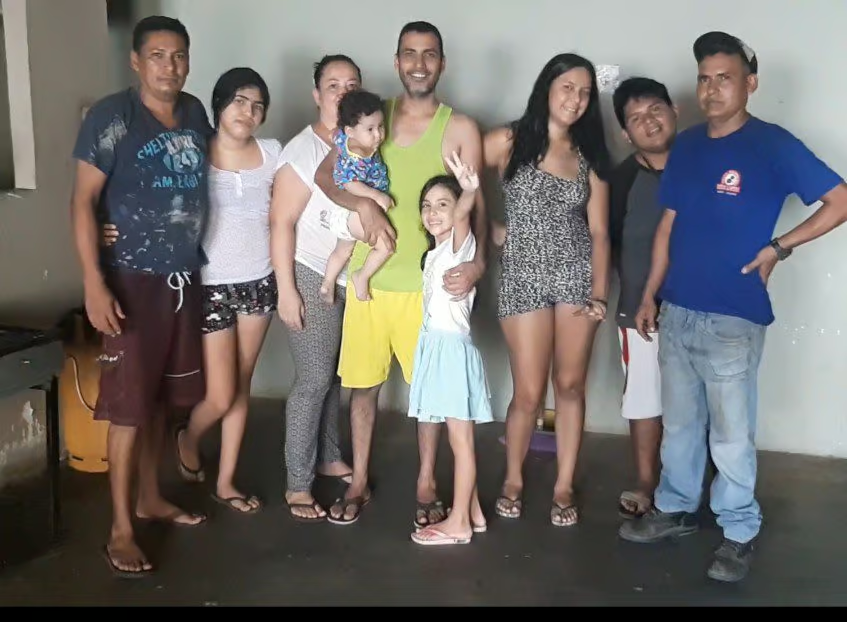
Guayaquil, Ecuador has become a hotspot in the COVID-19 crisis, as an aggressive outbreak recently hit the city. WFP talked to a beneficiary family there to see how their coping in this turbulent time.

At WFP’s main office in Rome, more than 1,000 staff members have been working remotely since the first week of March. We’re #TogetherAtHome.
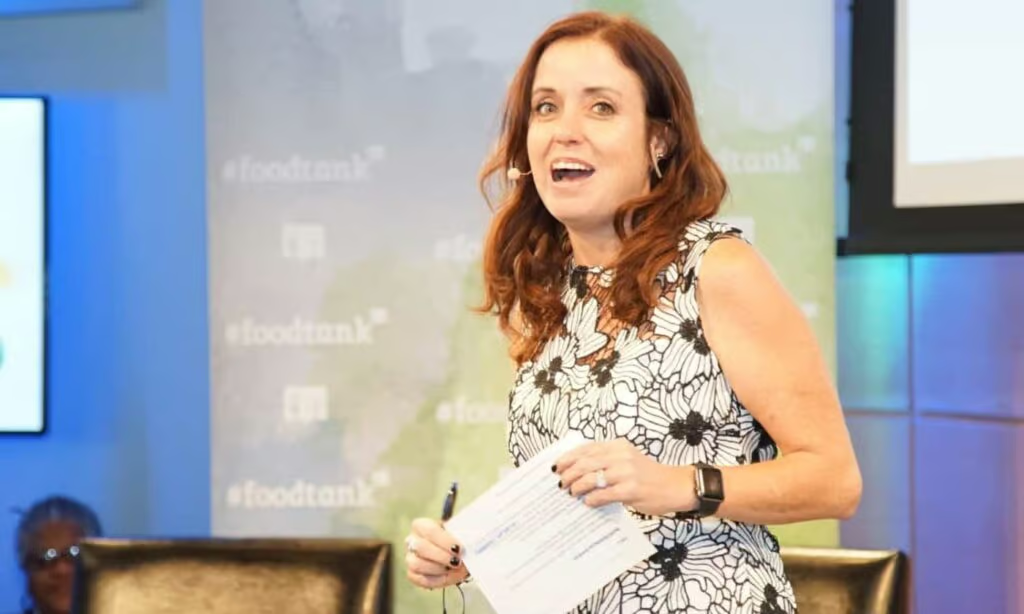
“I don’t think we can go back to business as usual after this.” Danielle Nierenberg, world-renowned expert on food and ag, talked to us about her career and how coronavirus will affect food systems going forward.
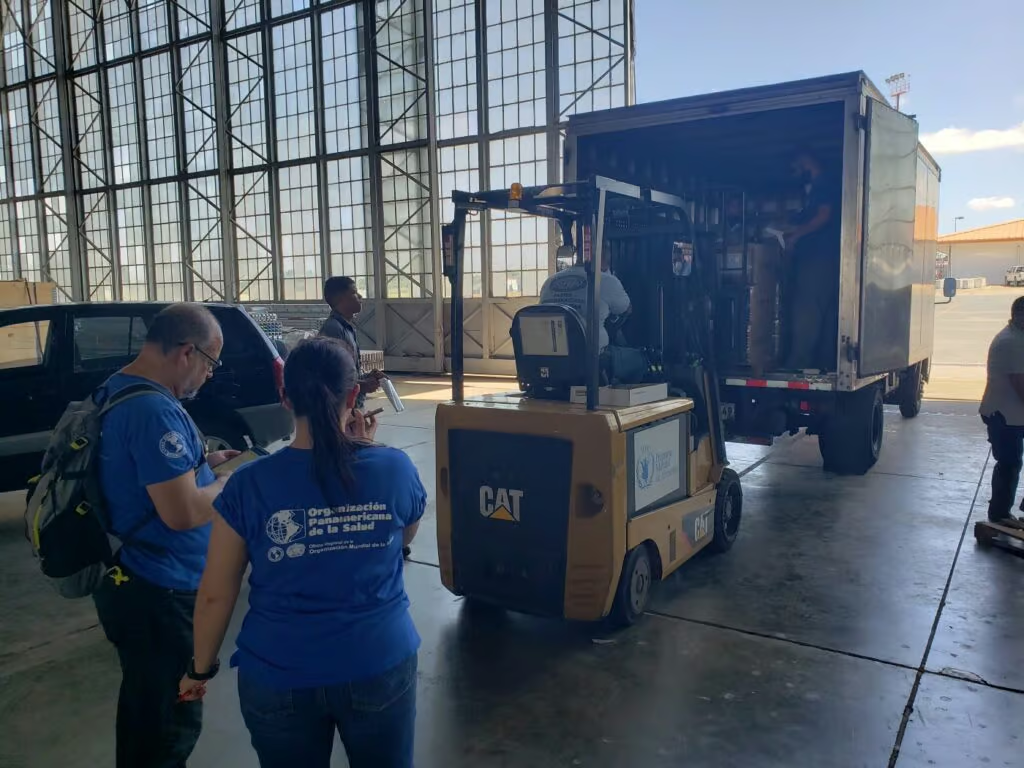
COVID-19 pandemic is causing border closures, travel restrictions and supply chain complexities never faced before, but WFP is still finding ways to save lives.
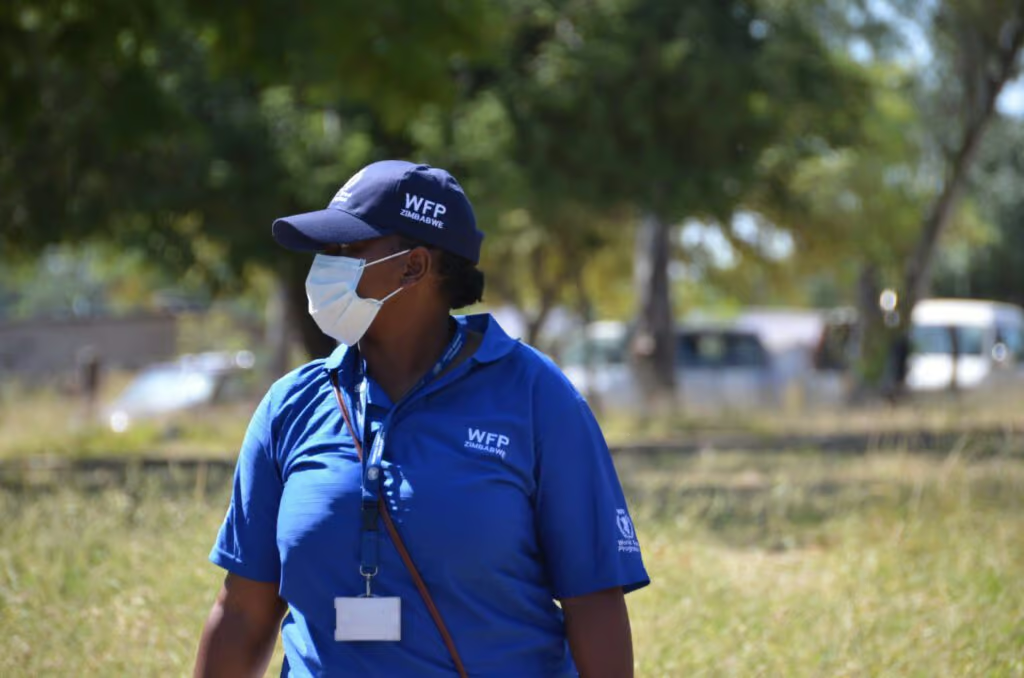
On March 30, WFP officially classified the COVID-19 crisis as an L3 emergency. But what, exactly, does this mean?

Two World Food Programme nutrition experts talk about how to protect the most vulnerable people – children – during the Coronavirus pandemic
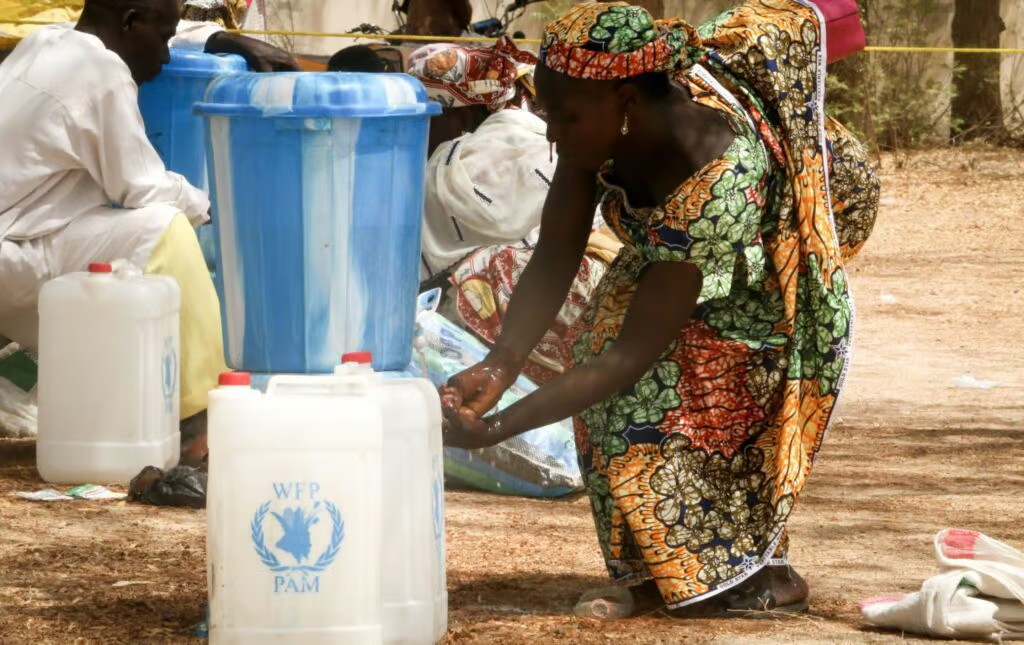
With hundreds of thousands of people infected around the world, the novel Coronavirus (COVID-19) pandemic is threatening the globe. Here is some basic information on what COVID-19 is and how we can protect ourselves.
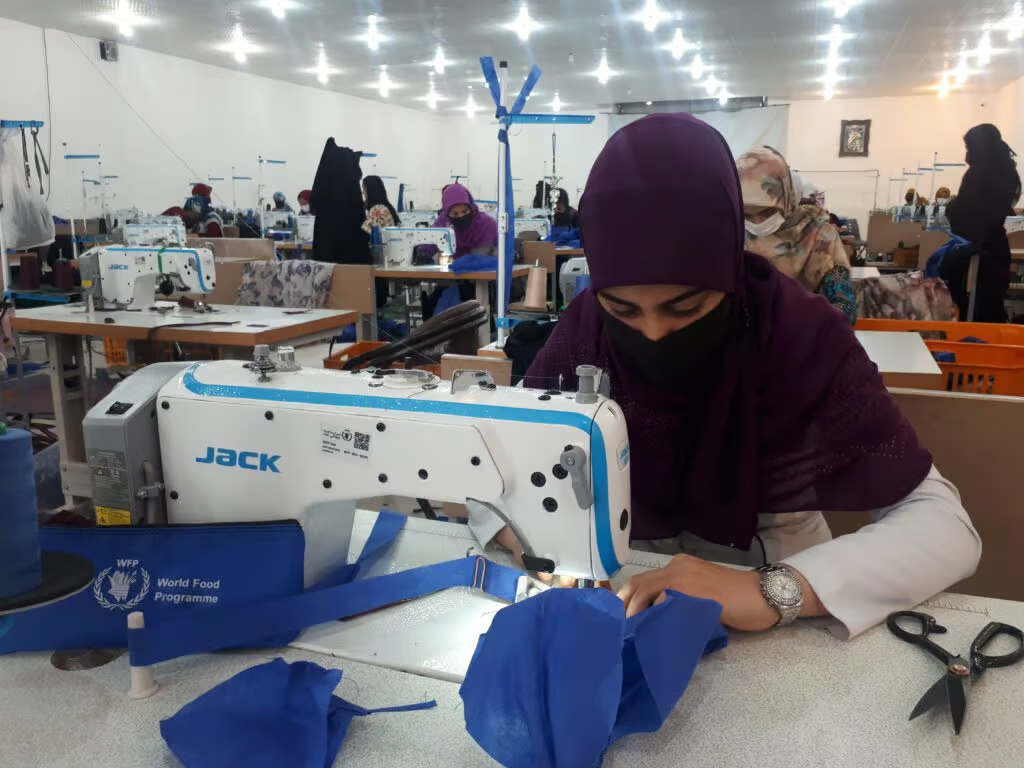
Iran has been one of the countries hit hardest by COVID-19. In that context, 70 refugees have come forward to give back to their community.