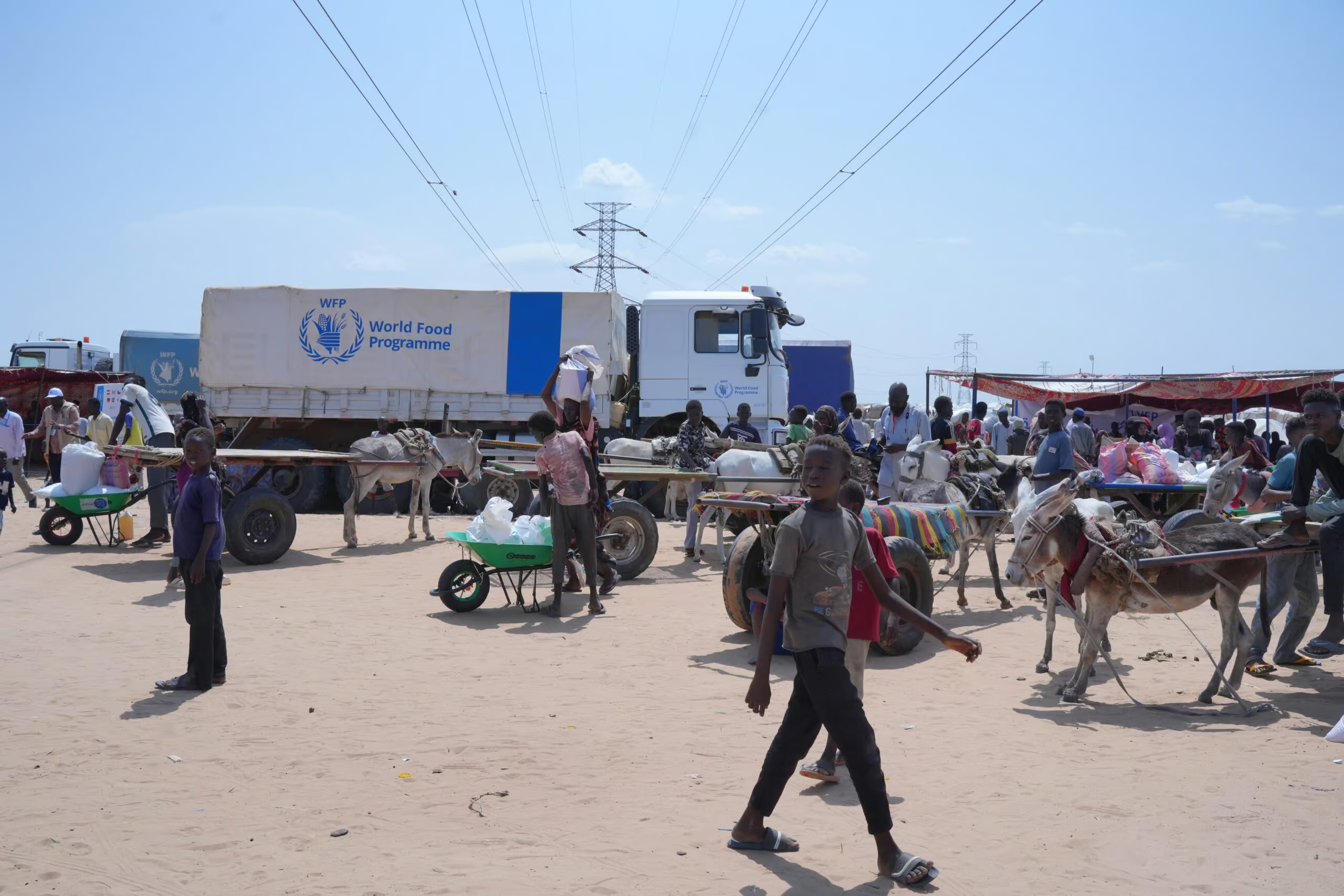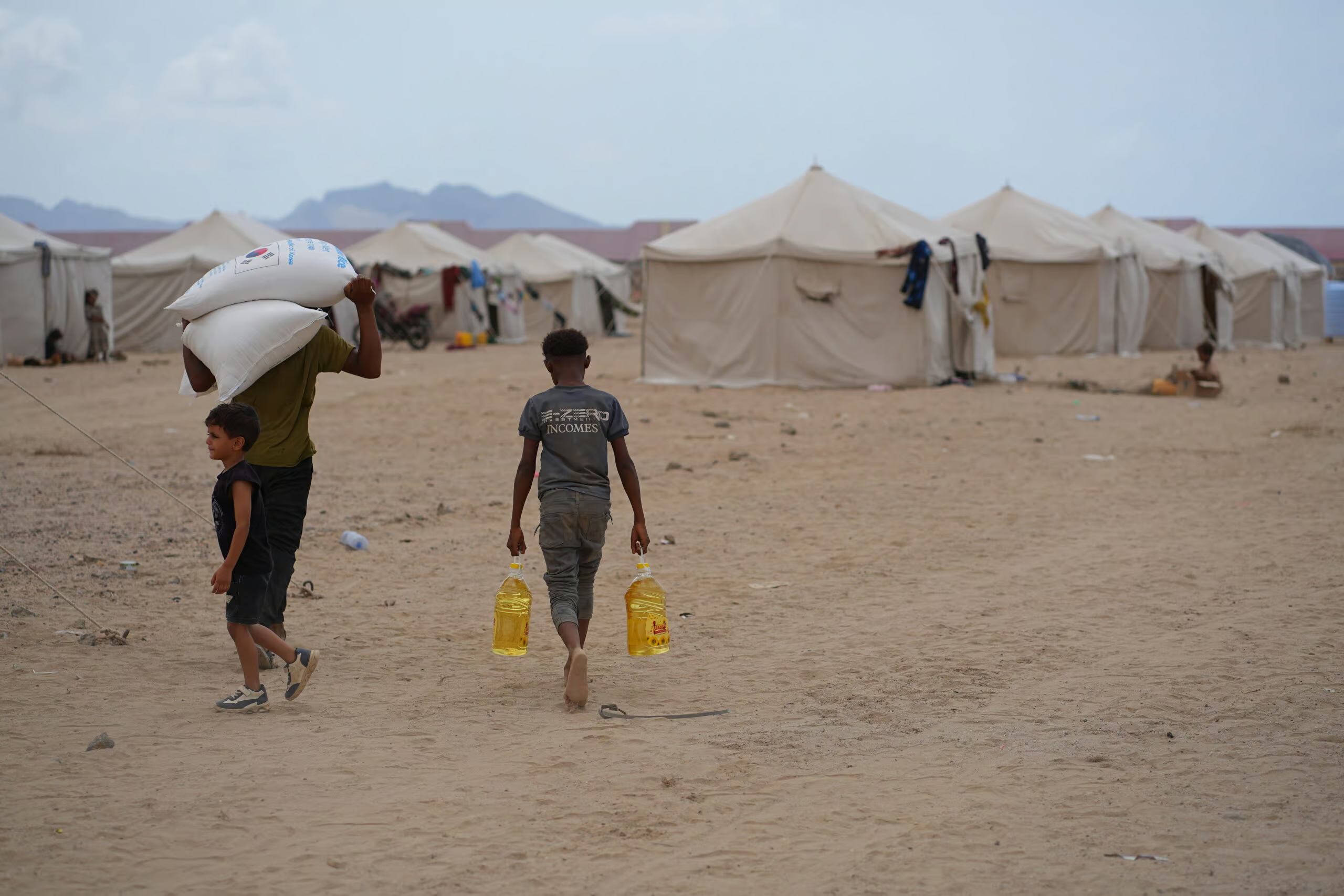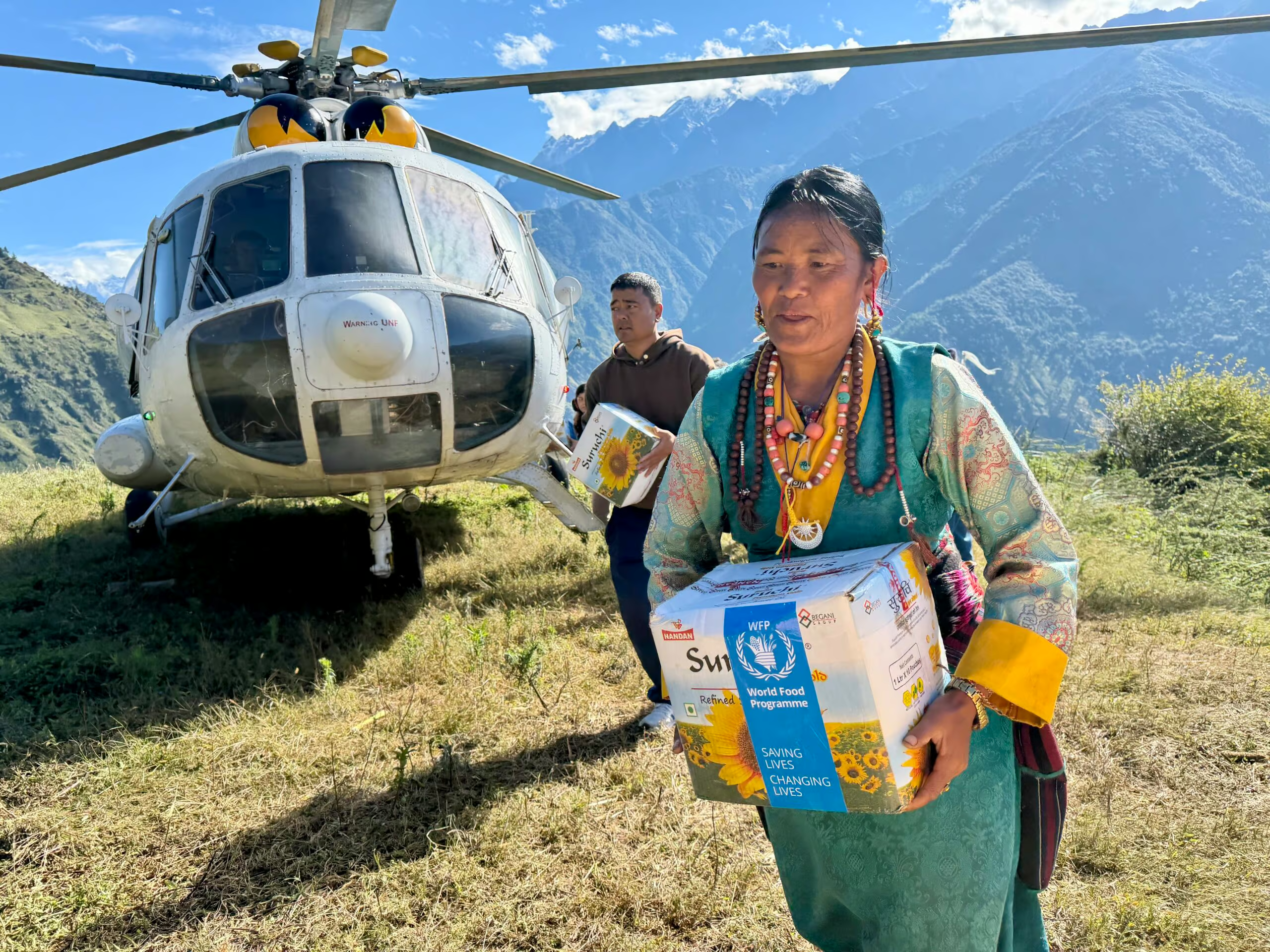
We know that choosing where to give your time, trust or support is a big decision — and asking questions is part of making an informed one. Here are answers to your top 12 questions about the World Food Programme (WFP) and World Food Program USA.
Why Should I Trust the World Food Programme?
WFP is the world’s leading humanitarian organization. Every year, they provide emergency food assistance, nutrition support and long-term solutions to hunger in more than 120 countries and territories, reaching tens of millions of people affected by conflict, climate-related disasters and economic crises. In 2020, WFP was awarded the Nobel Peace Prize for its efforts to combat hunger, improve conditions for peace in conflict-affected areas and help prevent the use of hunger as a weapon of war.
One of the key measures of a trustworthy organization is experience. WFP has more than 60 years of experience delivering food to people who are caught in the world’s worst hunger emergencies. Due to WFP’s operational reach and logistics expertise, the organization was chosen to oversee the delivery of all supplies and staff for the entire humanitarian aid community during times of crisis.
What Is World Food Program USA?
World Food Program USA is a U.S.-based nonprofit organization that supports WFP’s mission. While WFP delivers assistance around the world, World Food Program USA helps make that work possible by:
- Raising funds from individuals, foundations and corporations
- Building public awareness about global hunger
- Engaging advocates across the United States
- Working with policymakers to strengthen U.S. support for global food assistance
When you donate to World Food Program USA, you fuel WFP’s lifesaving work.
So … What’s the Difference between WFP and World Food Program USA?
Think of it this way:
WFP is the organization that delivers assistance around the world. They are one of the U.N. system’s Funds and Programs, sitting alongside organizations like UNICEF. Founded in 1961 and headquartered in Rome, WFP is one of the world’s largest hunger-fighting organizations with a presence in 123 countries and territories.
World Food Program USA is a separate U.S.-based nonprofit created in 1995 and headquartered in Washington D.C. We help raise awareness, funding and support across the United States for WFP’s work.
We share the same mission: ending global hunger.
What Does WFP Actually Do?
Many people know WFP for delivering food during emergencies, but that’s only part of the story. WFP works across the entire hunger cycle, including:
- Emergency food assistance after disasters and conflicts
- School meal programs
- Nutrition services for mothers and children
- Cash and voucher assistance where local markets are functioning
- Emergency logistics and humanitarian air services
- Support for small-scale farmers
- Climate resilience and disaster preparedness
- Food security monitoring and early warning systems
The goal isn’t just to respond to hunger today — it’s to help communities become more resilient tomorrow.
Where Does WFP Work?
WFP operates in more than 120 countries and territories. Because hunger looks different everywhere, no two responses are exactly alike. In one country, WFP may deliver emergency food after an earthquake. In another, it may support school meals, nutrition programs or help farmers withstand drought.
Why Doesn’t WFP Just Go Wherever There’s a Crisis?
This is one of the most common questions. WFP cannot enter a country without being invited in by the government. Once they have a legal basis to begin operations, WFP can begin work.
Only in exceptional situations — such as when a government has lost control of part of its territory during a complex crisis — can WFP operate without that invitation. Even then, it must come as a special request from the United Nations Secretary-General.
How Quickly Can WFP Respond?
Once authorized to operate, WFP can mobilize and begin delivering assistance in as little as 72 hours. Because WFP already maintains global supply chains, warehouses, logistics hubs, transportation networks and emergency response teams around the world, it can move quickly when disasters strike.
Does WFP Only Provide Food?
No.
In emergencies, food is often the best solution to hunger. Other times, cash assistance is better as it’s easier to disburse and scale. Where markets are functioning, cash gives families the flexibility to buy food and other essentials like water and shelter – all while supporting local businesses.
Depending on the situation, WFP may also provide nutritional supplements, school meals, tools and training for farmers, climate insurance, logistics support, emergency communications or even transportation for the wider humanitarian community.
How Does WFP Decide Who Receives Assistance?
WFP works with governments, local communities, humanitarian partners and affected communities to identify the people with the greatest needs. In all contexts, WFP only serves people experiencing the most extreme forms of hunger.
Programs are designed using detailed assessments of food insecurity, nutrition, displacement, conflict and local market conditions, so assistance reaches the people most at risk of acute hunger.
Is WFP Politically Affiliated?
No.
WFP follows humanitarian principles of humanity, neutrality, impartiality and operational independence. Its goal is simple: reach people facing hunger — regardless of politics, ethnicity or religion — and deliver assistance based on need.
How Is WFP Funded?
WFP is 100% voluntarily funded. That means governments, businesses, foundations and individual supporters all play a vital role in making WFP’s work possible. Without voluntary contributions, WFP cannot respond to hunger emergencies around the world.
Is World Food Program USA Transparent About Donations?
Yes. Transparency and accountability are central to how World Food Program USA operates. For every dollar spent, 88 cents goes directly to supporting WFP’s mission to end hunger, helping fund their emergency response, school meals, nutrition programs and other lifesaving work around the world.
World Food Program USA is also proud to have a Four-Star rating from Charity Navigator and Candid GuideStar’s Platinum Transparency seal, the highest levels possible – recognizing our strong financial health, accountability and transparency.
To further ensure accountability, World Food Program USA publishes annual reports, audited financial statements and IRS Form 990s on our website, so supporters can see exactly how funds are managed.
~
At World Food Program USA, we believe people deserve to know where their donations go, how humanitarian responses work and why organizations like WFP exist. That’s why we’re committed to being transparent about our work and sharing stories, facts and impact every step of the way.
Whether you saw a creator talking about global hunger, found us through social media or simply wanted to learn more, we’re glad you’re here. Thank you for taking the time to better understand our mission and for helping us move one step closer to a world with Zero Hunger.