A Border Crisis in South America
The World Food Programme (WFP) is scaling up support to provide food and nutrition assistance to 350,000 Venezuelans fleeing deprivation in their home country.

The World Food Programme (WFP) is scaling up support to provide food and nutrition assistance to 350,000 Venezuelans fleeing deprivation in their home country.

Too often we don’t hear about the people who have been affected by this crisis. Their stories and experiences must not be forgotten.

When Cedric Habiyaremye, a PhD student at Washington State University, thinks about his mom Agnes, he remembers a long journey he once took with her as an eight-year-old.

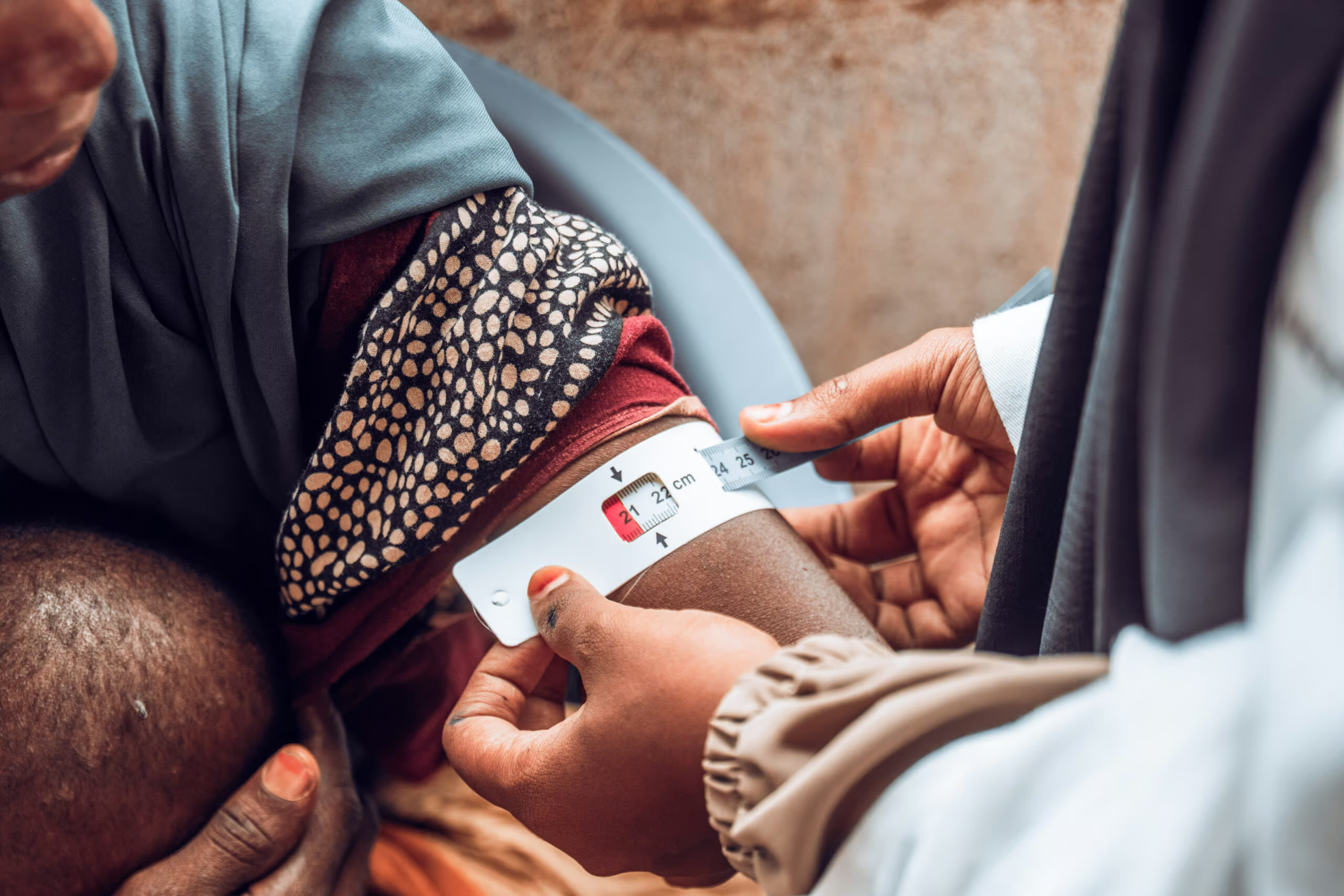
Just 11-months-old, Shahd was being admitted for a second time to the World Food Programme (WFP)’s nutrition treatment center in Hodeidah, Yemen.
As Ethiopia braces for another year of meager rainfall, farmers search for food as hundreds of thousands of people from neighboring countries seek refuge from conflict within its borders.

The rain has started to fall where nearly 700,000 refugees have sought safety since last August. What happens now?

The World Food Programme (WFP) is harnessing satellite technology to better monitor large-scale landscape projects that build resilience among vulnerable populations.
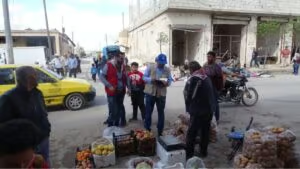
Tens of thousands of newly displaced Syrians from Eastern Ghouta are relocating to makeshift shelters and camps that are struggling to absorb the arrival of more families in need.
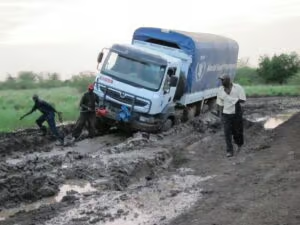
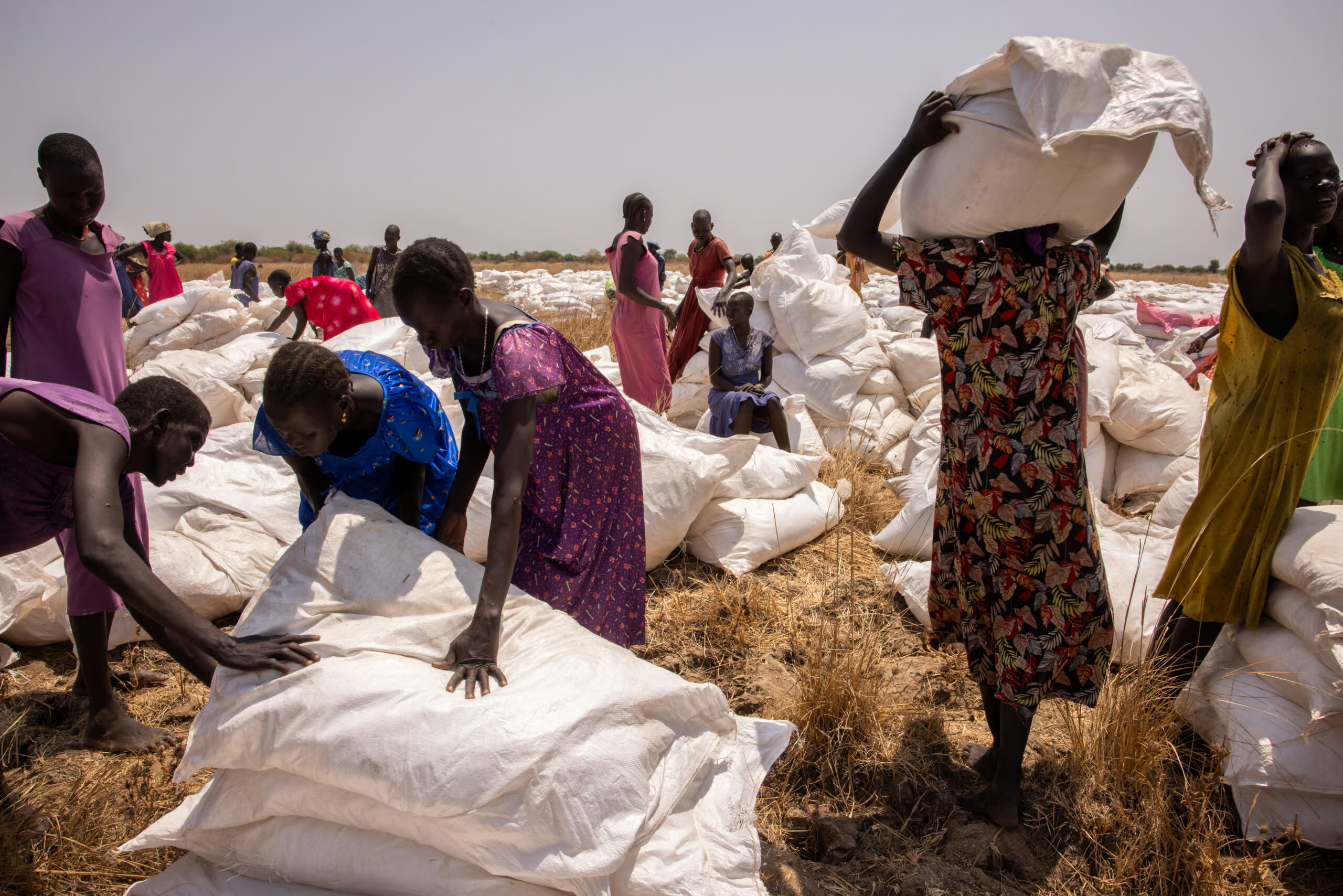
With the rainy season set to start next month, WFP is moving mountains to pre-position lifesaving food for people in need.

3 women, 3 very different stories, 1 training program—giving vulnerable young people a voice.