Why the U.N.’s ‘Code Red’ Climate Change Warning Is Already a Reality for Many
“People affected by the climate crisis do not have the luxury to wait until the world’s changed course on greenhouse gas emissions.”

“People affected by the climate crisis do not have the luxury to wait until the world’s changed course on greenhouse gas emissions.”
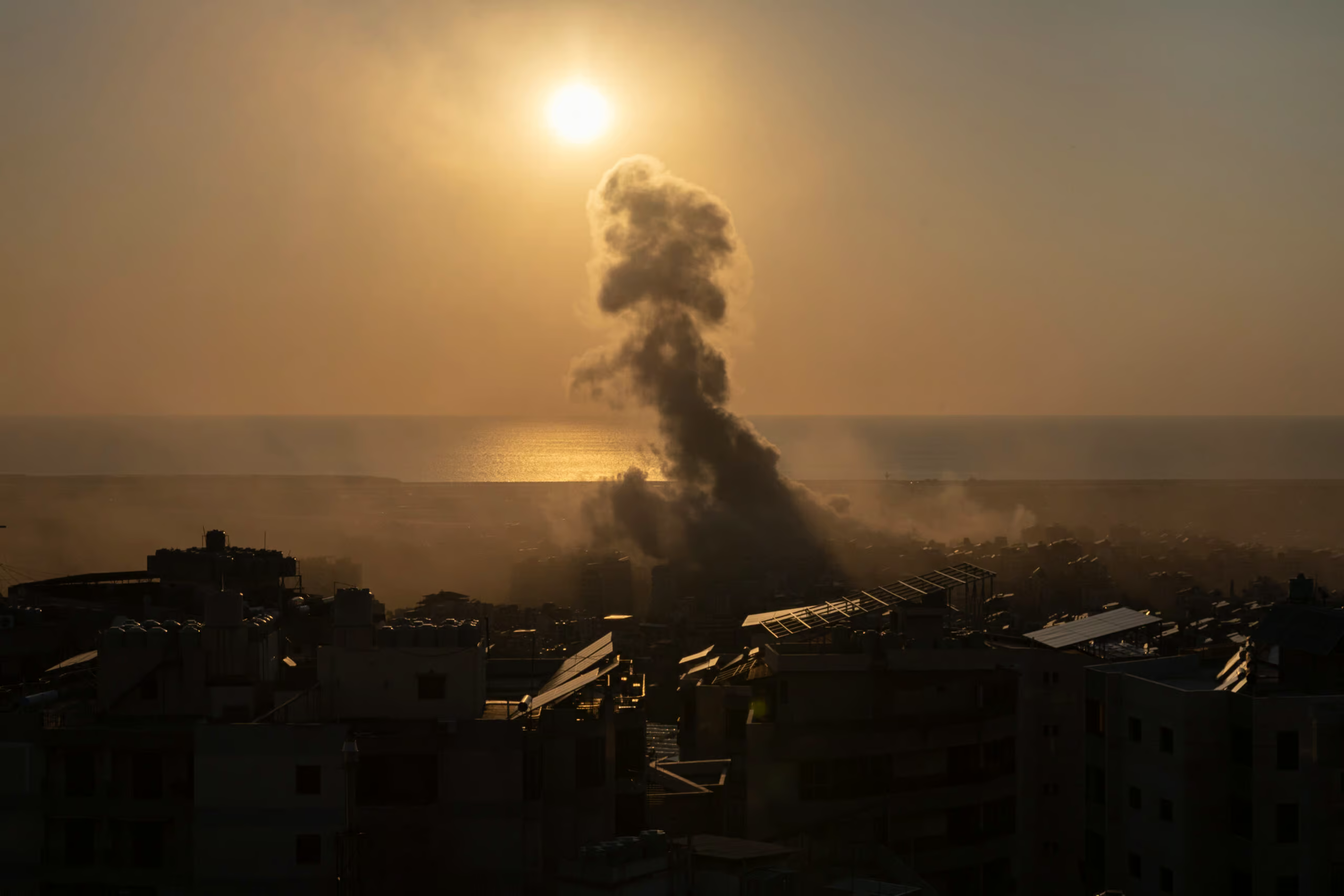
Conflict is a vicious force, and one that’s pushed innocent civilians to the most extreme levels of hunger imaginable. Nearly all of them live in the same places.
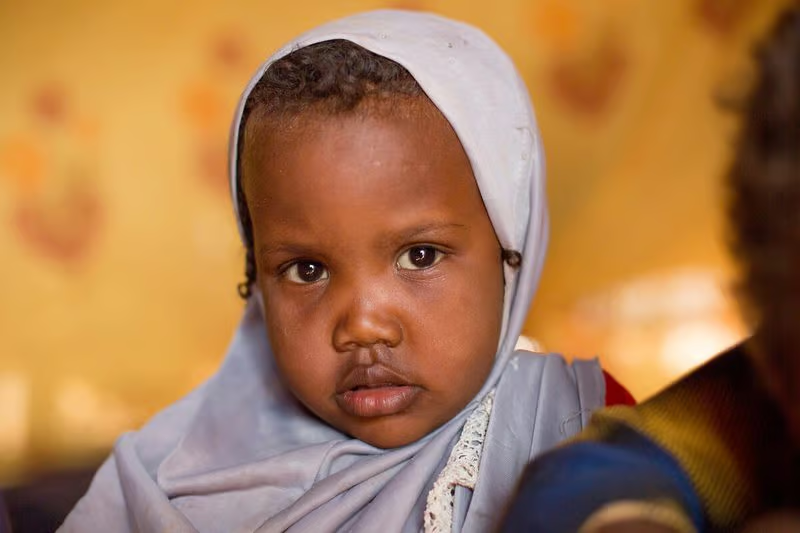
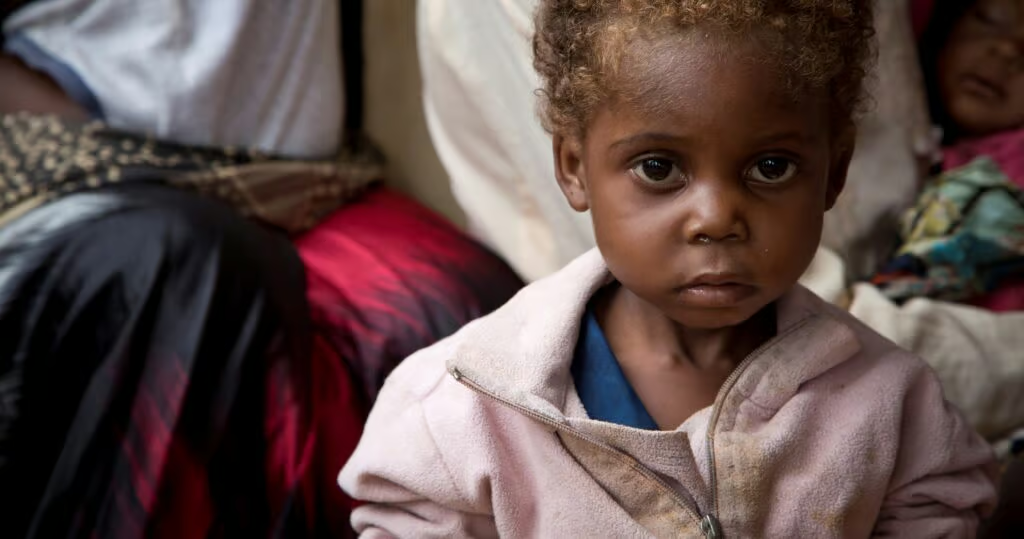
$6.6 billion would reel 42 million people back from the precipice, by providing a meal a day for the next year. Without immediate emergency food assistance, they will face starvation.
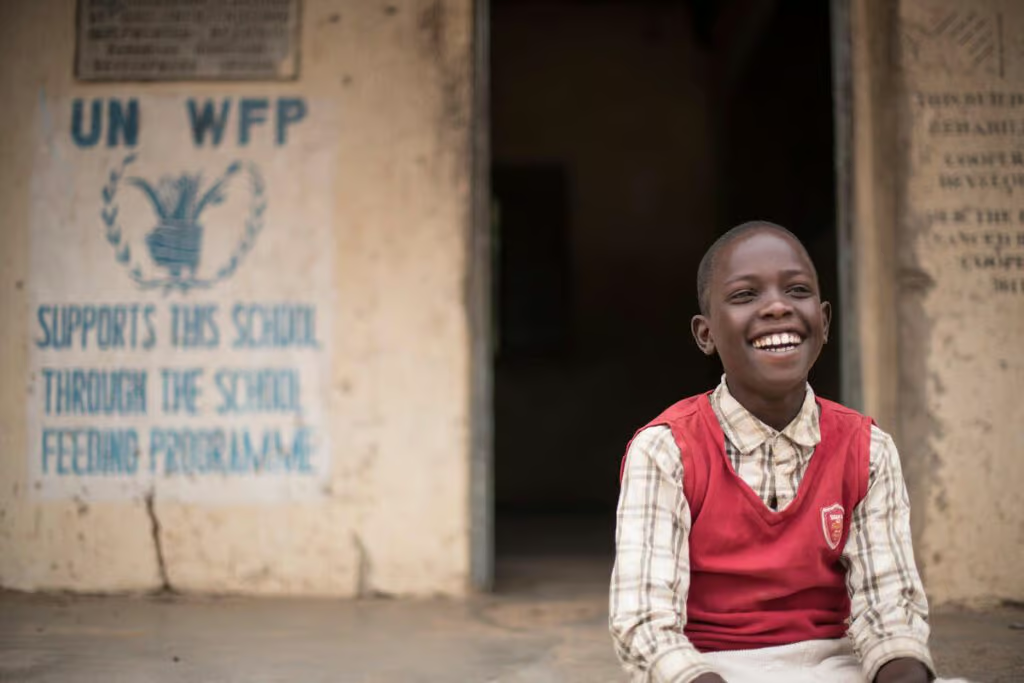
Trust among donors, partners and supporters is key to the success of WFP’s work – being an open book is how we maintain it.
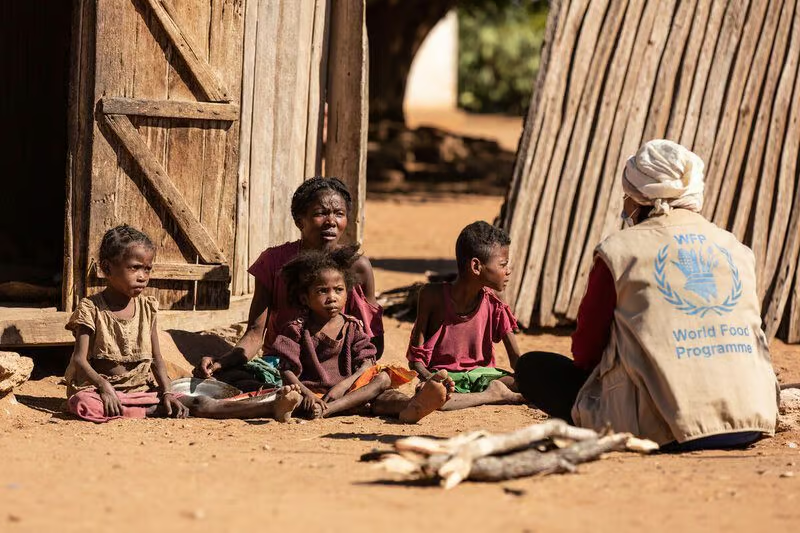
WFP’s Climate and Disaster Risk Reduction Chief Gernot Laganda on the common solution to two great problems: the climate crisis and global hunger.

The climate crisis impacts all parts of the global food system – from production to consumption. COP26 is a critical moment for global powers to meet and urgently tackle the impacts of climate change.

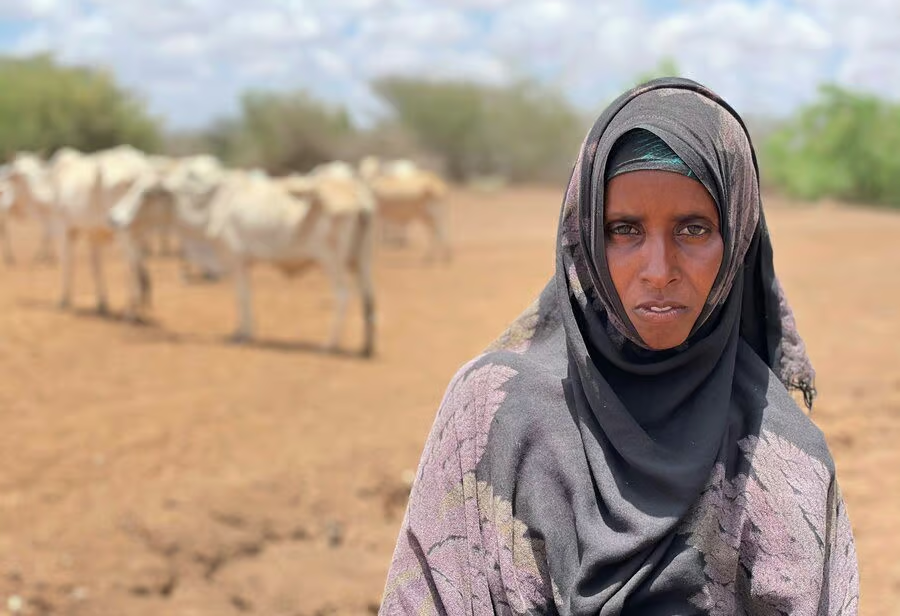
Hundreds of thousands of lives are at risk in southern Madagascar, the only place in the world right now where catastrophic levels of hunger are being driven by climate not conflict.
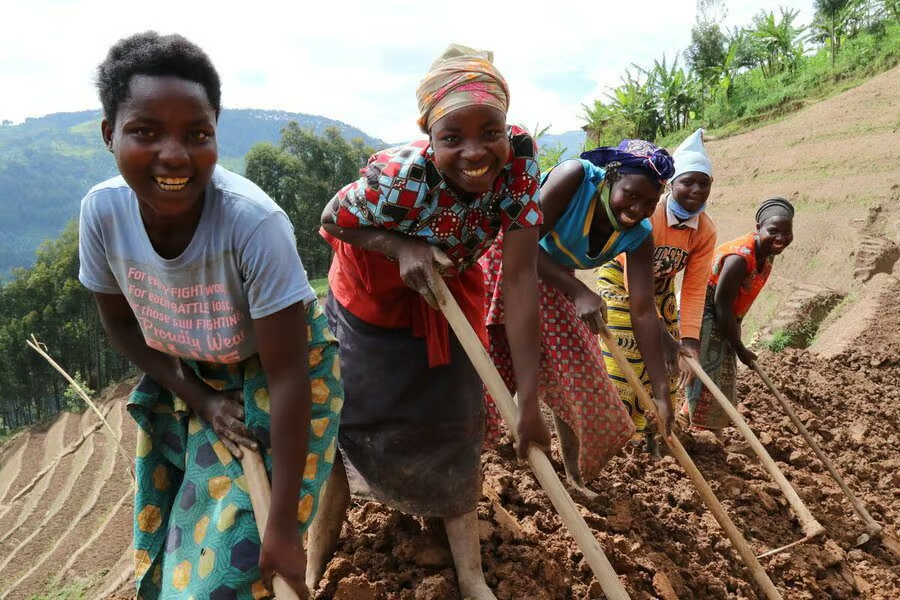
What are food systems and how do they relate to WFP’s work? As the UN Food Systems pre-summit begins in Rome, we’re taking a look at the basics of our food systems.
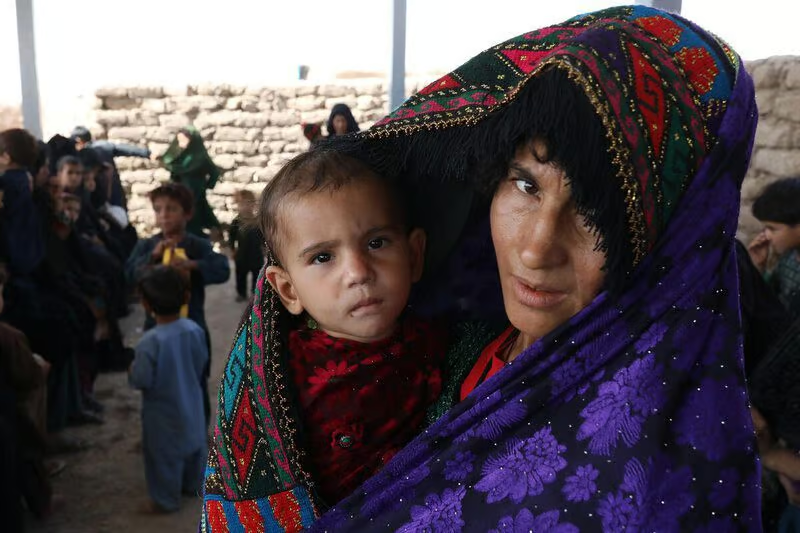
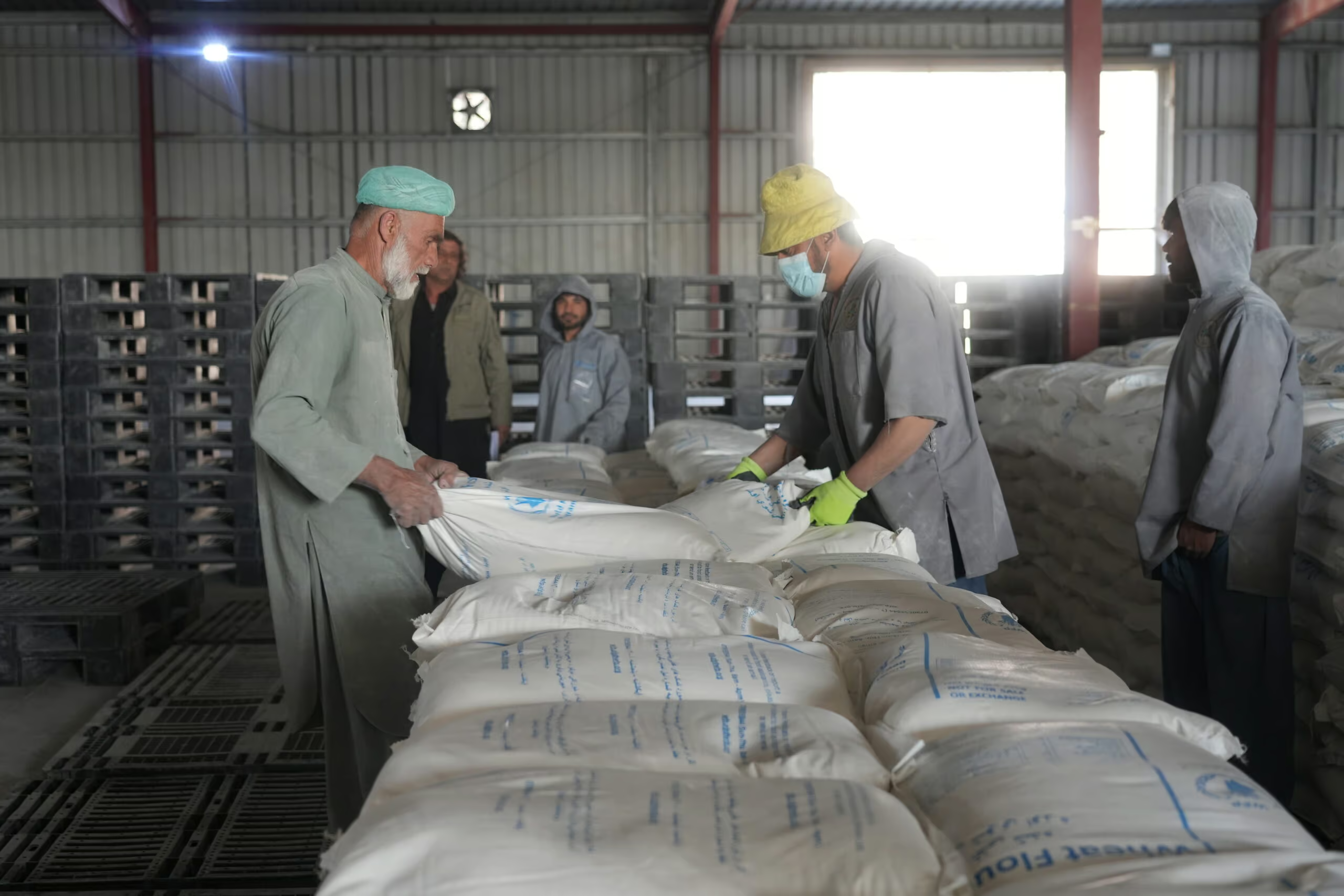
Afghanistan is becoming the world’s largest humanitarian crisis, with needs surpassing those in Ethiopia, South Sudan, Syria and Yemen, according to figures released this week.
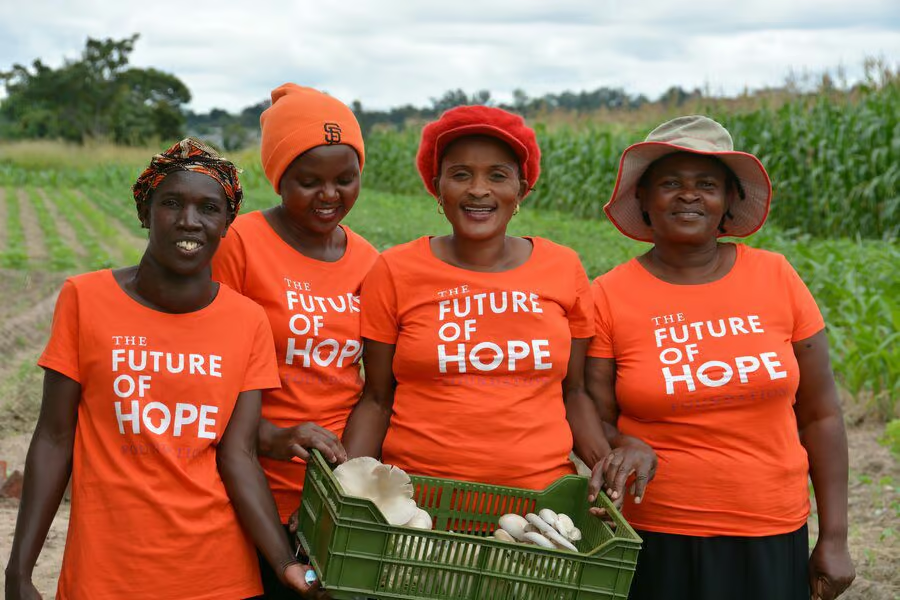
This fall, the United Nations World Food Programme (WFP) Innovation Accelerator hosted its 38th Innovation Bootcamp to build bold ideas for making food systems more resilient, safe, nutritious and inclusive for all.