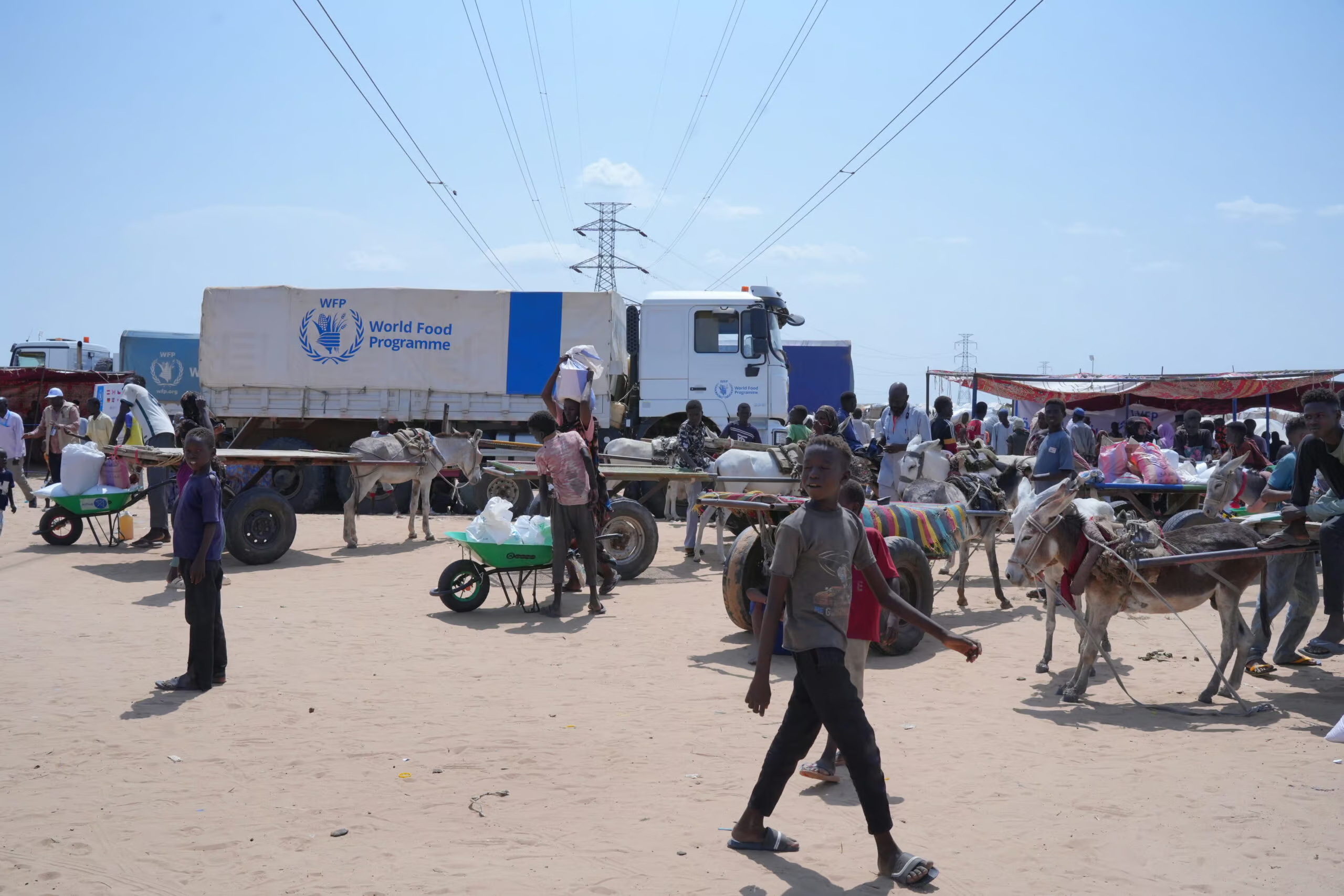
How Food Waste Affects World Hunger
Humans – and our food systems – waste a staggering amount of food. It’s a global mess, and one we need to face head on if we’re going to win the fight against hunger.

Humans – and our food systems – waste a staggering amount of food. It’s a global mess, and one we need to face head on if we’re going to win the fight against hunger.
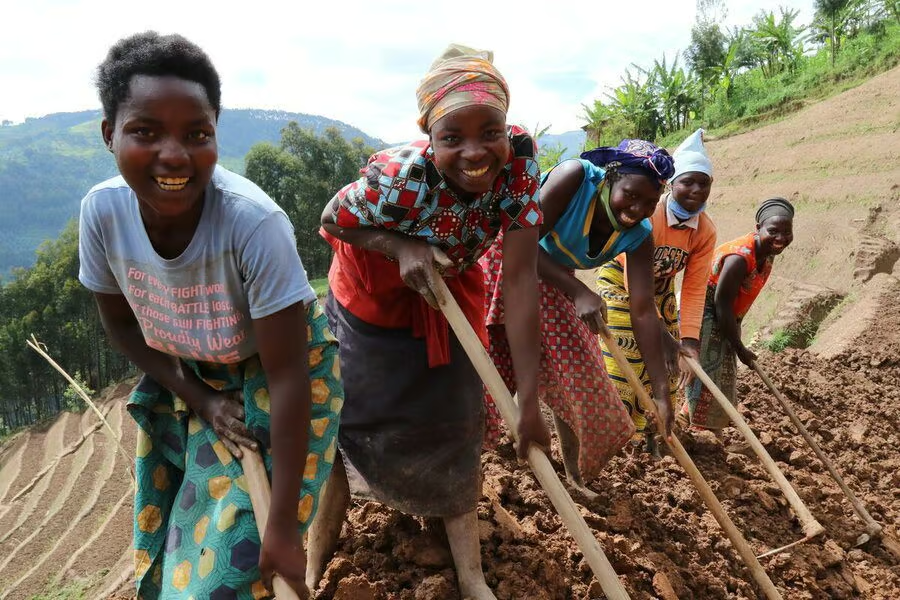
What are food systems and how do they relate to WFP’s work? As the UN Food Systems pre-summit begins in Rome, we’re taking a look at the basics of our food systems.
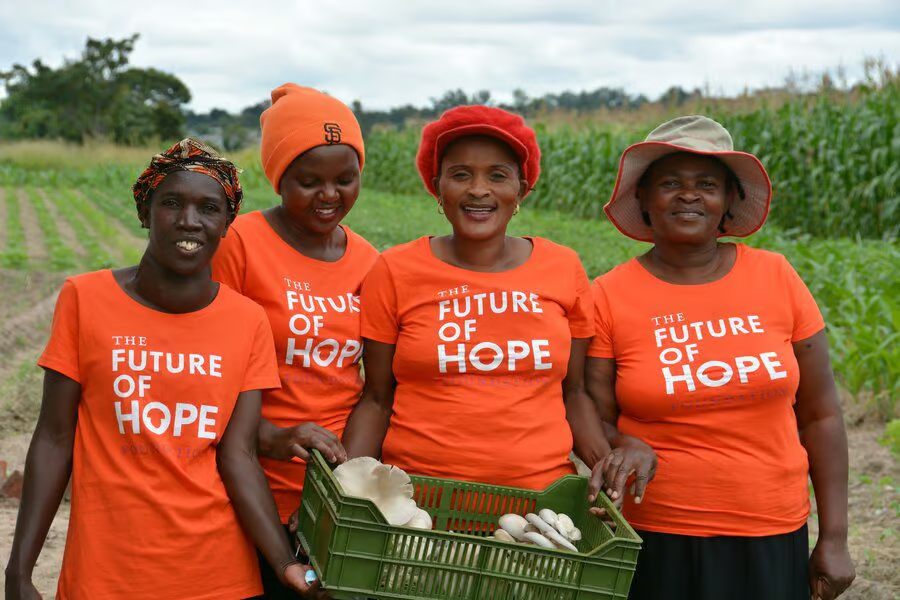
This fall, the United Nations World Food Programme (WFP) Innovation Accelerator hosted its 38th Innovation Bootcamp to build bold ideas for making food systems more resilient, safe, nutritious and inclusive for all.
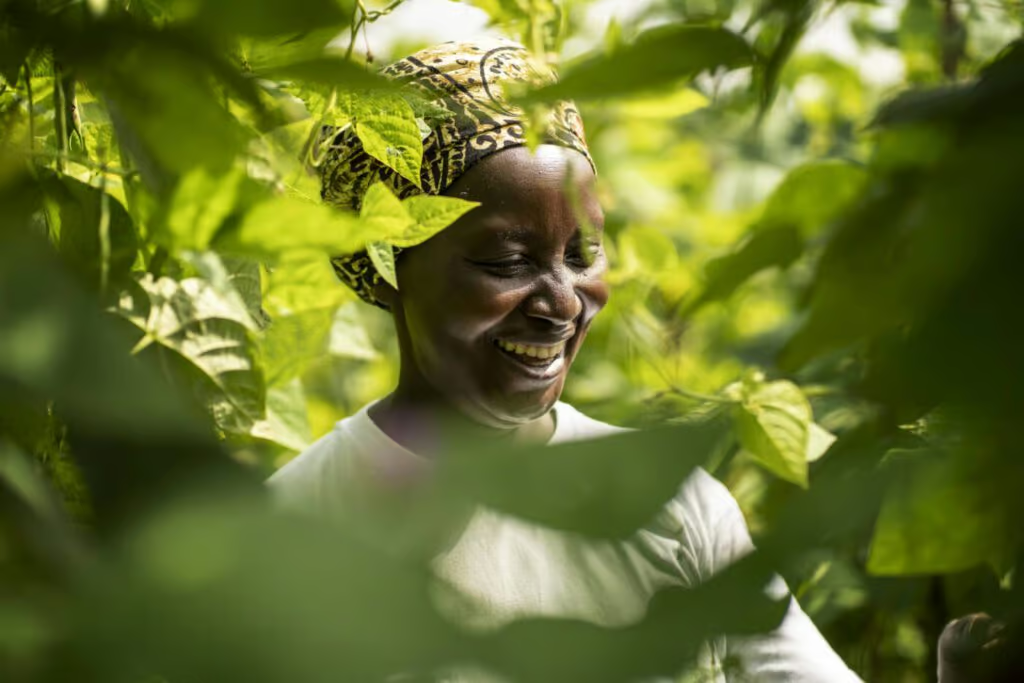
There was a time when Immaculée Mukarusanga relied on farming just to feed her two teenage daughters. Now, thanks to the Farm to Market Alliance, she grows enough beans, corn and potatoes to sell at her local markets and could afford a cow.
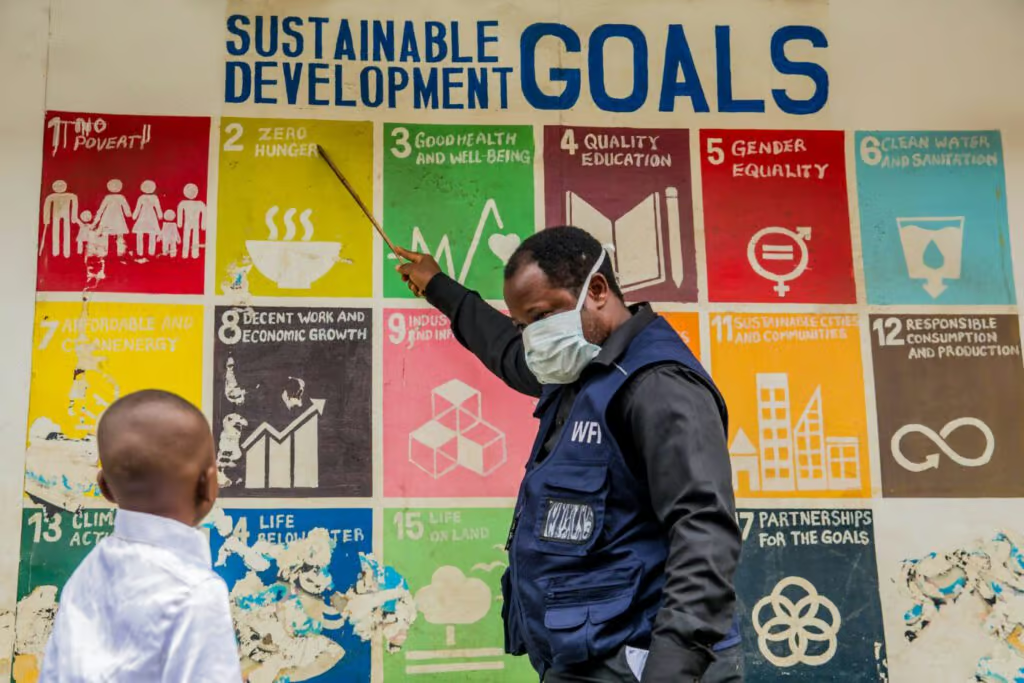
For 60 years, the U.N. World Food Programme has worked on the front lines of the world’s worst crises, doing whatever it takes to deliver lifesaving food.
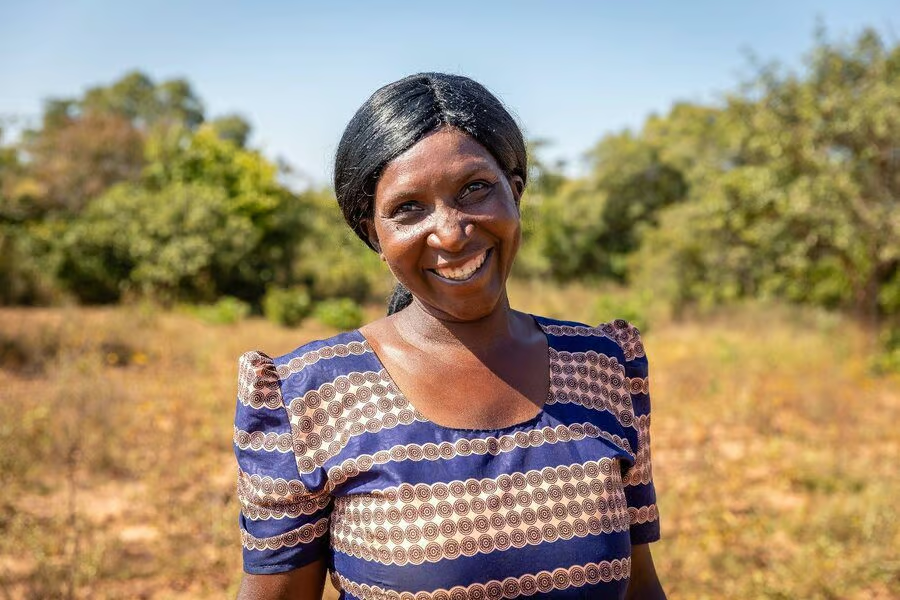
WFP is empowering farmers in Zambia to increase and strengthen their crop yields. With organic fertilizer and new soil techniques, farmers like Mainner are able to grow a variety of drought-tolerant crops.

FAO, IFAD and WFP renewed their commitment to help reform food systems in Iraq, calling for action to tackle water shortages and climate change.
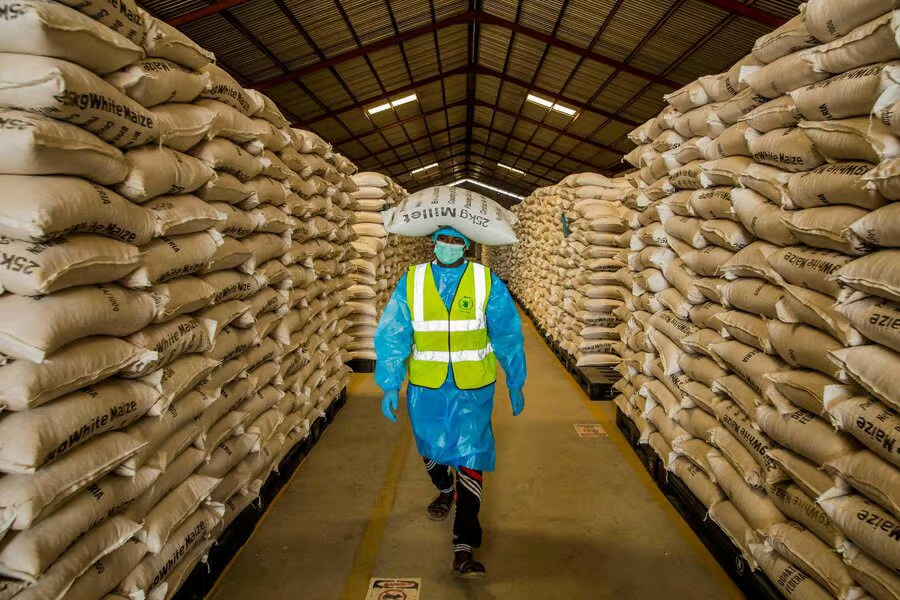
Take a glimpse into how the United Nations World Food Programme (WFP) buys food for over 100 million people.
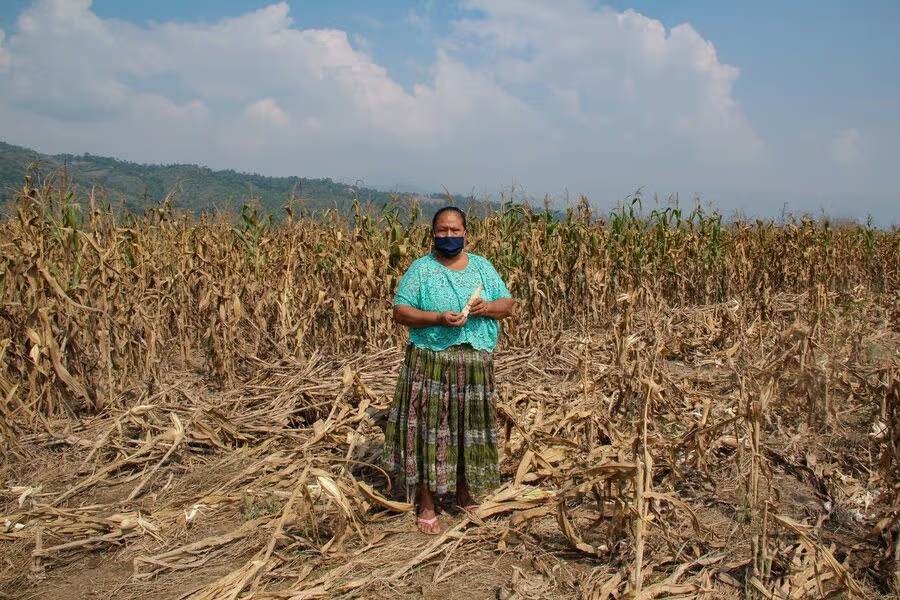
An innovate insurance program in Guatemala, run by WFP in partnership with Aseguradora Rural, enables farmers and entrepreneurs to become more resilient to climate crises and hunger.
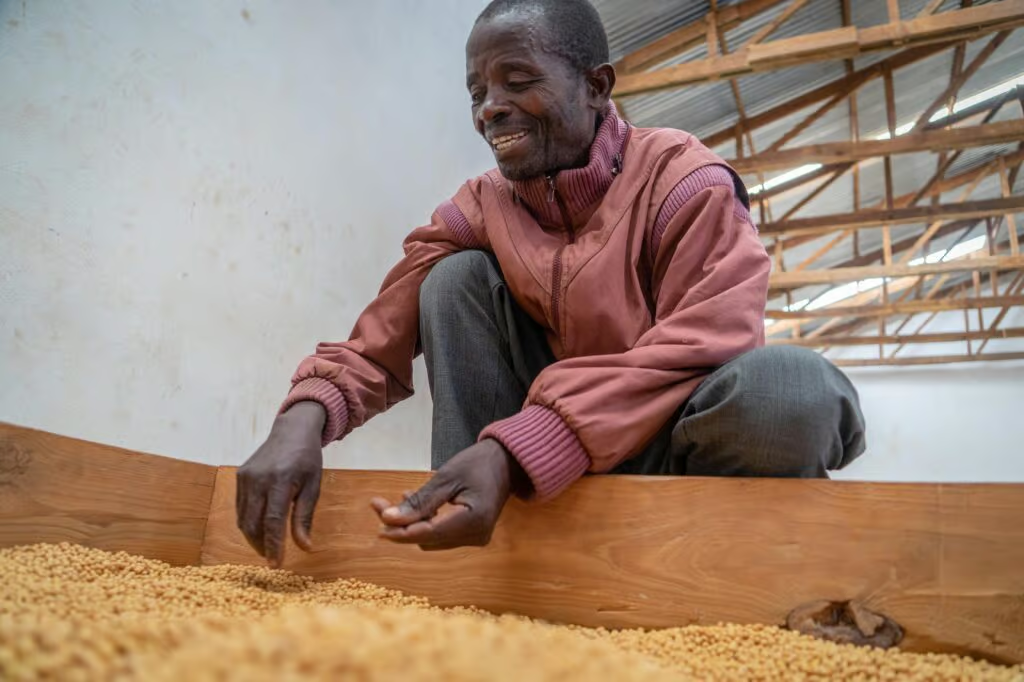
In Malawi, a group of farmers has learned how to fight food waste and turn a profit. The money now pays for things like food, school fees, soap and livestock.