The Price of Safety in Nigeria’s Deadly Conflict
The four walls (and no roof) that Osman and his family call home is a building formerly used as a toilet. It took them four days to clean out. But still, his family is comparatively lucky.

The four walls (and no roof) that Osman and his family call home is a building formerly used as a toilet. It took them four days to clean out. But still, his family is comparatively lucky.

Millions of Haitians have been hit hard by rising prices, a weakening local currency and a drop in agricultural production. One in three are in need of urgent food assistance.

Persistent drought, back-to-back cyclones and flooding have wreaked havoc on harvests in a region overly dependent on rain-fed, small-scale agriculture.
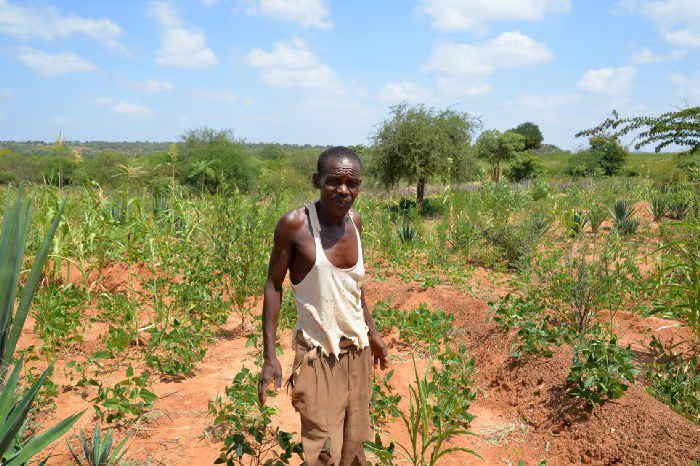
In Kenya, 65-year-old Matei Nziru has an obsession-like devotion to water, storing some gallons that are more than four years old. His tactics hold lessons for other farmers in dry climates.
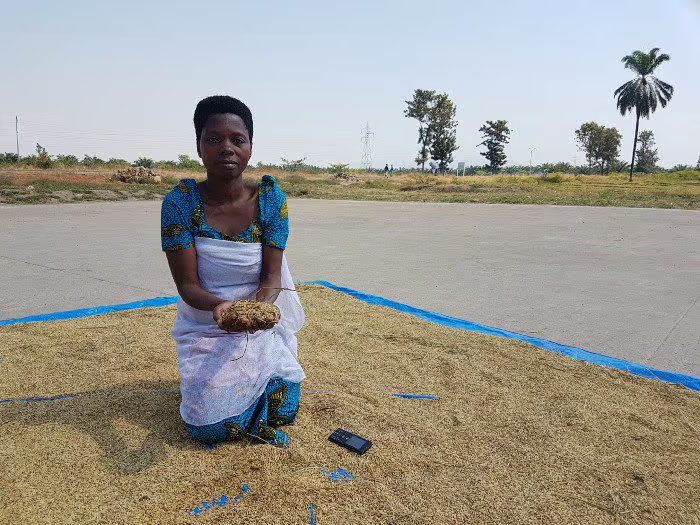
90 percent of Burundi’s population is entirely dependent on agriculture, yet the country doesn’t produce nearly enough food to feed everyone. Cutting food loss can help.

Three-hundred farmers each received eight specially-made, airtight, 110-pound bags to protect their grains from insects, rodents, mold and moisture. The results were astonishing.
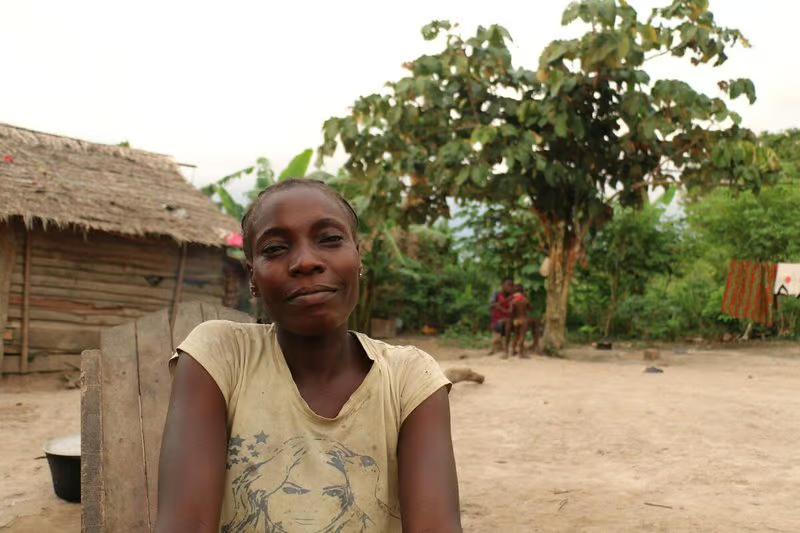
Erratic, extreme rainfall is making the Congo hotter and more exposed to dry spells and violent storms
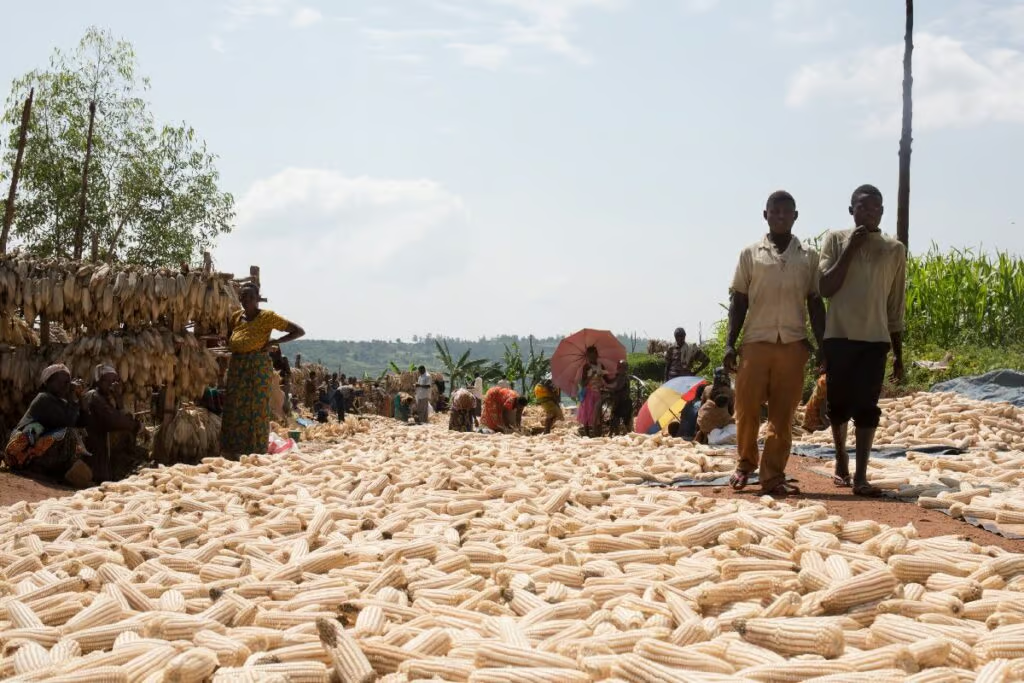
Around 70% of Rwandans work in the agricultural sector, yet they lose vast amounts of their harvest before it ever reaches their plates or markets.
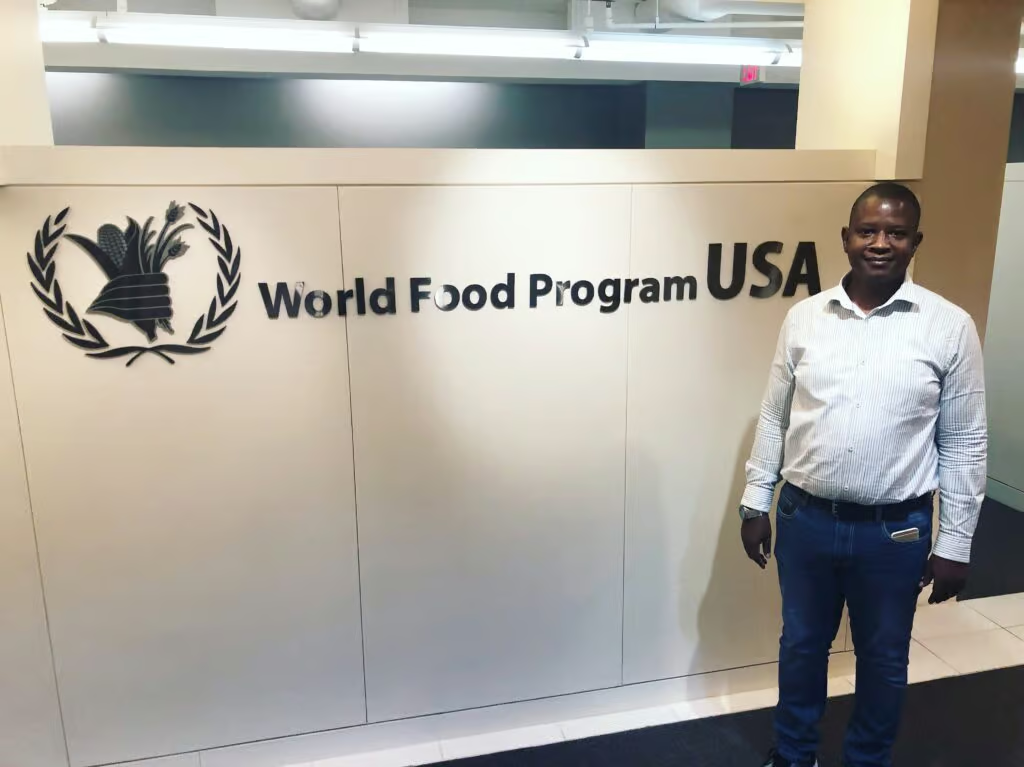
Johnson Kagoye, WFP government partnerships officer in Uganda, is committed to ending hunger by reducing food waste and loss.
Three UN agencies warn that 61% of the population – the highest rate ever – is projected to face crisis levels of food insecurity or worse by the end of July.