Funds for Emergency Food Assistance Run Dry as Millions Face Hunger Season in Zimbabwe
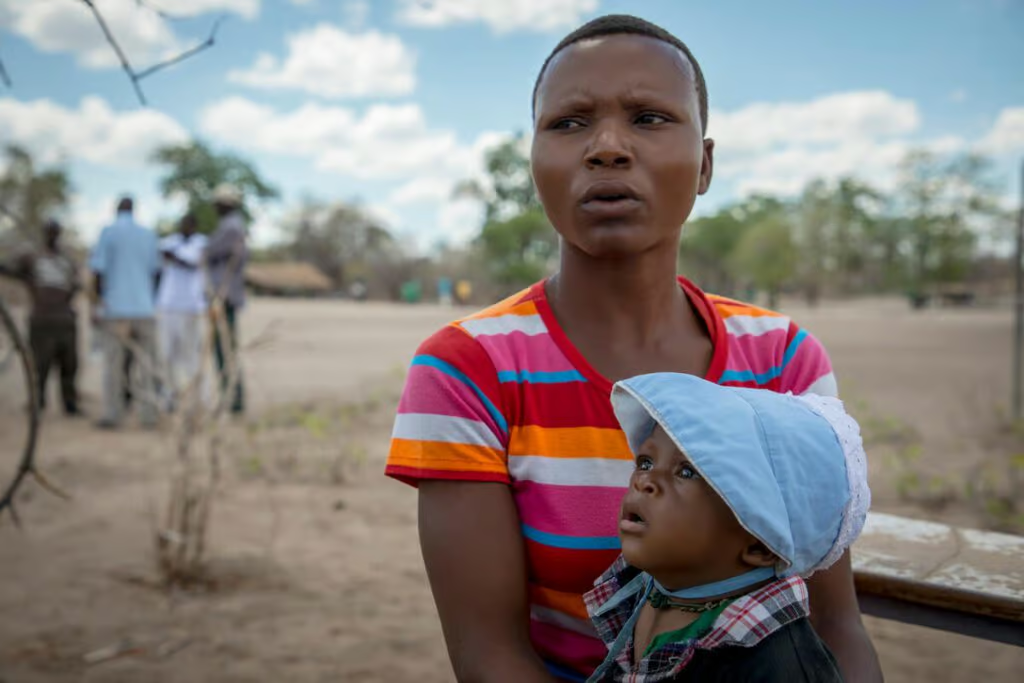
The ‘lean’ season risks pushing some 6.9 million people – nearly half of the country’s population – into hunger by its March peak.

The ‘lean’ season risks pushing some 6.9 million people – nearly half of the country’s population – into hunger by its March peak.

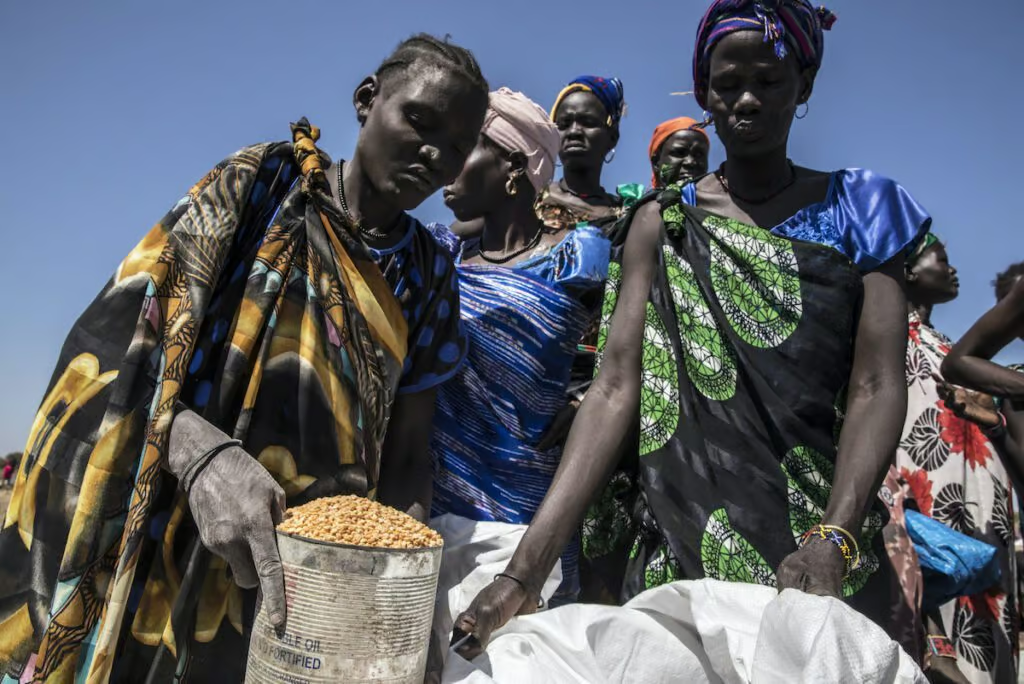
The number of acutely hungry people in the world may increase by more than 100 million this year, and some countries could be headed for famine.

New recipes are changing the way Brazil treats food waste. No longer thrown away, beetroot leaves, carrot tops and pumpkin peels give more nutrients and flavor to dishes.
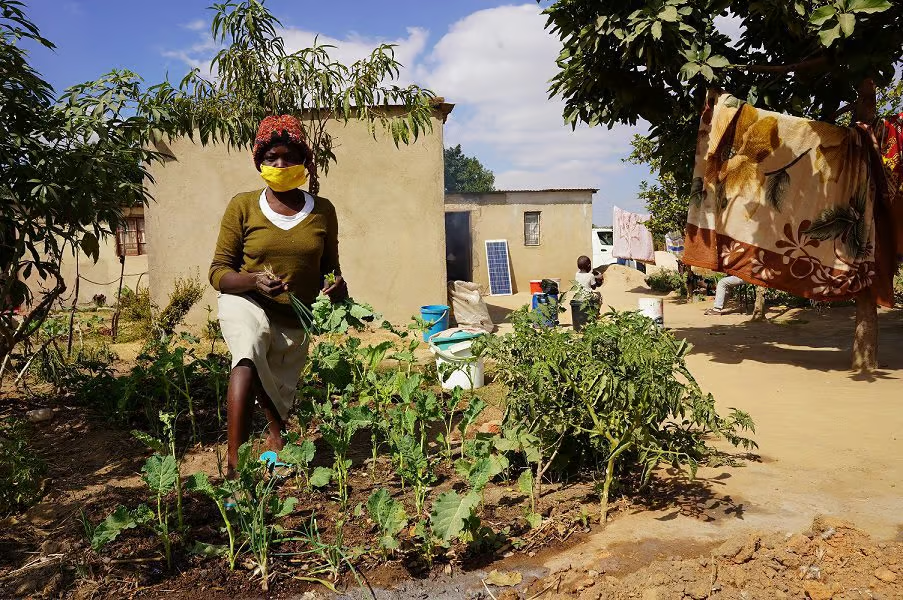
Zimbabwean families are eating less, selling their belongings and going into debt to buy food. Without our help, millions will face increasingly ravaging hunger.
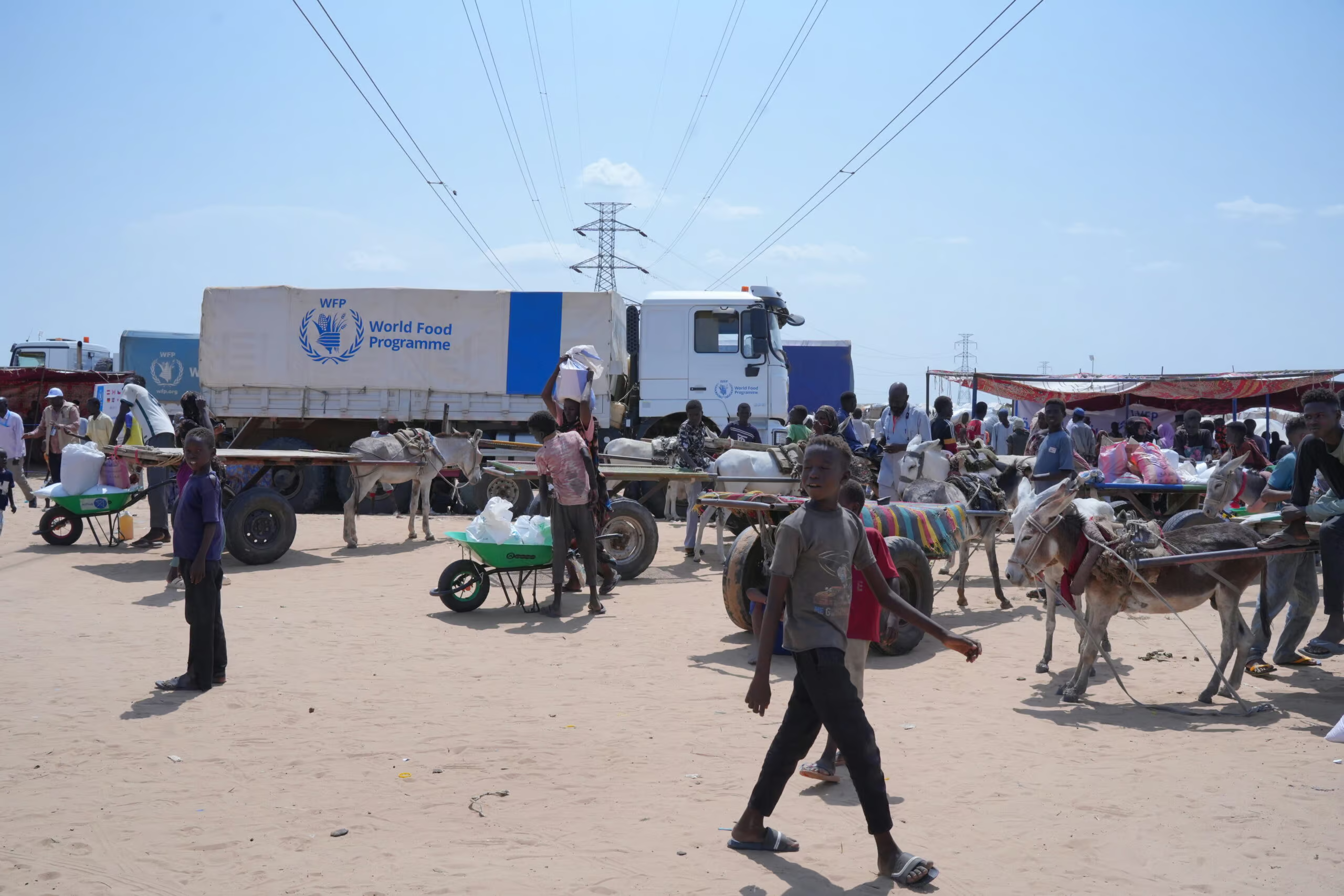
Fighting is keeping farmers from their fields and livestock keepers from their traditional grazing patterns: the violence is causing long term food insecurity across the region.
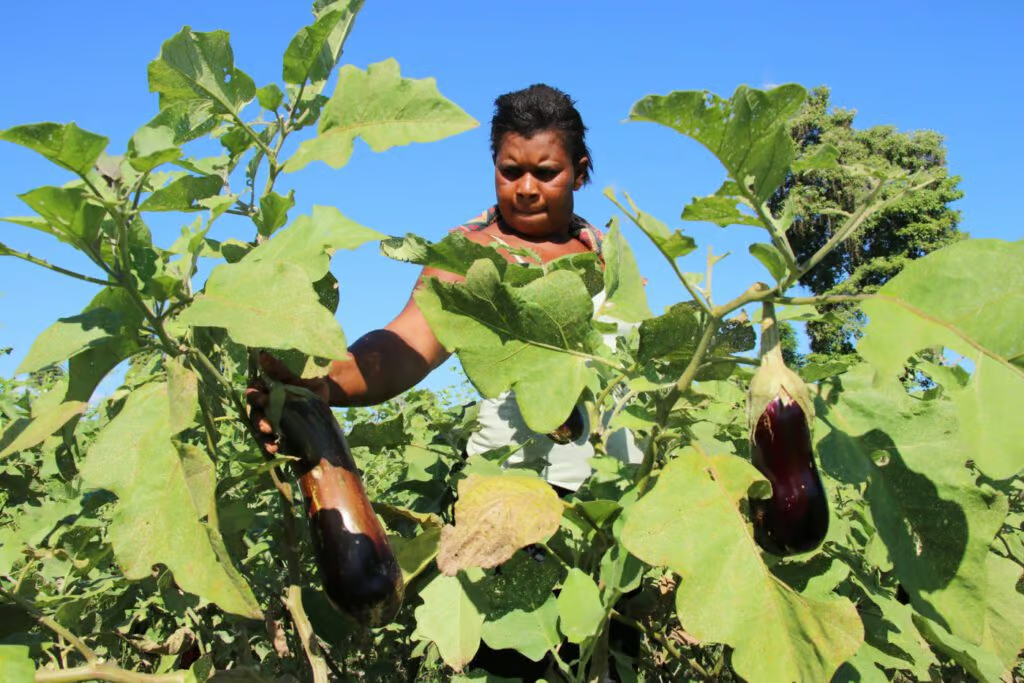
Through the Foundaiton’s COVID-19 Aid Program, it will match donations made on its website with a $100,000 grant in support of WFP.
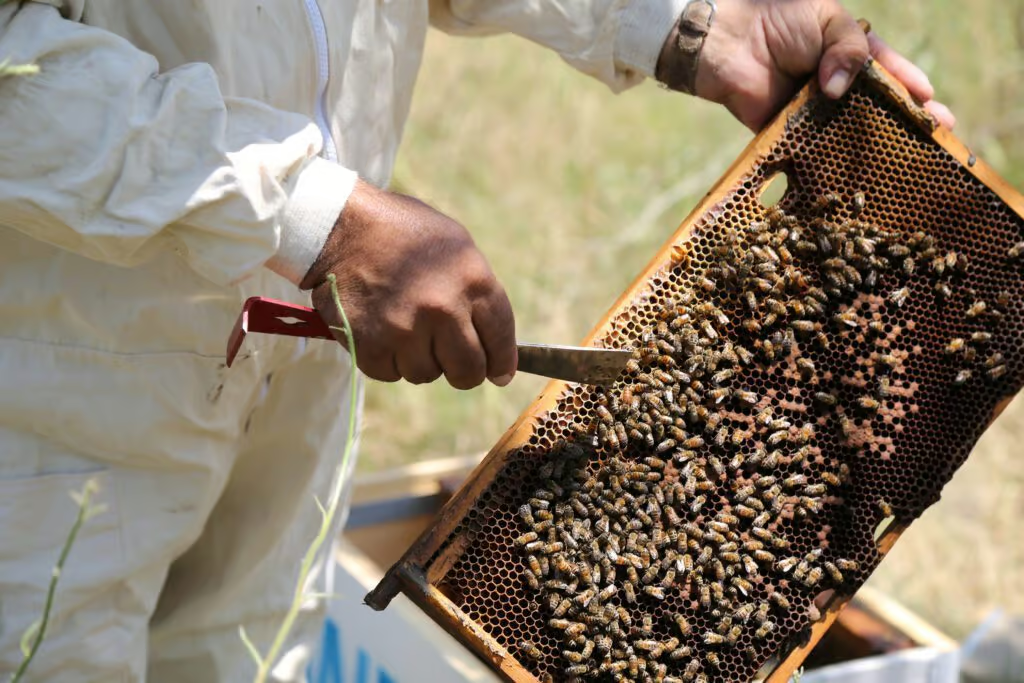
On World Bee Day, we take a look back at the story of one man who lost everything to civil war but found hope in honey.
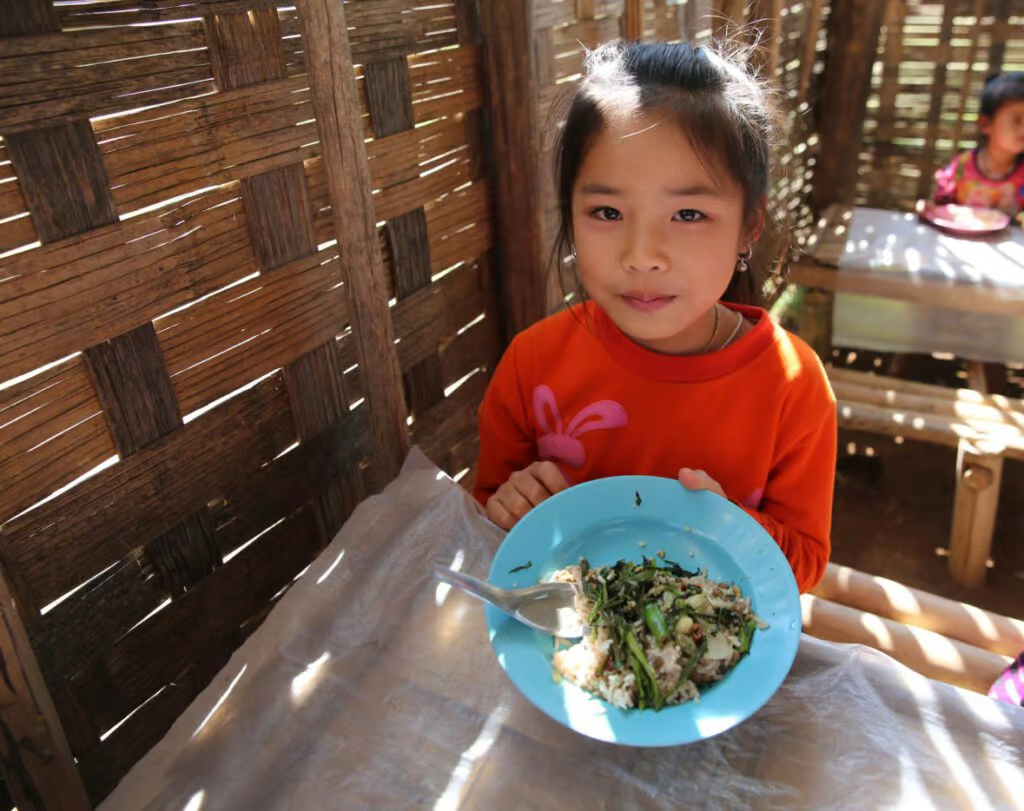
A shipment of rice and lentils has arrived to Laos from the US: the donation will feed kids in Laos once schools reopen in September.

A single mother in Zimbabwe struggles under the threat of coronavirus: her crops are failing, her children are out of school and food is increasingly scarce. Here’s how WFP is helping.
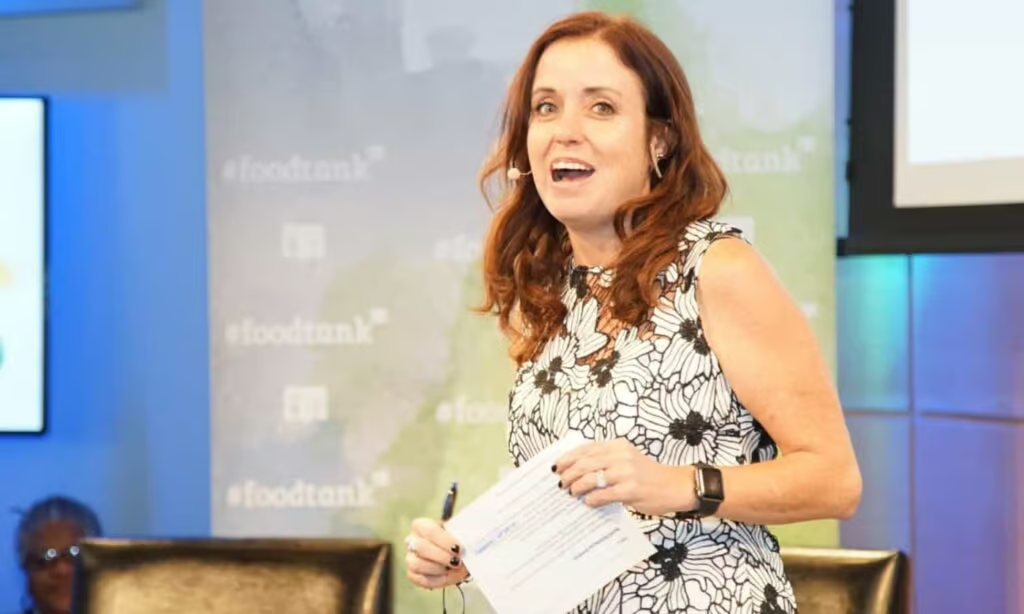
“I don’t think we can go back to business as usual after this.” Danielle Nierenberg, world-renowned expert on food and ag, talked to us about her career and how coronavirus will affect food systems going forward.