How You Can Teach Students About World Hunger: Lesson Plans for the Classroom
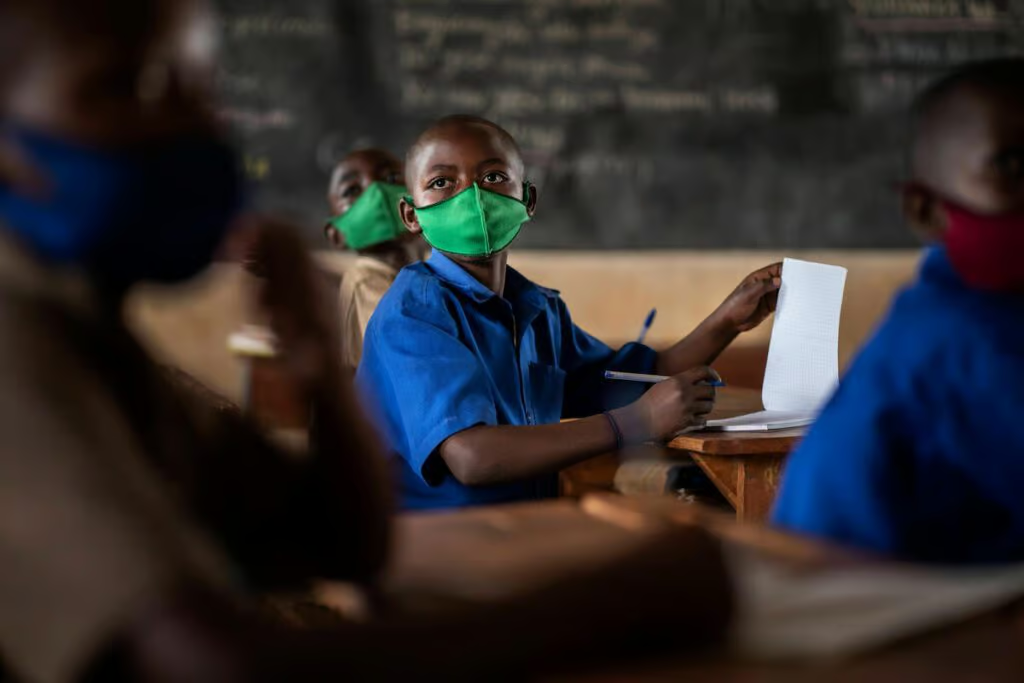
Global hunger is a complex and sometimes overwhelming problem. But, there are some easy ways teachers can help students understand it and become empathetic humanitarians.

Global hunger is a complex and sometimes overwhelming problem. But, there are some easy ways teachers can help students understand it and become empathetic humanitarians.
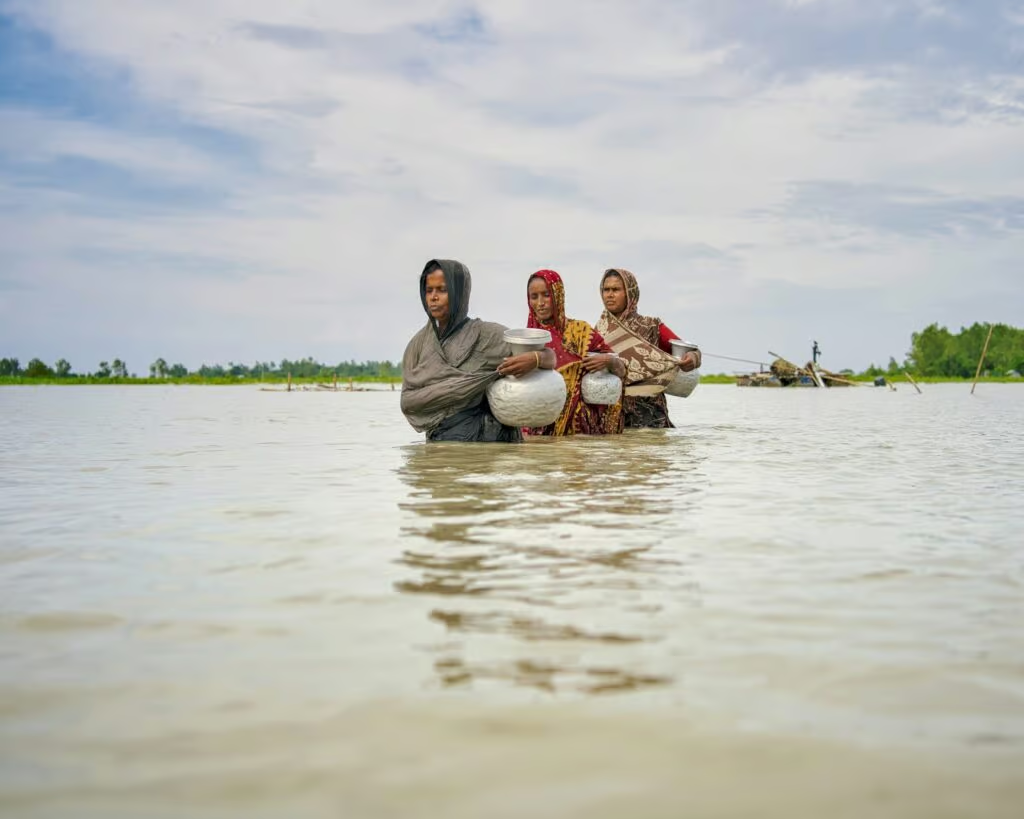
Lost and wasted food might not seem like humanitarian issues, but they are. The way we grow, store, transport, sell and consume our food all contribute directly to the health of our global climate. Here’s how.

Global hunger isn’t about a lack of food. Right now, the world produces enough food to nourish every man, woman and child on the planet.
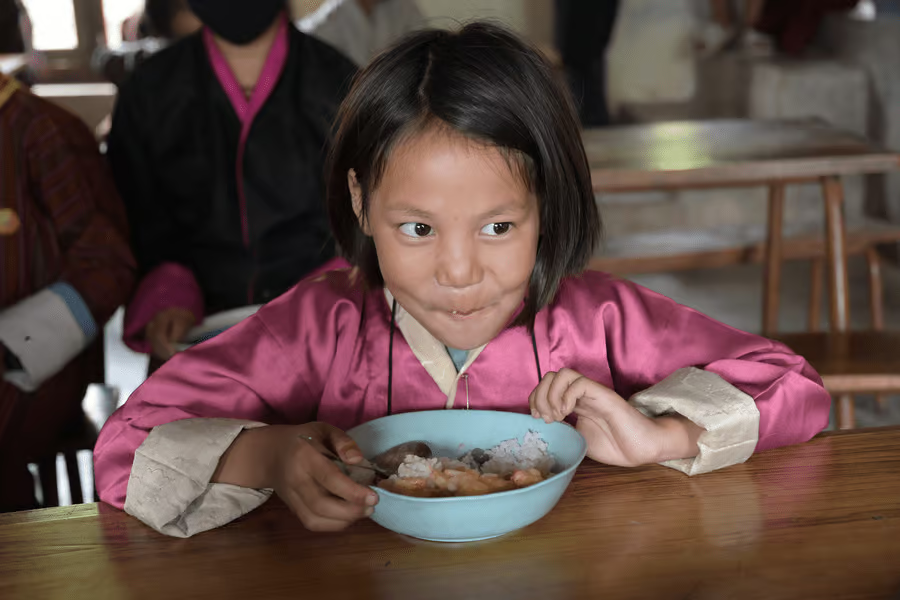
Ahead of the UN Food Systems Summit tomorrow, learn how WFP is working to build more sustainable, inclusive food systems in Bhutan.
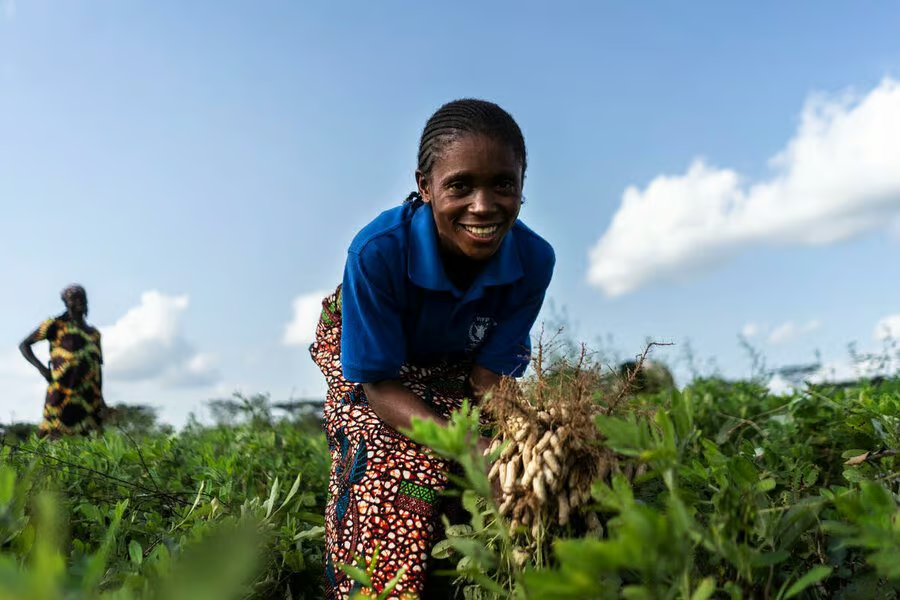
In honor of International Day of Peace, we’re spotlighting a peacebuilding project working to ease tensions and resolve conflict in the world’s largest hunger crisis.
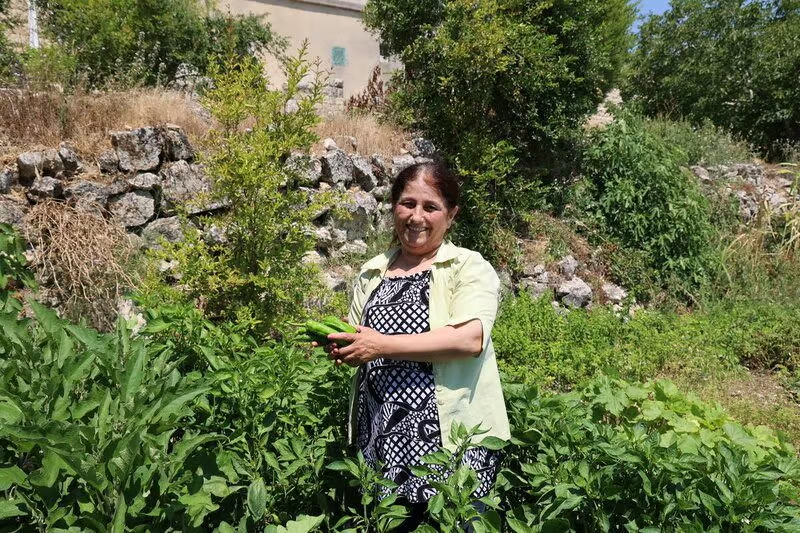
After being friends, neighbors and farmers for years, five women in Tartous, Syria decided to come together and start their own business.
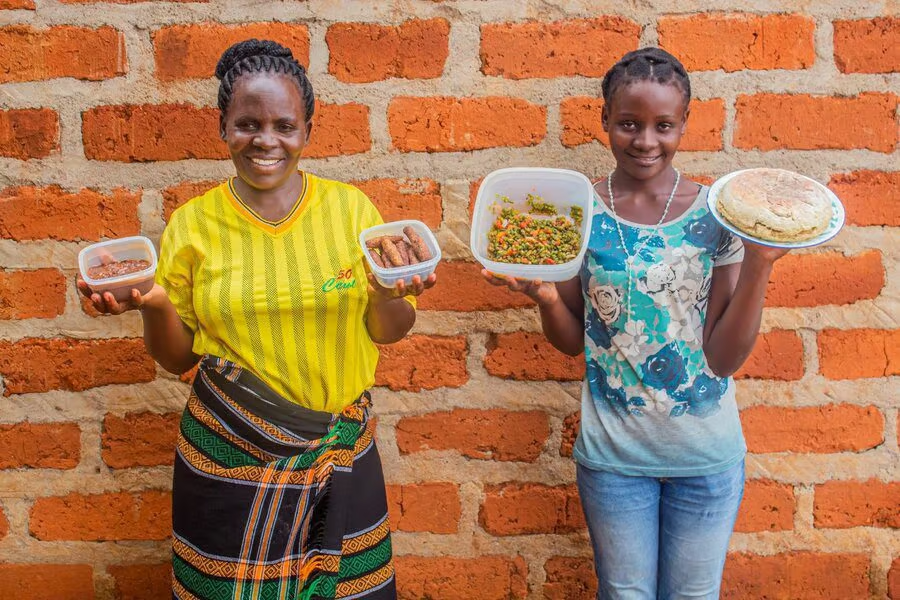
“I’ve not only seen the health of my children improve, but the health of my community. Our children are strong now,” says Emeldah.
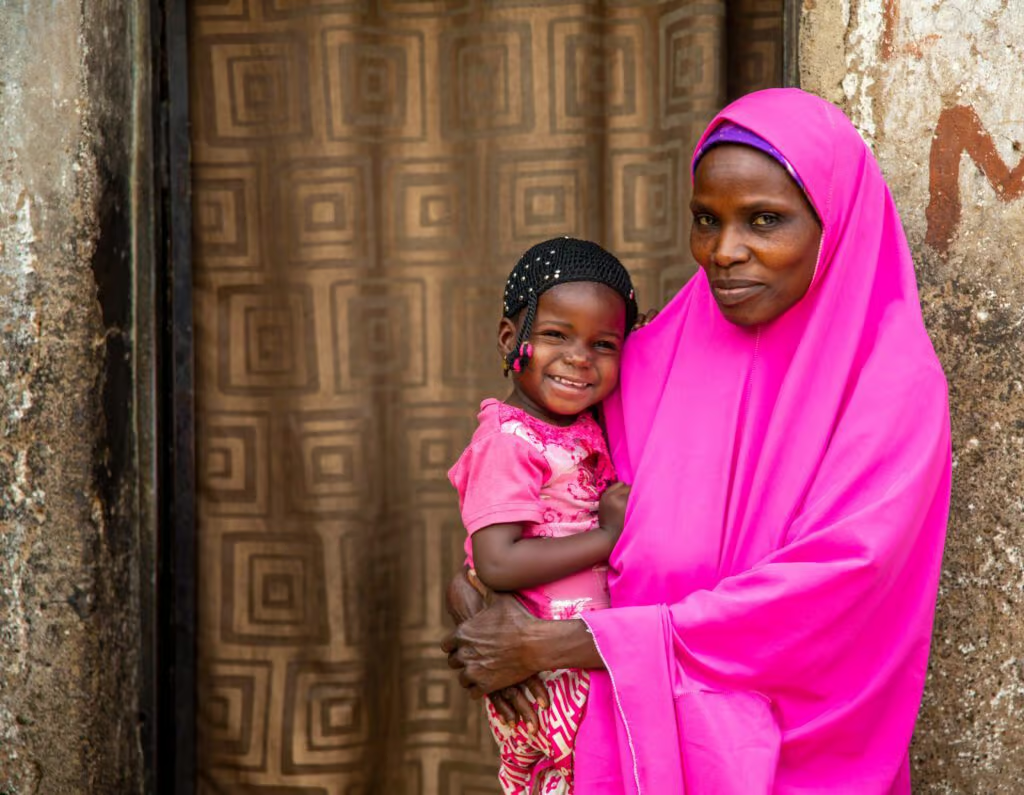
In honor of Grandparents’ Day, here are six stories of grandparents bringing joy, comfort and strength to their families.
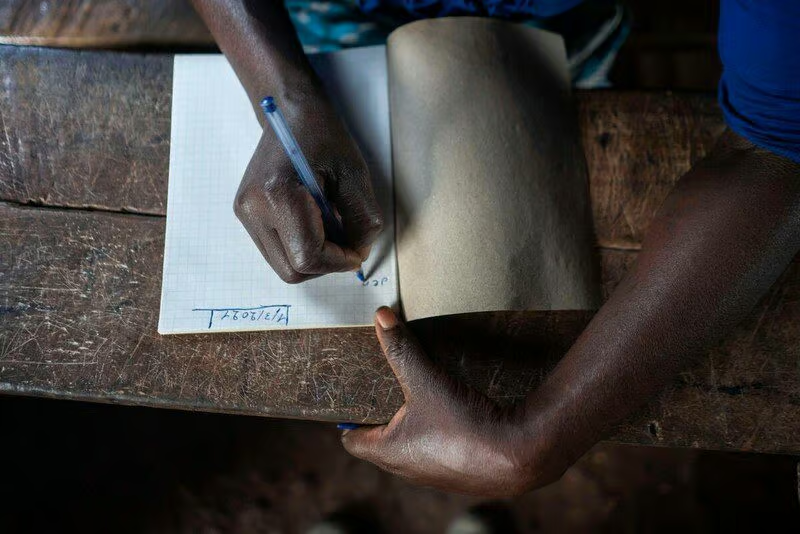
For International Literacy Day, meet Furaha: a farmer in the DRC who created a new life for her family thanks to literacy training through the WFP and FAO.
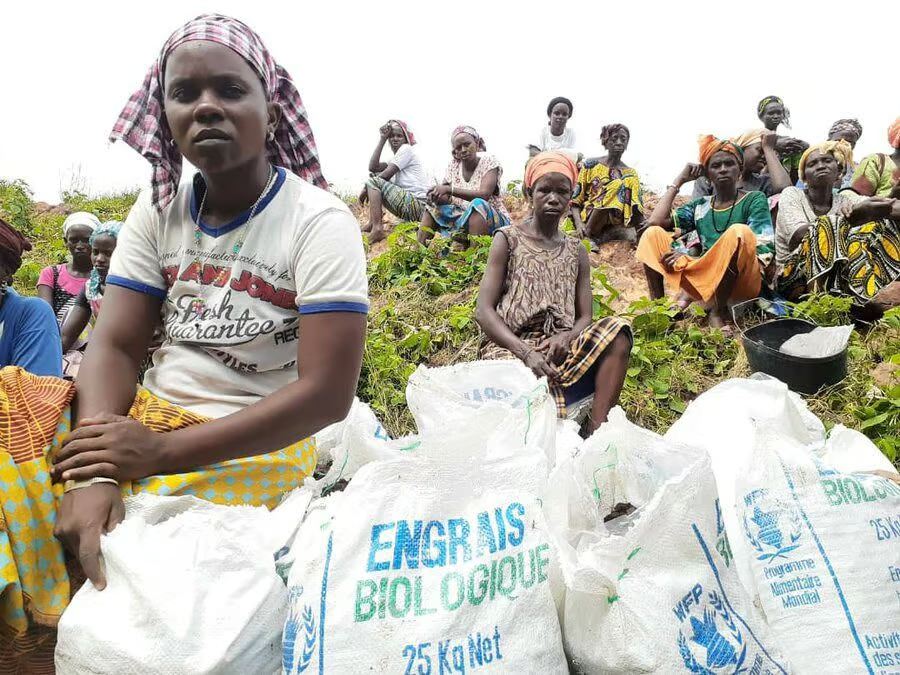
In the south of Senegal, communities are preserving the environment by using WFP biodigesters to convert cow dung into fertilizer and gas.