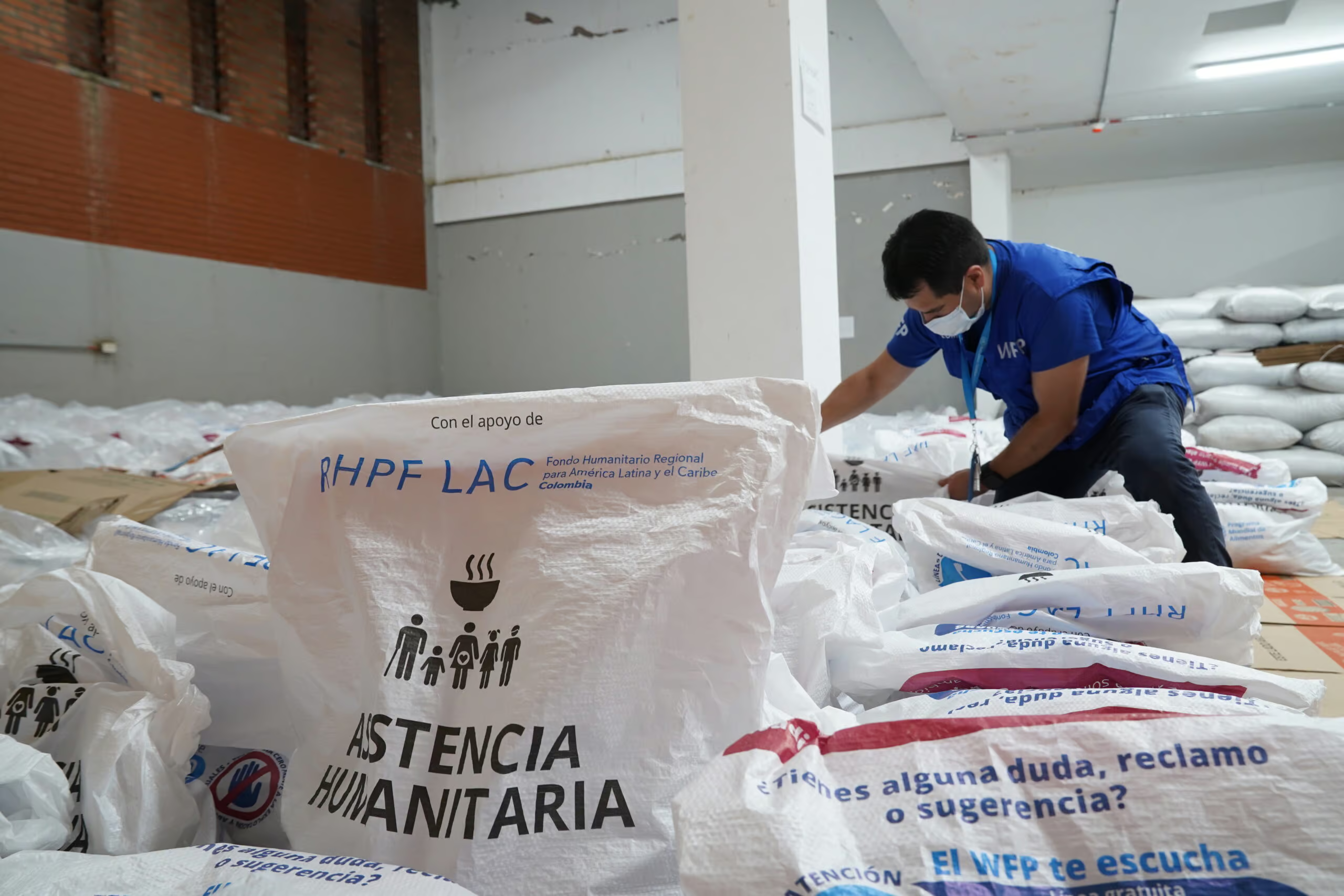
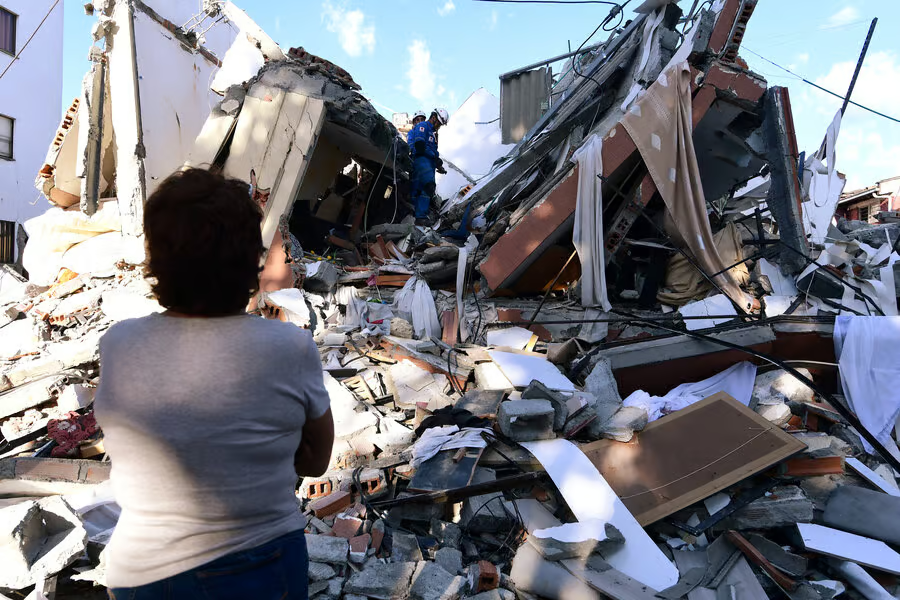
Ahead of World Food Day this weekend, take a glimpse into how the World Food Programme (WFP) buys food for over 100 million people.
Despite the challenges posed by COVID-19, WFP is currently feeding up to 120 million people in some of the hardest-to-reach, most insecure locations in the world. Read on to see what it takes to produce and move food into the hands of the hungry.
1. First, Make a Shopping List
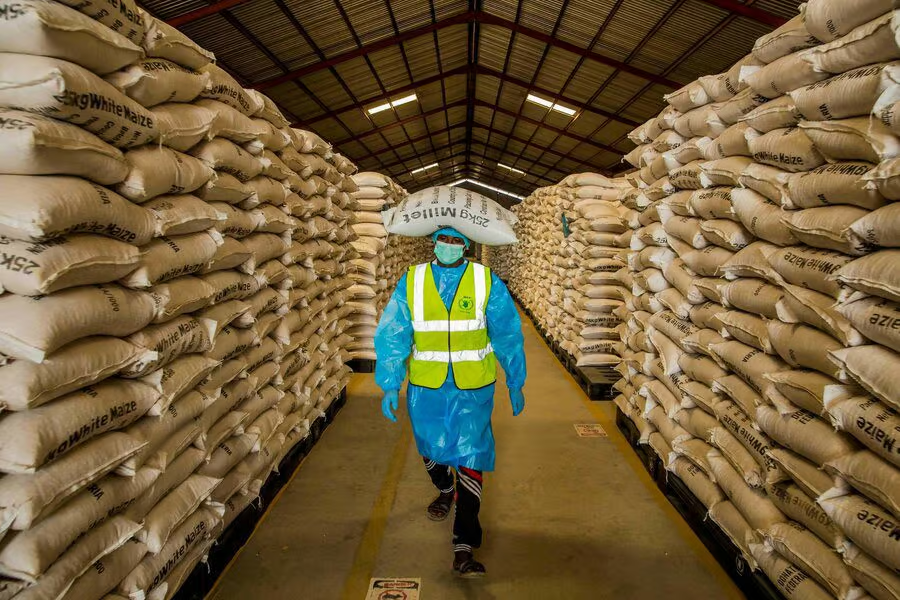
WFP figures out how many people it needs to assist in a given country. From there, the agency works out how best to help them and tailors a specific plan. It’s a bit like your weekly shopping but on a much bigger scale.
2. Planning Ahead
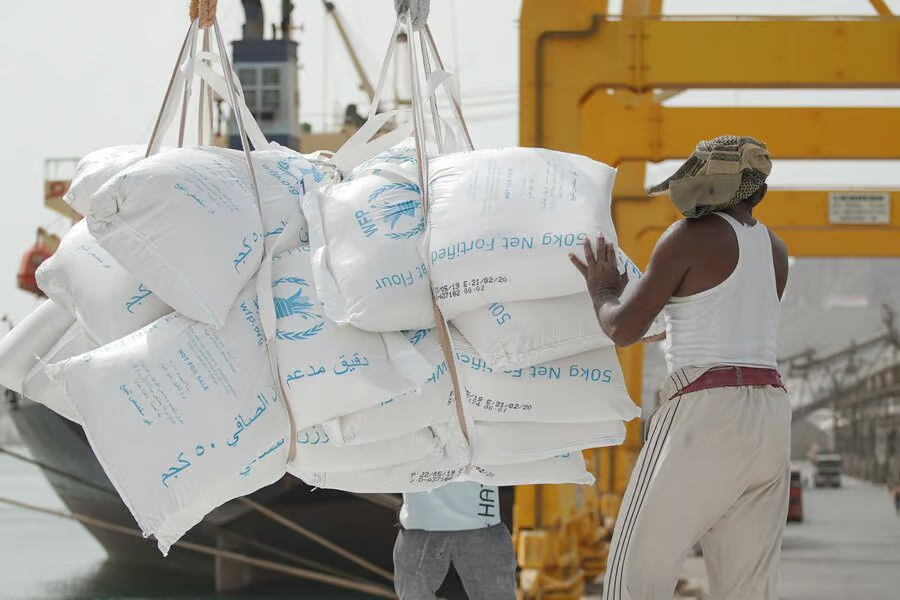
A planning process is underway in every country that WFP provides food assistance in, with plans drawn up for months ahead. From there, WFP’s Procurement and Logistics staff can begin to plan how to buy and deliver the food needed.
3. Where to Buy
Food prices vary every day, so WFP needs to keep abreast of what’s happening in markets around the world to make the best decision using the most up-to-date information. WFP buys different commodities in over 80 countries from local, regional or international markets.

4. Let the Bidding Begin
WFP procures most of its required food through competitive bidding. Each commodity has a supplier roster with dozens of vetted vendors. For each purchase, the agency contacts suppliers on the list asking for quotations and evaluates offers.
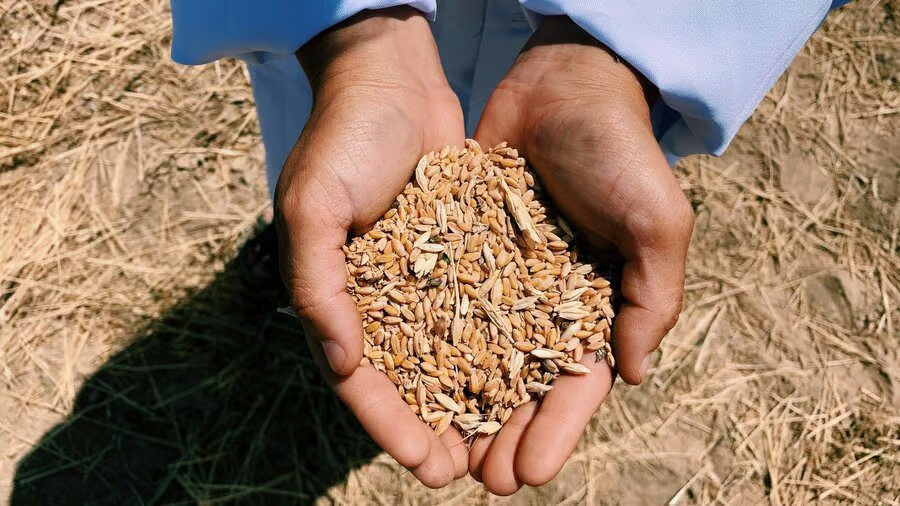
5. Make Your Best Offer
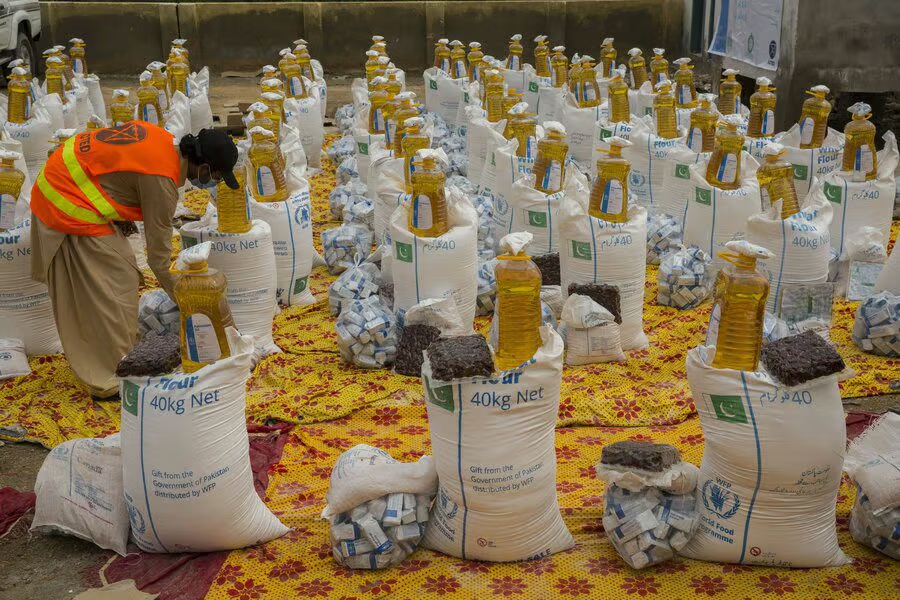
Today, WFP uses online systems, from global price comparisons to proposal platforms, to buy food more efficiently than ever before. After offers are received, it gets simpler. It’s like picking between different brands of a product when you shop yourself. A contract is awarded to the bidder offering the lowest price for the best quality. The supplier then hands the food over to WFP for it to begin its journey to people in need.
The theme for this year’s World Food Day is: “Better production, better nutrition, a better environment and a better life.” By sourcing food locally and working hand-in-hand with small-scale farmers, WFP builds food security and boosts access to healthy diets every day. To learn more about sustainable food systems, visit our Food Waste & Food Loss hub.
This story originally appeared on WFP’s Stories on October 16, 2020.