Food Waste vs. Food Loss: Know the Difference and Help #StopTheWaste Today
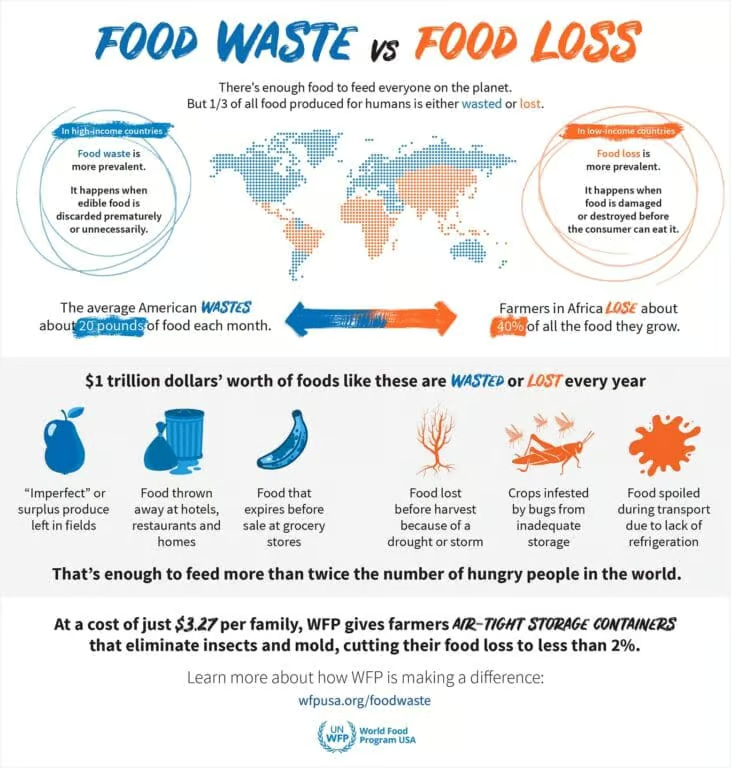
Global hunger isn’t about a lack of food. There’s enough to feed all of us. Unfortunately, one third of all the food produced for humans never actually gets eaten.

Global hunger isn’t about a lack of food. There’s enough to feed all of us. Unfortunately, one third of all the food produced for humans never actually gets eaten.

Women and girls make up half of our global community – It’s time they were included in leadership positions at every level and integrated in all spheres and stages of pandemic response and recovery.

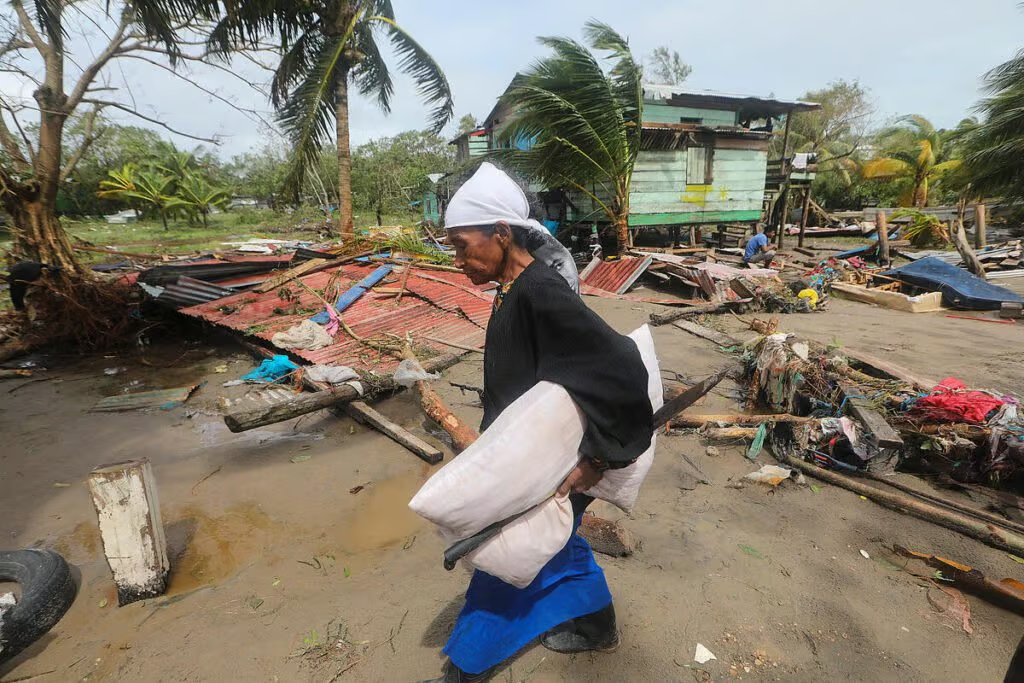
In the weeks after the strongest storm to ever hit the country, WFP’s emergency assistance kick-started the recovery of 1.8 million people. But many others, who are still struggling today, face a bleak and uncertain future.

One of the bitter realities of our work is that women and girls are more likely than men and boys to suffer from hunger. So everywhere we work, closing the hunger gender gap is one of our biggest priorities.

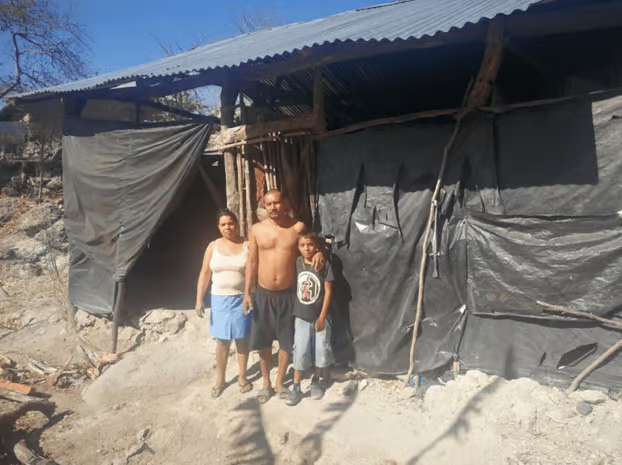
Communities in Central America have hit rock bottom: Many now have nowhere to live and are staying in temporary shelters, surviving on next to nothing.

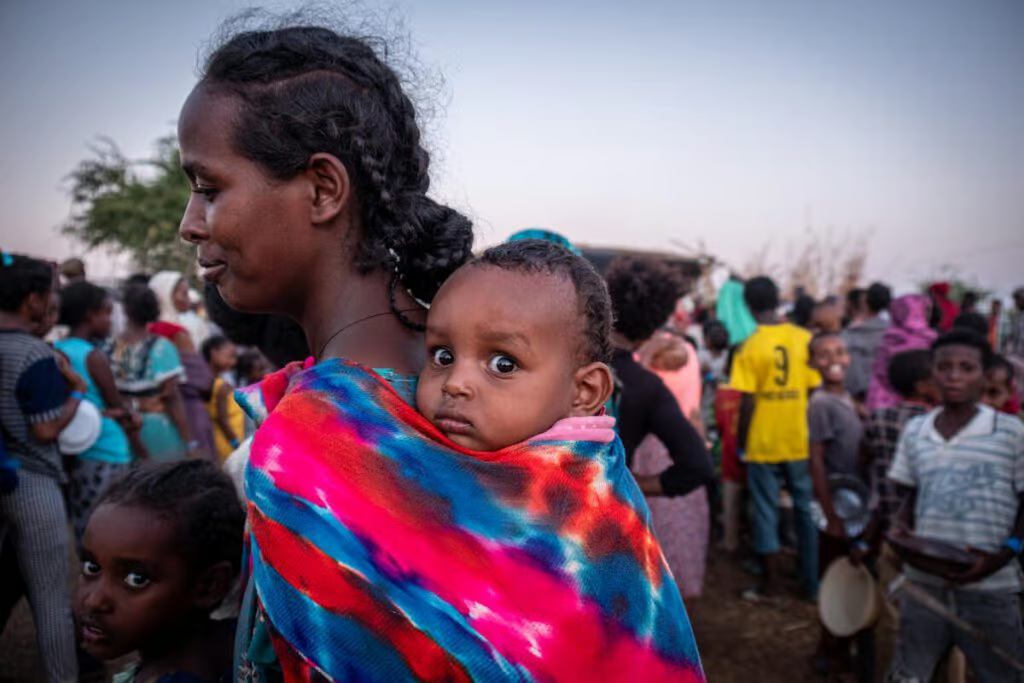
The ‘lean’ season risks pushing some 6.9 million people – nearly half of the country’s population – into hunger by its March peak.

The number of acutely hungry people in the world may increase by more than 100 million this year, and some countries could be headed for famine.

New recipes are changing the way Brazil treats food waste. No longer thrown away, beetroot leaves, carrot tops and pumpkin peels give more nutrients and flavor to dishes.

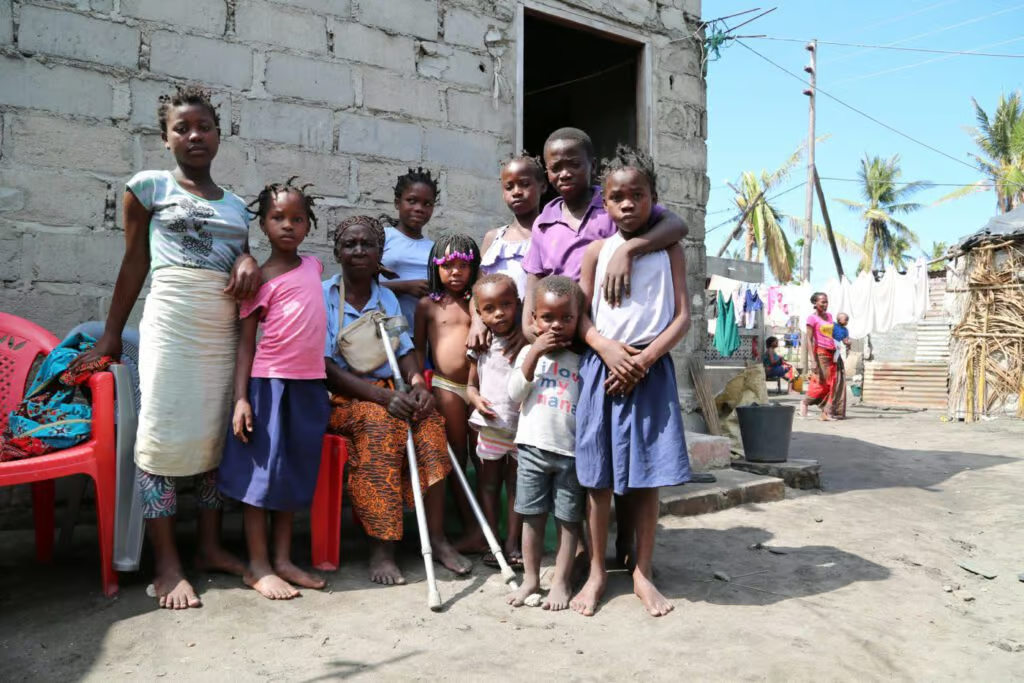
Zimbabwean families are eating less, selling their belongings and going into debt to buy food. Without our help, millions will face increasingly ravaging hunger.

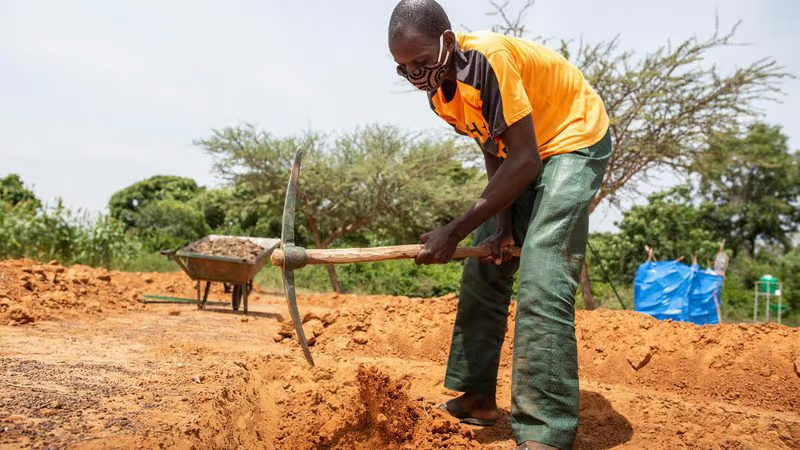
Fighting is keeping farmers from their fields and livestock keepers from their traditional grazing patterns: the violence is causing long term food insecurity across the region.