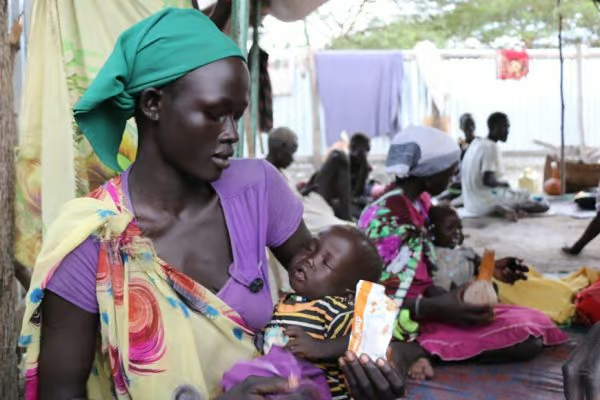
Record Number of People Facing Critical Lack of Food in South Sudan
Three UN agencies warn that 61% of the population – the highest rate ever – is projected to face crisis levels of food insecurity or worse by the end of July.

Three UN agencies warn that 61% of the population – the highest rate ever – is projected to face crisis levels of food insecurity or worse by the end of July.

At a time when 1 in 9 people go to bed hungry every day while obesity is on the rise, the United Nations has challenged the world to cut global food waste in half by 2030.
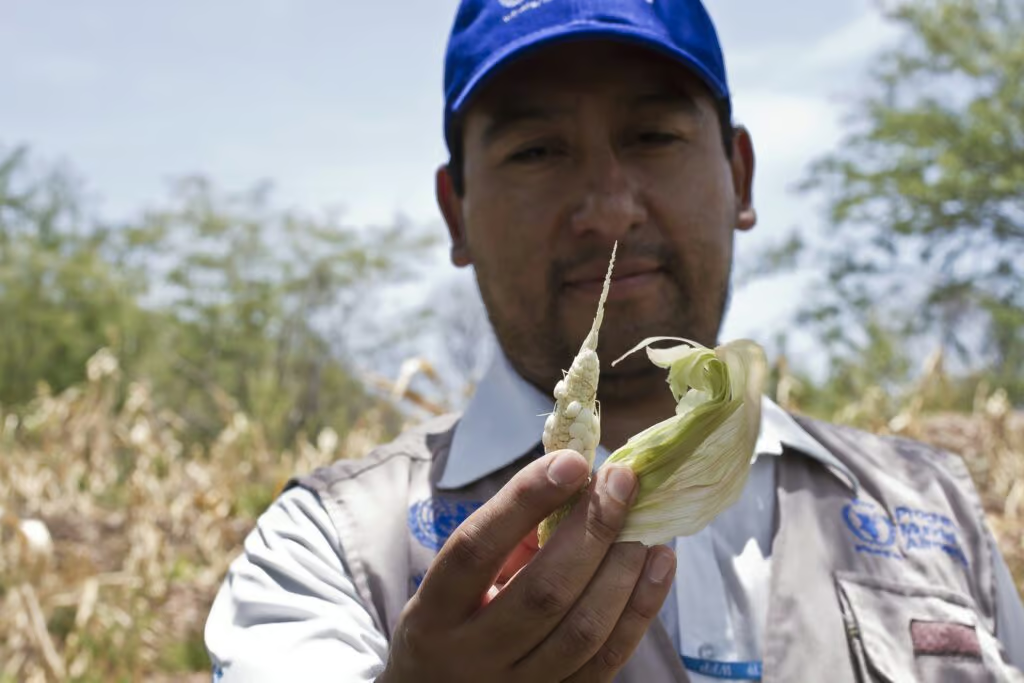
Prolonged droughts followed by heavy rain have destroyed more than half of the corn and bean crops that subsistence farmers rely on to survive.
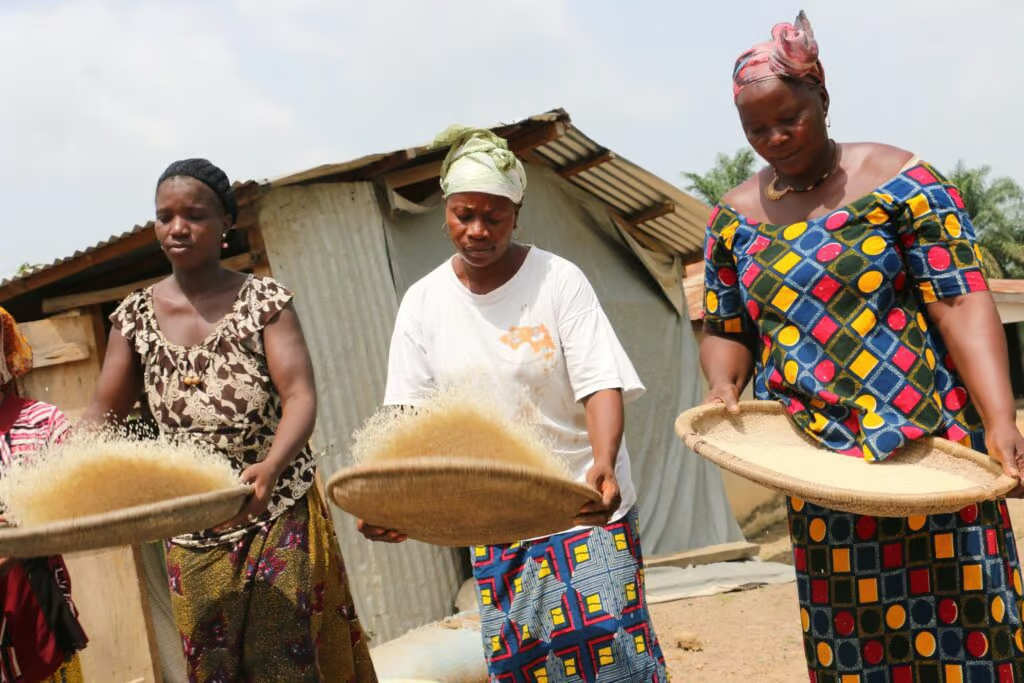
We need “a systemwide transformation” in the way we live, work, govern and grow our food. It’s no small task.

90% of the Burundian population depends on agriculture for their survival. Their daily diet —for both children and adults — consists mainly of cassava leaves and Irish potatoes.
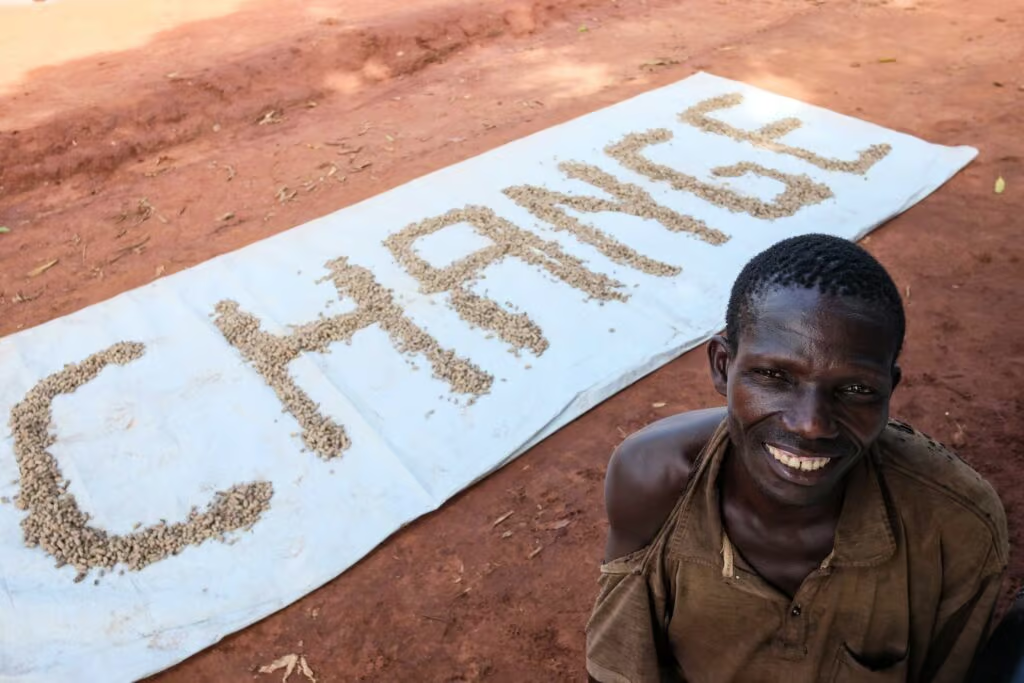
Chase Sova, WFP USA sr. director of public policy, imagines what food production will look like in the 22nd century.

A look at what 2018 meant for the World Food Programme (WFP) and the millions of people it serves.
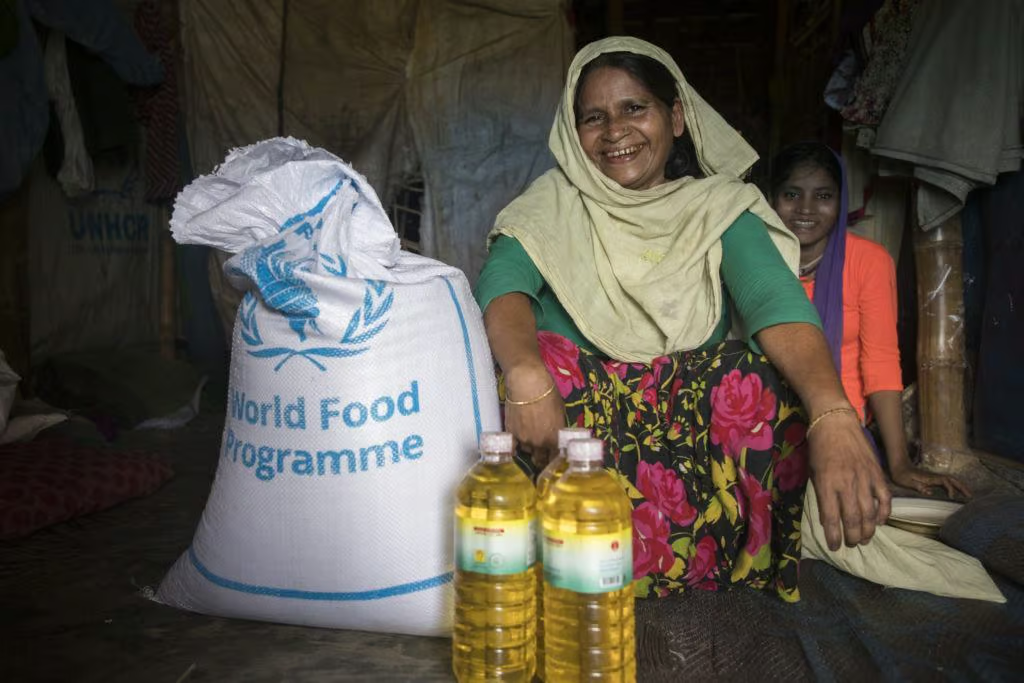
The U.S. has a long legacy of showing its commitment to ending global hunger. The latest Farm Bill is one such commitment.
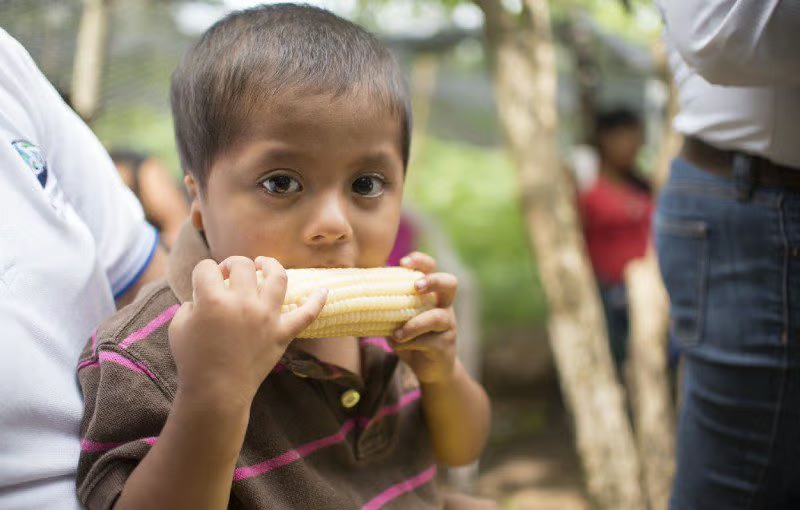
There’s been a lot of news about migrant flows from Central America to the United States. Here’s a look at how communities in the Dry Corridor are forced to choose: adapt to a changing climate, or leave.

Mark Kennedy, chairman of the Economic Club of Minnesota, and Rick Leach, WFP USA CEO, explain how the private sector and charities can work together.