COVID-19 and the 5 Major Threats it Poses to Global Food Security
Less than 20 percent of people living in low-income countries have access to social protections of any kind, and even fewer have access to food-based safety nets.

Less than 20 percent of people living in low-income countries have access to social protections of any kind, and even fewer have access to food-based safety nets.
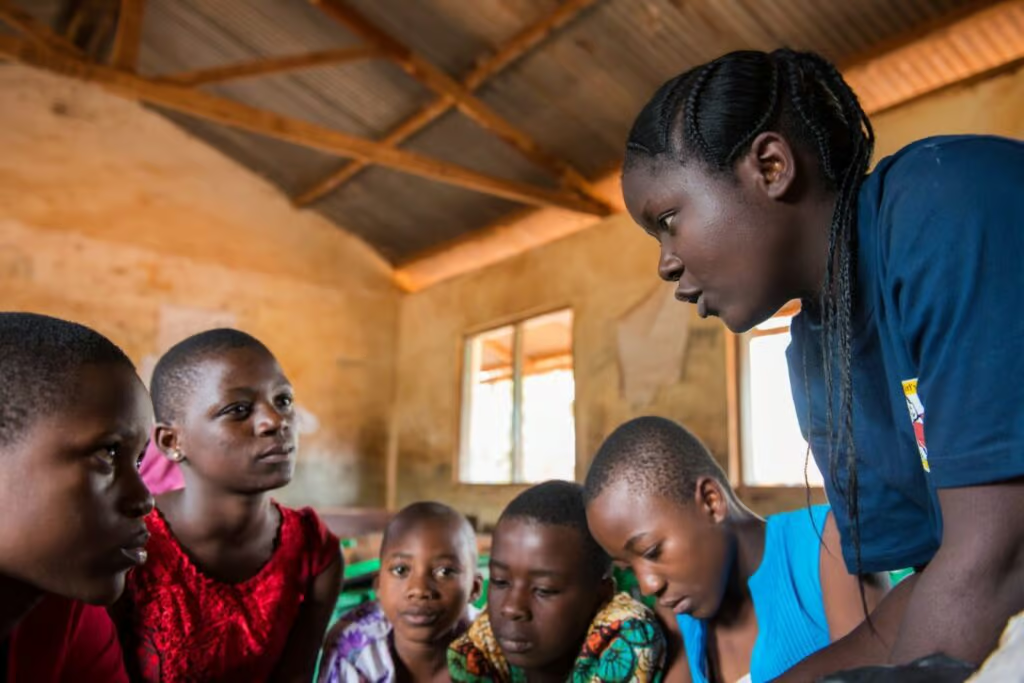
See how two projects in Tanzania and Uganda are changing the lives of hundreds of young girls who wouldn’t have been able to go to school without them.

What is “home grown” school feeding? It’s not only transforming the lives of students, but entire communities.
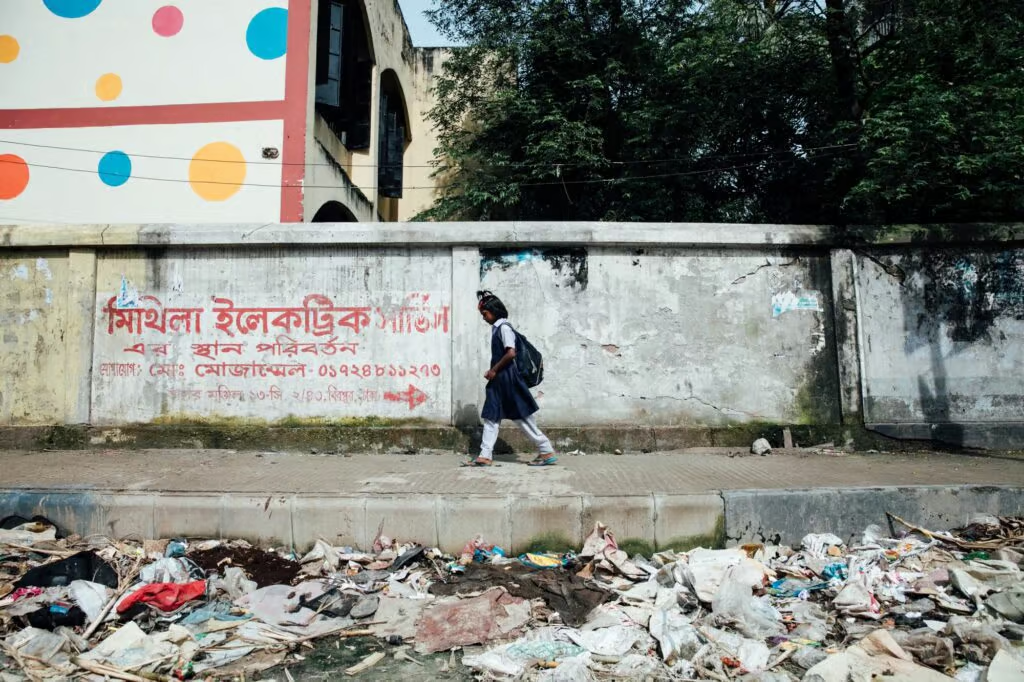
Standing in a doorway to the alley, Shrity brushes her teeth before sitting on the bed she shares with three other people. Here, she finishes her homework and eats a quick meal of rice and lentils before walking the littered streets to school.
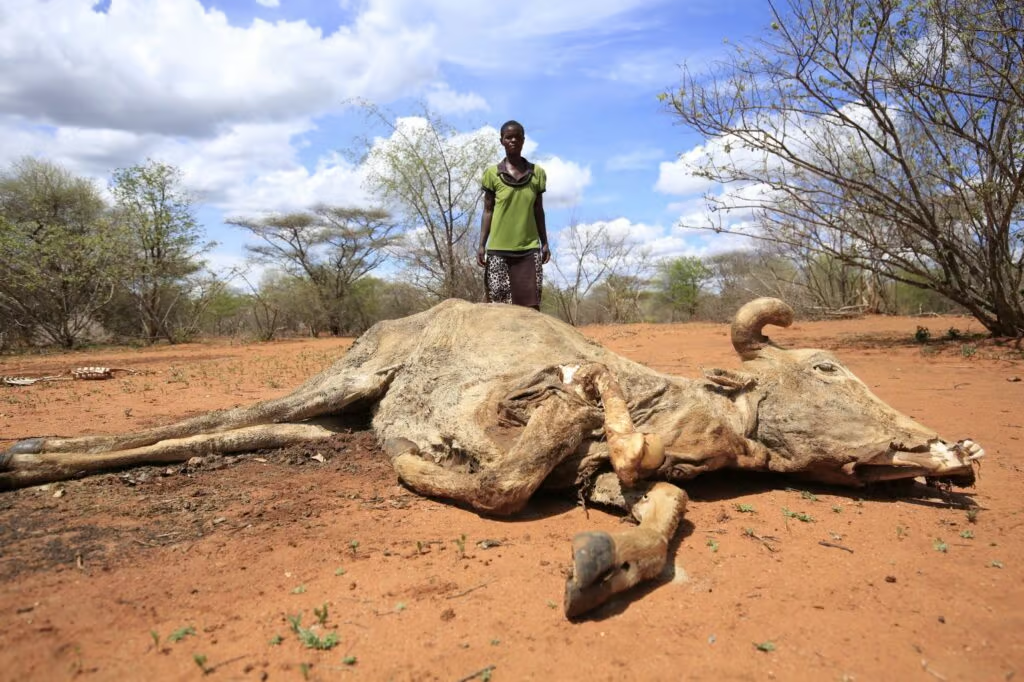
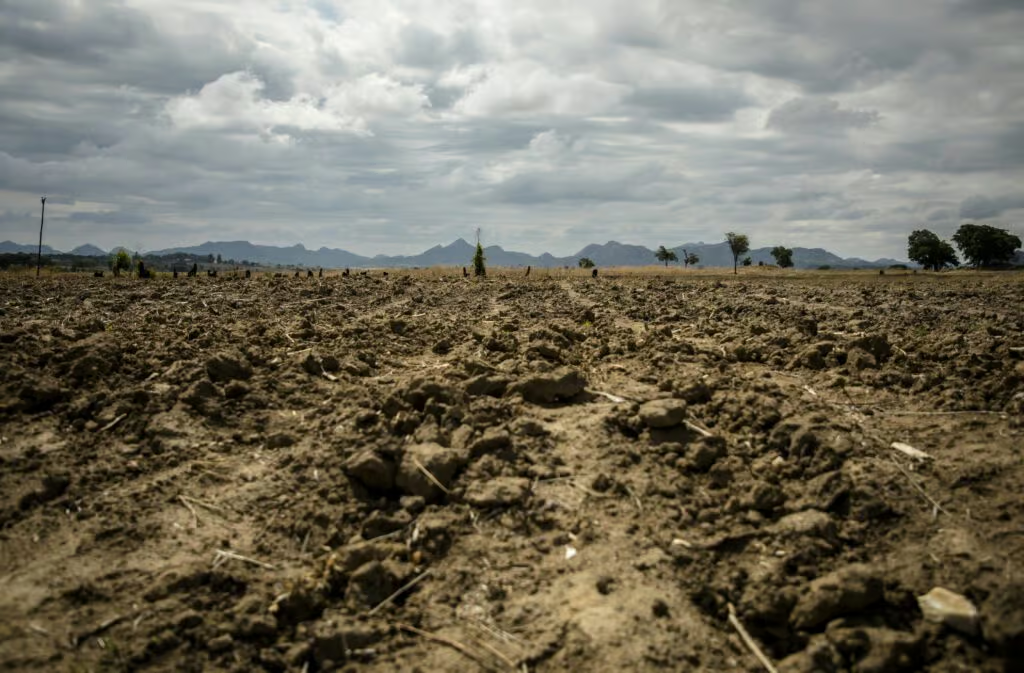
Have you ever experienced drought? It’s hard to imagine the scenes that have become a part of daily life for the 7.7 million Zimbabweans who are struggling to find enough food.
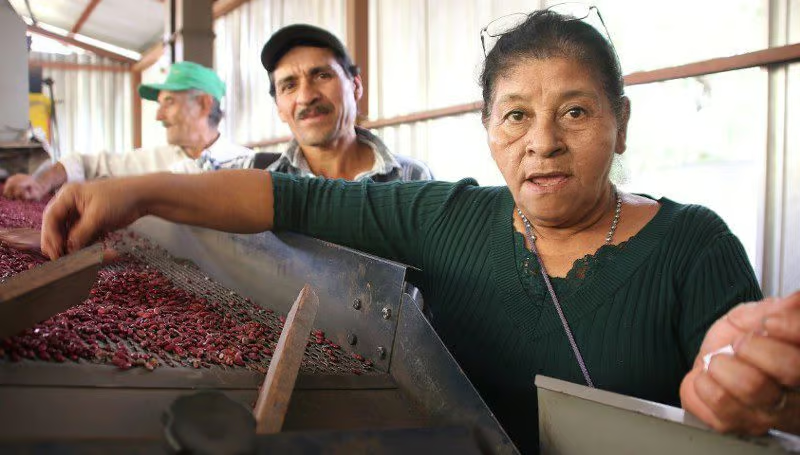
Nicaraguan women explain how they overcame old ways of doing things, where men controlled the family’s money and material goods. Now women are farming land, making joint decisions and managing household income.
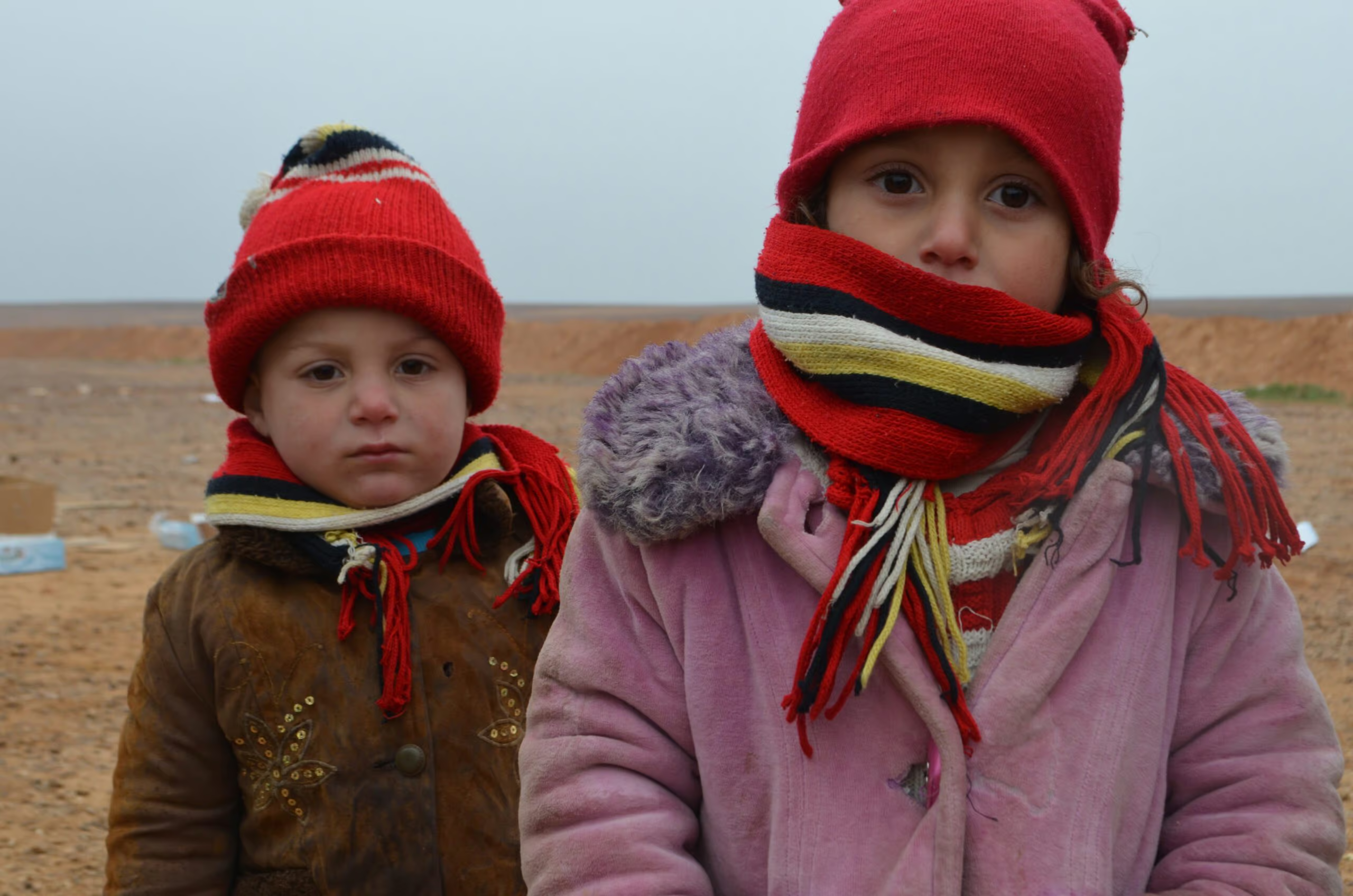
Families are arriving by the thousands at already over-crowded camps and they need everything — blankets, medicine, tents and, of course, food.
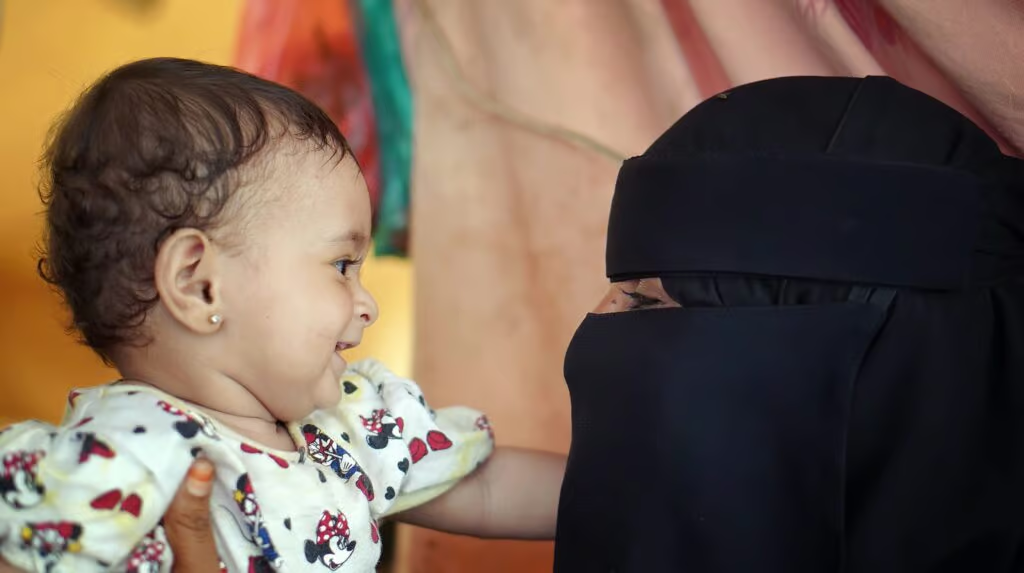
On this episode of Hacking Hunger, we speak with WFP’s Annabel Symington in Yemen. The stories she tells us of Yemen’s women are either heartbreaking or heartwarming…sometimes both.

On this episode of Hacking Hunger, we spoke to travel expert Rick Steves on about his recent journey to Ethiopia and Guatemala to learn more about the problem of global hunger and how to solve it.
Patience Mauhura has a message for women: Don’t wait for your husbands. Think outside the box. Use your hands and your brains. It’s time to work hard.