How Many People Are Hungry in the World? How IPC Levels Track & Measure Food Insecurity
Organizations like the World Food Programme use the Integrated Food Security Phase Classification (IPC) to track and measure hunger globally.

Organizations like the World Food Programme use the Integrated Food Security Phase Classification (IPC) to track and measure hunger globally.

College students across the nation are taking actions to help end world hunger through World Food Program USA’s Zero Hunger Generation (ZHG). See how one ZHG member is making a global impact on the fight against hunger with Freerice.Â

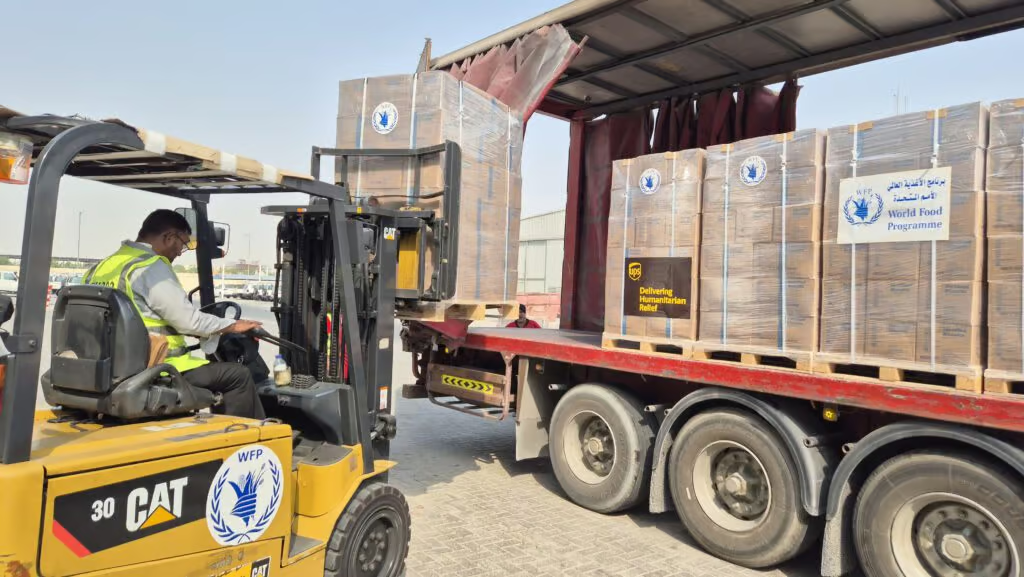
Some of the most vulnerable communities are nearly unreachable, especially those trapped in violent conflict zones or cut off by extreme weather. In these worst–case scenarios, if all other conditions are right, WFP may turn to airdrops as a last resort. Â

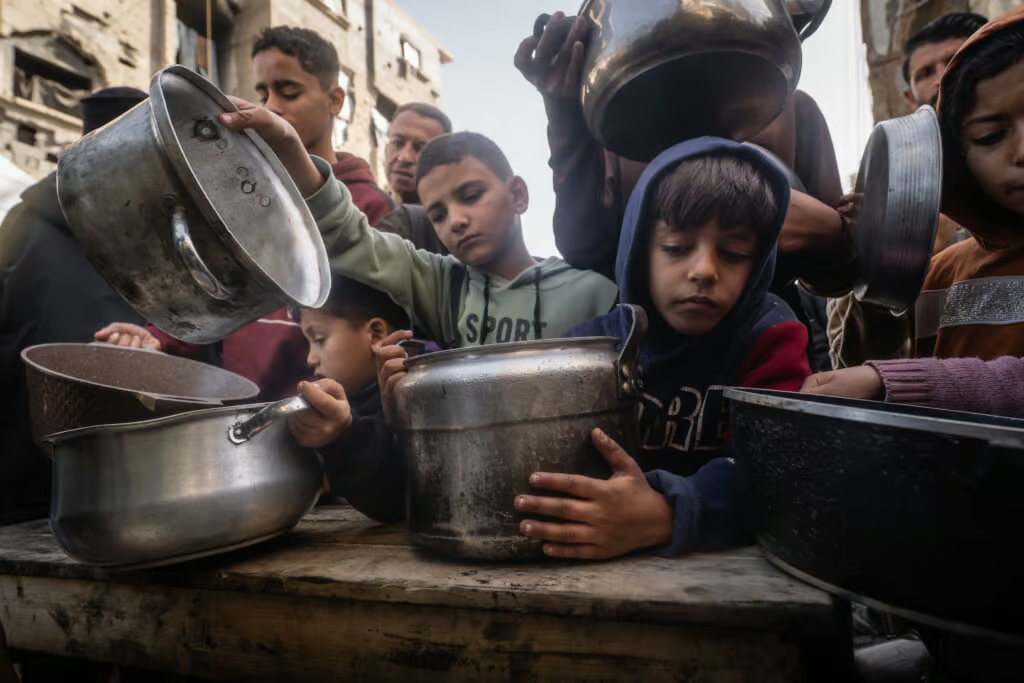
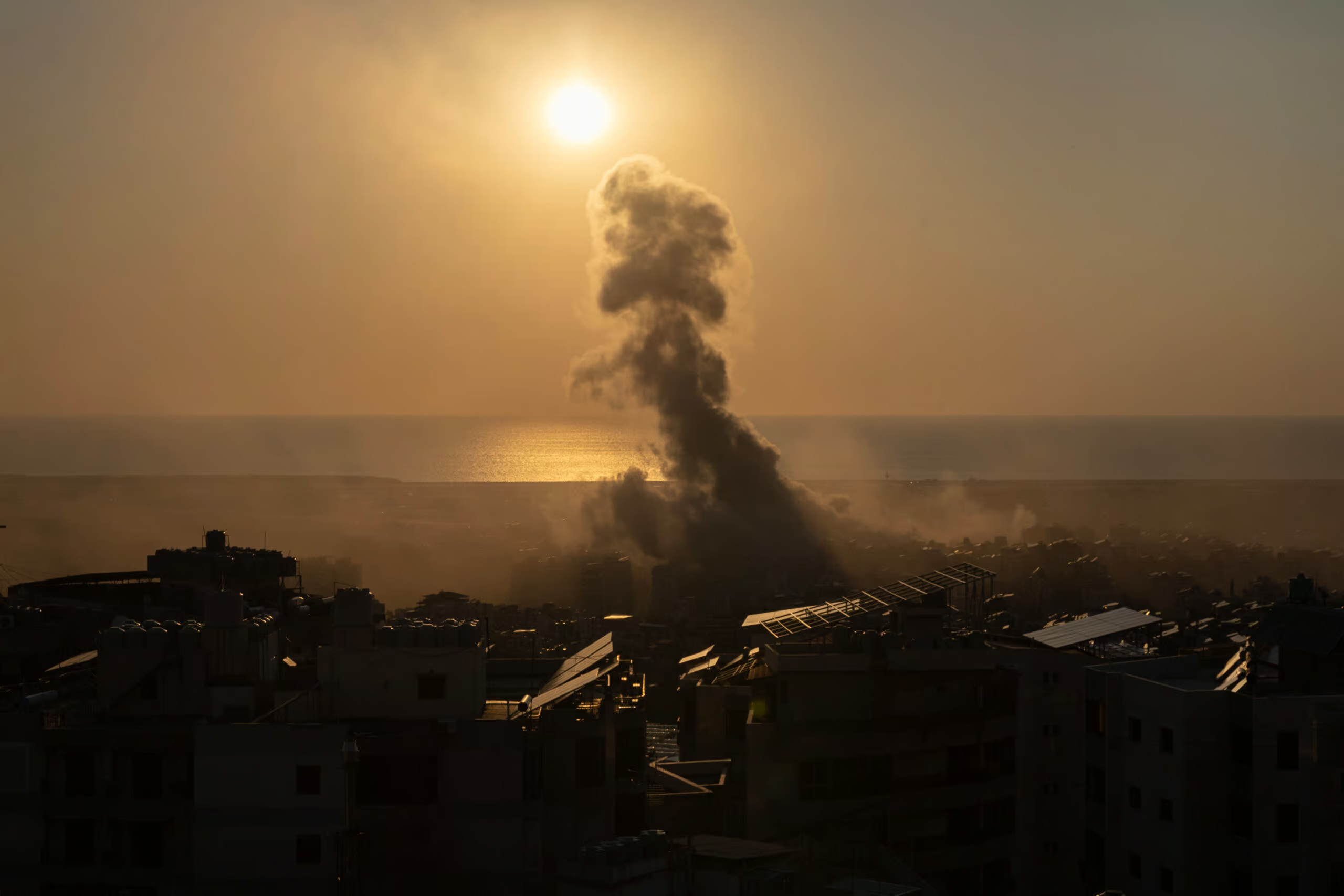
WFP has worked on the frontlines of the world’s most challenging emergencies. So why has delivering food into Gaza been so difficult?

It’s vital that we do all that we can to build peace by ending hunger. But as wars continue and peace eludes the hungry, WFP, our partners and supporters will be there, continuing our work for as long as we’re needed.

World Food Program USA’s Fall Statement of Impact provides a snapshot of global hunger from May to September 2025 and how the World Food Programme (WFP) responded.  Â

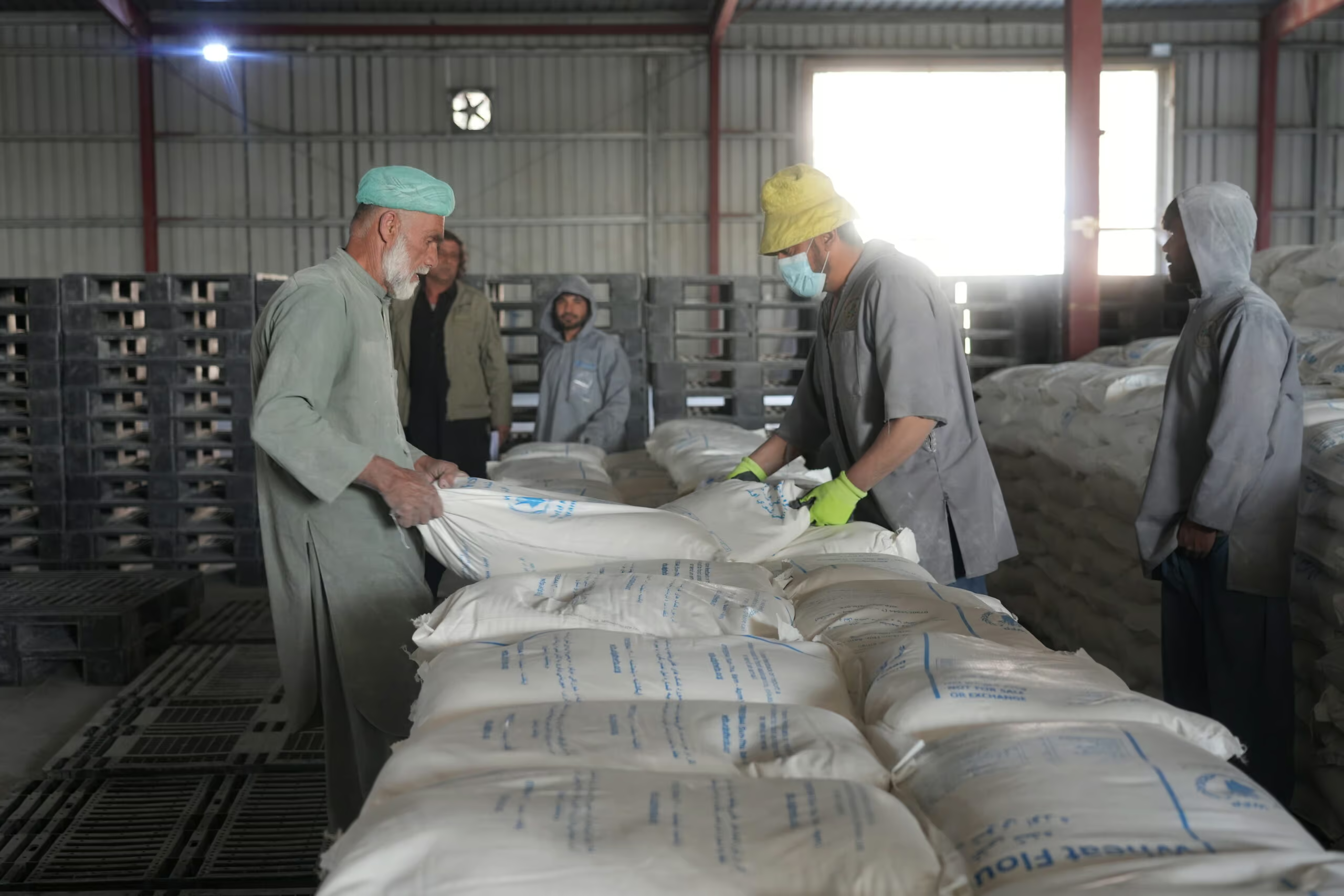
Food is a universal human need. We depend on each other to grow, transport, store and cook the food we need to survive. This interconnectedness binds us across countries, generations, cultures and beliefs.Â

In Kenya, a new generation of farmer-herders is fighting hunger with support from the World Food Programme and the Zoetis Foundation. Â

Despite the dangerous conditions, WFP remains one of the few organizations on the ground delivering food into the Gaza Strip. That means your support sends food directly to people in Gaza who urgently need it.

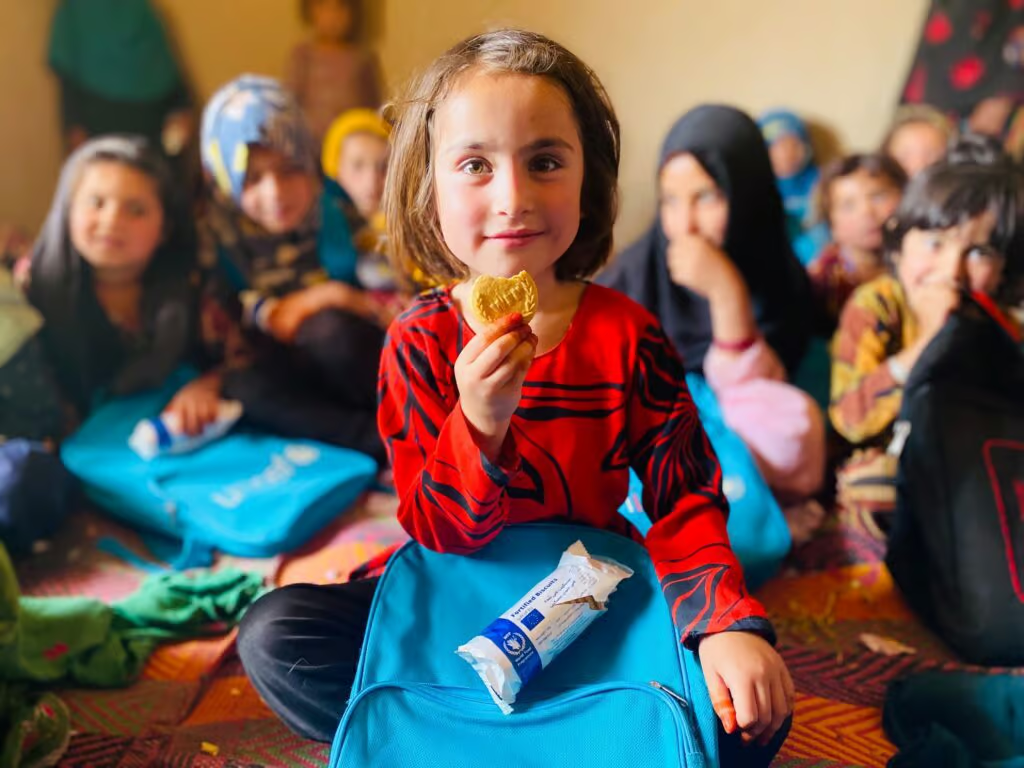
Lions Clubs International Foundation (LCIF) and World Food Program USA have partnered to support the World Food Programme’s homegrown school meals programs in four countries: Ecuador, Nepal, Sri Lanka and Uganda.