An Unprecedented Response for an Unprecedented Time of Need
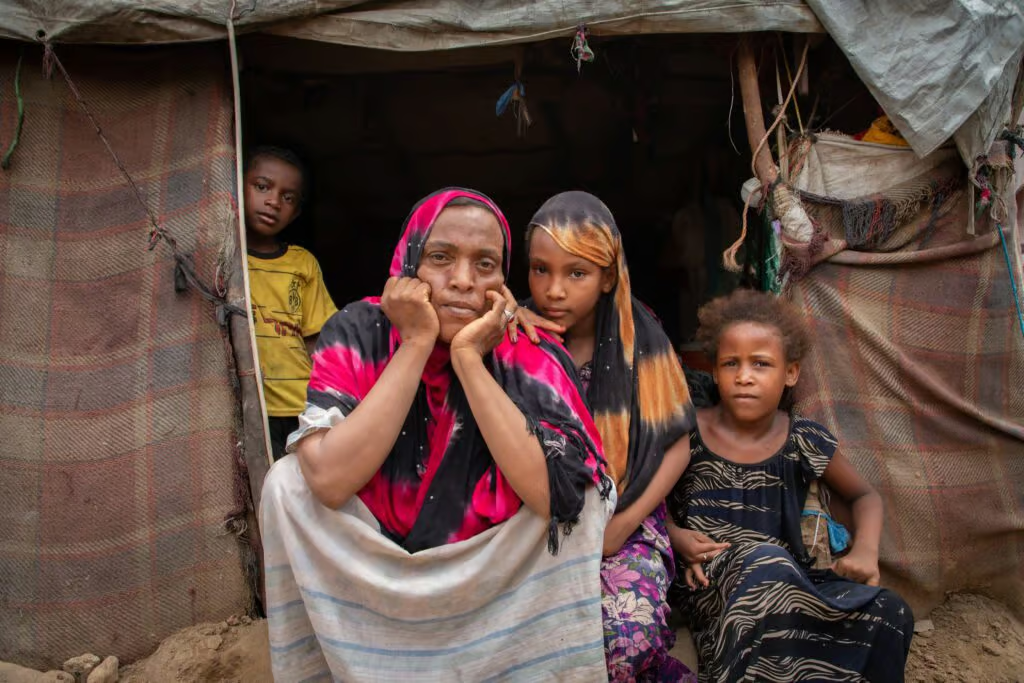
As COVID-19 spreads to the developing world, it is leaving hunger and poverty in it’s wake. WFP is fighting back with a historic humanitarian response.

As COVID-19 spreads to the developing world, it is leaving hunger and poverty in it’s wake. WFP is fighting back with a historic humanitarian response.

“There are small children who are hungry, who do not have anything to eat,” said the Pope, praying that leaders in the region would “be capable of making peace.”

“The frontline in the battle against the coronavirus is shifting from the rich world to the poor world,” said David Beasley, WFP’s Executive Director.

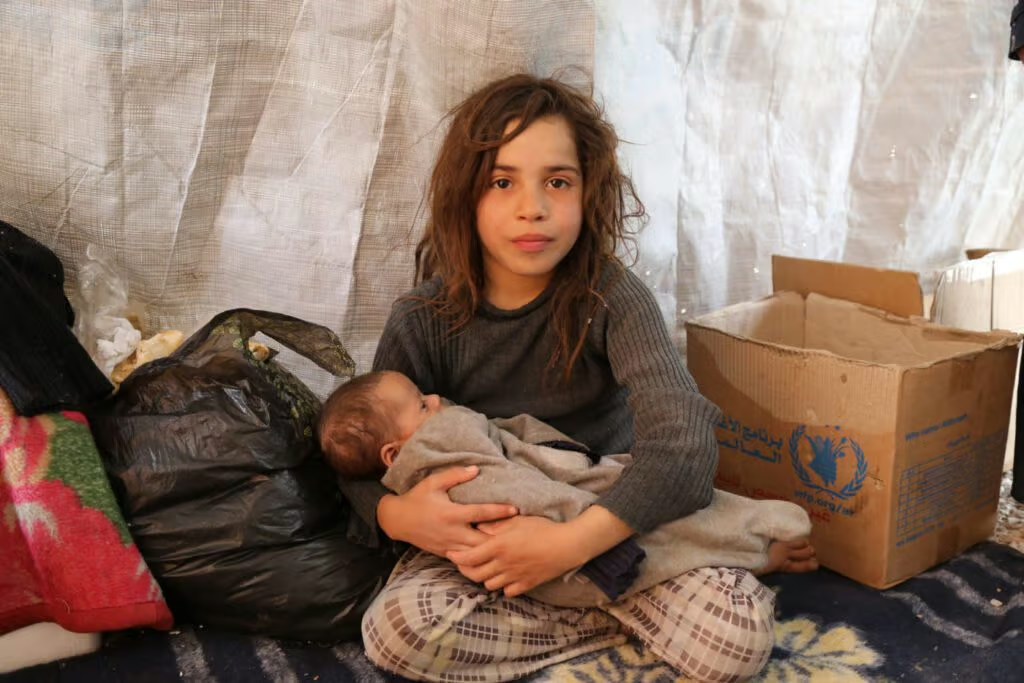
An estimated 9.3M Syrians are now food insecure – an increase of 1.4M people in the last six months alone – and food prices are 200% higher than last year.

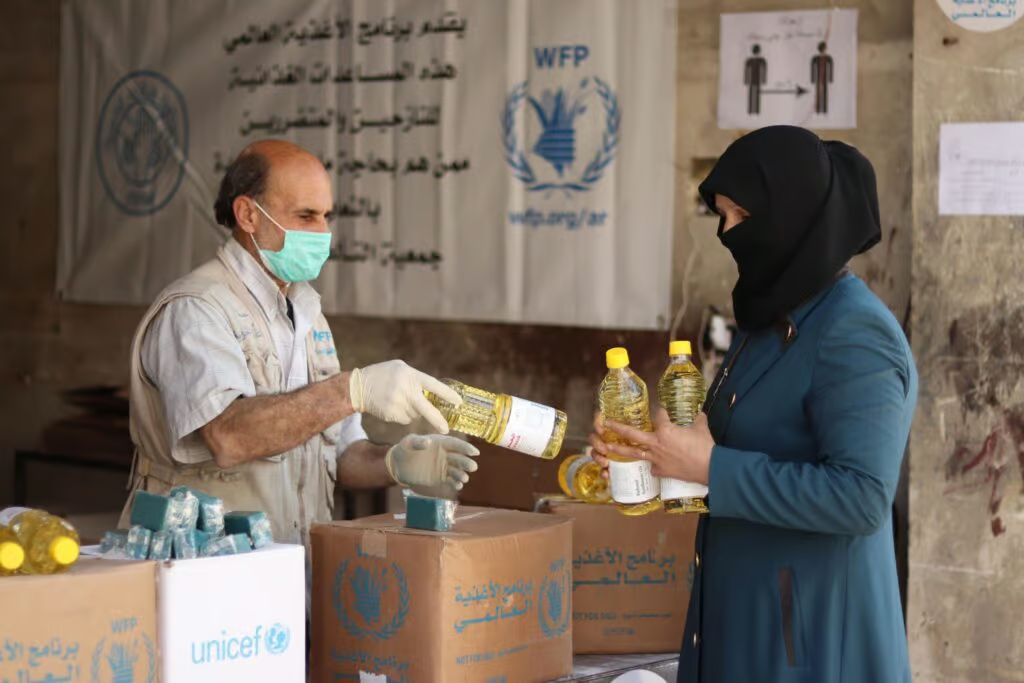
WFP is moving huge volumes of supplies around the world to fight the pandemic. But without substantial funding, this work could come to a halt before the end of July.

Why do the economic impacts of COVID-19 affect poor countries more? What changes can we make to help the most vulnerable now and in the future? Johan Swinnen, director general of IFPRI, answers our questions.

From refugees to record-company mogul and Miss USA, Sal and Rima Slaiby tell us their stories and why they’re supporting WFP USA.

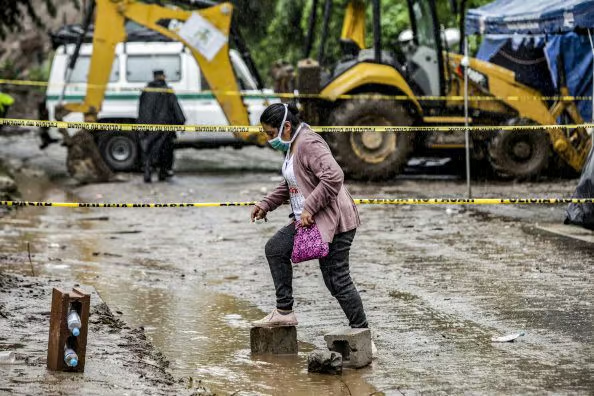
A destructive tropical storm is pushing even more people into hunger in El Salvador. Here’s how WFP is helping.

A newly re-opened route from Kenya is helping WFP get essential food aid to struggling areas of South Sudan for the first time since 2018.

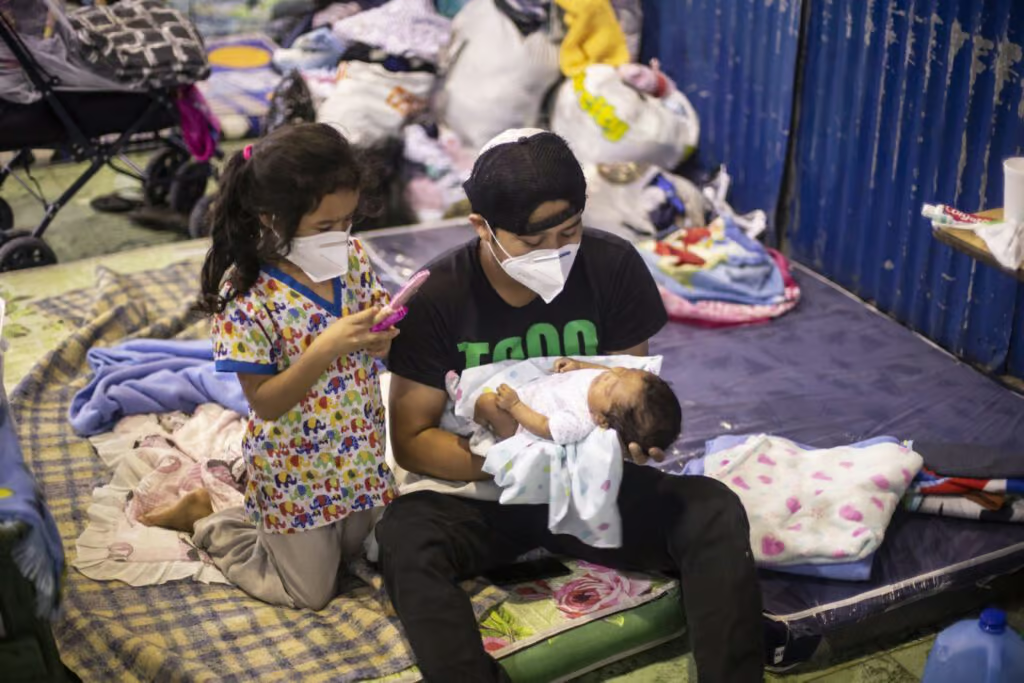
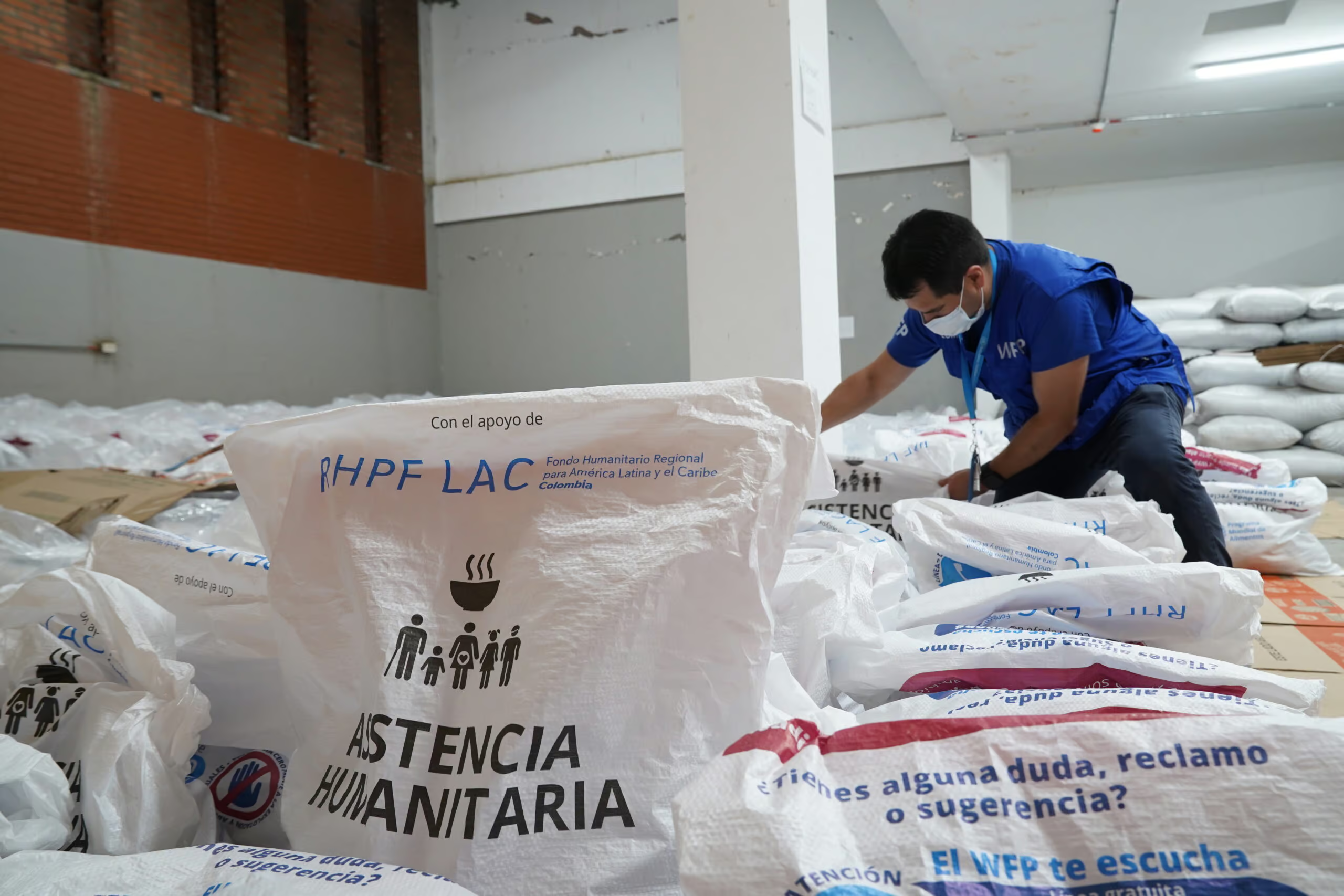
The coronavirus could push 10 million more people into hunger across Latin America and the Caribbean. Here’s how WFP plans to respond.