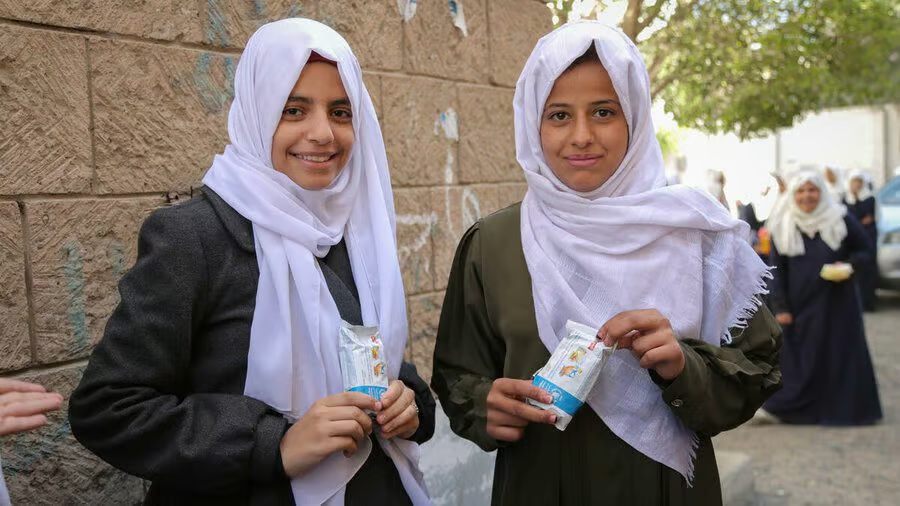
The Great Setback: How Coronavirus Sent Schoolchildren Home Hungry
The world had an expanding safety net, with school feeding a growing priority for governments. Then COVID-19 arrived and smashed it all.

The world had an expanding safety net, with school feeding a growing priority for governments. Then COVID-19 arrived and smashed it all.

We need to get school feeding programs running again – even better than before – to stop COVID destroying the futures of millions of the world’s most vulnerable children.
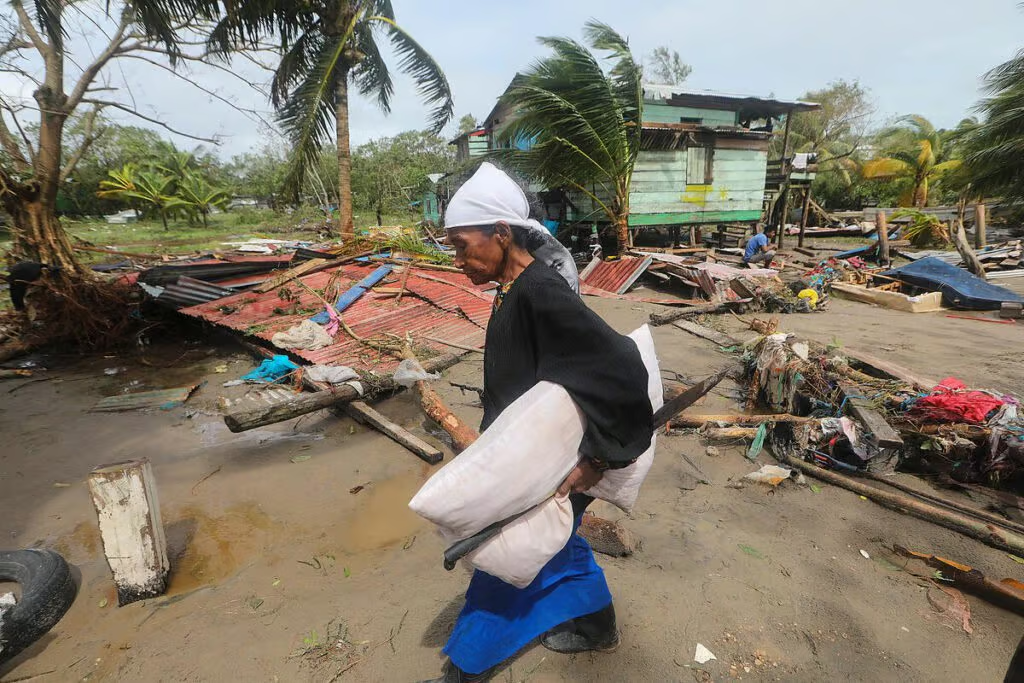
Communities in Central America have hit rock bottom: Many now have nowhere to live and are staying in temporary shelters, surviving on next to nothing.
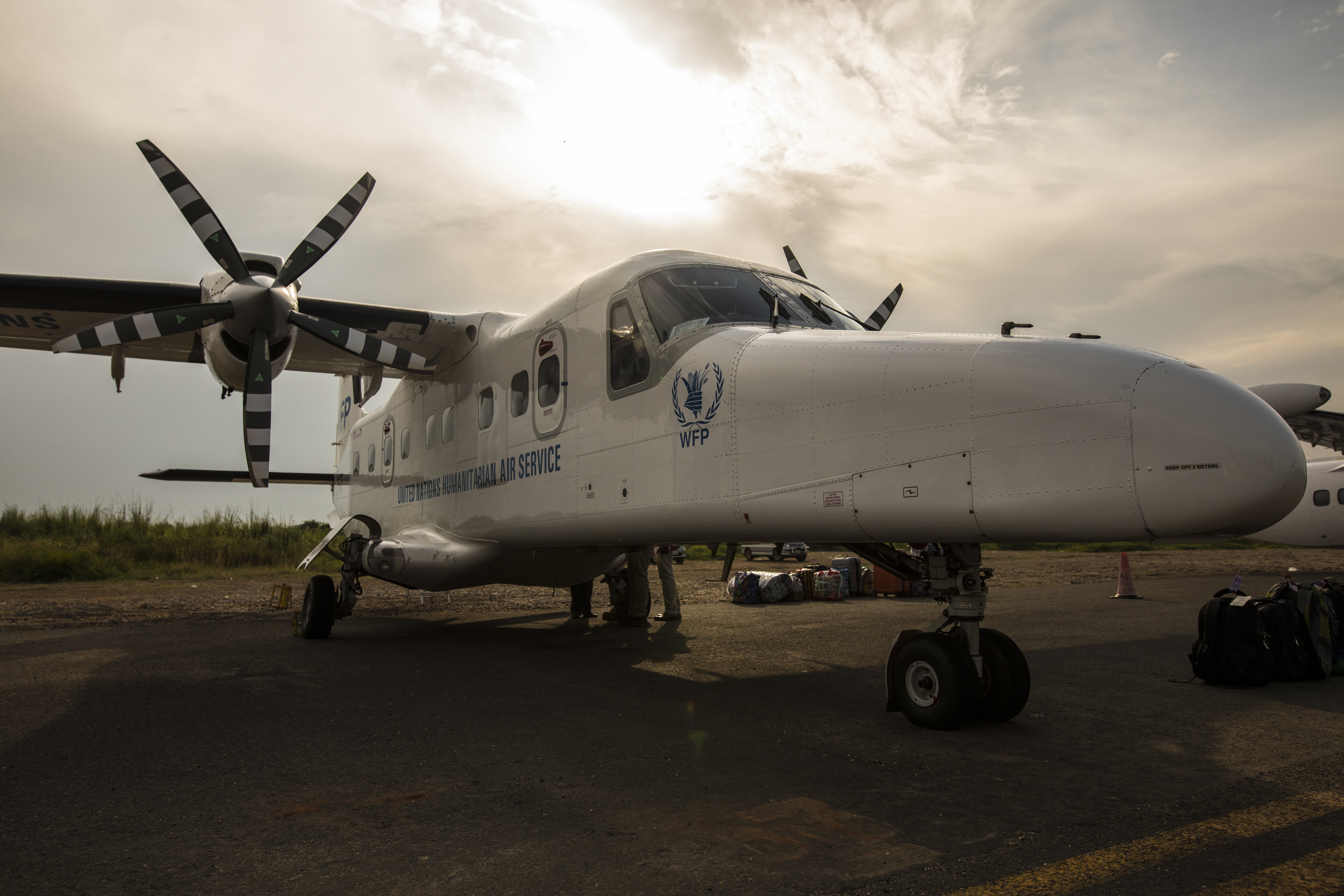
The critical lifeline transports humanitarian workers and lifesaving cargo to some of the most challenging and hard-to-reach locations

An economic crisis, job losses as a result of COVID19 and soaring food prices have added to the plight of Syrians who have been displaced and worn down by a decade of conflict.

The humanitarian crisis in Yemen continues to exert a terrible toll on children, warns UN agencies FAO, UNICEF, WFP and WHO.
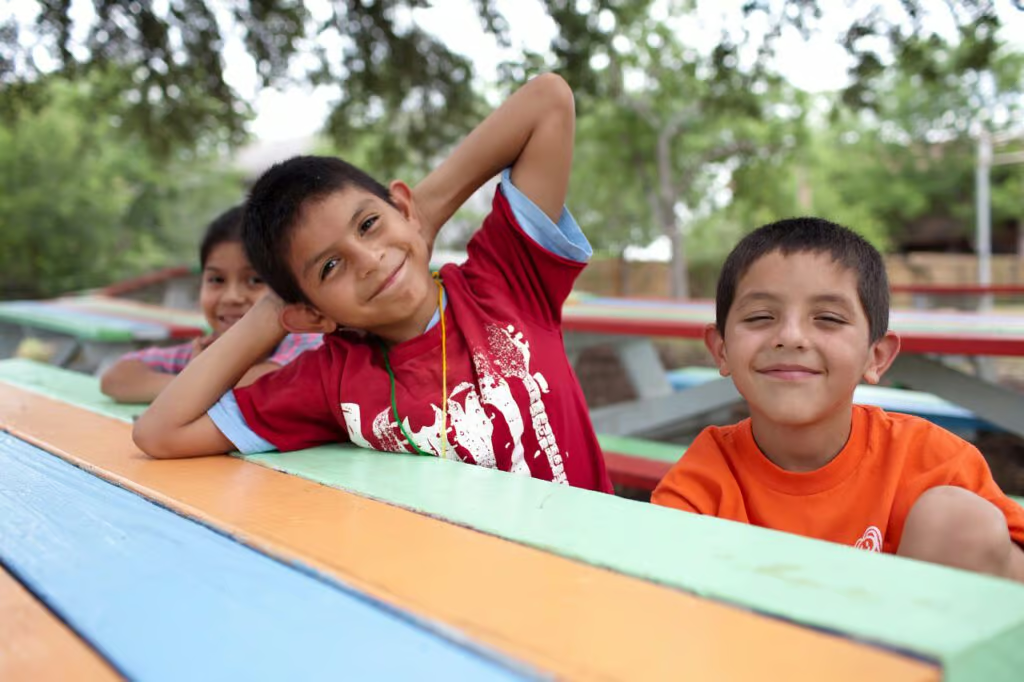
With the pandemic doubling hunger rates, we’re proud to support No Kid Hungry’s mission to ensure children get the daily meals and nutrition they need.
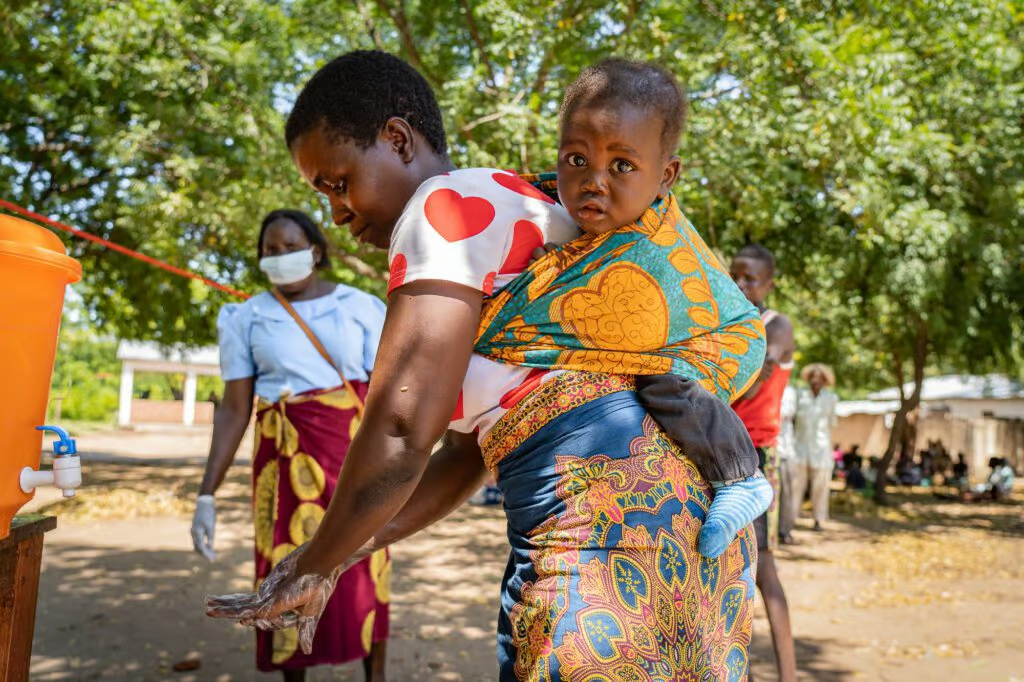
The key to ending malnutrition isn’t a mystery, nor does it require any high-tech innovation. It starts with the first 1,000 days of a child’s life. And it starts with the mother.

The WFP chief voiced fears about famine looming in several countries at the same time as COVID-19 is ravaging communities around the globe.
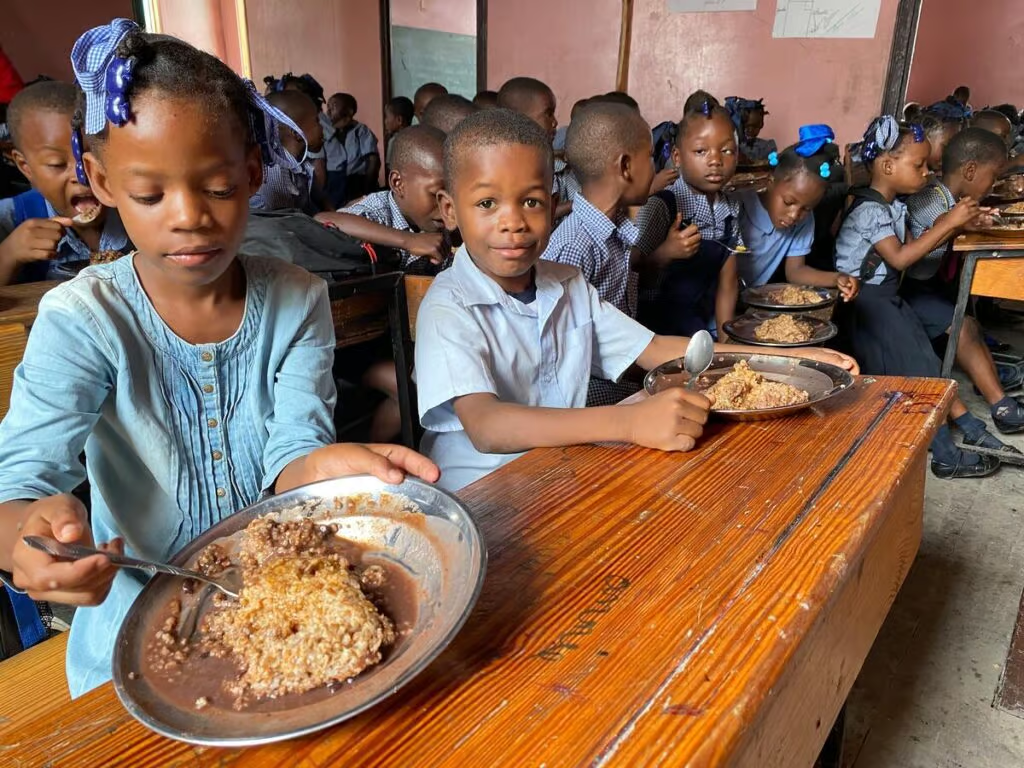
School meals, often the one nutritious daily meal that children get, must be prioritized in school reopening plans.