Mustering Hope to Reduce Global Hunger in 2021
WFP never abandons hope. We’re applying it in spades to roll back one of the most severe hunger catastrophes in our six decades of existence.

WFP never abandons hope. We’re applying it in spades to roll back one of the most severe hunger catastrophes in our six decades of existence.
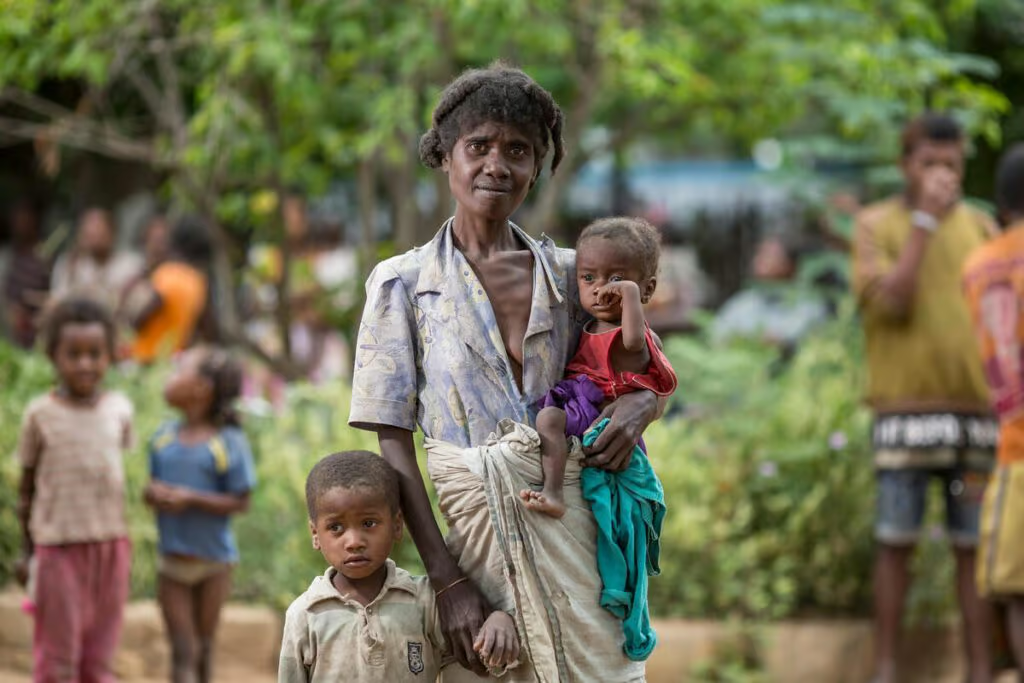
With malnutrition rates spiraling and children forced to beg to help their families eat, urgent action is needed to prevent a crisis.

Most of us would have to strain to imagine what life would be like if 80 percent of all the people around us were in desperate need of humanitarian assistance. For the people of Yemen, that is the relentless reality.
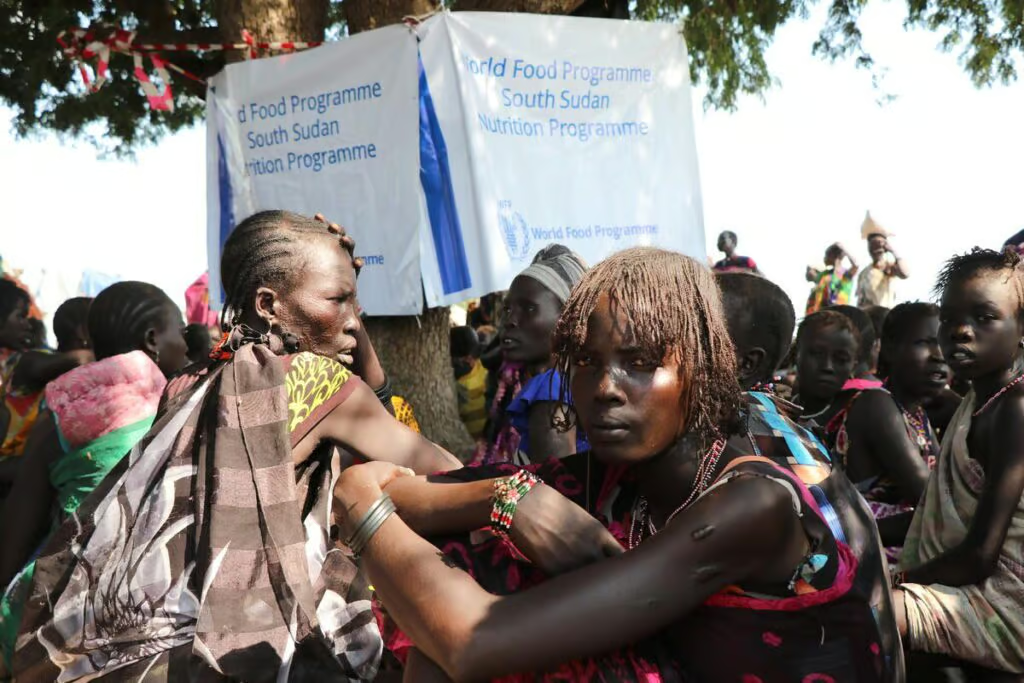
Conflict, floods and COVID-19 are pushing more people into extreme hunger.
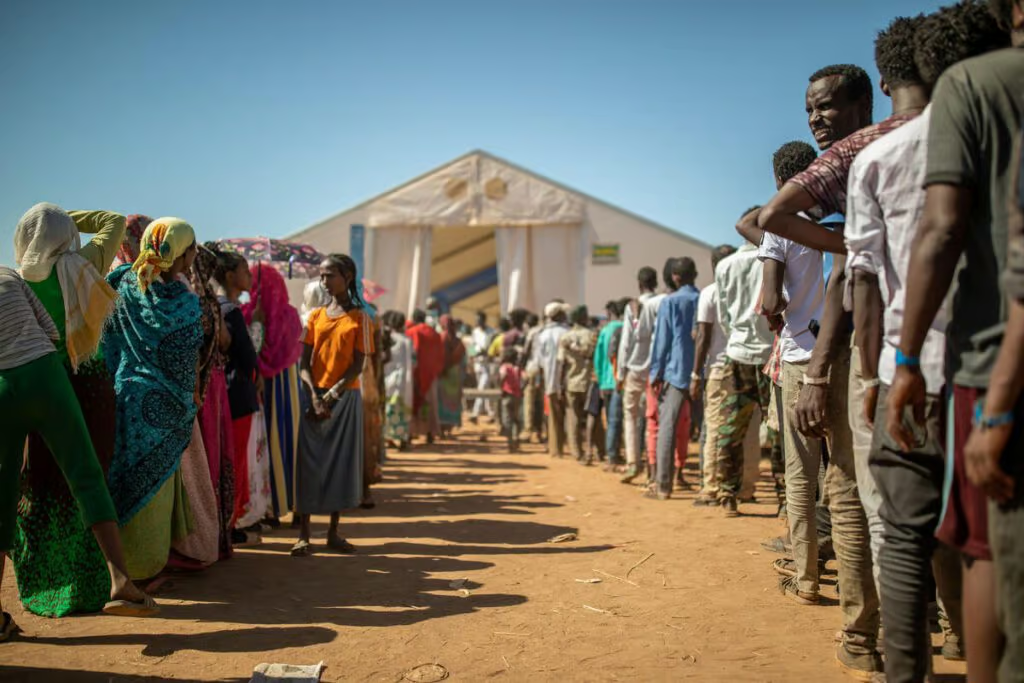
As we move into the next decade, we need to re-imagine how we do our work. What technologies and approaches could we develop in the future to solve humanitarian crises?
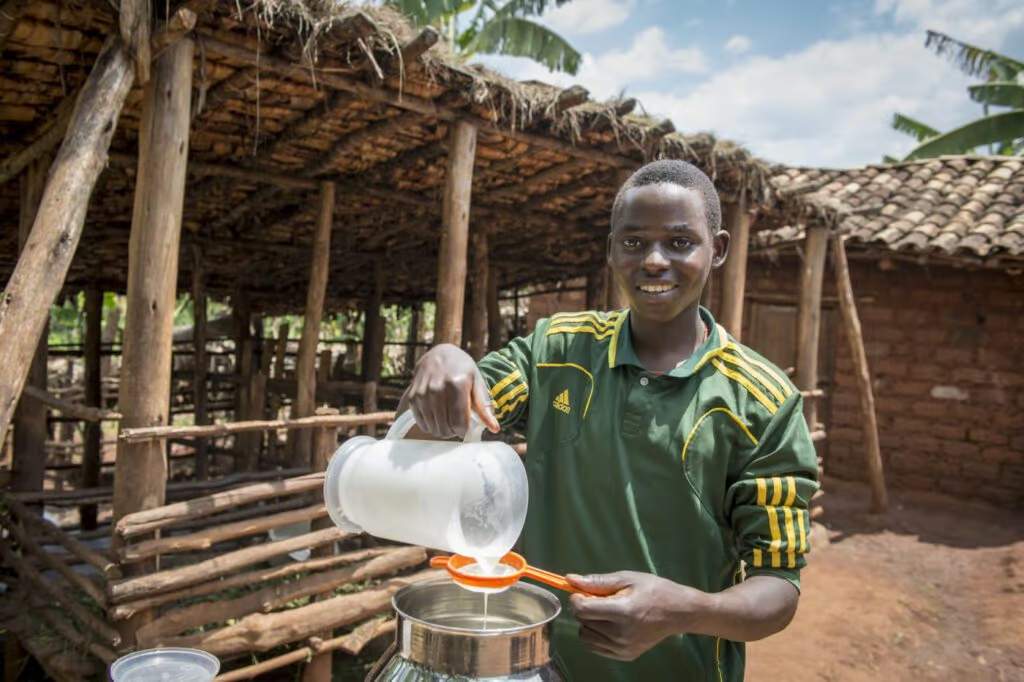
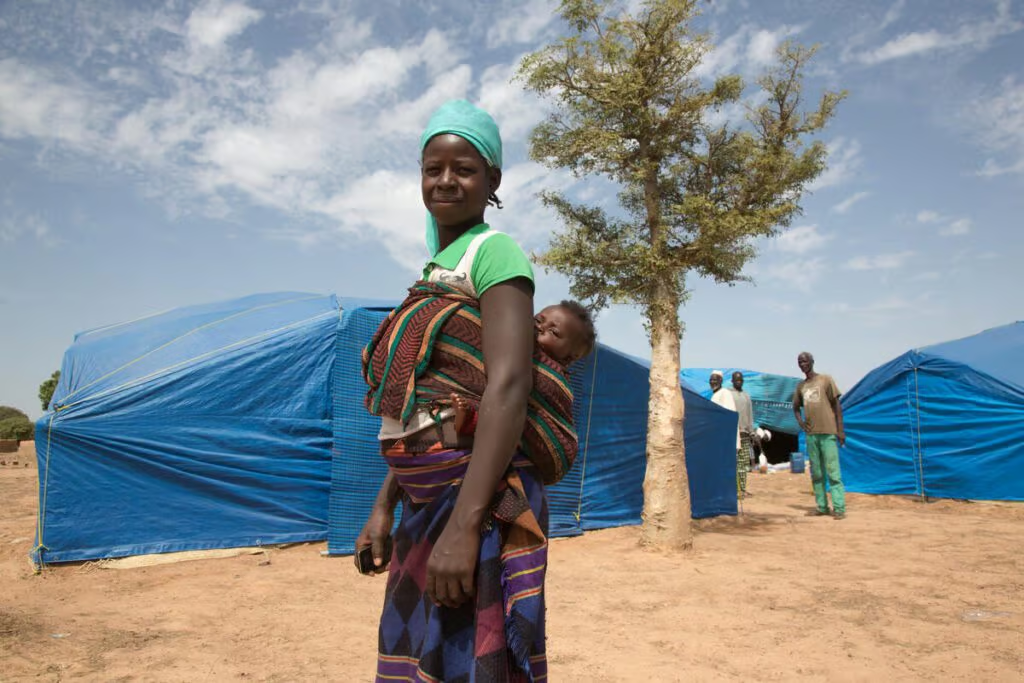
Conflict-ridden Burkina Faso is one of four nations teetering on the brink of famine. The Hilton Foundation’s contribution is critical in addressing urgent hunger here.
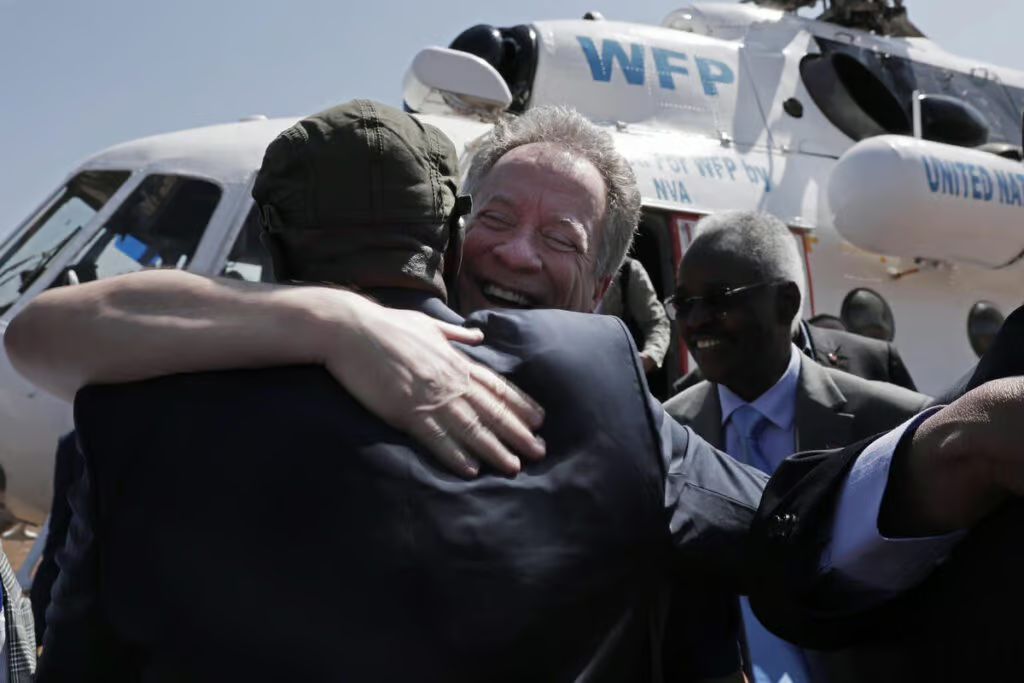
This Nobel Peace Prize is more than a thank you. It is a call to action as 270 million people march toward starvation.

Much as we are humbled by and proud of the Nobel Committee’s ultimate acknowledgment of all we’ve done, we are just as grateful to it for highlighting the growing need in the immediate future.
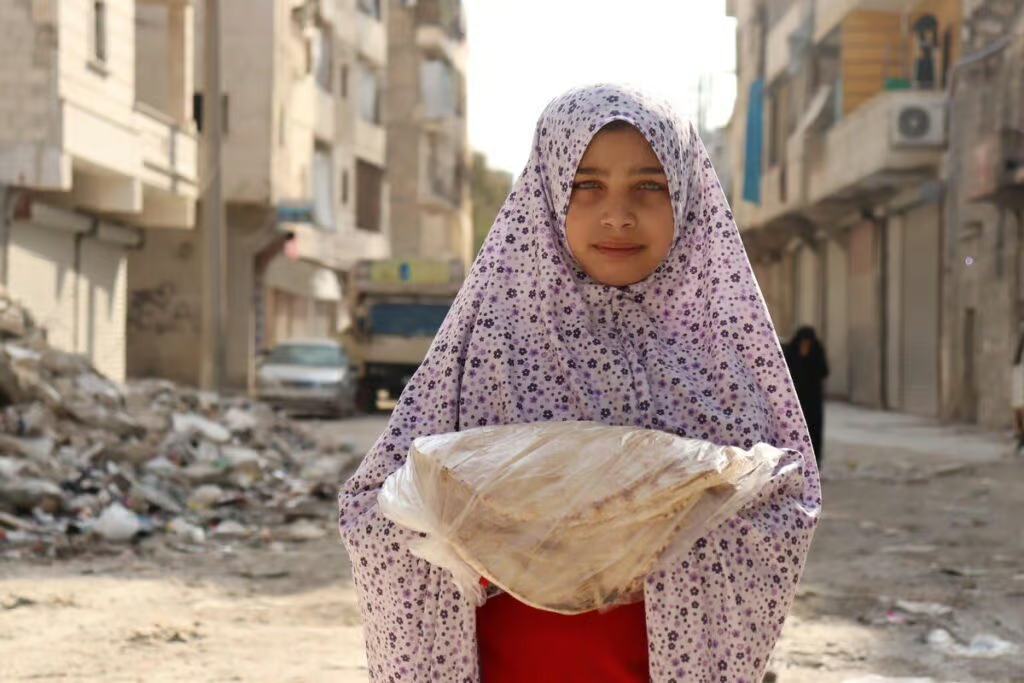
The Nobel recognition of the United Nations World Food Programme comes as famine again threatens millions of people, especially in four conflict-affected countries.
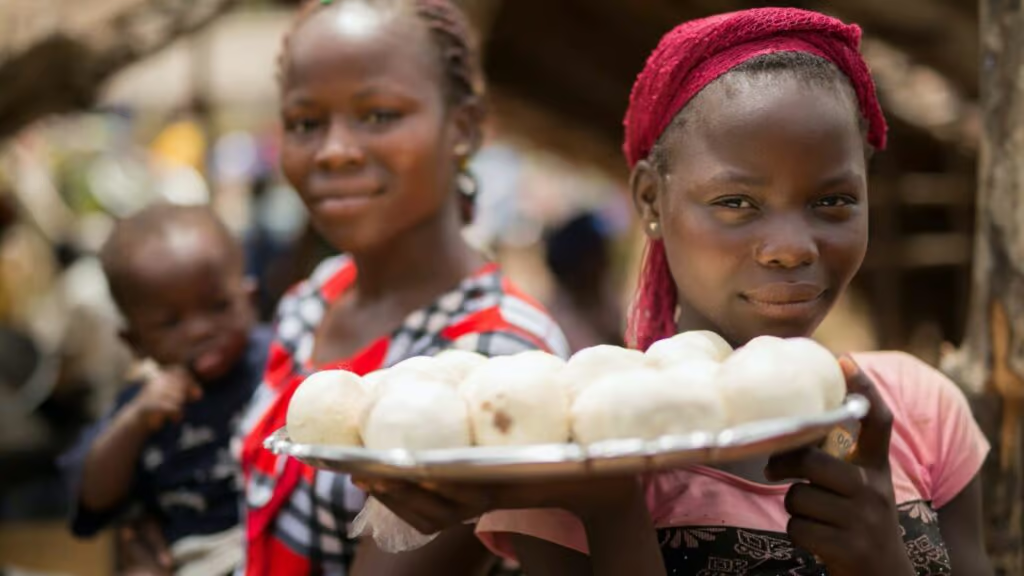
As the House and Senate continue to work towards agreement on another COVID-19 relief package, I urge members to support the inclusion of robust funding for international aid.