UN Report: Pandemic Year Marked by Spike in World Hunger
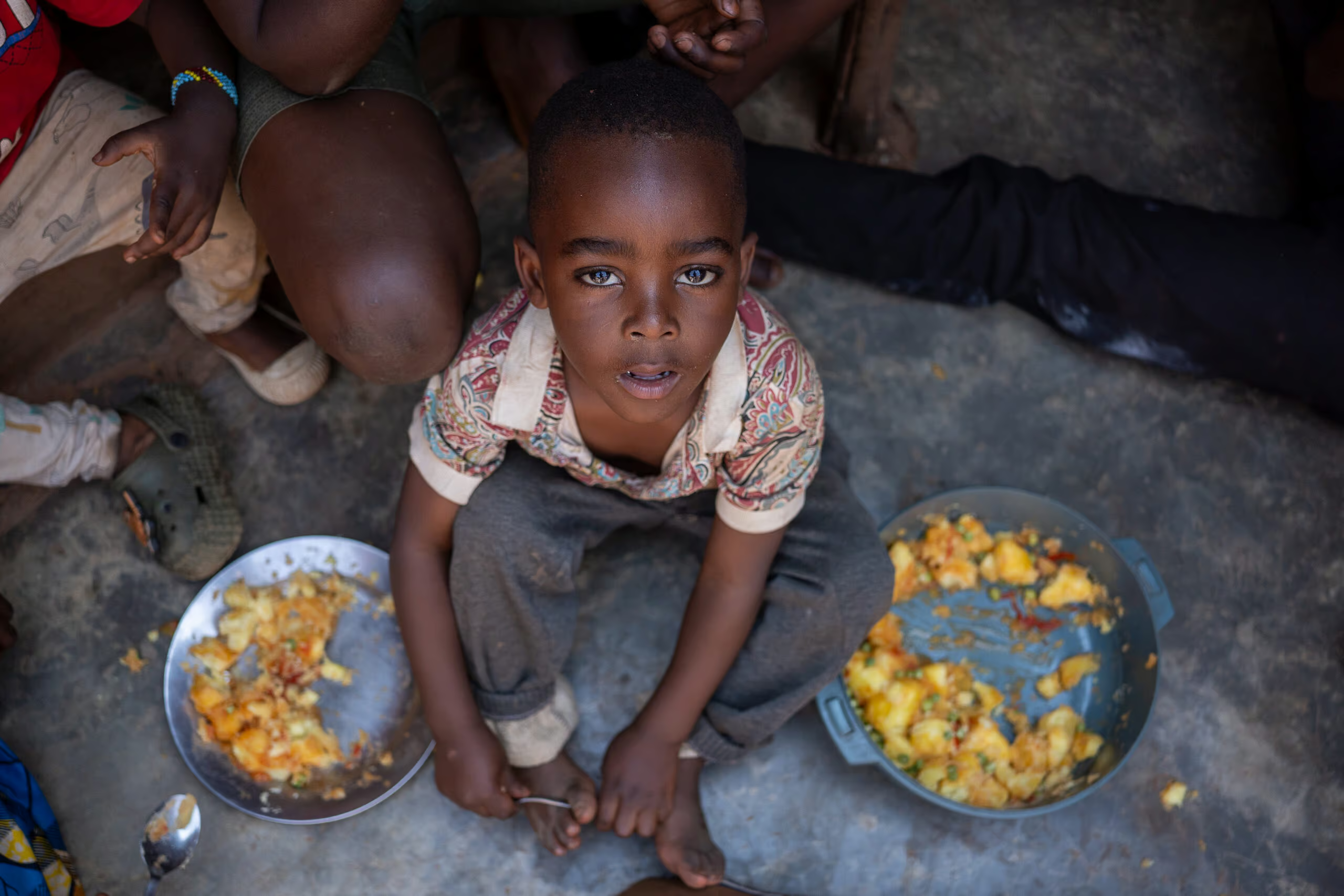
There was a dramatic worsening of world hunger in 2020, the United Nations said today – much of it likely related to the fallout of COVID-19.

There was a dramatic worsening of world hunger in 2020, the United Nations said today – much of it likely related to the fallout of COVID-19.

High food prices, driven by conflict, economic fragility and the impacts of La Niña, are making food unaffordable for millions of families already struggling because of the pandemic.

For International Day of the Tropics, we’re taking a deeper look at how climate presents unique challenges for those living in the Dry Corridor and how WFP is helping to break the cycle of hunger.

Now more than ever, with four countries on the edge of famine, it is important to explore the links between hunger, the virus and vaccines.
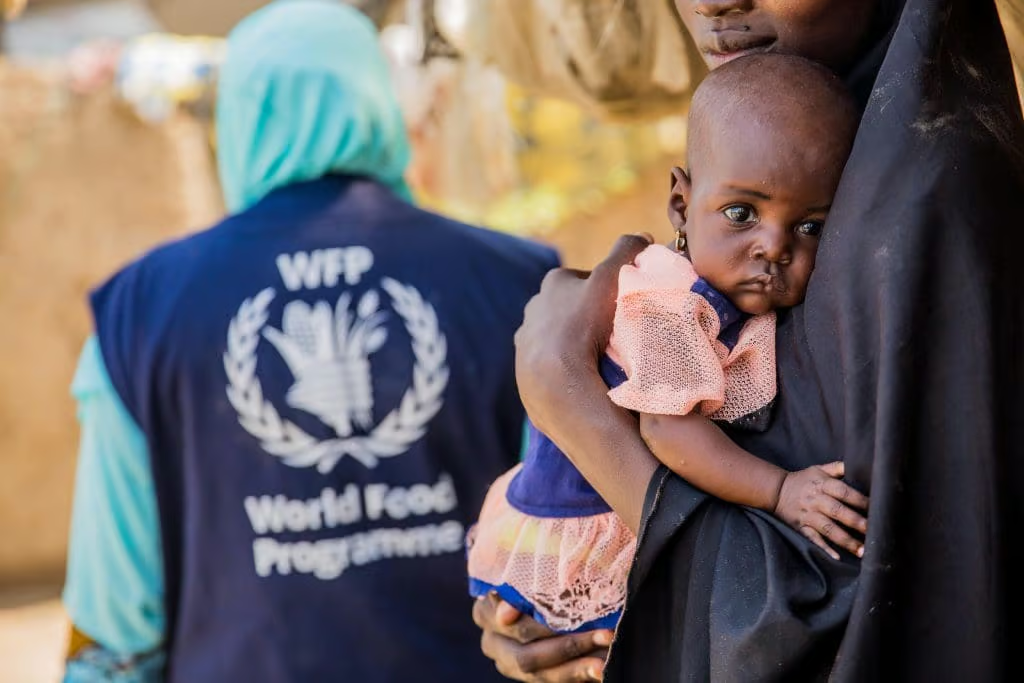
World leaders have a chance at this year’s G7 summit call for the funding, resources and policies to save millions of lives. Ahead of the summit, WFP is launching Five Calls to Action to address today’s record-high humanitarian needs.
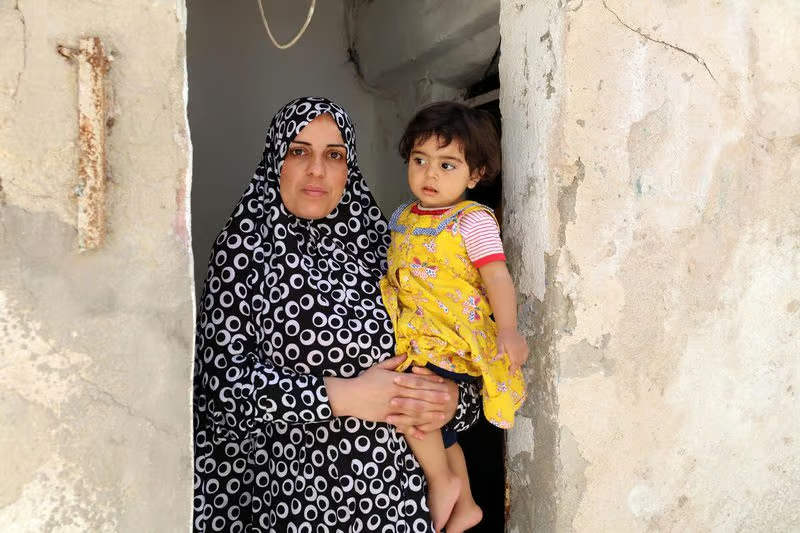
WFP urgently needs funding to continue assistance to vulnerable refugees, to stop families falling into further food insecurity and deeper poverty.
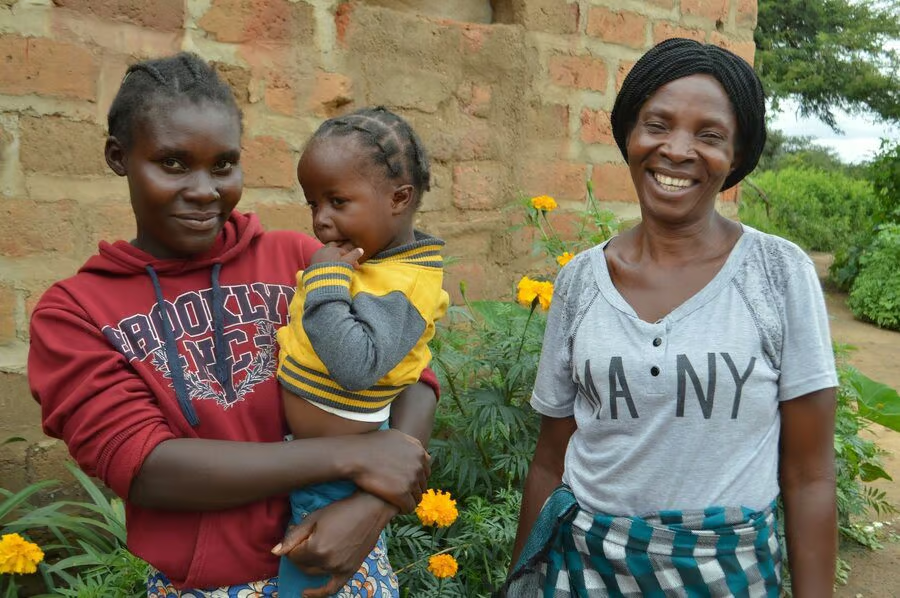
Clara is at the forefront of the fight against malnutrition, and is one of 480 trained community health volunteers trained by WFP.
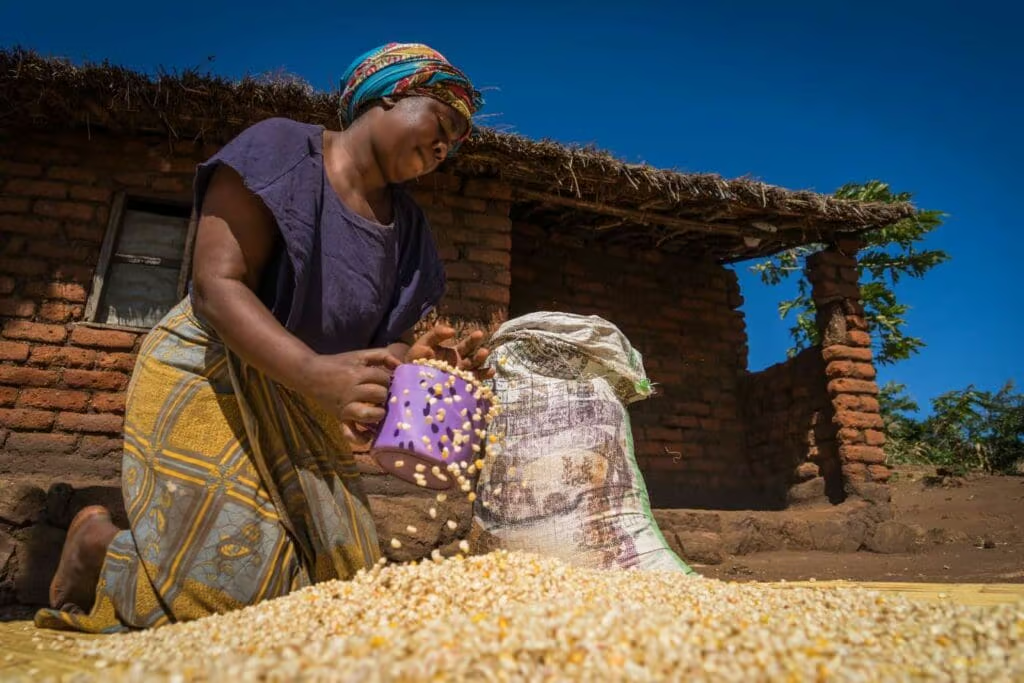
Climate change is threatening our complex global food system which is already struggling to meet the needs of a growing and changing population.

Escalating conflict, economic decline, rising global commodity prices and COVID-19 have all contributed to an alarming increase in acute hunger in Yemen over the last year.
WFP has partnered with the International Crisis Group to boost its conflict prevention capacity as it continues to deliver life-saving food to the world’s most vulnerable people.