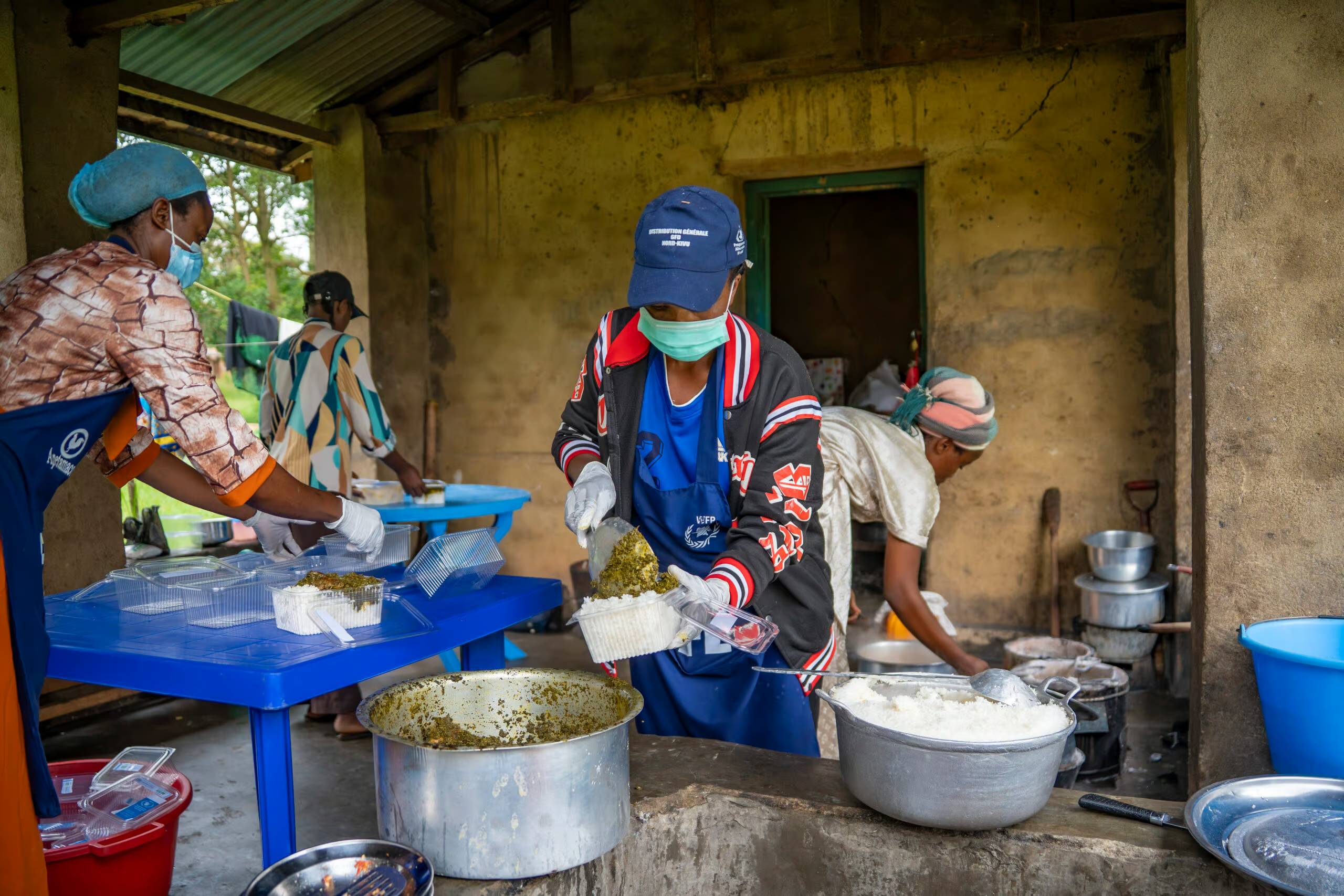
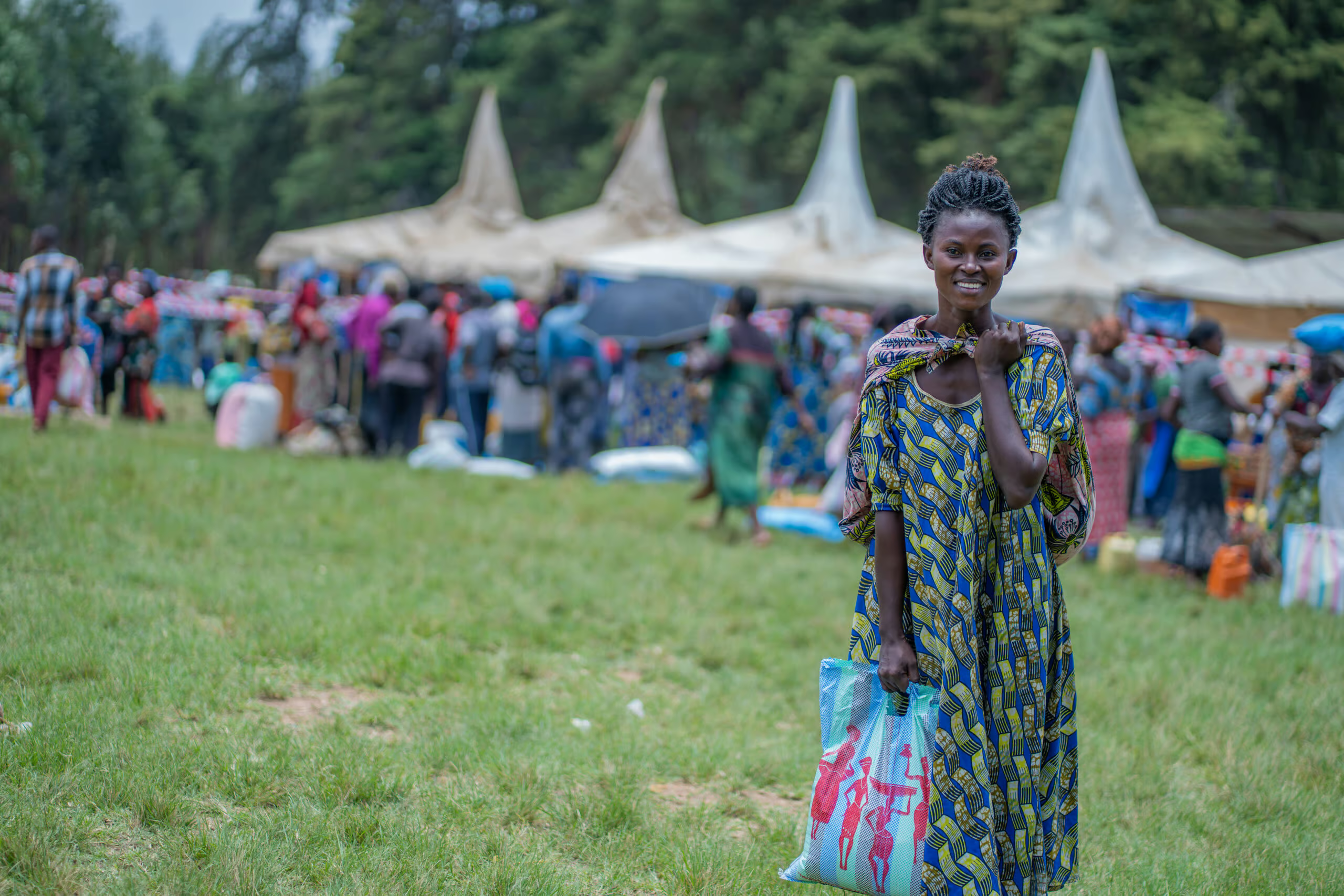
Acute Food Insecurity Soars to Five-Year High Warns Global Report on Food Crises
One year after the COVID-19 pandemic, the outlook for 2021 is grim. Conflict, economic shocks and climate change continue to drive hunger.

One year after the COVID-19 pandemic, the outlook for 2021 is grim. Conflict, economic shocks and climate change continue to drive hunger.

Our worst fears are coming true. Life-threatening hunger is up, chronic hunger is up and extreme poverty is up. Millions are on the verge of famine due to conflict. How will we respond?
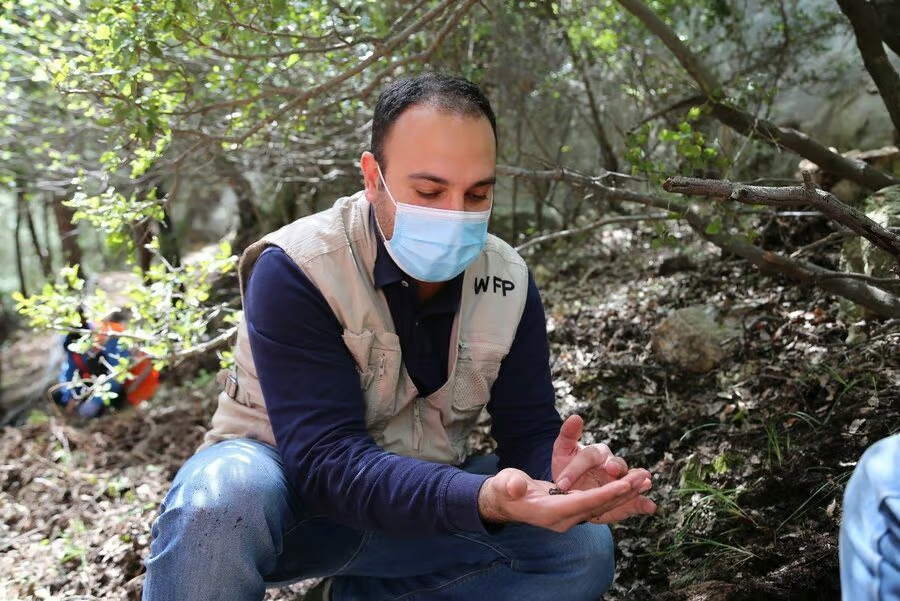
WFP’s forest management interventions are preserving Lebanon’s greenery. At a WFP site in Lebanon, we take a look at Kassem Jouni’s work with earthworms and how these unsung heroes have a lot to offer.
mVAM technology enables the U.N. World Food Programme to monitor and respond to changes in food security worldwide.
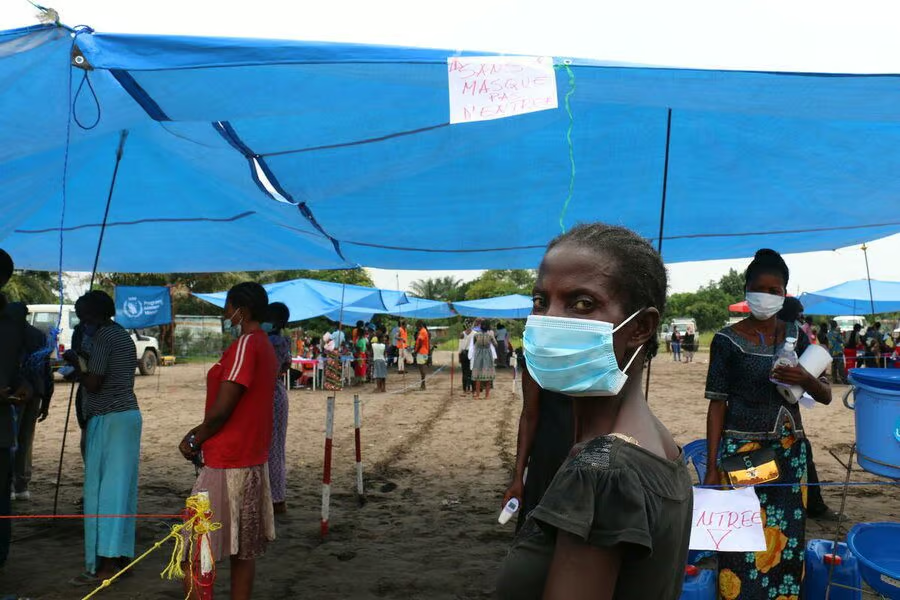
Girls and boys, men and women are being starved by conflict, inequality, climate, and COVID-19. But there is no place for famine in the 21st century, and history will judge us all by the actions we take today.
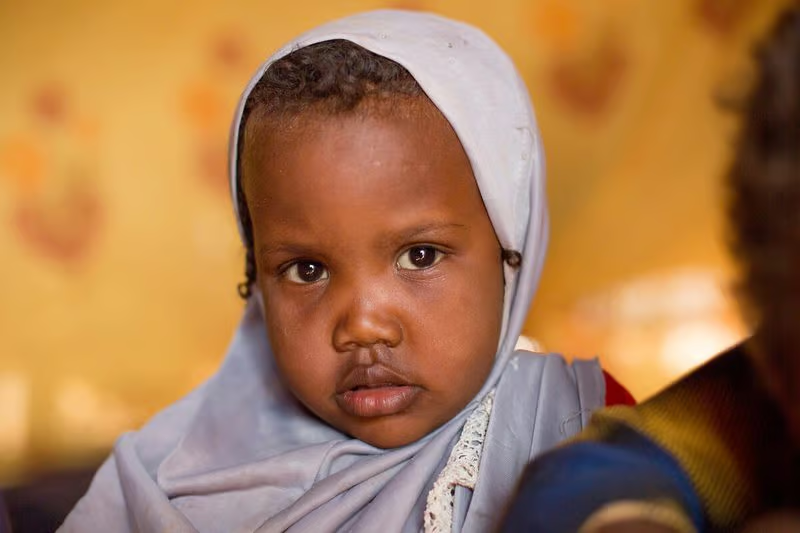
This Ramadan, we thought maybe we can FEED more people by hijacking Instagram FEEDs. All you need to do is share an empty post on your Instagram feed with the #EmptyFeed hashtag to help WFP raise awareness of the 690 million hungry people around the world.

Make no mistake: COVID-19 has made the hungry hungrier and the poor poorer. But how? What does the next year hold? Chase Sova, WFP USA senior director of public policy and thought leadership, takes a look back at the impact of COVID-19 on global food security and tells you what you need to know.

We are seeing a catastrophe unfold before our very eyes. Famine – driven by conflict, and fueled by climate shocks and the COVID-19 hunger pandemic – is knocking on the door for millions of families.

In the last year, COVID-19 has left 370 million children without school meals. WFP has begun building a school feeding coalition to find sustainable and innovative funding sources for school feeding programs, strengthen evidence and guidance to improve said programs and bring together multiple sectors to achieve better outcomes for school children globally.

Women and girls make up half of our global community – It’s time they were included in leadership positions at every level and integrated in all spheres and stages of pandemic response and recovery.