Haiti Hunger Crisis: How WFP Delivers Food Despite Violence and Insecurity
Janvier Muhima, head of WFP’s office in Port-au-Prince, shares the challenges they face delivering food amidst the violent conflict in Haiti.

Janvier Muhima, head of WFP’s office in Port-au-Prince, shares the challenges they face delivering food amidst the violent conflict in Haiti.

World Food Programme Regional Director in Latin America and the Caribbean Lola Castro speaks on the hunger crisis in Haiti.

WFP has consistently warned of alarming and deteriorating conditions on the ground, and the risks imposed by limiting humanitarian aid to hungry people in desperate need of assistance.

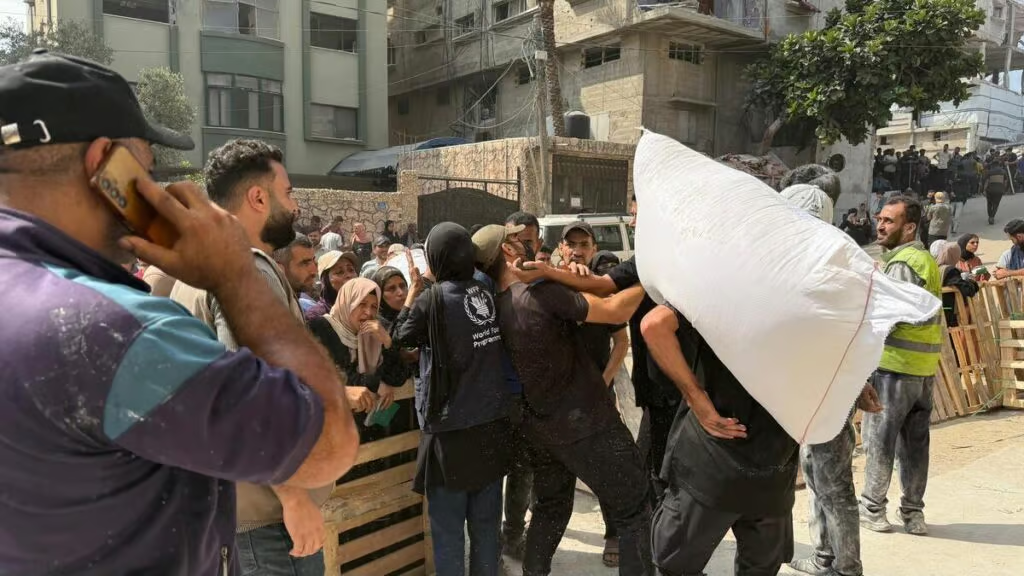
WFP and its partners must also be allowed to distribute wheat flour and food packages directly to families – the most effective way to prevent widespread starvation.


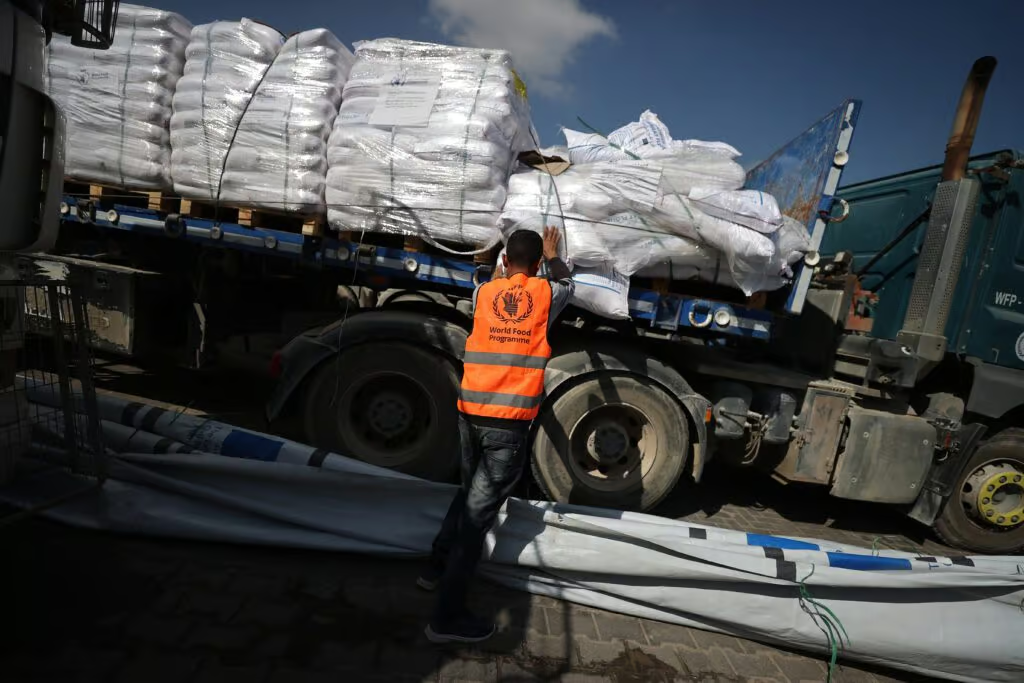
A handful of bakeries in south and central Gaza, supported by the World Food Programme (WFP), have resumed bread production after dozens of trucks were finally able to collect cargo from the Kerem Shalom border crossing and deliver it overnight.

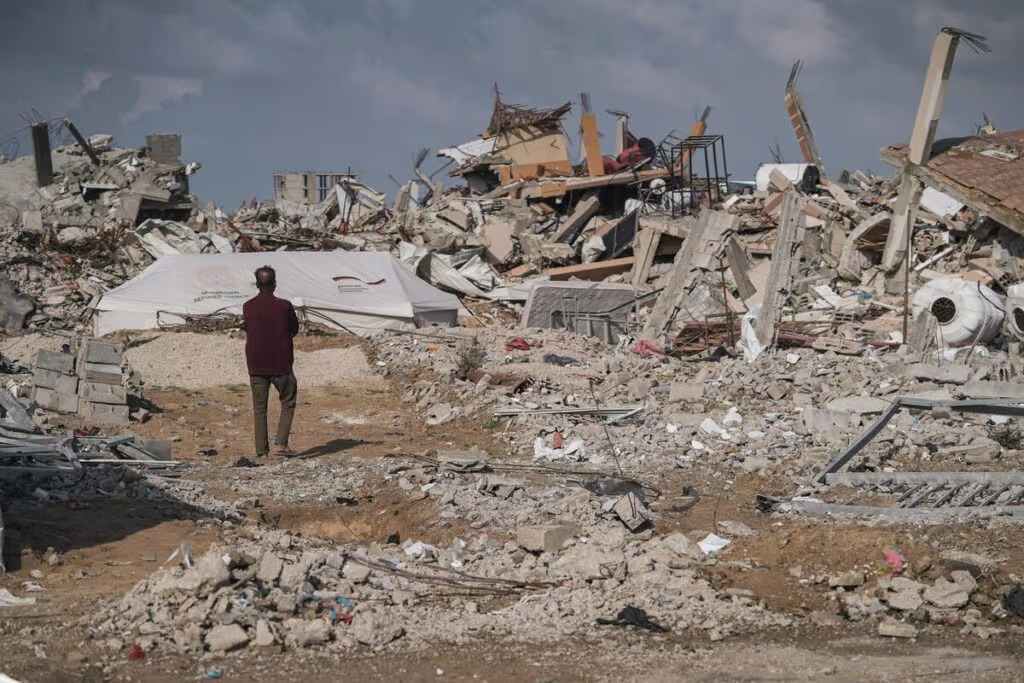
Populations across the Gaza Strip are at risk of famine as fighting has surged again, border crossings are still closed and food is dangerously scarce.

Conflict, displacement, economic deterioration and recurrent extreme weather in West and Central Africa are driving millions of people towards emergency levels of hunger.

The World Food Programme has depleted all its food stocks for families in Gaza.

Hunger and malnutrition are on the rise in Ethiopia as ongoing conflict, regional instability, displacement, drought and economic shocks leave millions without sufficient nutritious food, WFP warned today.