WFP Provides Food to Thousands Displaced from Goma After Volcano Eruption
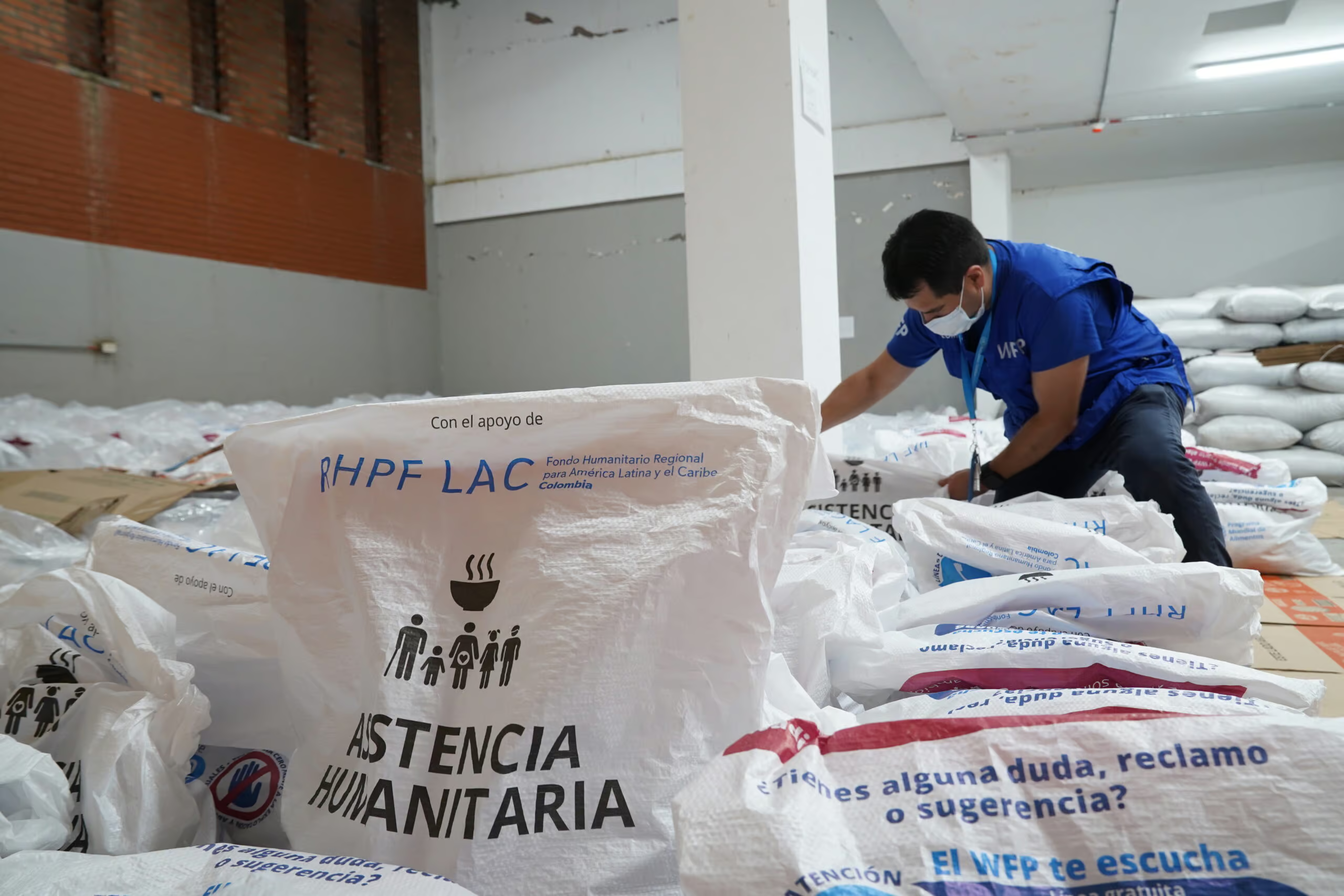
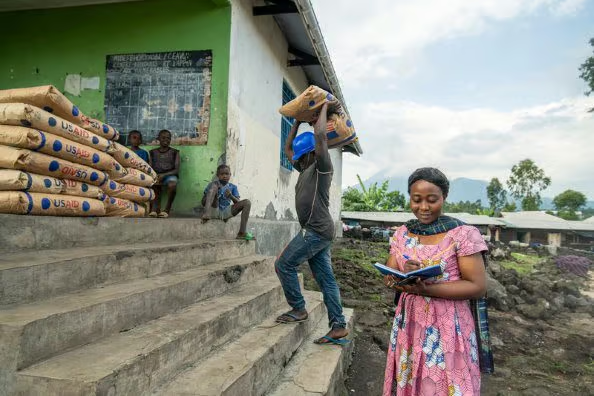
WFP has started providing emergency food rations to people displaced from their homes in Goma by the sudden eruption of Nyiragongo volcano.

WFP has started providing emergency food rations to people displaced from their homes in Goma by the sudden eruption of Nyiragongo volcano.
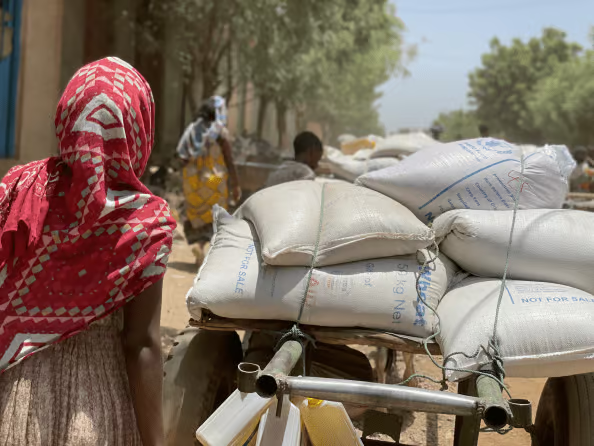
WFP has provided emergency food assistance to 1 million people since starting distributions in Northwestern and Southern zones of Tigray region in March.

Rohingya refugees are more vulnerable than at any point since 2017. Latest assessments show that 96 percent of all refugees are moderately to highly vulnerable and entirely reliant on humanitarian assistance.
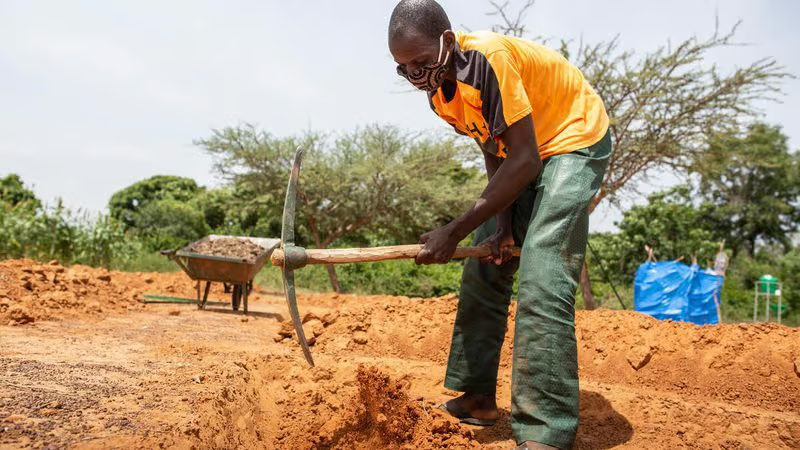
The Central Sahel is in crisis, yet “nobody is truly interested and everyone just stands by watching tragedy develop in front of our eyes,” says WFP’s Margot van der Velden.

For people who have lost or fled their homes, one of the most pressing needs at the moment is food. WFP has started providing emergency assistance for more than 51,000 people in north Gaza in response to the recent escalation of conflict.

Disasters disproportionately affect the world’s poorest people and communities, significantly increasing hunger, malnutrition and their exposure to risk. Here are 14 key facts on the link between disasters and hunger.
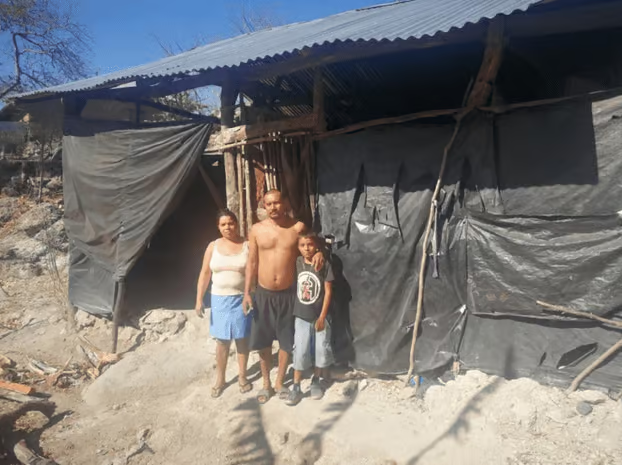
Maria’s family invested all their money in corn crops, then watched them wither away from drought. Now they’re struggling to put food on the table and praying for rain.
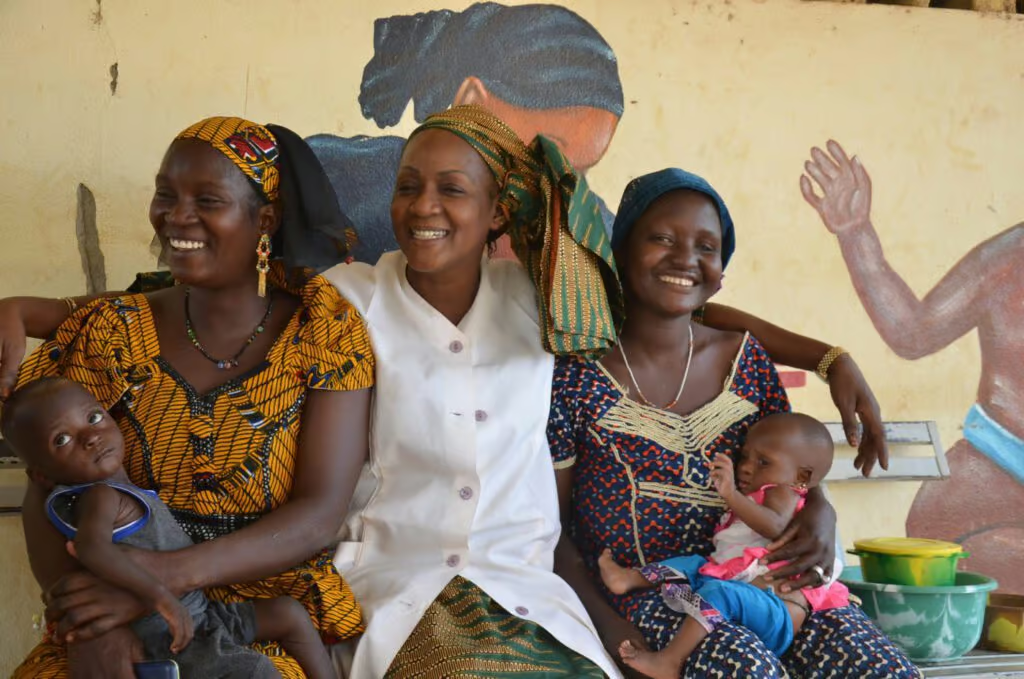
It’s International Nurses Day, and we’re taking a moment to recognize some of the most crucial members of our global community. Meet the nurses working alongside WFP to save lives.
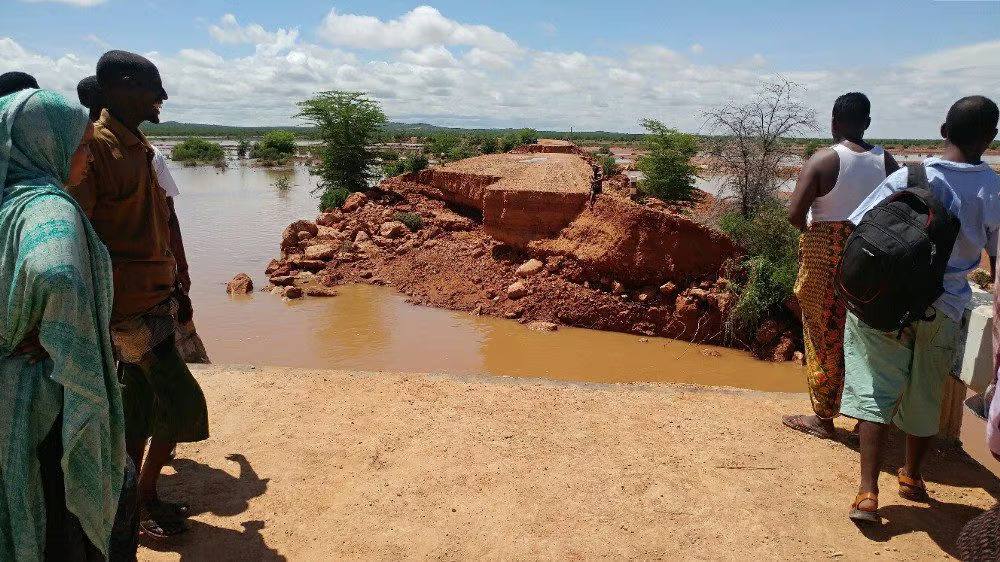
Imagine waking up to a wave of water running across your floor and hearing your six children cry out in fear. This is what happened to Agan in Ethiopia when floods washed away everything she had.

Our worst fears are coming true. Life-threatening hunger is up, chronic hunger is up and extreme poverty is up. Millions are on the verge of famine due to conflict. How will we respond?