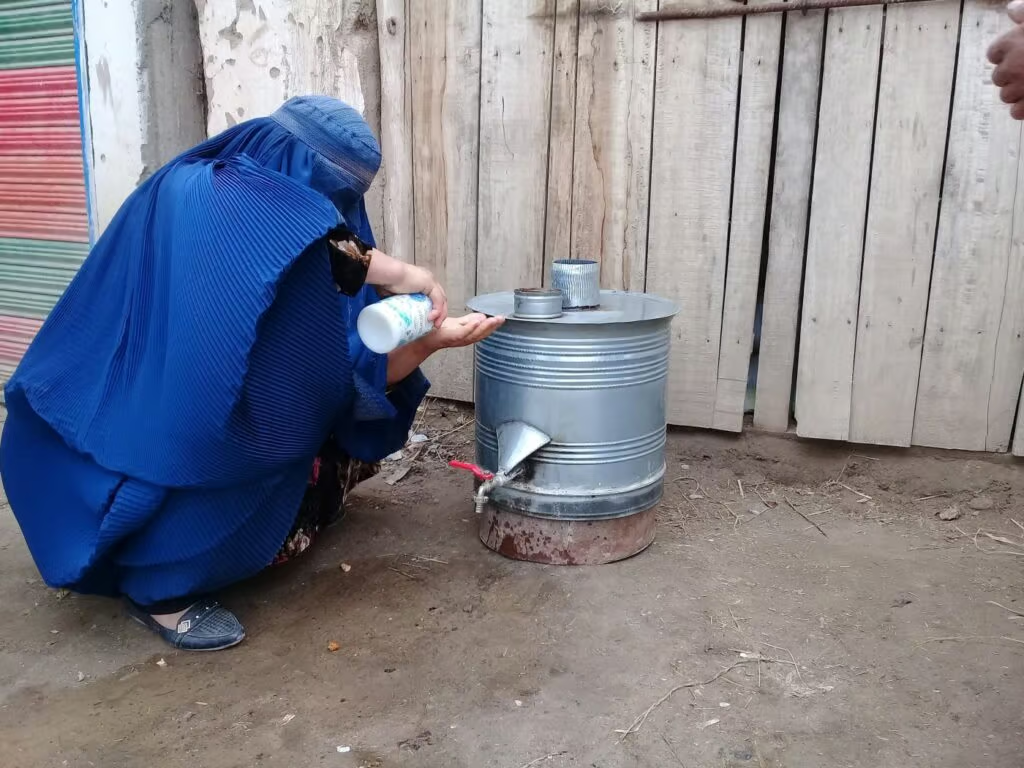
Afghans Face Down Hunger As They Suffer From the Impact of the Coronavirus Pandemic
Three Afghans share their stories of getting help from WFP. They’re the reason funding is needed to survive the pandemic.

Three Afghans share their stories of getting help from WFP. They’re the reason funding is needed to survive the pandemic.

A single mother in Zimbabwe struggles under the threat of coronavirus: her crops are failing, her children are out of school and food is increasingly scarce. Here’s how WFP is helping.
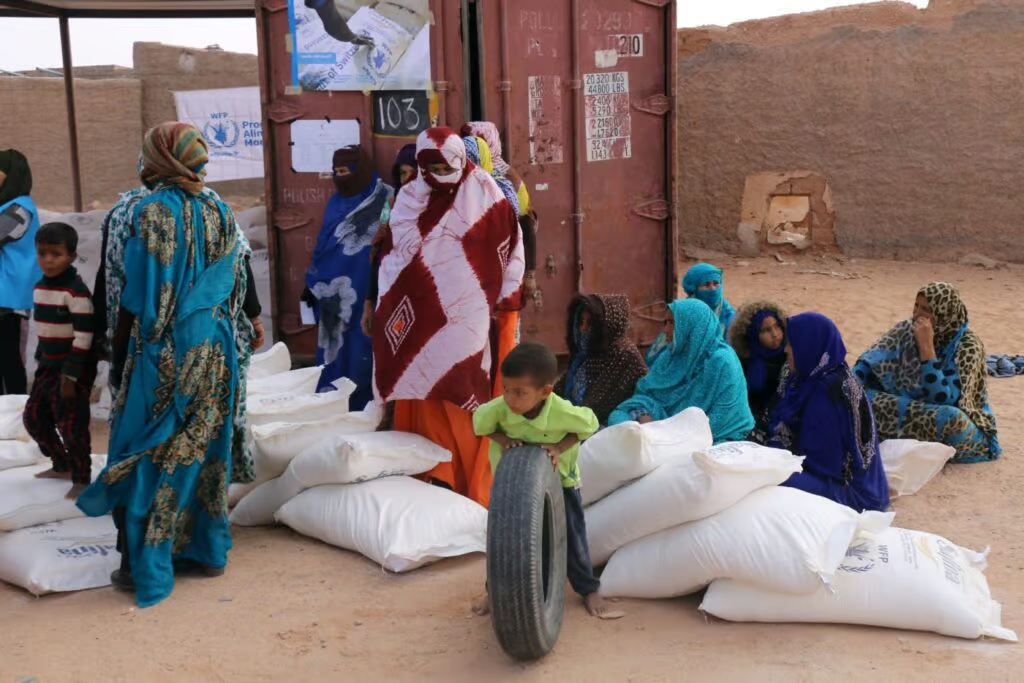
Coronavirus has exacerbated the lives of refugees who’ve been living in the Sahara Desert for the past 45 years. Here’s our appeal, and how we plan to help.
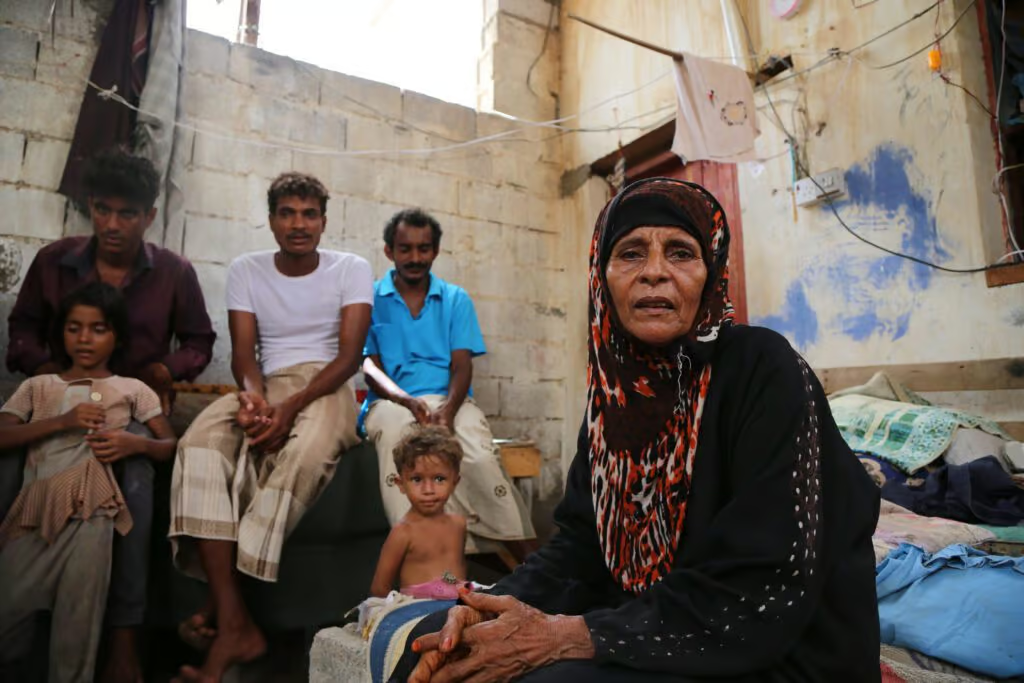
On April 21, WFP ED David Beasley addressed the UN Security Council, asking them to act quickly to prevent COVID-19 from pushing millions of people into famine.

Chase Sova, WFP USA sr. director of public policy and research, draws on a new WFP report to explain how COVID-19 is expected to double global hunger by the end of 2020.
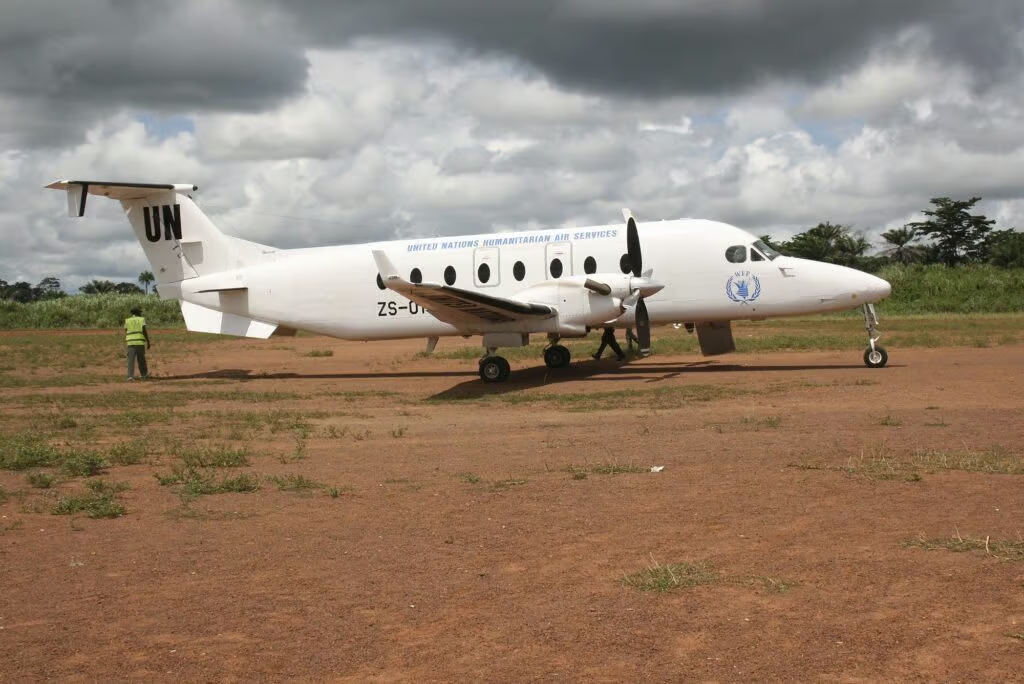
The Government of Ethiopia and WFP opened a new hub inside Addis Ababa’s Bole International Airport from which COVID-19 supplies, equipment and humanitarian workers will be transported by air across Ethiopia and Africa.
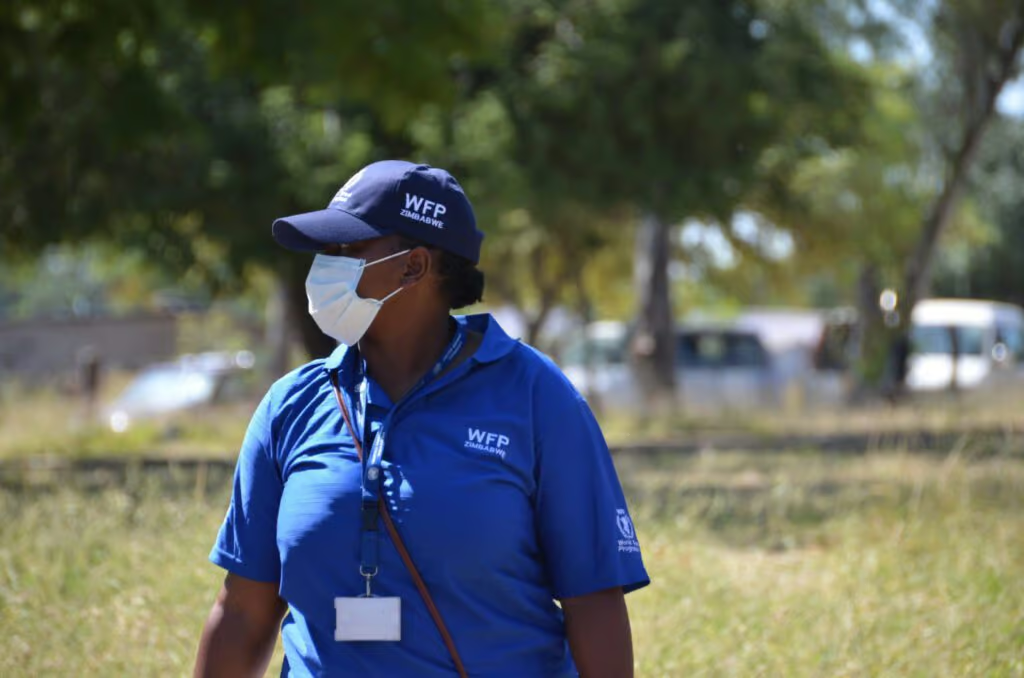
On March 30, WFP officially classified the COVID-19 crisis as an L3 emergency. But what, exactly, does this mean?

Two World Food Programme nutrition experts talk about how to protect the most vulnerable people – children – during the Coronavirus pandemic
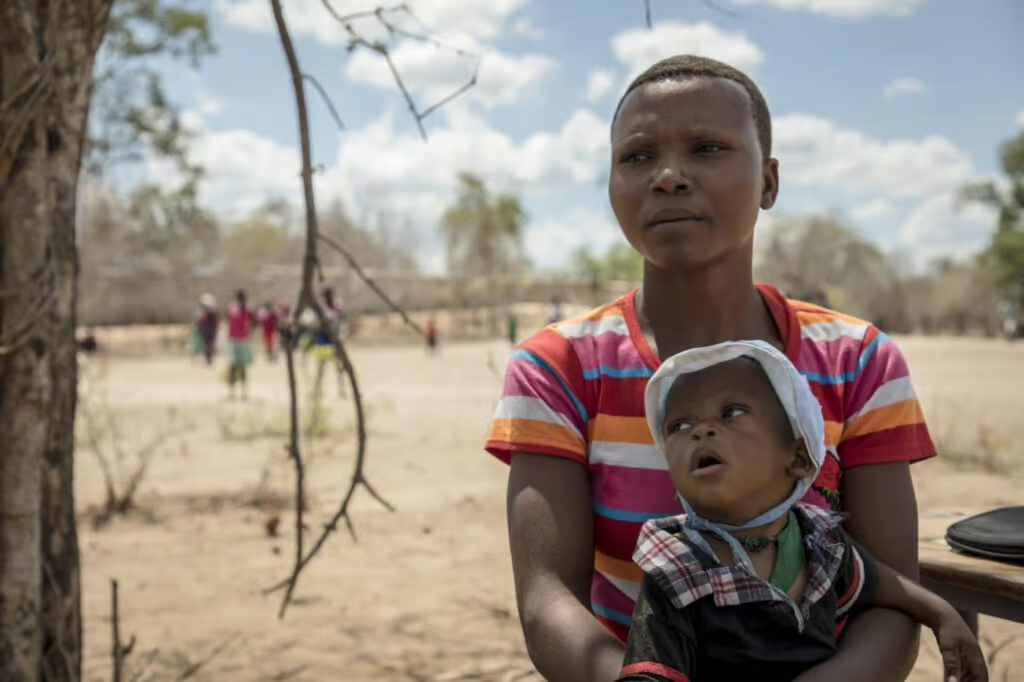
“The COVID pandemic risks even wider and deeper desperation,” said Eddie Rowe, WFP’s Country Director. “We must all do our utmost to prevent this tragedy turning into a catastrophe.”
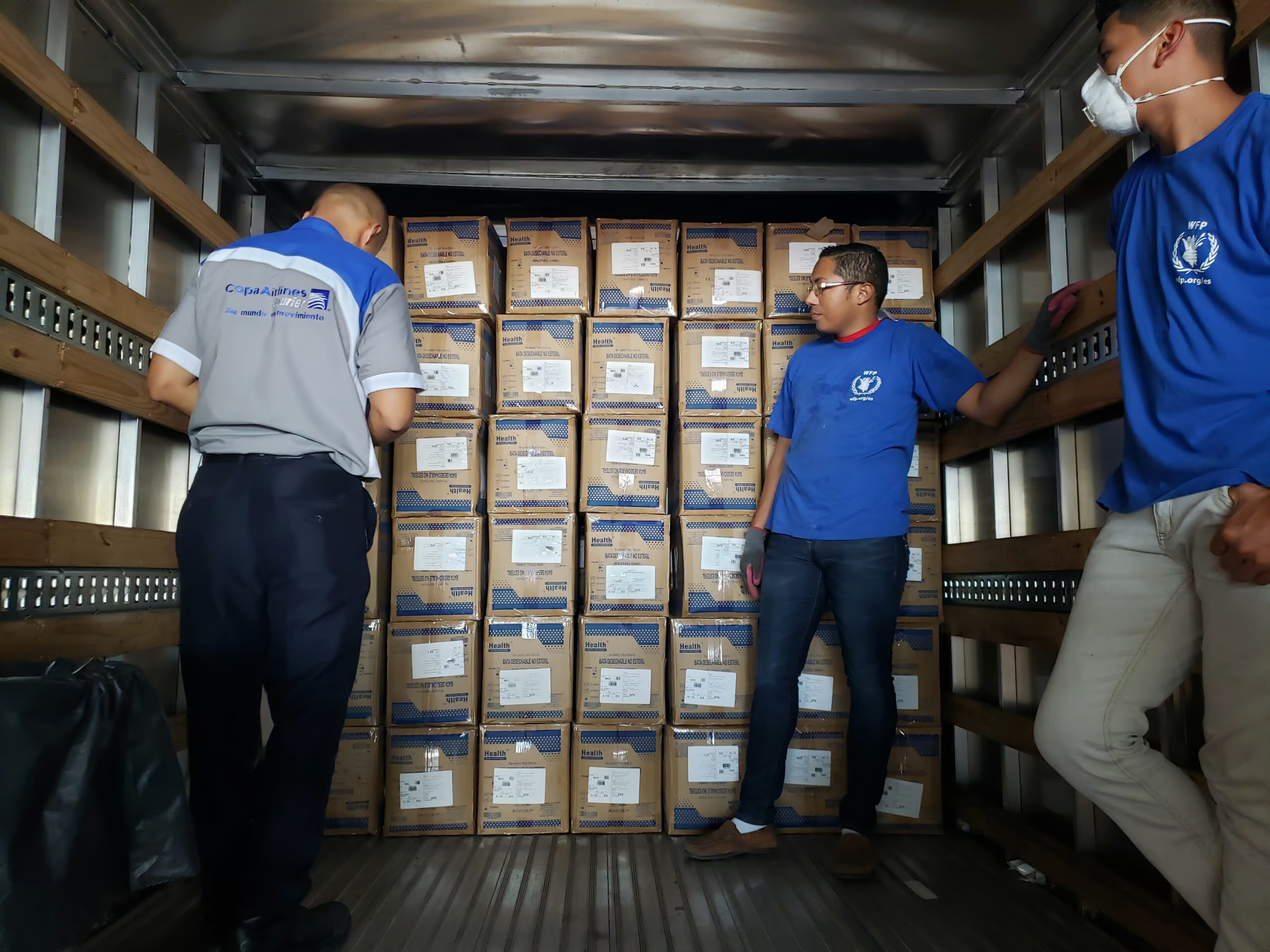
The United Nations Humanitarian Response Depot (UNHRD) in Panama has already airlifted more than eight tons of supplies, including COVID-19 kits, to 24 countries.