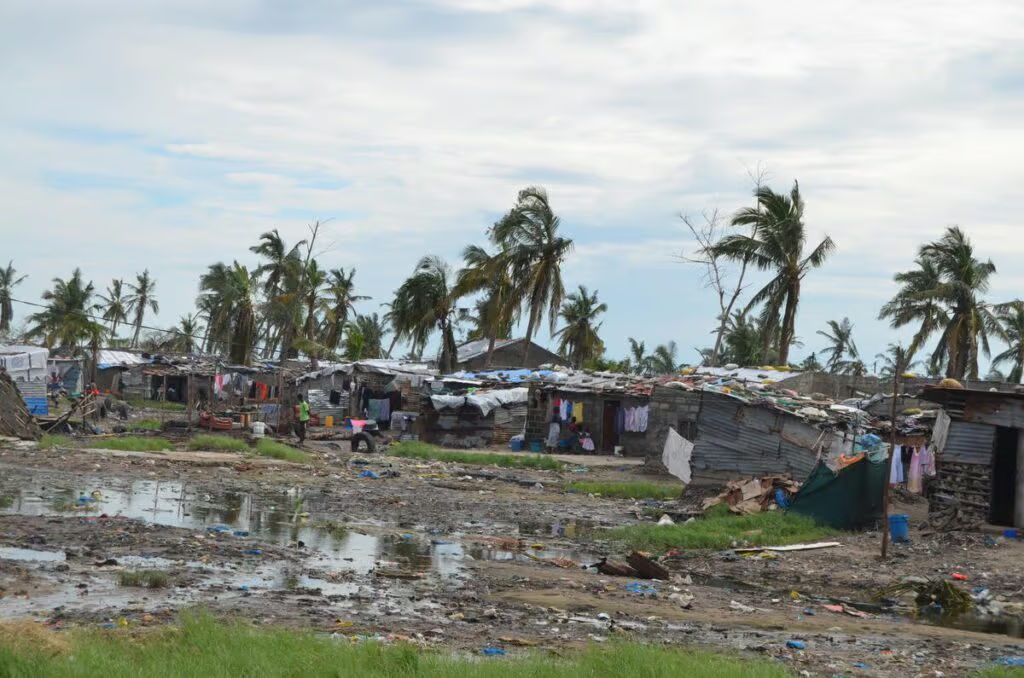
WFP’s Response to Tropical Cyclone Eloise in Mozambique
The storm hit Mozambique at one of the worst possible times: January to March is the peak lean season – when people struggle the most to find food.

The storm hit Mozambique at one of the worst possible times: January to March is the peak lean season – when people struggle the most to find food.
WFP never abandons hope. We’re applying it in spades to roll back one of the most severe hunger catastrophes in our six decades of existence.
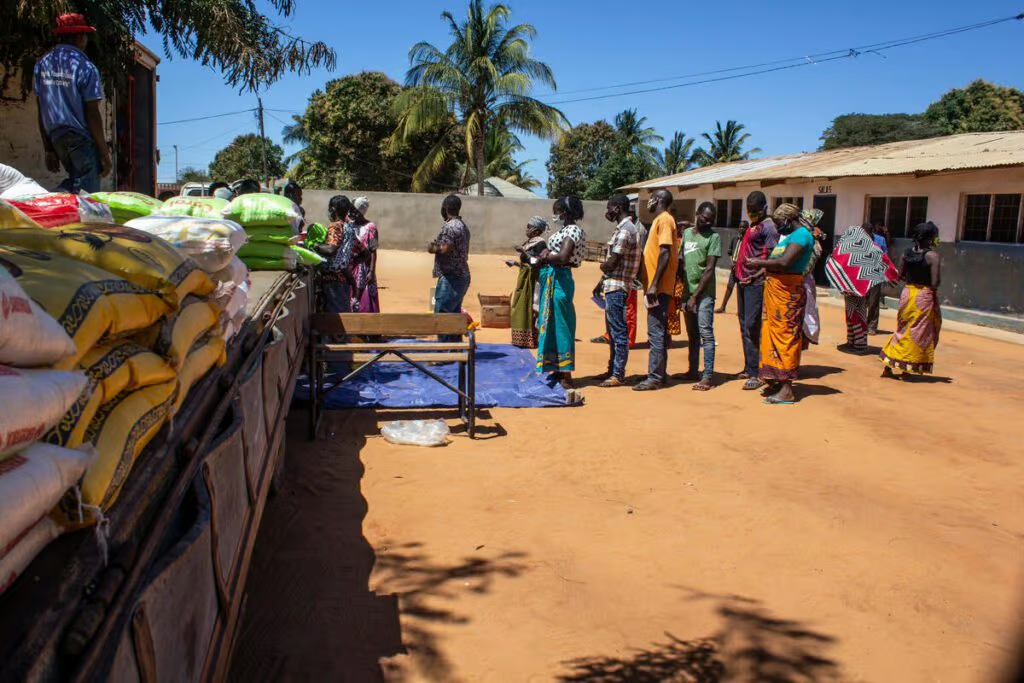
Escalating conflict and a deteriorating humanitarian situation in the Cabo Delgado province has left communities stranded and struggling.
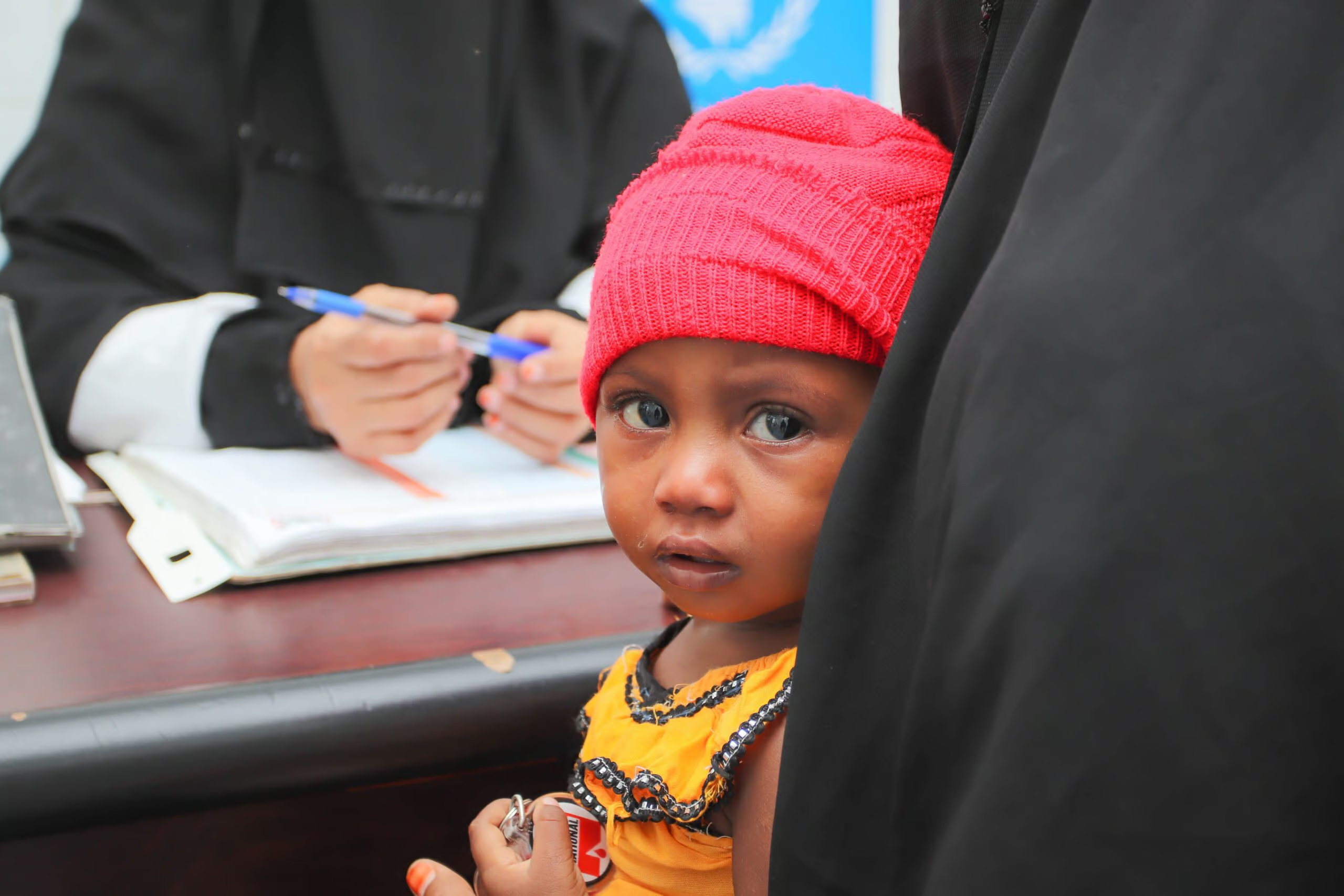
“We anticipate 80% of the population to immediately start moving into the most extreme forms of hunger. We’re going to have a catastrophe on our hands,” said Executive Director David Beasley.
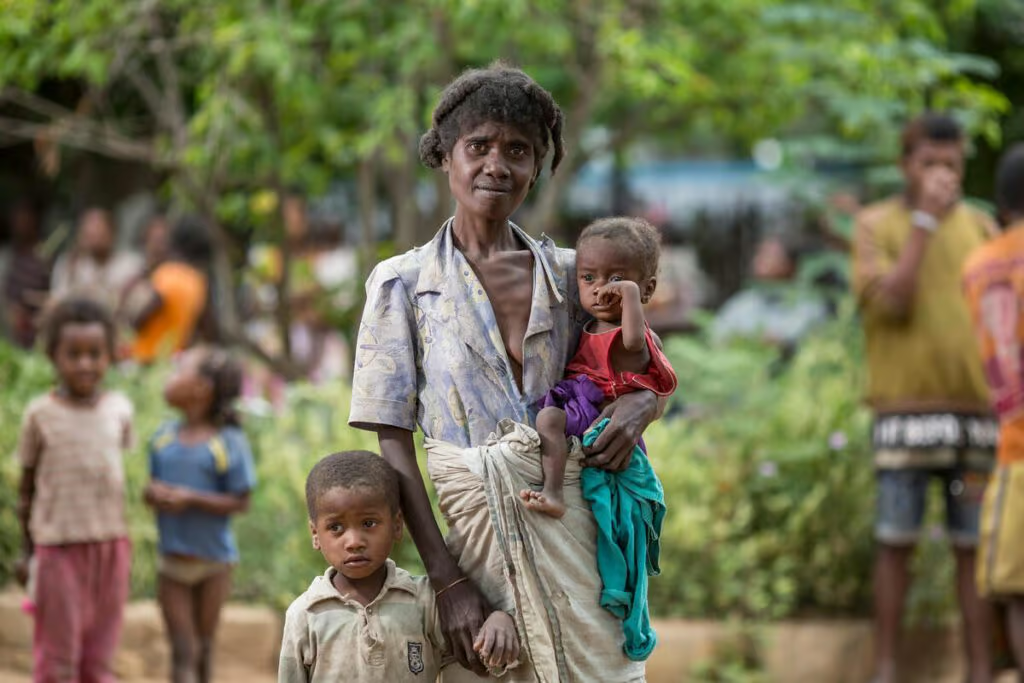
With malnutrition rates spiraling and children forced to beg to help their families eat, urgent action is needed to prevent a crisis.
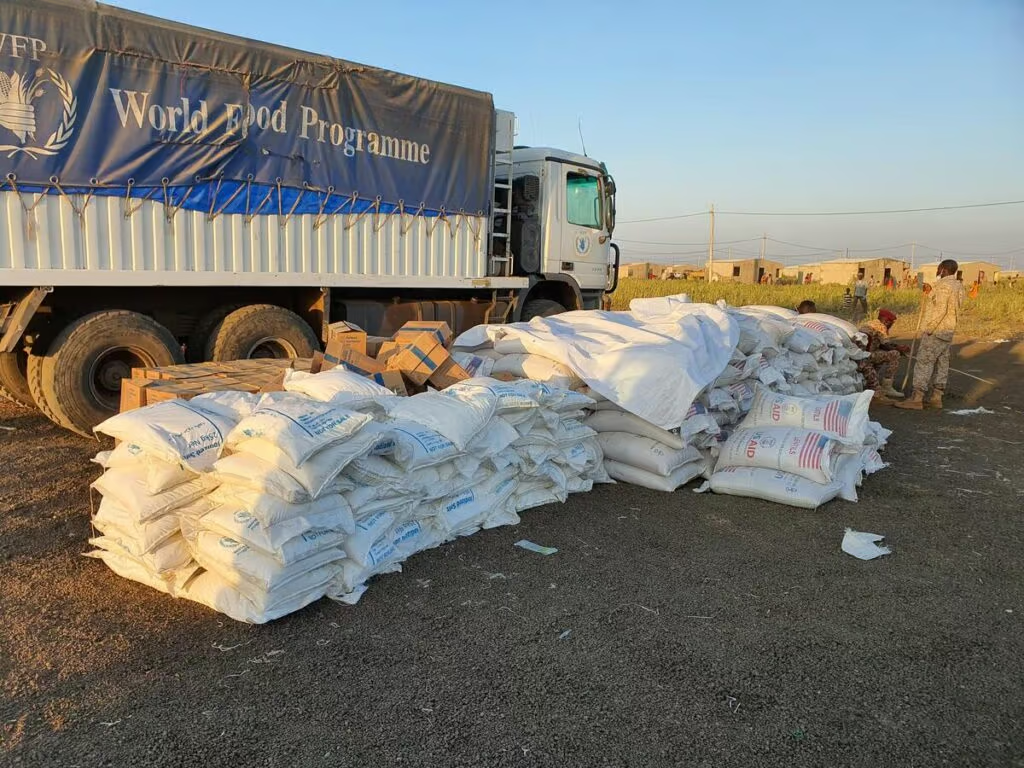
Refugees in the Ethiopian camps depend on WFP food assistance for survival, and maintaining a consistent supply is crucial.
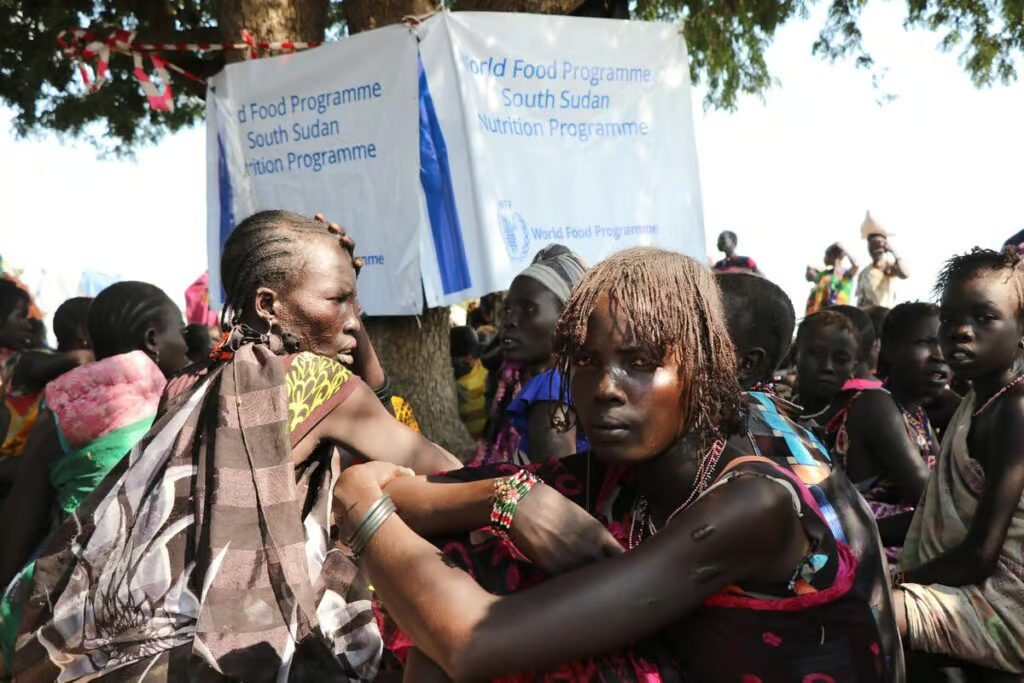
Conflict, floods and COVID-19 are pushing more people into extreme hunger.
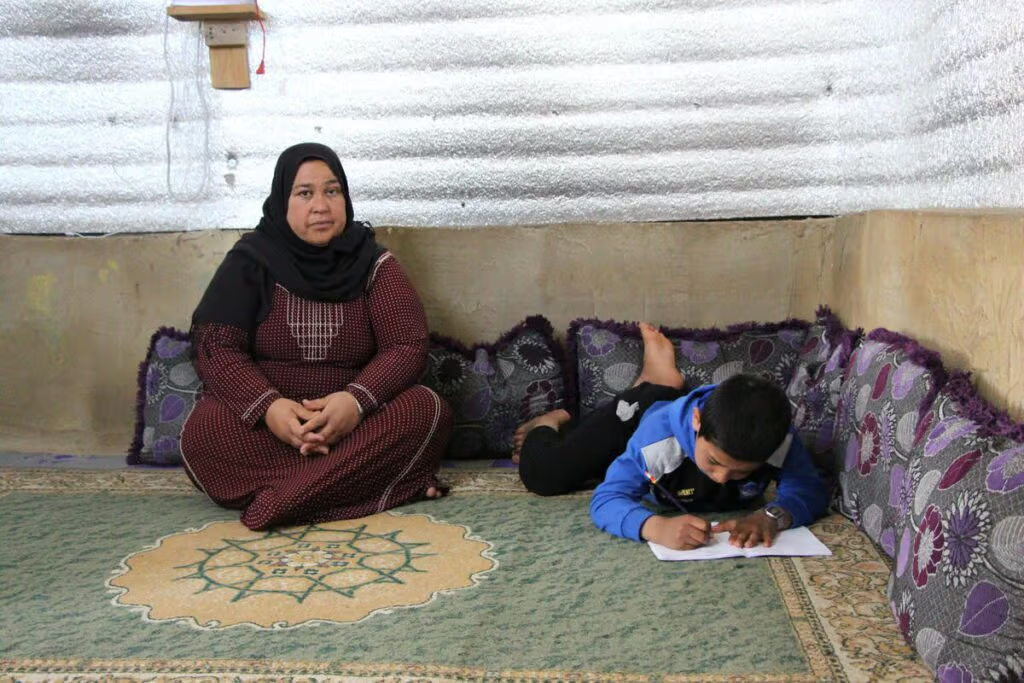
The economic downturn, steep inflation, COVID-19 and the Beirut blast have pushed Syrian refugees in Lebanon to the brink.
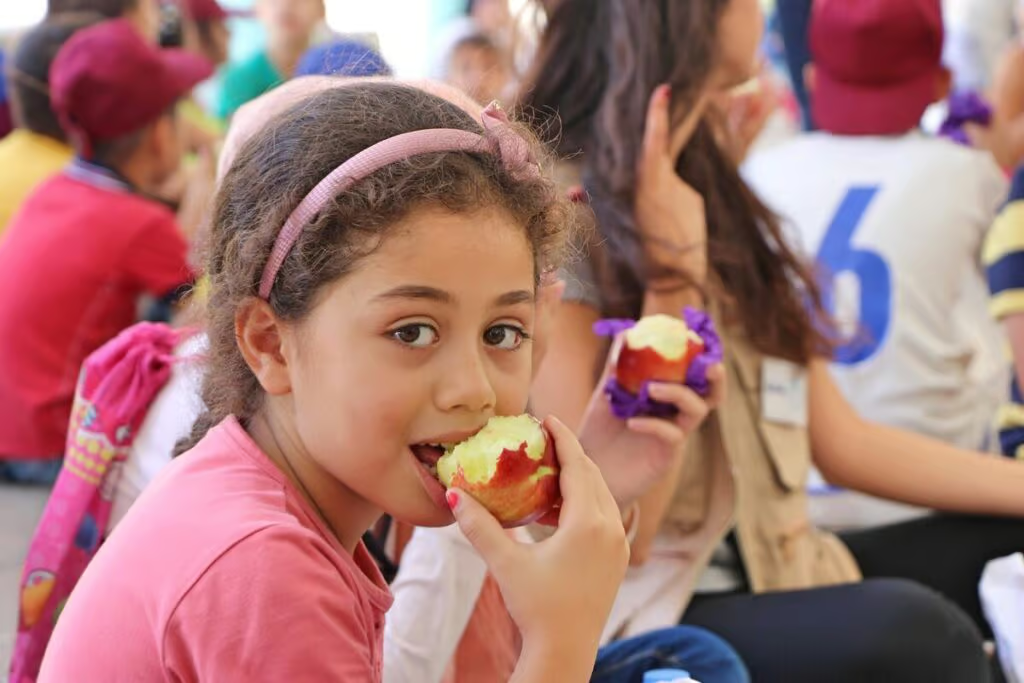
Our partnership is protecting children and helping families cope with the impact of multiple crises by sending food straight to their homes.
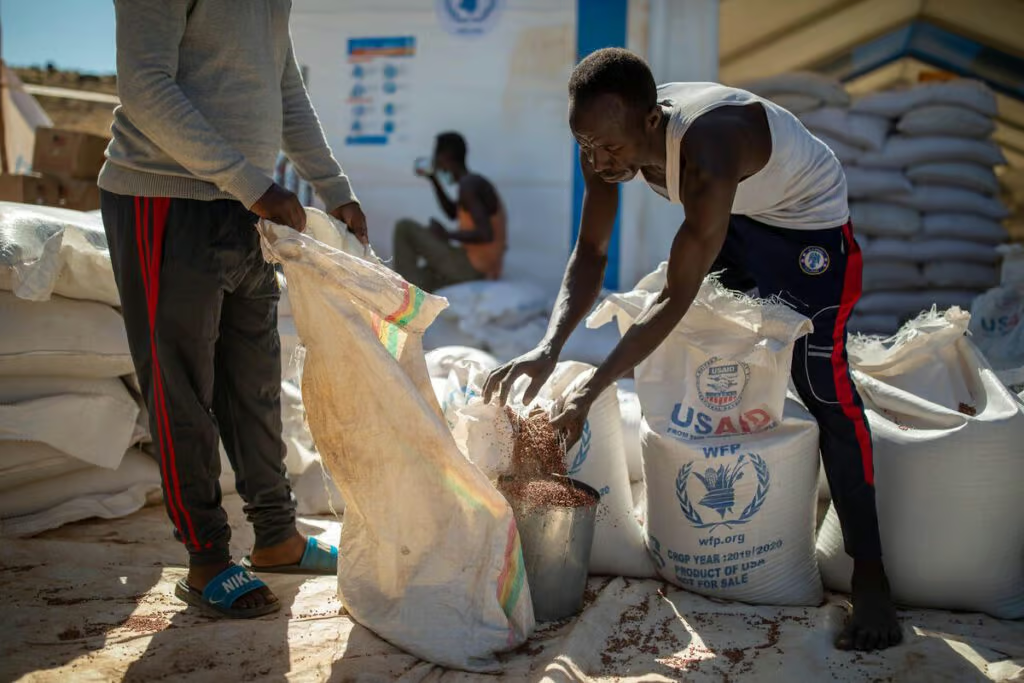
Nonprofits have the tools and experience to heal the world, and expectations are high. We must do everything we can to live up to them.