Rohingya Crisis: A Firsthand Look Into The World’s Largest Refugee Camp
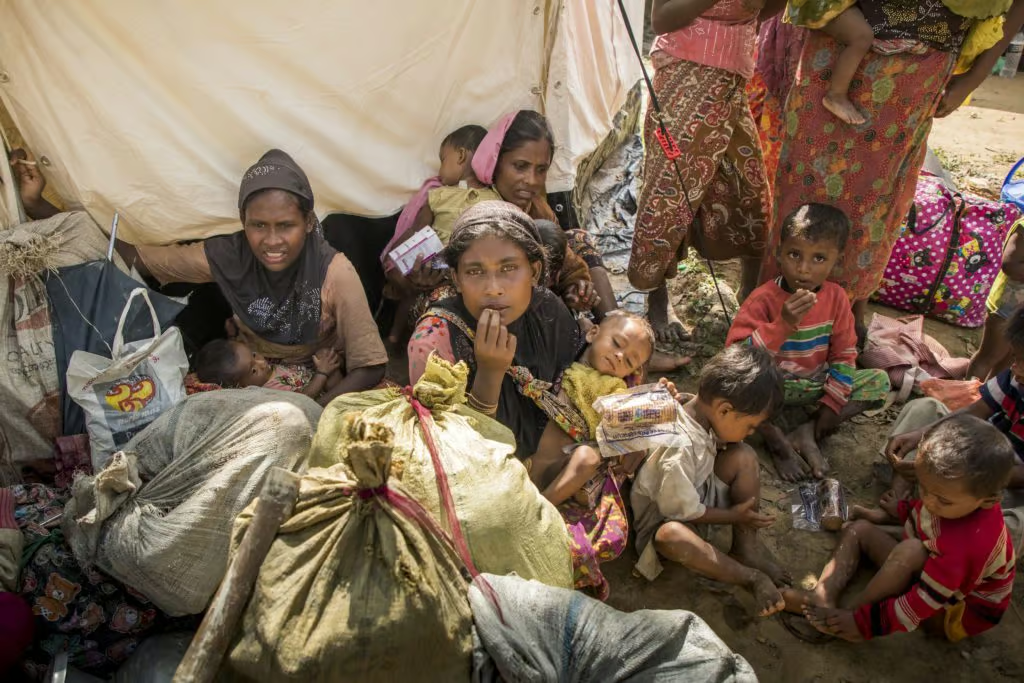
Hear one aid worker’s account of feeding a makeshift city of 1 million Rohingya refugees – and the new threats that loom.

Hear one aid worker’s account of feeding a makeshift city of 1 million Rohingya refugees – and the new threats that loom.
As the House and Senate continue to work towards agreement on another COVID-19 relief package, I urge members to support the inclusion of robust funding for international aid.

Levels of hunger across the country are reaching record high levels. But we have prevented famine in Yemen before, and we can do it again.
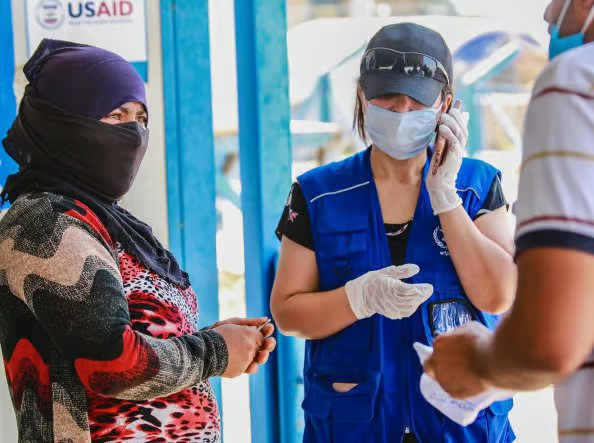
This fresh support from USAID comes at a crucial time when COVID-19 and disrupted food access is harming already vulnerable Iraqi families.
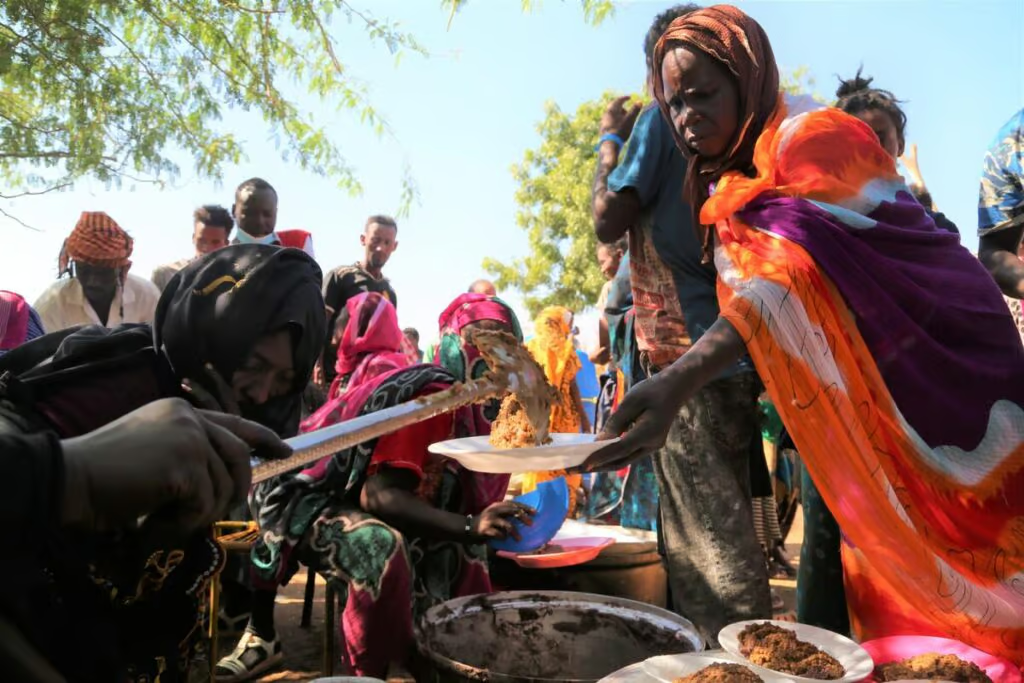
More than 30,000 Ethiopians have crossed across into Sudan, fleeing conflict in their home region. We urgently need additional funding to save their lives.
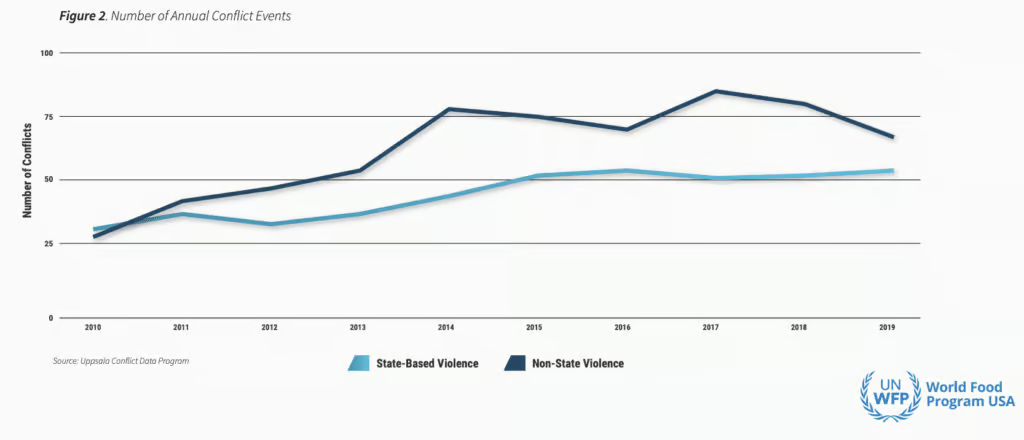
Conflict, displacement, natural disasters: they’ve left 149 million people facing severe levels of hunger. Here’s why and how it happens.

WFP cameraman Marco Frattini reflects on his experience documenting the world’s largest humanitarian crisis in Yemen.
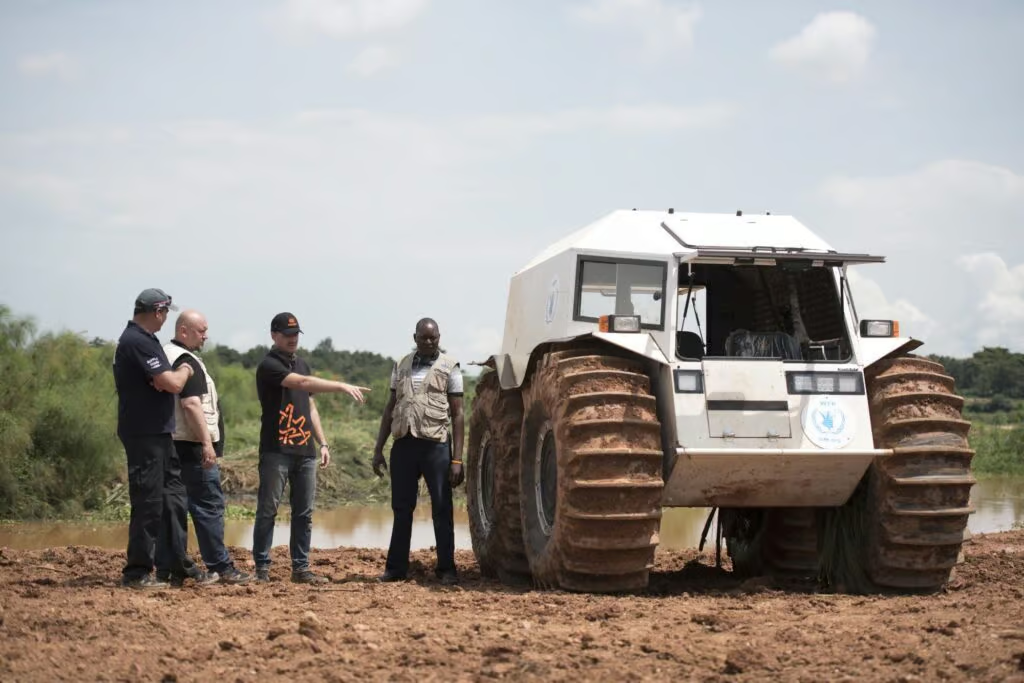
Meet the river fording, jungle trekking, all-terrain vehicle that’s helping us get food to people in the most remote places.

In fragile and conflict-hit countries, it’s not the virus itself that will do most harm. It’s the missed vaccinations, the missed education and the missed daily wages that means a family can’t eat.
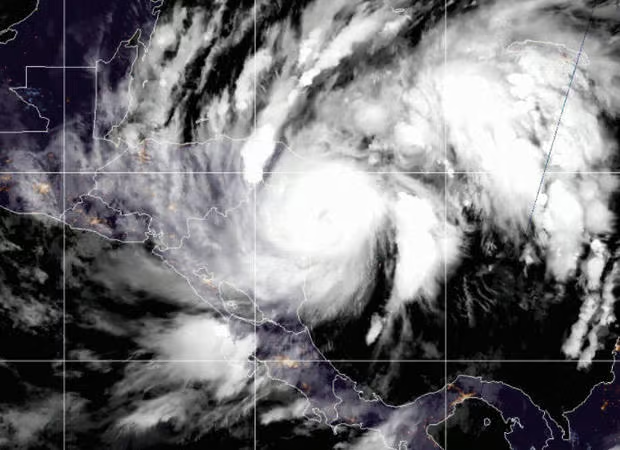
In Nicaragua, some 80,000 families are at risk. We have shipped drinking water, storage containers, and 275 metric tons of rice, beans and vegetable oil in response.