Peak Rains in Bangladesh
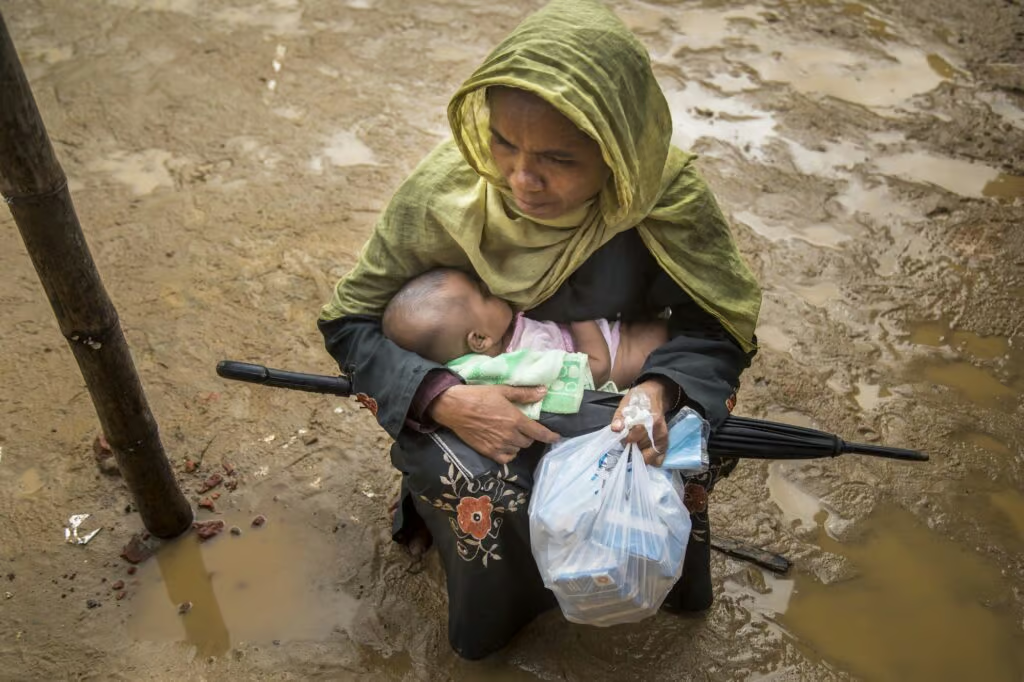
Halfway through the year, a nonstop effort is underway to protect hundreds of thousands of Rohingya refugees from the worst of the monsoon season.

Halfway through the year, a nonstop effort is underway to protect hundreds of thousands of Rohingya refugees from the worst of the monsoon season.

This past May, the U.N. Security Council unanimously approved a resolution officially recognizing the link between conflict and hunger for the first time

In Bangladesh, saving lives means making sure that every Rohingya refugee has the food they need to survive.

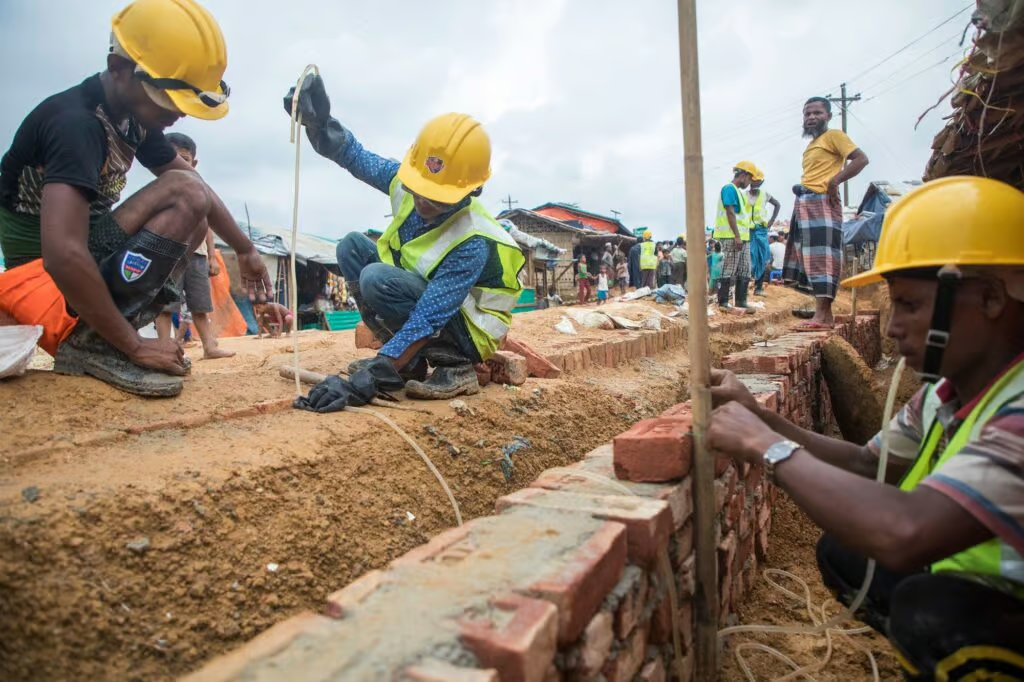
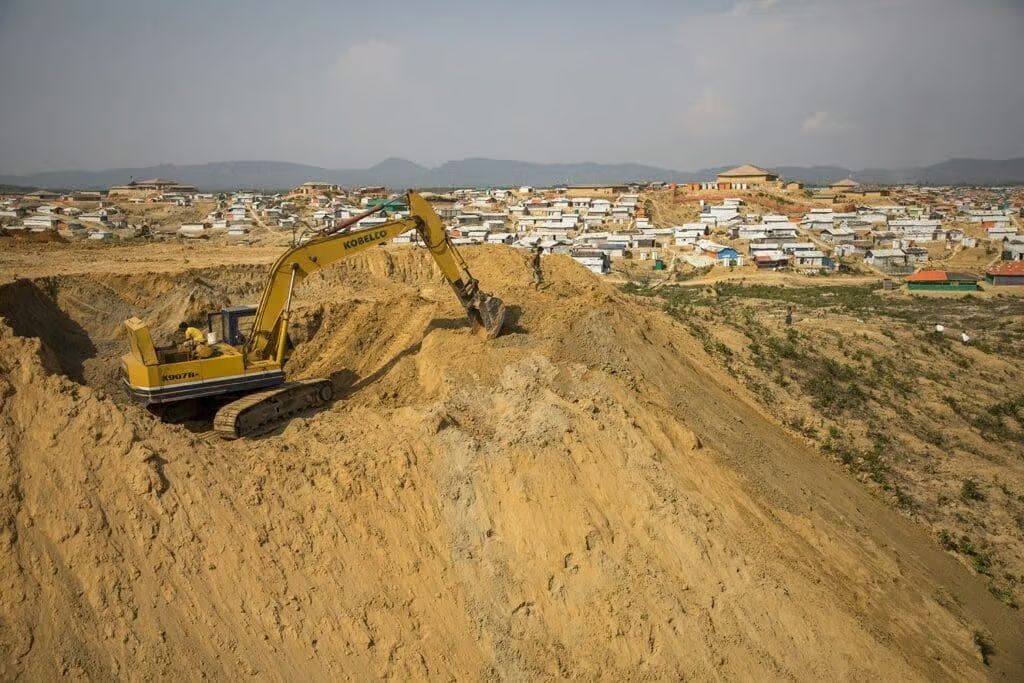
WFP engineers are in a race against time to create safe land in the world’s largest refugee camp where the most vulnerable will be relocated before the next crisis strikes.

Too often we don’t hear about the people who have been affected by this crisis. Their stories and experiences must not be forgotten.

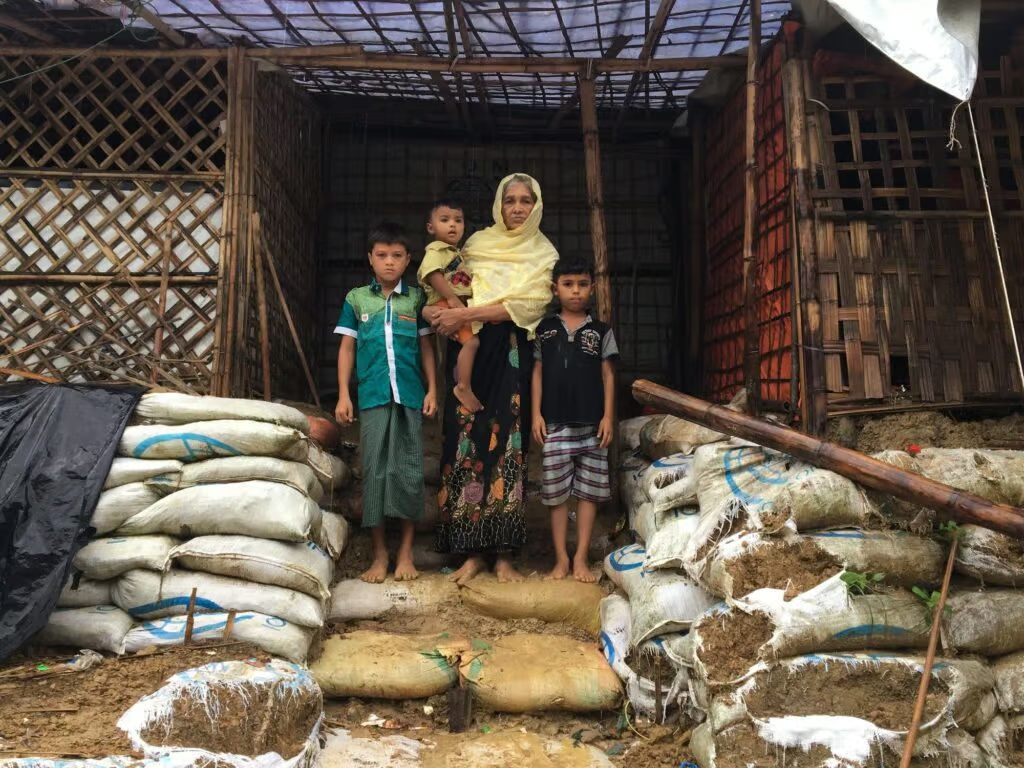
The rain has started to fall where nearly 700,000 refugees have sought safety since last August. What happens now?

The monsoon season sets new challenges for people living in camps on the Bangladesh border.

In the face of immense challenges, some rural communities in Afghanistan are building their own resilience to natural disasters. Supporting other communities to do the same will transform the lives of millions who currently depend on assistance to survive floods and droughts.

How photographs help bring the plight of the Rohingya refugees to light

Giving Rohingya women control of food assistance cash entitlements helps them enhance their social role and feed their families better