This World Food Day, we’re excited to announce the three recipients of the Fall 2018 Catherine Bertini Trust Fund Awards: Developments in Literacy in California, LIDÈ in Haiti and New Foundation School at the American University of Nigeria.
Catherine Bertini, former executive director of the World Food Programme (WFP), established the fund after winning the World Food Prize in 2003. She decided to use the prize money to support organizations aligned with her passion of empowering girls across the globe through education. This year’s recipients are engaged in inspiring work that advances Bertini’s vision of creating a brighter future for women and girls.
Developments in Literacy
Developments in Literacy (DIL) has spent the last 20 years working to expand access to quality education in Pakistan. Its mission is to educate and empower underprivileged students, especially girls, by operating student-centered model schools and providing high-quality professional development to teachers and principals.
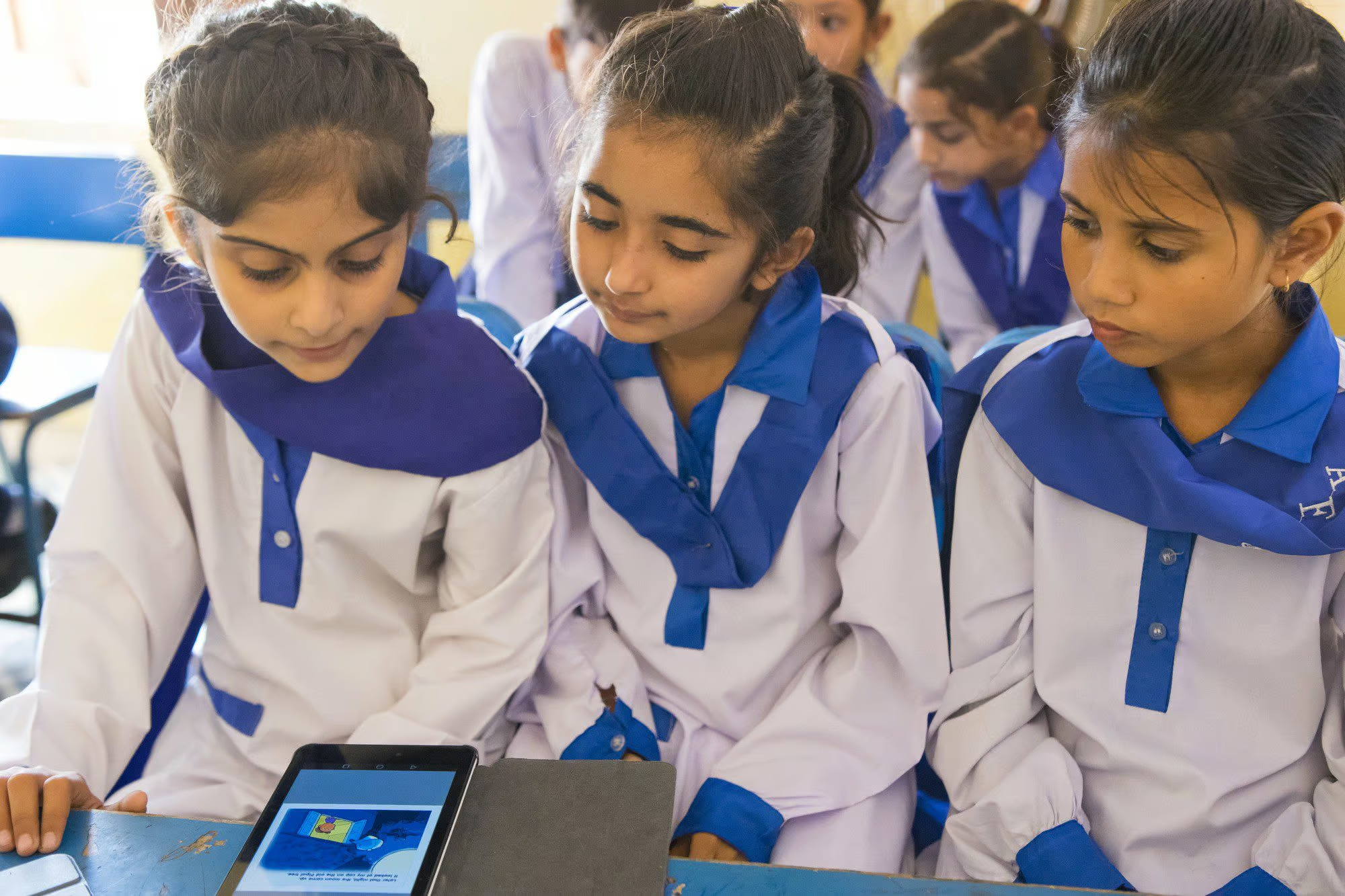
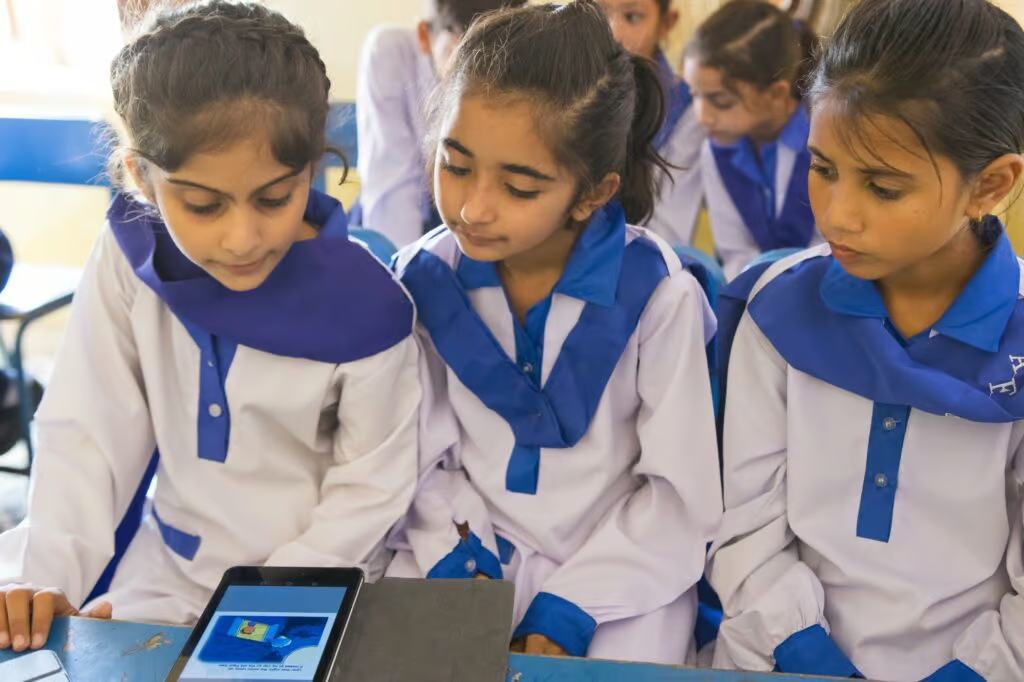
Among girls living in rural poverty, literacy rates are only 14%. Reading is a huge predictor of future success, so DIL implements innovative programs that increase reading comprehension. Funds from the Bertini Award will go towards one of these programs, Read to Grow to Know, which provides school libraries with tablets stocked with e-books of varying reading levels.
“Books are logistically challenging to get into rural areas,” said Kendra Puryear, DIL executive director. “Before starting this program, kids in our schools only had access to about four books at their reading level. The tablets drastically increase access to literature, and what’s more, they get kids excited to learn.”
The program’s pilot had remarkable success. Students’ average performance on key reading skills skyrocketed. Additionally, overall school enrollment increased while absenteeism decreased. With the help of the Bertini Fund, DIL will be giving even more girls access to tablets in schools.
LIDÈ, Haiti
LIDÈ began as a short-term intervention for adolescent girls displaced by Haiti’s devastating 2010 earthquake. However, its founders quickly realized that a more sustainable solution was necessary to empower girls to achieve their dreams.
Girls in rural Haiti are often denied access to equal education. Some have been forced out of school by poverty or limited professionally by gender roles, and many lack access to teachers with basic qualifications. And when a girl in Haiti is out of school, she is more vulnerable to child labor, domestic slavery or human trafficking, abuse and early pregnancy.