World Food Programme Forecasts Global Hunger Hotspots as New Decade Dawns
The sheer scale and complexity of the challenges in Africa and other regions will stretch the resources and capacity of WFP and other agencies to the limit.

The sheer scale and complexity of the challenges in Africa and other regions will stretch the resources and capacity of WFP and other agencies to the limit.

Sri Lanka has one of the highest rates of acute malnutrition in the world. SUN BN – a global network spanning 41 countries – aims to reduce malnutrition in all its forms through investment, innovation and sustainable actions.

Under a partnership with IOM and UNHCR, WFP has built 50,000 sqm of new roads, repaired 85,000 sqm of existing roads and stabilized 280,000 sqm of slopes.

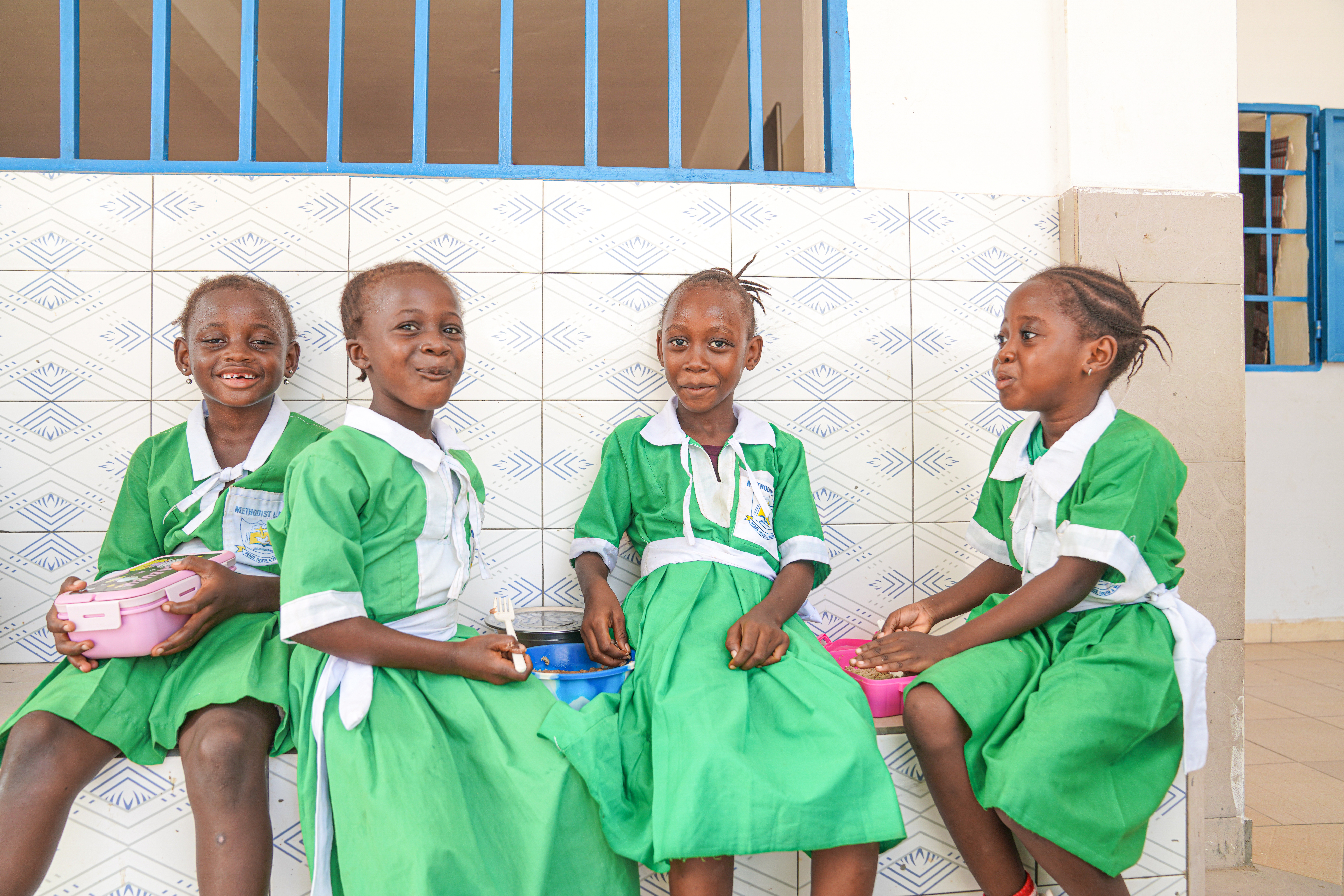
For millions of girls around the world, going to school is anything but guaranteed. These two projects are making education a reality for hundreds of them.

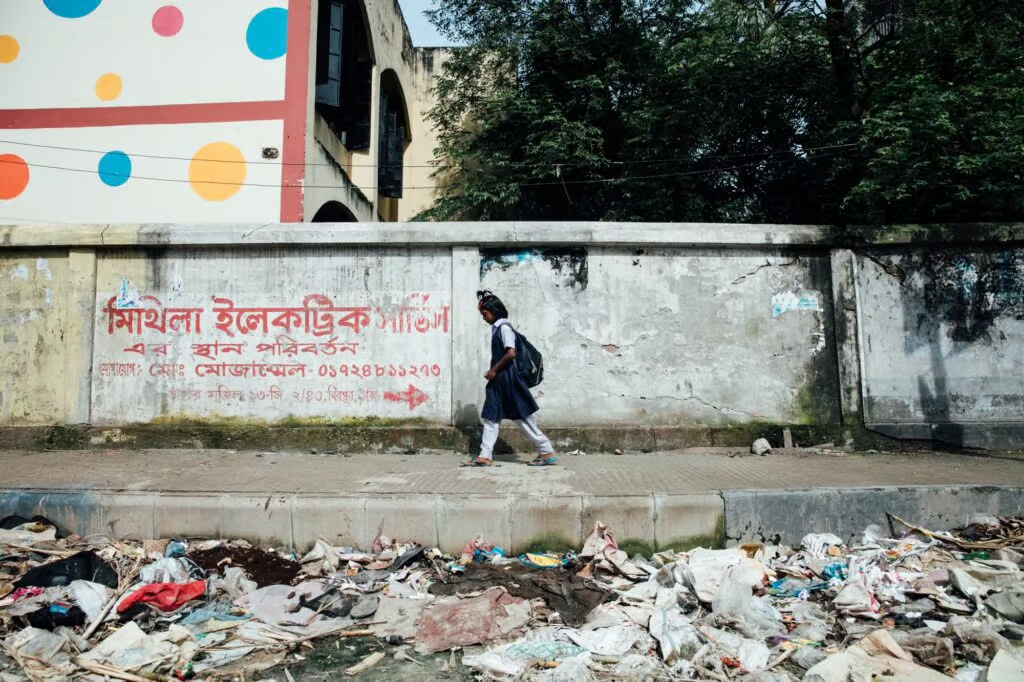
With more than 700 rivers, Bangladesh is increasingly seeing the impact of climate change. To help, 5,000 households have now received $53 through an innovative forecast-based financing project.

With an investment of $72 million, the Government is set to reach 100,000 women with livelihood training, behavior change education and food assistance.

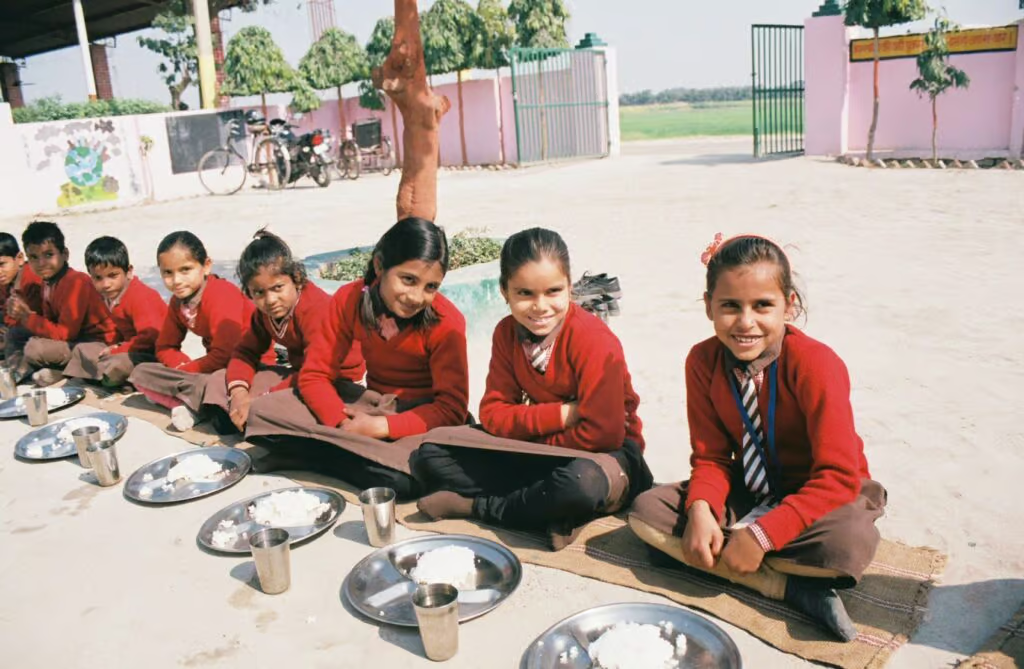
Recently returned from India, WFP Development Director Torrey Shallcross recalls her meaningful experience visiting a school that receives WFP meals.

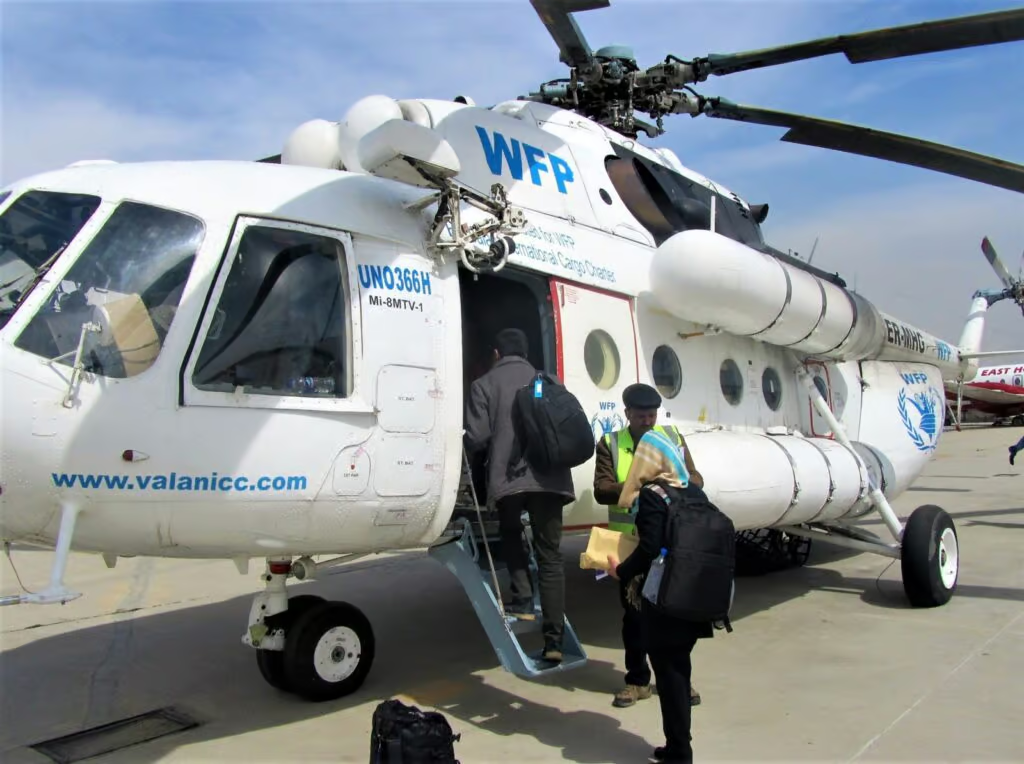
In Afghanistan, the UN Humanitarian Air Service is launching a new initiative to get more female Afghan humanitarians into the skies and the field.

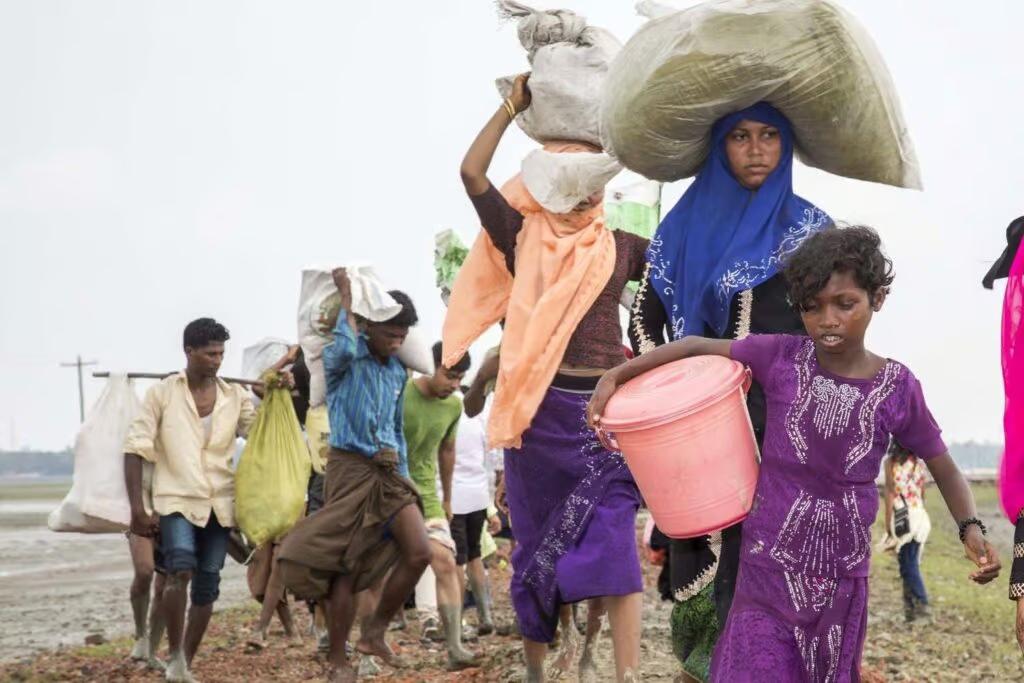
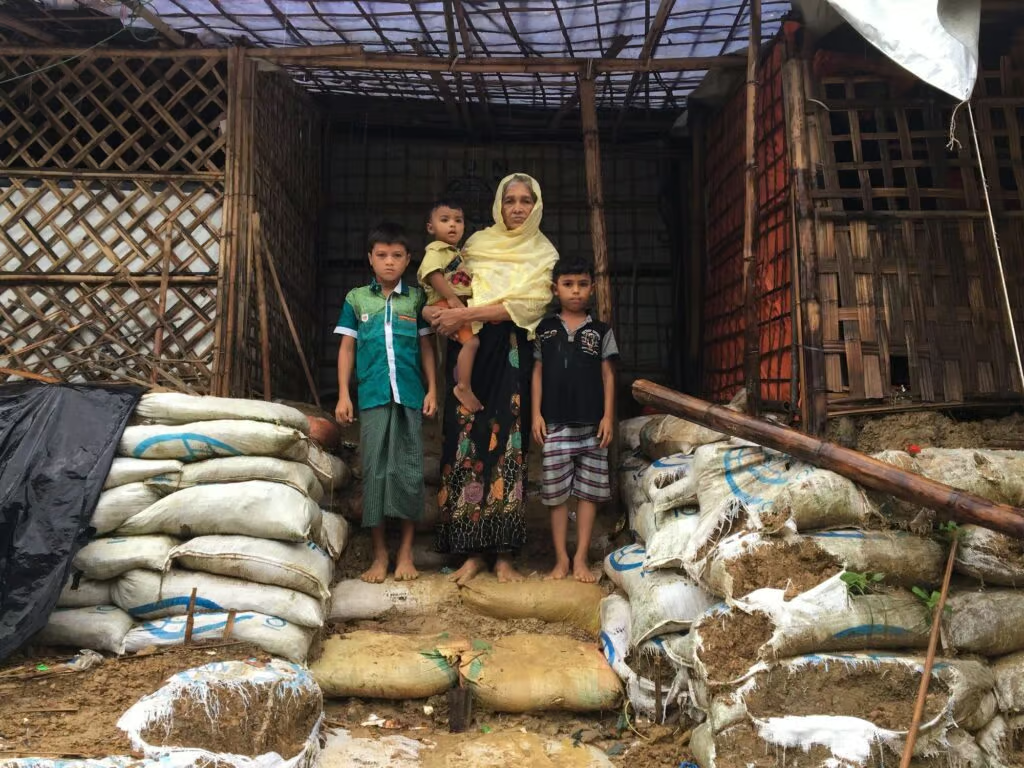
There are more than 900,000 people living as refugees in Cox’s Bazar and WFP is providing life-saving assistance to more than 95% of them.

The General Mills Foundation recently announced a continuation of support of its malnutrition prevention efforts through nutritional fortification in India’s mid-day school meals program.