Malawi
With a majority of livelihoods dependent on agriculture, the population of Malawi is highly vulnerable to the effects of natural disasters such as drought and flooding.

With a majority of livelihoods dependent on agriculture, the population of Malawi is highly vulnerable to the effects of natural disasters such as drought and flooding.

The cumulative effects of frequent drought, armed violence and widespread insecurity have progressively hurt people’s livelihoods.

Two back-to-back massive cyclones in 2019 devastated the country. Now COVID-19 threatens to wreak more havoc.

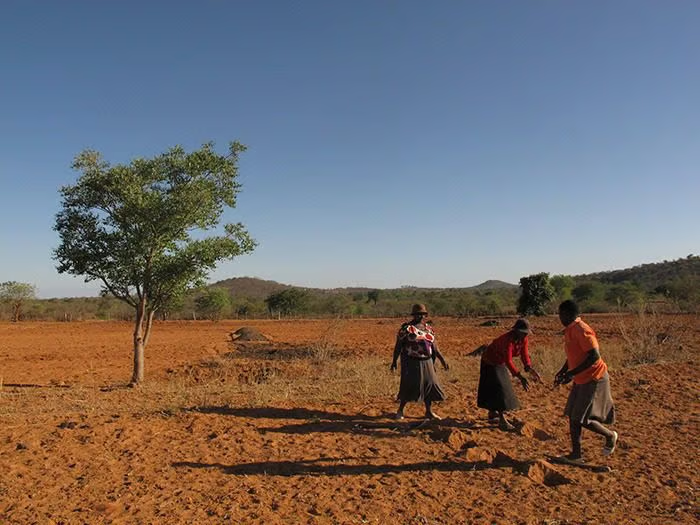
The impact of climate change, coupled with COVID-19, has increased the scale of deprivation, food insecurity and malnutrition among vulnerable rural and urban communities in Namibia.

Niger is a landlocked and food-deficit Sahel country. Gender disparities persist and continue to strongly challenge the country’s development.

Boko Haram has displaced an estimated 1.78 million within the country’s borders—80 percent are women and children.

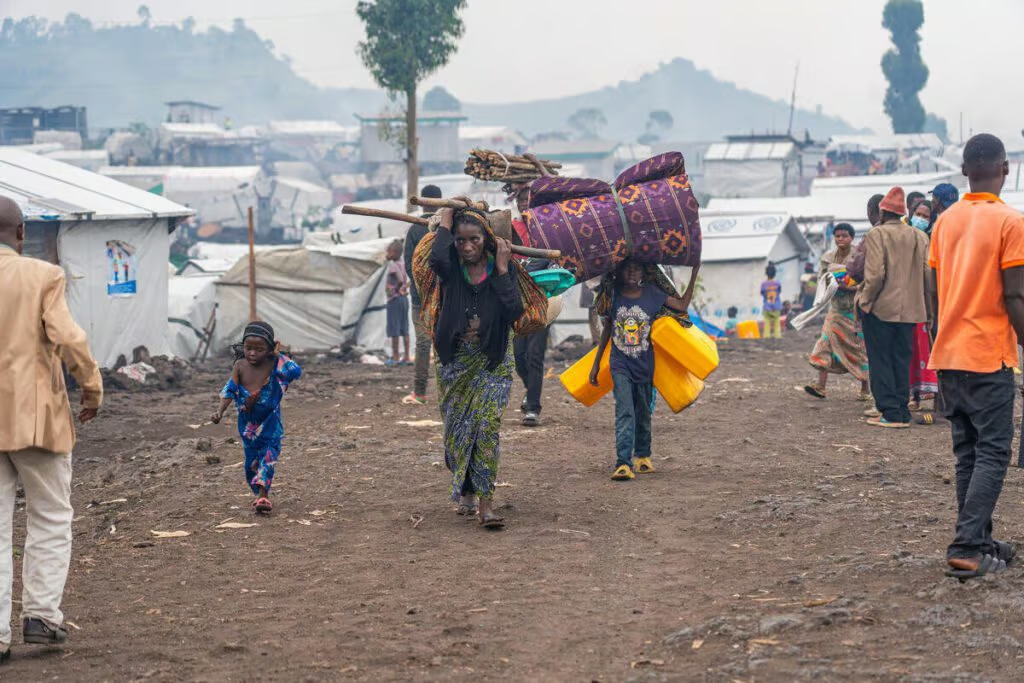
Today, the DRC is one of the world’s largest hunger crises and counts Africa’s highest number of internally displaced people. Hunger and conflict are fueling each other.

Djibouti is the hungriest country in the Horn of Africa – nearly half of the population lives in extreme poverty. But WFP is there, working to eradicate hunger for all.

In the midst of positive economic growth, this regional powerhouse is facing a set of long-standing development challenges: poverty, food insecurity, malnutrition, spatial and social disparity, and gender-based inequality – with climate shocks on top of it all.

Formerly known as Swaziland, this land-locked country struggles with a high rate of poverty and HIV, in addition to food insecurity.