Mustering Hope to Reduce Global Hunger in 2021
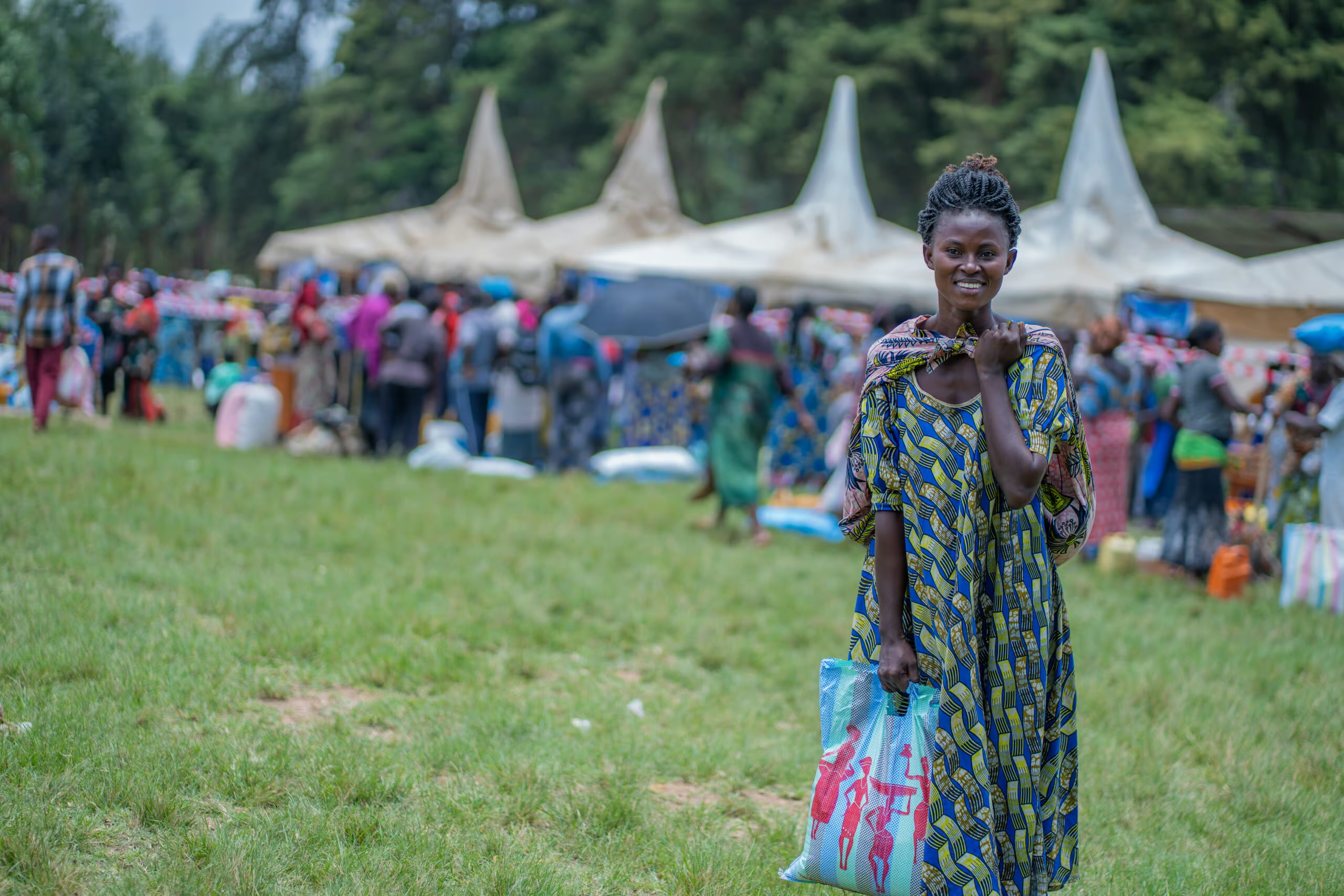
WFP never abandons hope. We’re applying it in spades to roll back one of the most severe hunger catastrophes in our six decades of existence.

WFP never abandons hope. We’re applying it in spades to roll back one of the most severe hunger catastrophes in our six decades of existence.
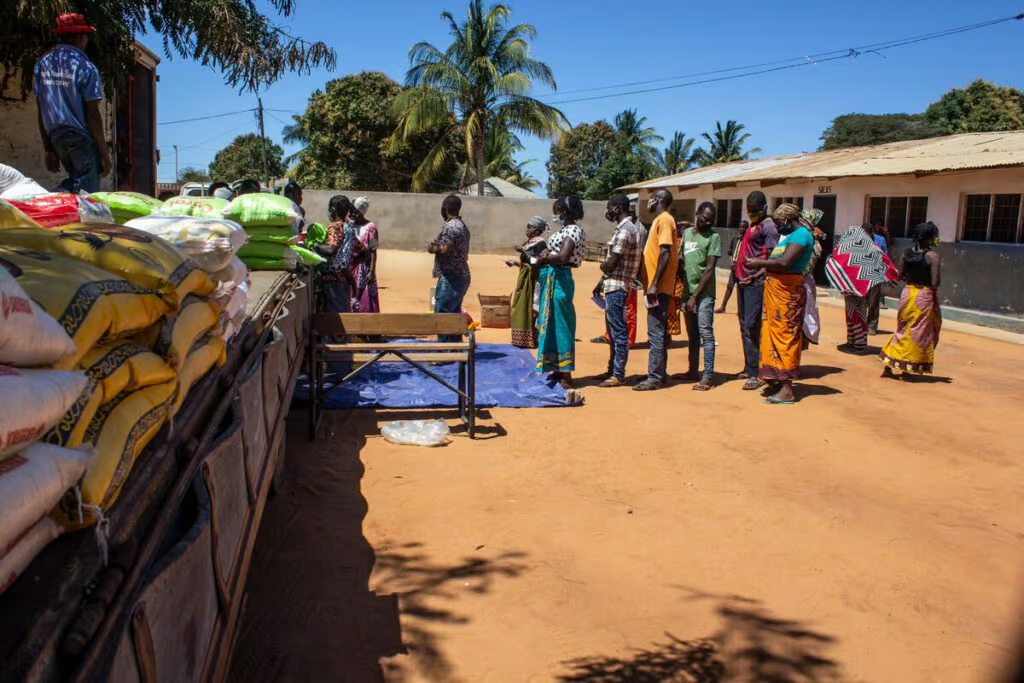
Escalating conflict and a deteriorating humanitarian situation in the Cabo Delgado province has left communities stranded and struggling.
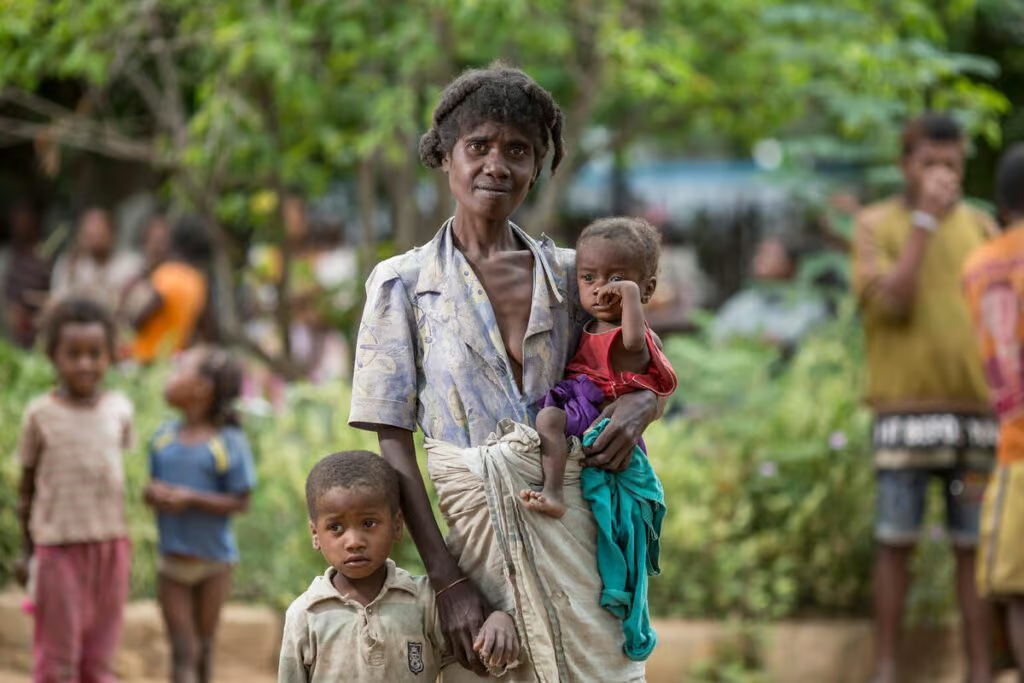
With malnutrition rates spiraling and children forced to beg to help their families eat, urgent action is needed to prevent a crisis.
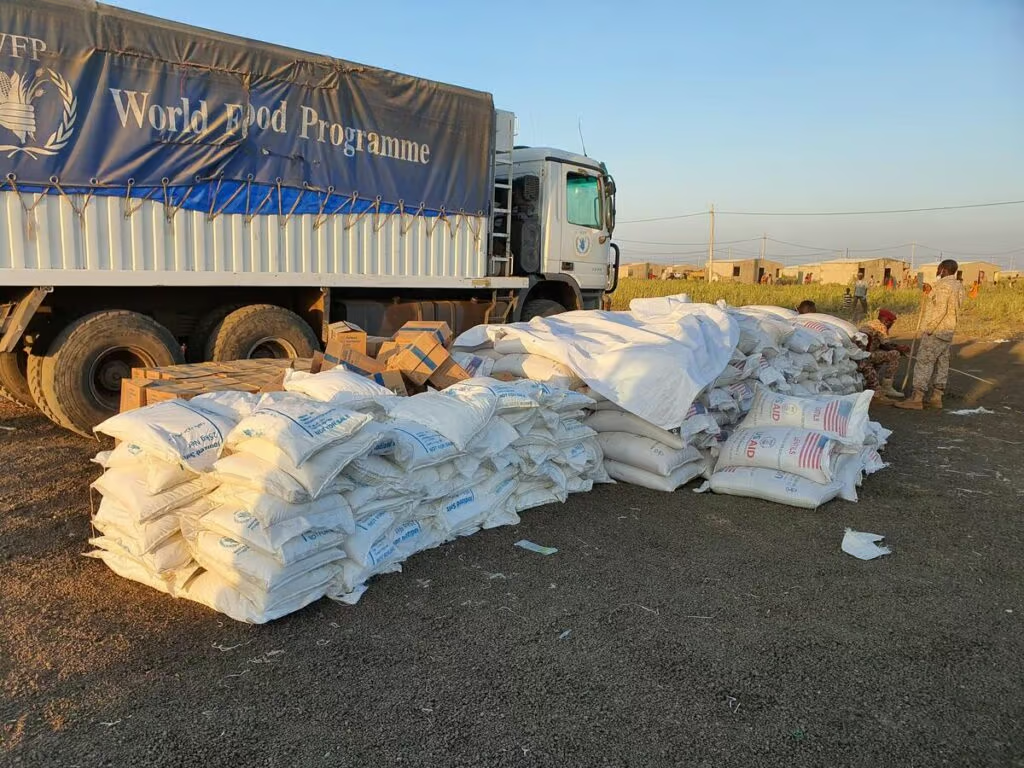
Refugees in the Ethiopian camps depend on WFP food assistance for survival, and maintaining a consistent supply is crucial.
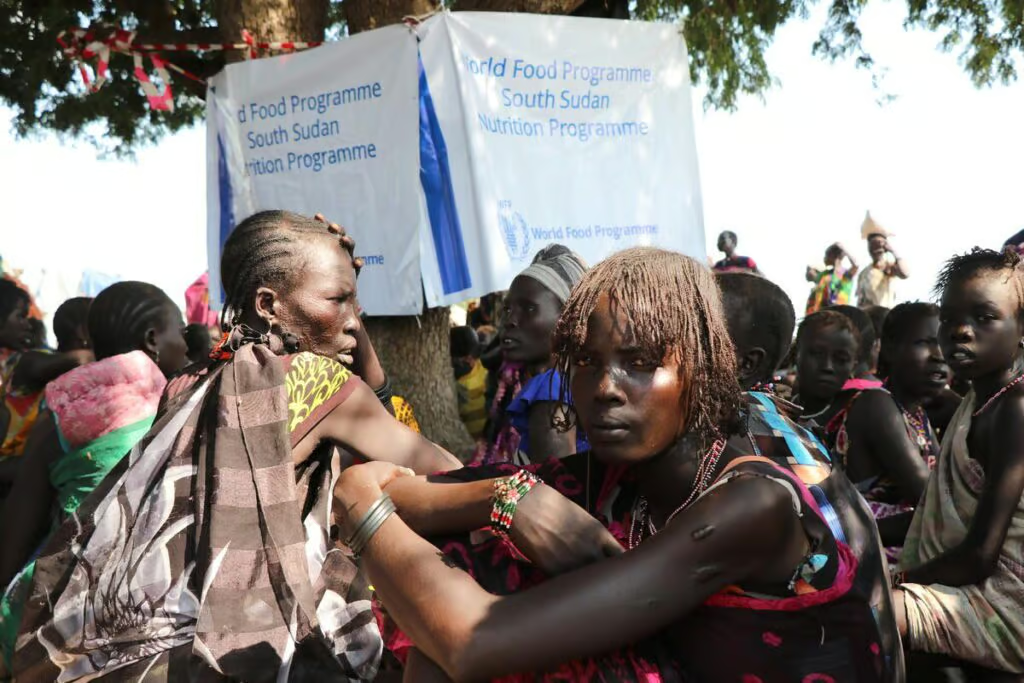
Conflict, floods and COVID-19 are pushing more people into extreme hunger.
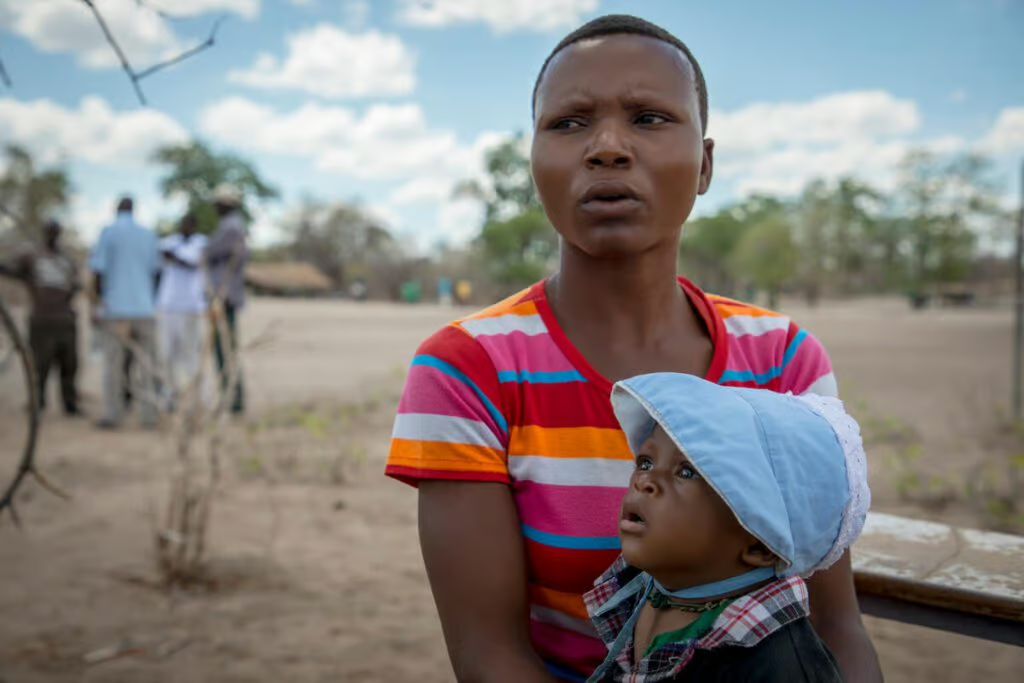
The ‘lean’ season risks pushing some 6.9 million people – nearly half of the country’s population – into hunger by its March peak.
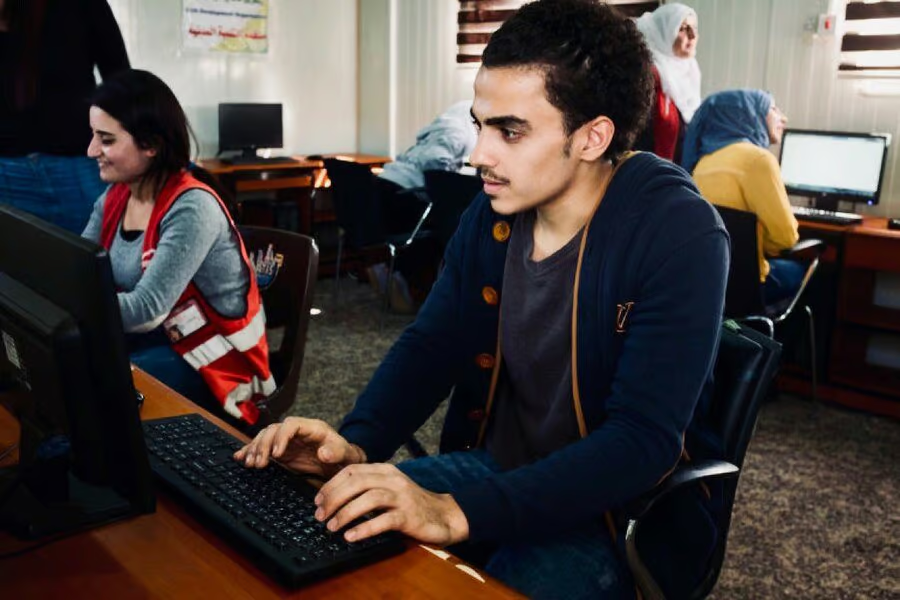
Technology is changing the future of work, and there’s no reason refugees should be left behind in the process. Enter EMPACT.
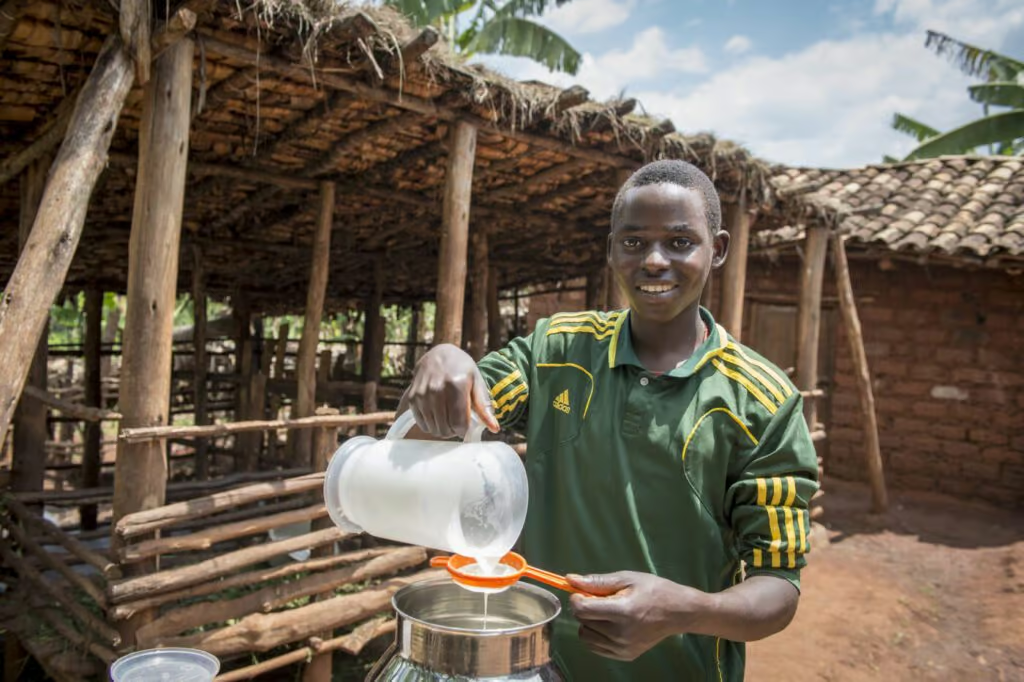
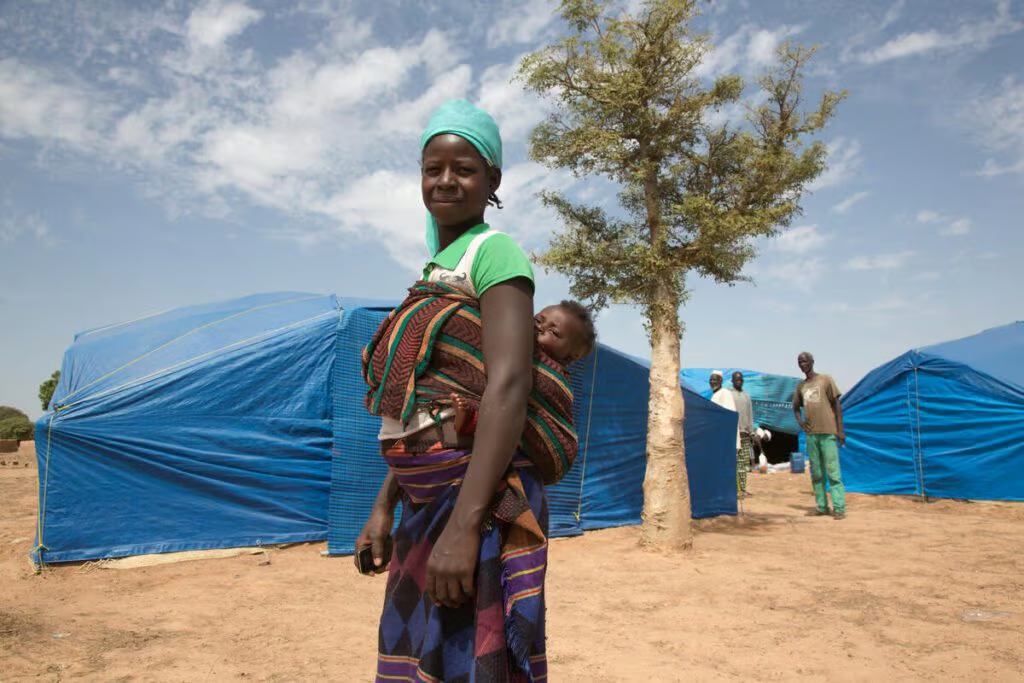
Conflict-ridden Burkina Faso is one of four nations teetering on the brink of famine. The Hilton Foundation’s contribution is critical in addressing urgent hunger here.
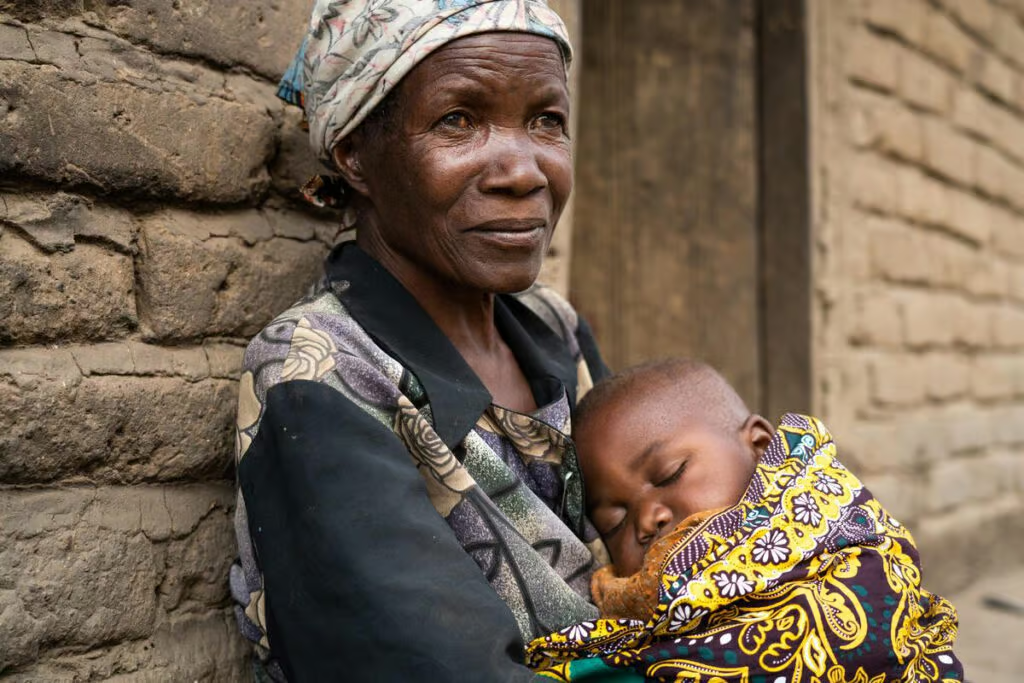
Fish farming, micro-irrigation and flood-control barriers: we’re working with communities in Malawi to make sure they can feed themselves and withstand climate shocks.
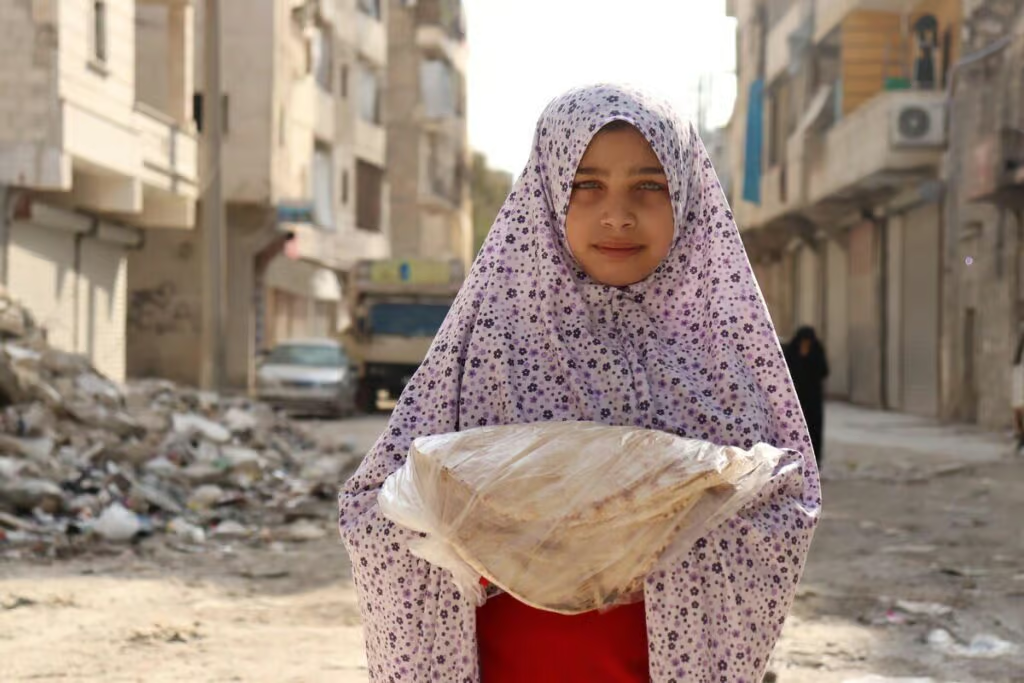
The Nobel recognition of the United Nations World Food Programme comes as famine again threatens millions of people, especially in four conflict-affected countries.