WFP Warns of Growing Humanitarian Needs in Madagascar After Back-to-Back Cyclones Hit, With Limited Resources Available
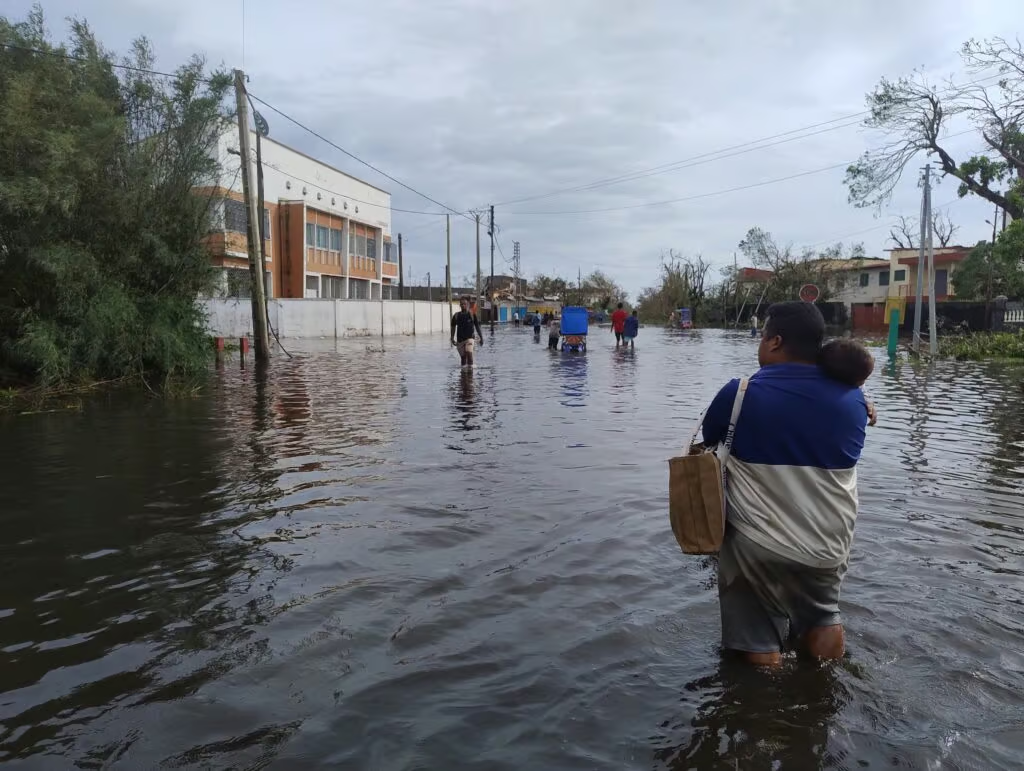
Here the latest updates from WFP about the situation in Madagascar in the aftermath of back-to-back cyclones.

Here the latest updates from WFP about the situation in Madagascar in the aftermath of back-to-back cyclones.
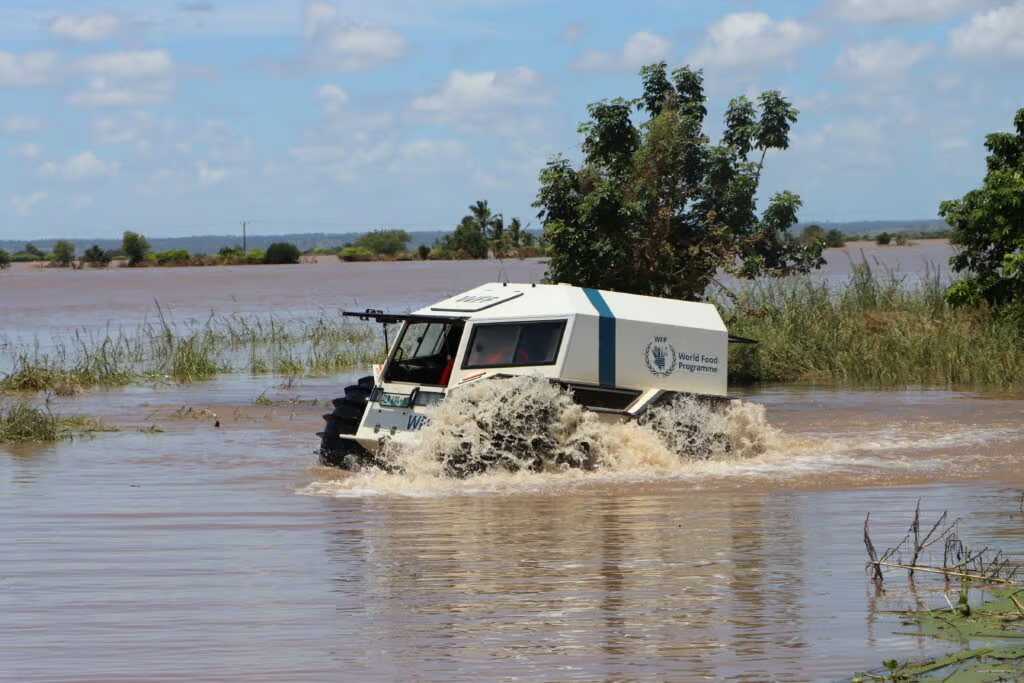
WFP is scaling up to deliver lifesaving food assistance to reach 450,000 people affected by the country’s worst flooding in decades – just months after Mozambicans recovered from the worst drought in its recent history.
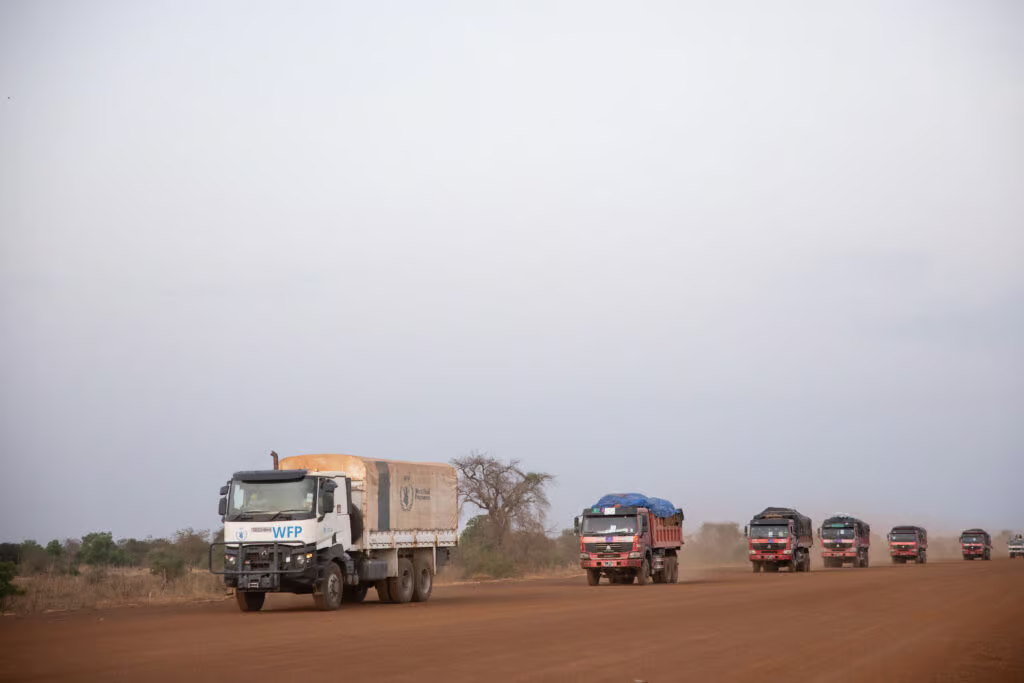
WFP is today on all parties to the conflict to urgently halt military operations, de-escalate the situation and allow safe humanitarian access to deliver lifesaving food assistance to hundreds of thousands of people in South Sudan’s Jonglei State.

More than 1 million people in northeast Nigeria risk being cut off from emergency food and nutrition assistance.

WFP is struggling to keep lifesaving emergency operations running. Sudan’s shows no signs of slowing down.

WFP is scaling up lifesaving assistance to more than 210,000 of the most vulnerable people displaced by the recent violence in eastern DRC.
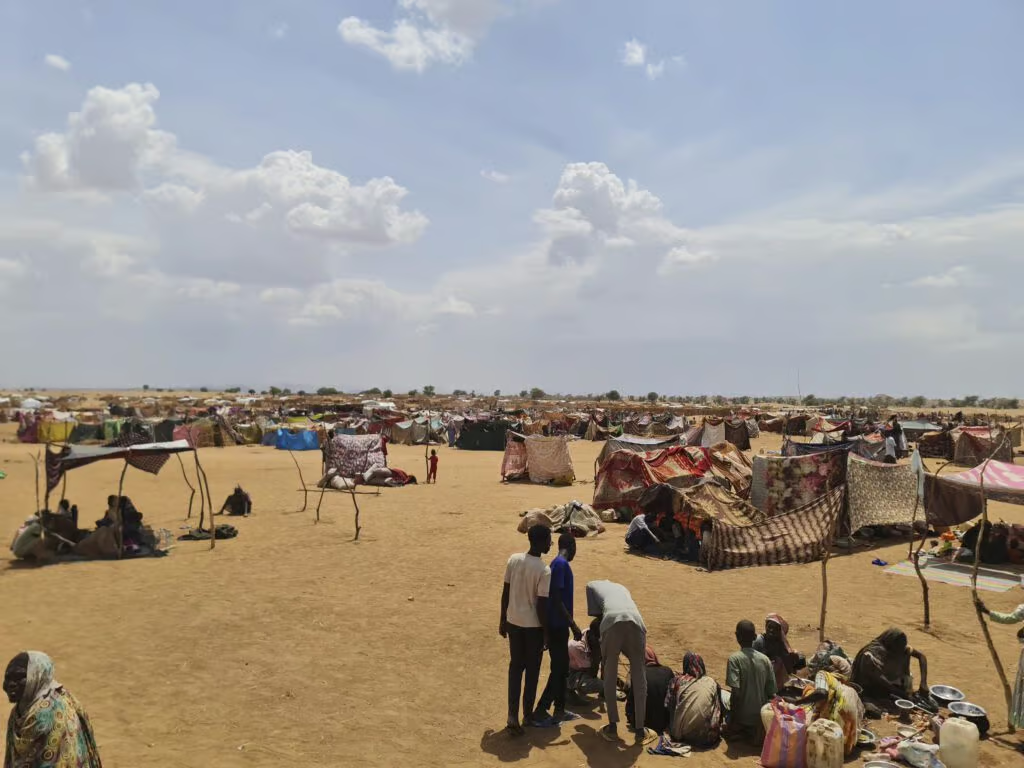
A new joint report by FAO and WFP warns that acute food insecurity is deepening in 16 hunger hotspots, which could drive more into famine.
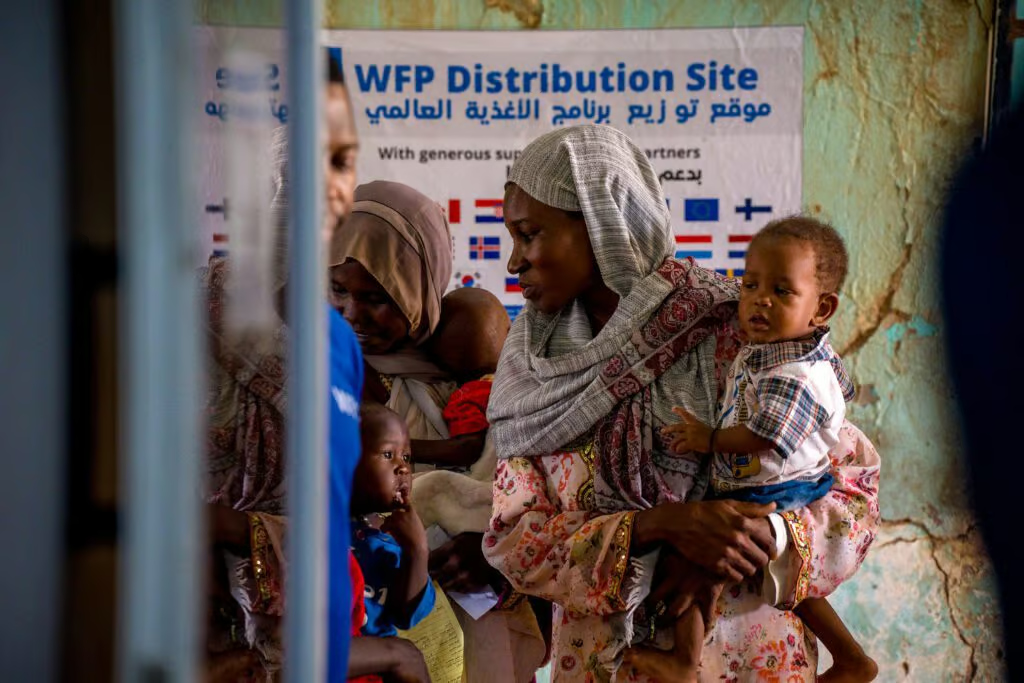
South Sudan continues to face a severe food and nutrition crisis, which is threatening to deteriorate further.

In conflict hit locations in Sudan that have been largely cut off from humanitarian assistance or under siege, famine has now taken hold.
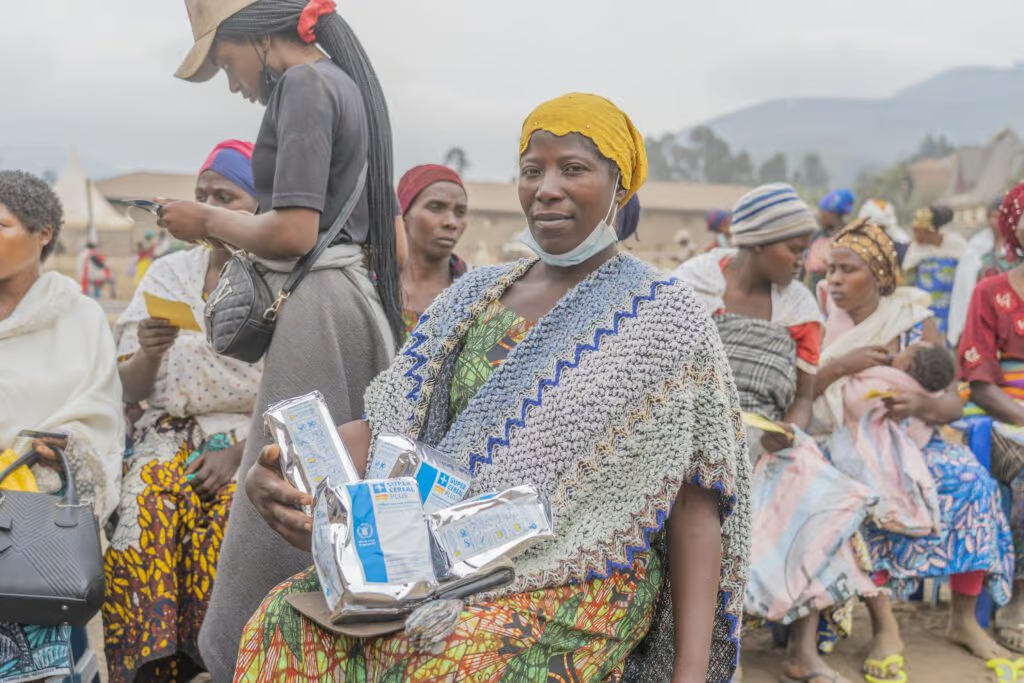
FAO and WFP warn today of the escalating humanitarian crisis in the DRC with acute food insecurity remaining stubbornly high.