By Any Means Necessary: How WFP Is Preventing Famine in South Sudan
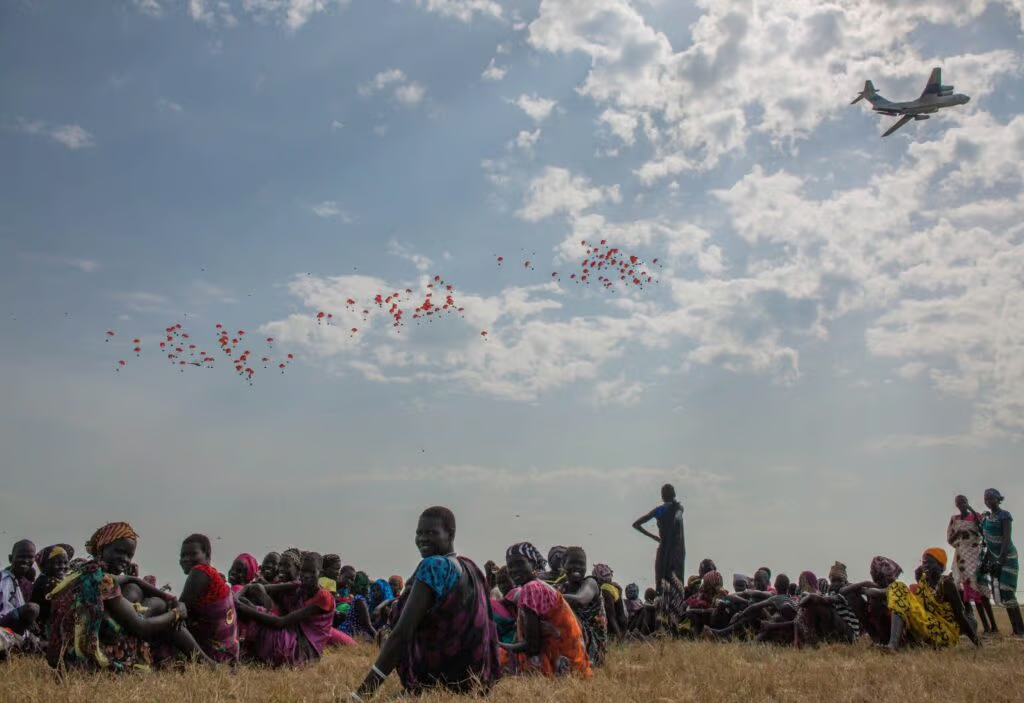
For 239 days, WFP has employed every means of food delivery available, from airdrops and barges up the Nile to convoys of trucks, all transporting lifesaving food.

For 239 days, WFP has employed every means of food delivery available, from airdrops and barges up the Nile to convoys of trucks, all transporting lifesaving food.

When it comes to fighting global hunger, the U.N. World Food Programme (WFP) is always evolving.

Giving Rohingya women control of food assistance cash entitlements helps them enhance their social role and feed their families better
‘People had only wild fruits and leaves to eat… and hunting, but most animals had run away because of the war.’

CBS Correspondent Scott Pelley reports on the crisis in Yemen, where more than 20 million people don’t know where their next meal is coming from.
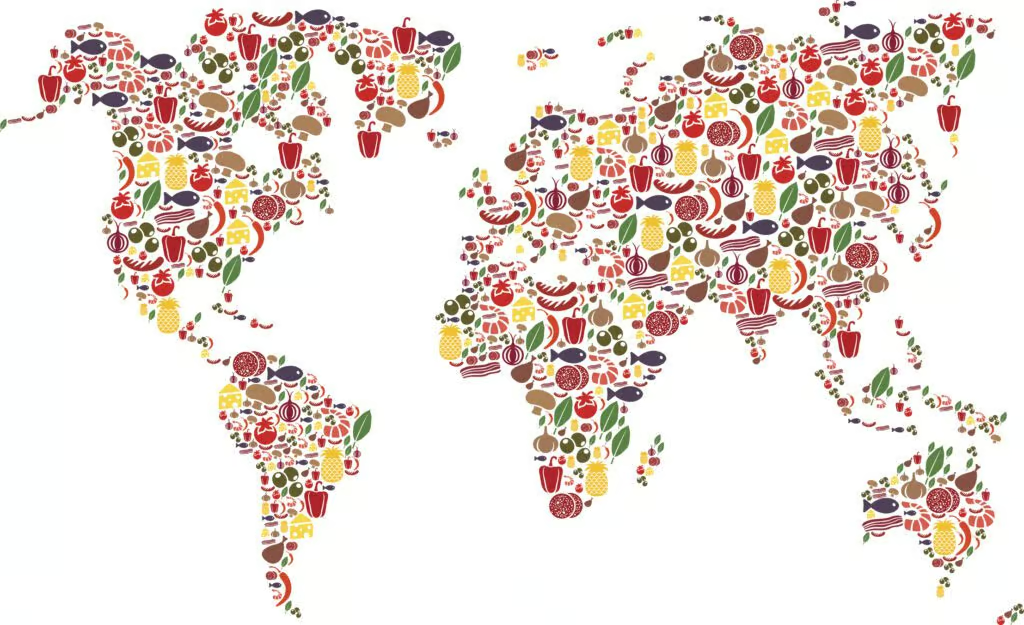
Karl Deily, the President of Sealed Air Corporation, breaks down the top three food waste myths and explains how we can do more to protect our food supply.

Without food, children can’t reach their full potential, communities can’t prosper and nations can’t achieve progress. Invest in hunger relief.
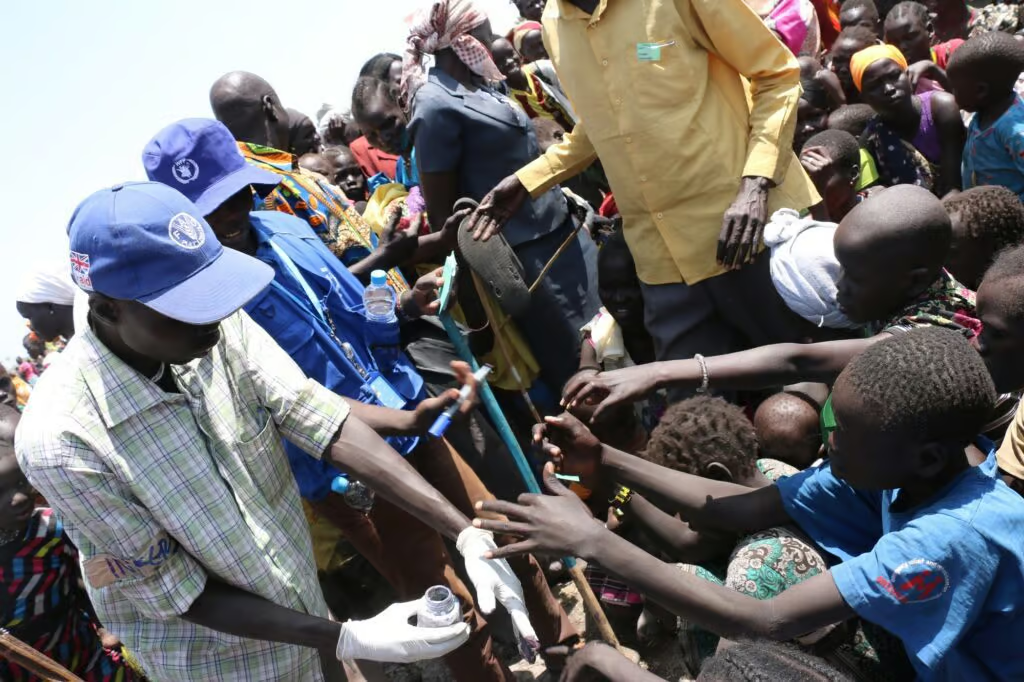
WFP and UNICEF designed the simple yet innovative Integrated Rapid Response Mechanism (RRM) to deliver urgently needed supplies to families in hard-to-reach areas.

Because of funding shortfalls, we’re forced to make impossible choices about who receives food in Yemen. But you can help.

WFP Executive Director Ertharin Cousins urges us to keep our eyes on Syria, because hundreds of thousands of inaccessible civilians are still shut off from humanitarian assistance.