Global Disruptions to Supply Chains Are Driving Tomorrow’s Hunger Crisis
This is a transcript of what was said by Corinne Fleischer at today’s press briefing at the Palais des Nations in Geneva.

This is a transcript of what was said by Corinne Fleischer at today’s press briefing at the Palais des Nations in Geneva.
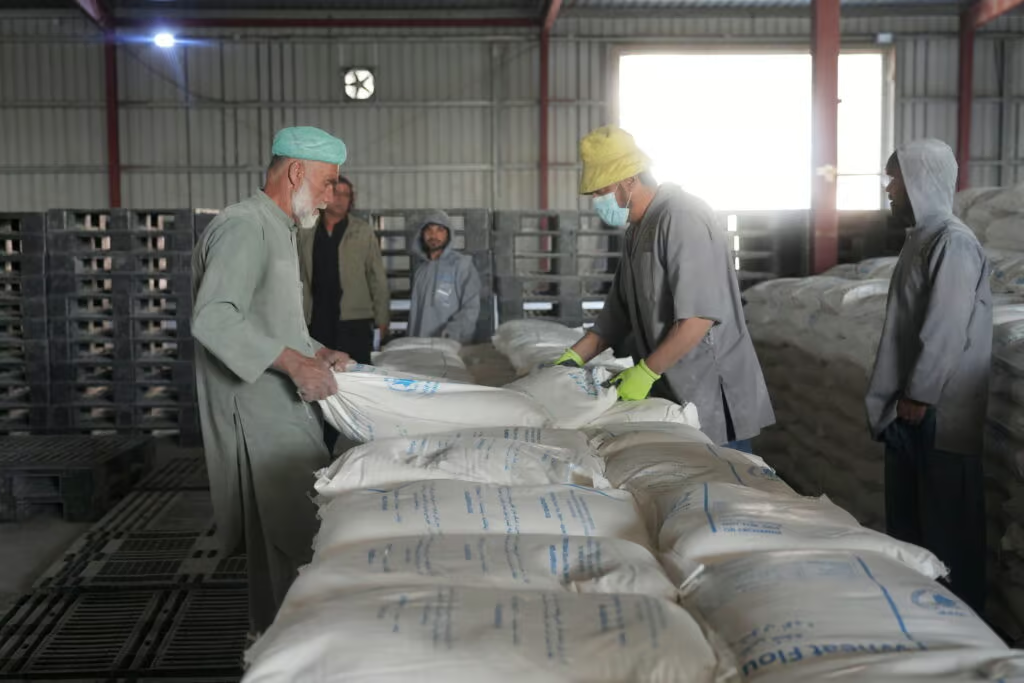
WFP has begun rapidly mobilizing a large-scale emergency response for communities in Afghanistan impacted by the conflict with Pakistan.
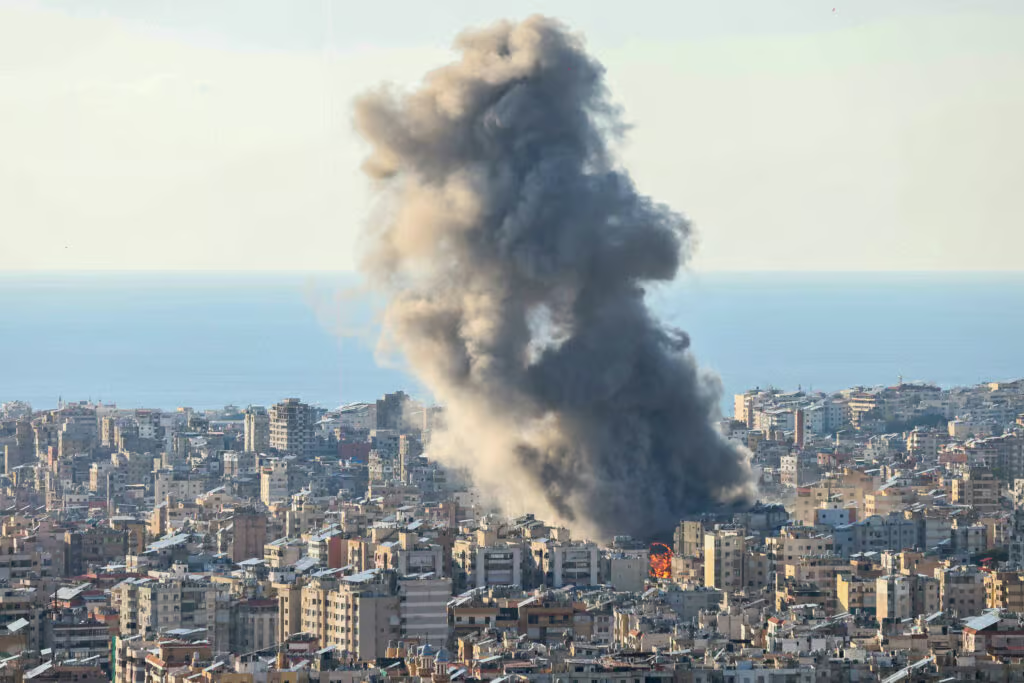
Driven by ongoing security developments, the humanitarian situation across the Middle East is changing quickly. WFP is ready to scale up. We have activated emergency preparedness measures across the region, and we can move fast.
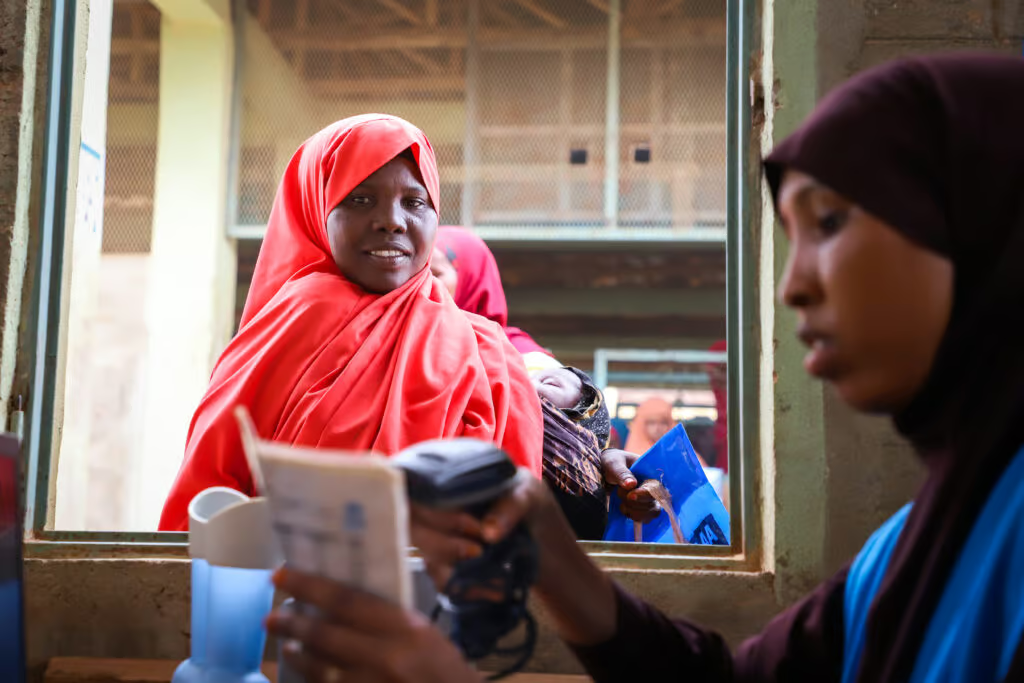
WFP will cover the solutions that are transforming how humanitarian and development assistance is delivered.

WFP is sounding the alarm that its lifesaving emergency food and nutrition assistance in Somalia is at risk of stopping without new funding.
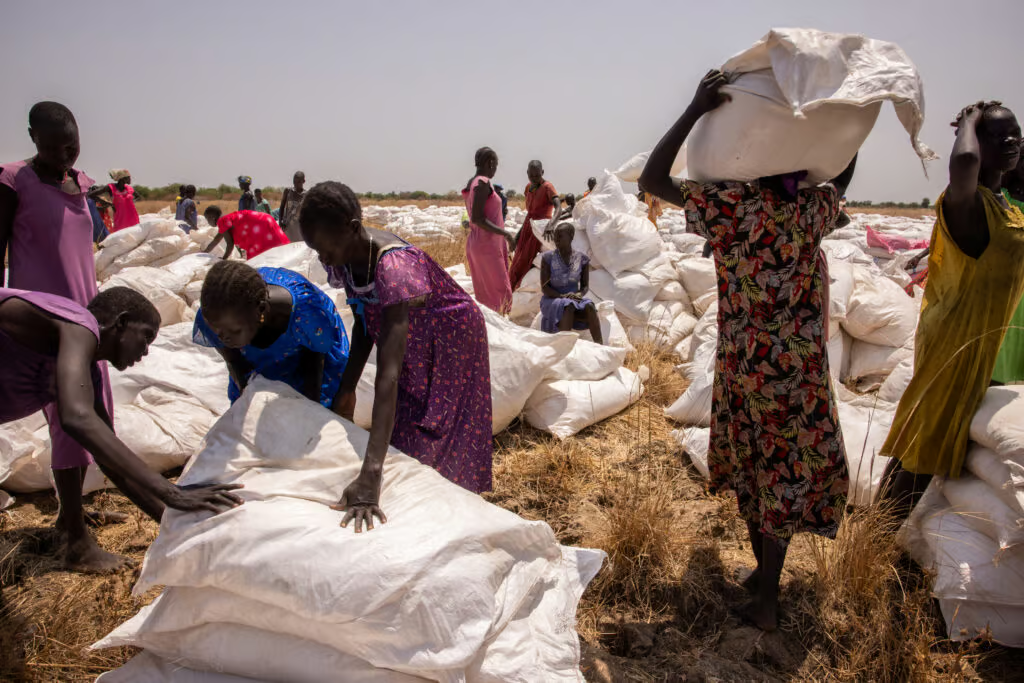
WFP is scaling up its emergency response to reach people forced to flee spiraling conflict in South Sudan’s Jonglei state.
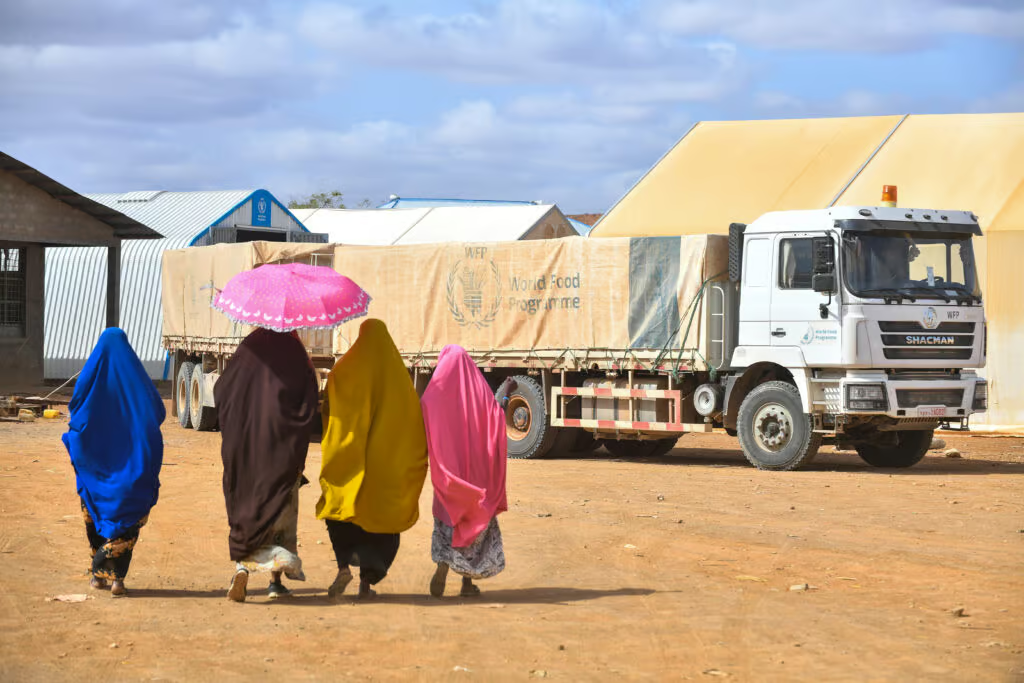
A UN interagency convoy has reached Dilling and Kadugli, South Kordofan, with lifesaving humanitarian supplies to assist over 130,000 people.
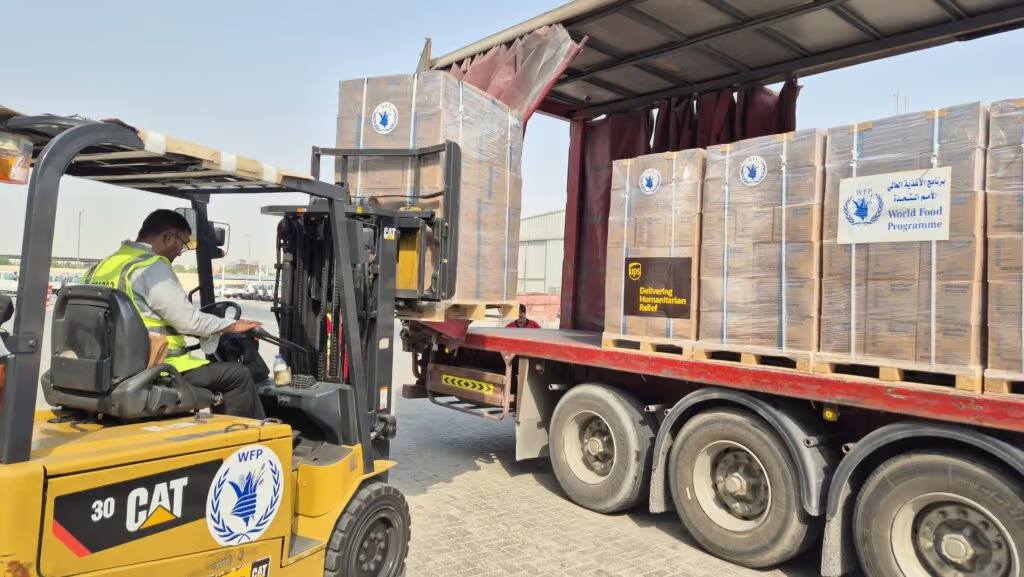
We recently sat down with Nikki Clifton, president of Social Impact and The UPS Foundation, to discuss our partnership, the importance of logistics in emergencies and how each of us can help build a world without hunger.
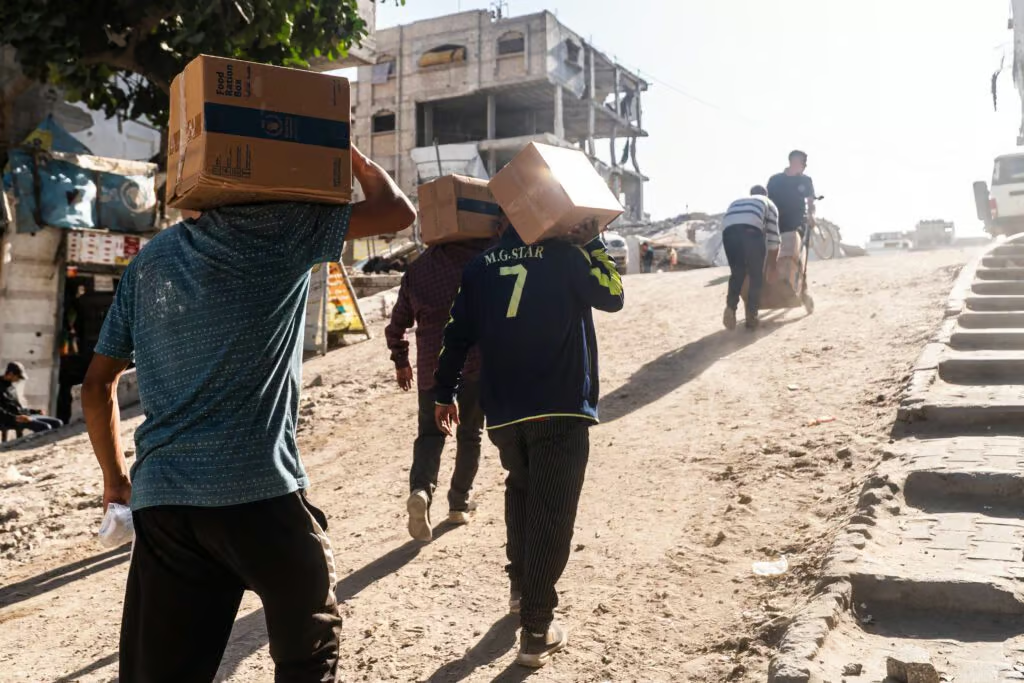
Three weeks into the ceasefire, WFP has distributed food packages to 1 million people in the Gaza Strip to push back hunger in the territory.
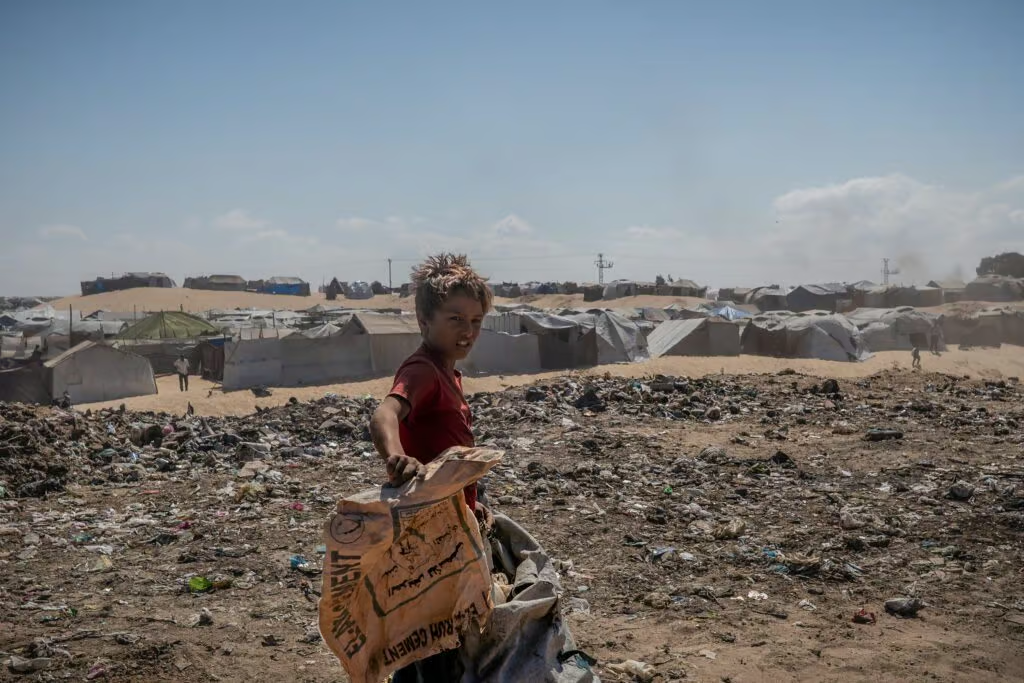
WFP has worked on the frontlines of the world’s most challenging emergencies. So why has delivering food into Gaza been so difficult?