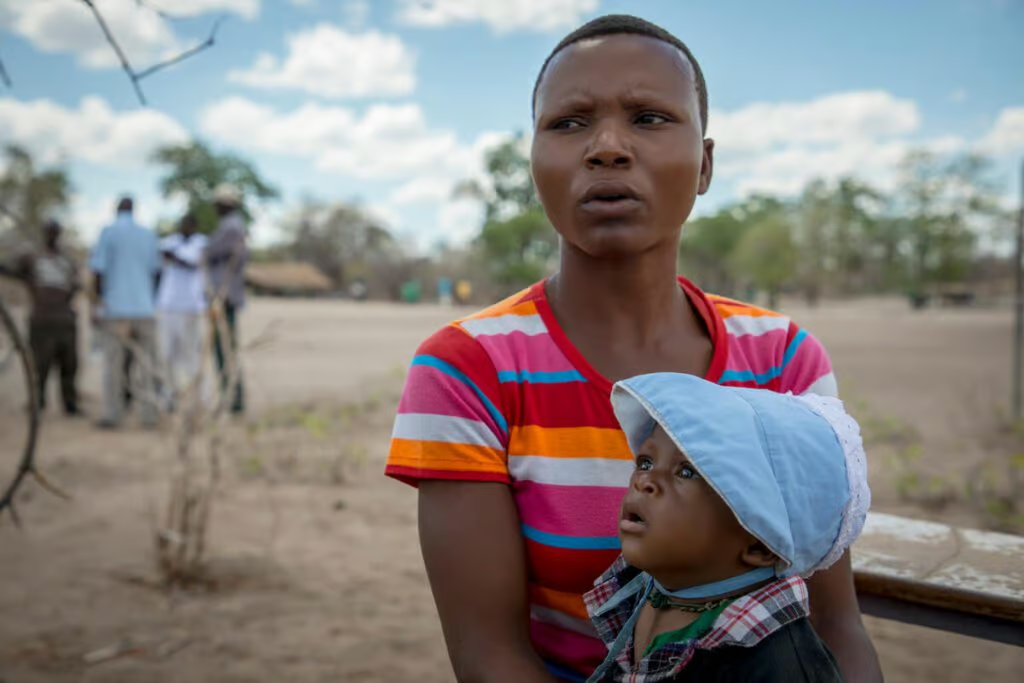
Funds for Emergency Food Assistance Run Dry as Millions Face Hunger Season in Zimbabwe
The ‘lean’ season risks pushing some 6.9 million people – nearly half of the country’s population – into hunger by its March peak.

The ‘lean’ season risks pushing some 6.9 million people – nearly half of the country’s population – into hunger by its March peak.

Technology is changing the future of work, and there’s no reason refugees should be left behind in the process. Enter EMPACT.
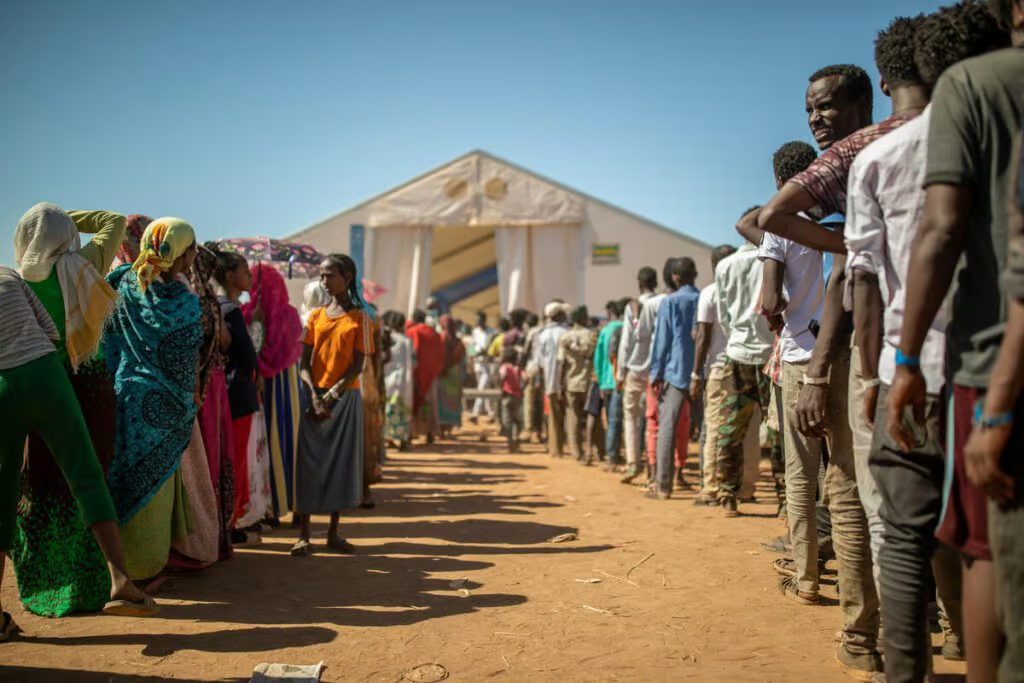
As we move into the next decade, we need to re-imagine how we do our work. What technologies and approaches could we develop in the future to solve humanitarian crises?
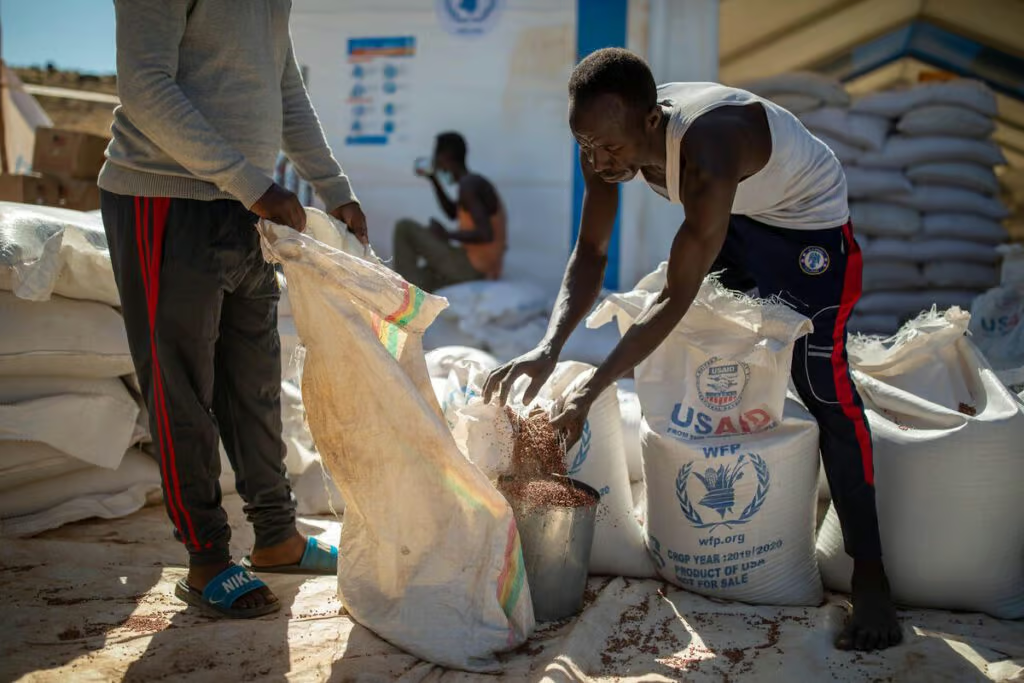
Nonprofits have the tools and experience to heal the world, and expectations are high. We must do everything we can to live up to them.

Meet the river fording, jungle trekking, all-terrain vehicle that’s helping us get food to people in the most remote places.
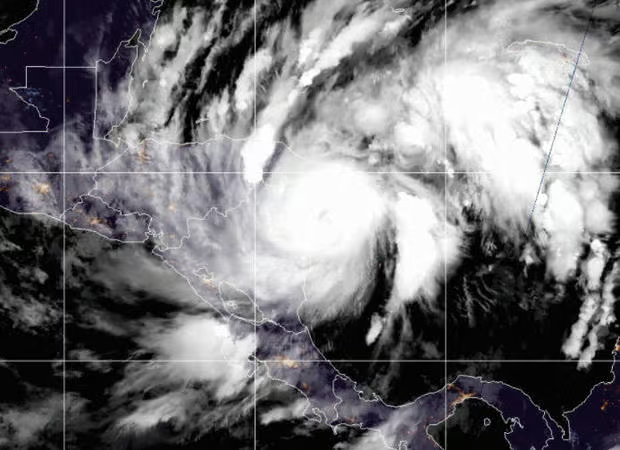
In Nicaragua, some 80,000 families are at risk. We have shipped drinking water, storage containers, and 275 metric tons of rice, beans and vegetable oil in response.

In an address this morning to the UN Security Council, WFP’s CEO David Beasley made an urgent appeal: “Don’t turn your backs on the people of Yemen.”

An ATM that dispenses food, a simple moisture meter, and an air-tight bag: these seemingly simple innovations could be game-changers for disrupting hunger around the world.

Where there is conflict, there is hunger. And where there is hunger, there is often conflict. Today is a reminder that food security, peace and stability go hand in hand.

Hungry Nigerian families are being plunged deeper into poverty during coronavirus. We’re getting creative with our delivery solutions.