What Causes Famine in the World?
Famine is a form of widespread hunger, and by the time famine is officially declared, it’s too late: tens of thousands are already dying of starvation.

Famine is a form of widespread hunger, and by the time famine is officially declared, it’s too late: tens of thousands are already dying of starvation.

A resilience-building initiative backed by WFP and Korea is empowering communities recovering from displacement — and enabling new friendships.

Through a upcycling centers in Bangladesh, Rohingya refuges are transforming packaging waste into useful products.

For International Day of the Tropics, we’re taking a deeper look at how climate presents unique challenges for those living in the Dry Corridor and how WFP is helping to break the cycle of hunger.Â

A $9.5 million contribution from USAID will help WFP to provide emergency assistance to vulnerable households in Malawi.

Back-to-back droughts in Madagascar have pushed communities right to the very edge of starvation. Families are suffering and people are already dying from severe hunger.

New WFPÂ analyses show that 41 million people are teetering on the very edge of famine in 43 countries and the slightest shock will push them over the precipice.

Today, the global spotlight on the Central American migration crisis has left many to question what the root causes are of the migration. We have some answers, and they all boil down to one thing: hunger.

World leaders have a chance at this year’s G7 summit call for the funding, resources and policies to save millions of lives. Ahead of the summit, WFP is launching Five Calls to Action to address today’s record-high humanitarian needs.

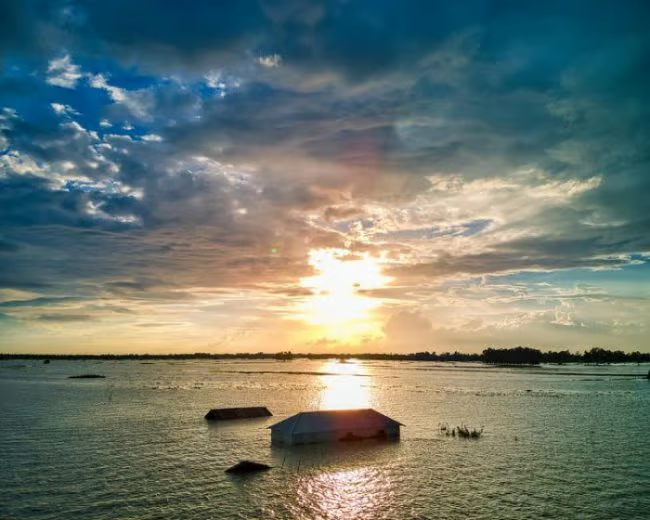
80% of the world’s hungry people live in areas prone to natural disasters and extreme weather, which creates exactly the right conditions for hunger to take hold. Here are the top five ways extreme weather leads to hunger.