Climate Change, Food Security and Humanitarian Emergencies
Climate change is threatening our complex global food system which is already struggling to meet the needs of a growing and changing population.

Climate change is threatening our complex global food system which is already struggling to meet the needs of a growing and changing population.

Gender equality and the empowerment of women and girls are pre-conditions for the eradication of poverty and hunger and are essential to achieve all Sustainable Development Goals.

We need biodiversity to sustain and expand the world’s food supply. To achieve zero hunger, our agricultural and food system interventions need to double as environmental interventions.
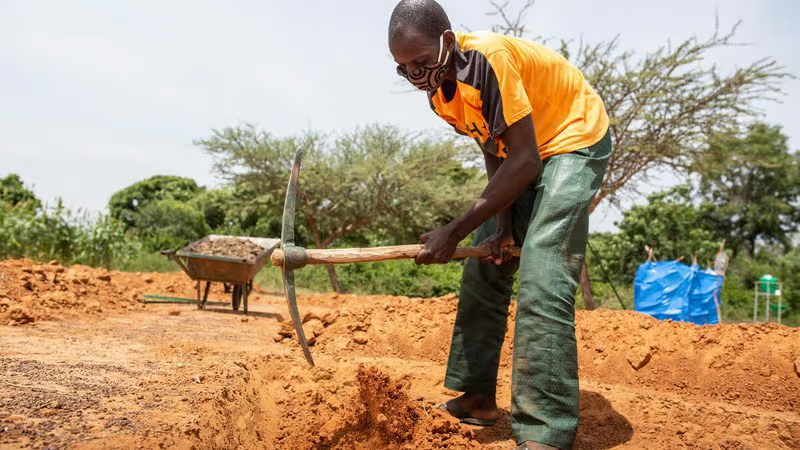
The Central Sahel is in crisis, yet “nobody is truly interested and everyone just stands by watching tragedy develop in front of our eyes,” says WFP’s Margot van der Velden.
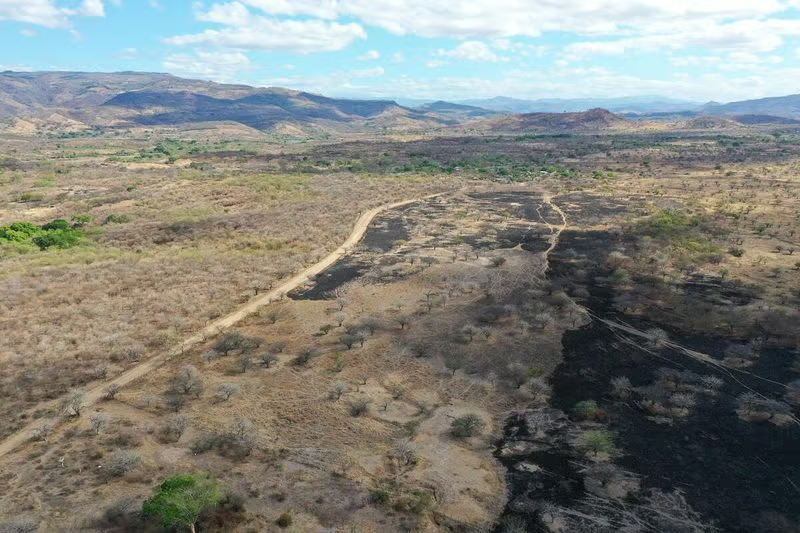
With extreme weather events on the rise, there is no question that climate change is here and posing an imminent threat to millions of livelihoods. But how do climate-related disasters like droughts or floods cause hunger?

There are no easy solutions to untangle America’s complex border challenges, but there are remedies that can alleviate vulnerable people’s need to migrate. They begin with understanding what truly drives the hunger that prompts so many people to leave their homes.

Disasters disproportionately affect the world’s poorest people and communities, significantly increasing hunger, malnutrition and their exposure to risk. Here are 14 key facts on the link between disasters and hunger.
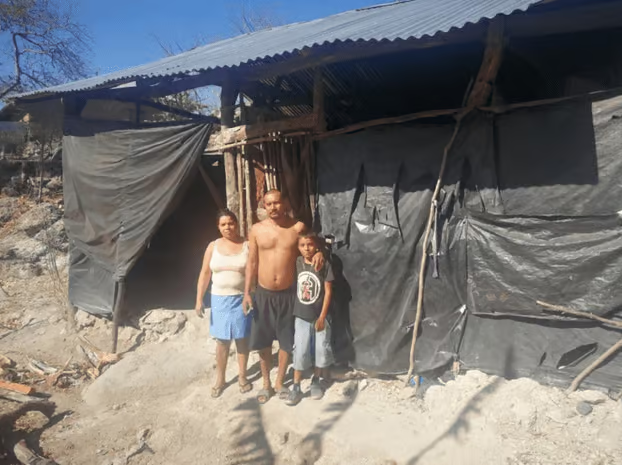
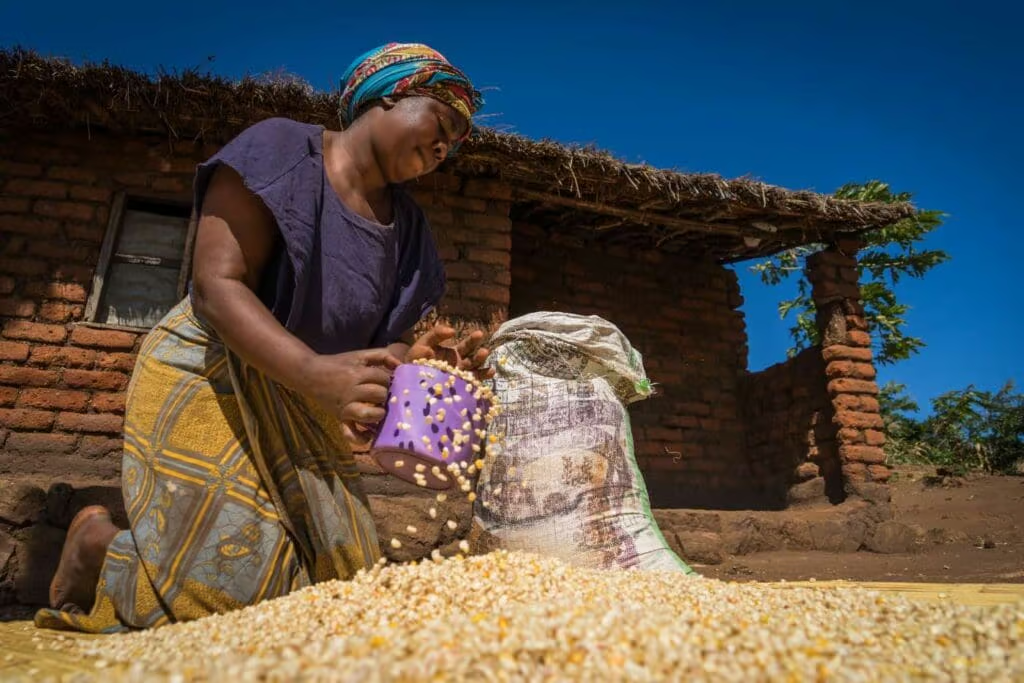
Maria’s family invested all their money in corn crops, then watched them wither away from drought. Now they’re struggling to put food on the table and praying for rain.

With each day that passes, more lives are at stake as hunger tightens its grip in southern Madagascar. Years of poor harvests driven by drought upon drought, and weather-related damages to fishing, have pushed people to the brink.
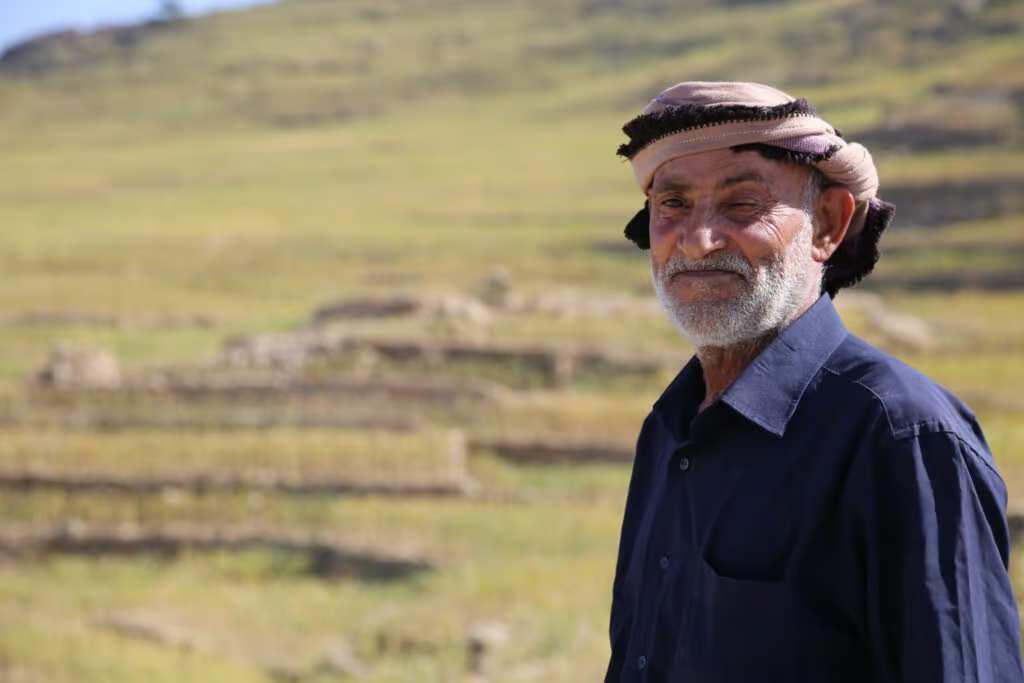
The hunger season can last for months, and it’s a particularly challenging time for subsistence farmers and their families, who solely rely on what they grow.