There’s more than enough food on this planet to feed every single person, but we still face famines. Famine is a form of widespread hunger, and by the time famine is officially declared, it’s too late: Tens of thousands of people are already dying of starvation.
The World Food Programme (WFP) has the expertise, global presence and operational capacity to stop famine in its tracks, pulling communities back from mass starvation. As one of the largest hunger-fighting organizations on the planet, they work around the clock to stop hunger.
Recent Famines in the World
The two most recent famines were in parts of Sudan and Gaza. In August 2024, famine was confirmed in Zamzam camp in Sudan’s North Darfur region and then spread to nine more areas of North Darfur and the West Nuba Mountains. By May 2026, famine was pushed back – though a risk remains across 14 areas in Darfur, South Darfur and South Kordofan as conflict continues to rage across the country.
Communities in Gaza have also faced a catastrophic hunger crisis. In August 2025, famine was confirmed in Gaza Governorate, which includes Gaza City. The October ceasefire allowed WFP to rush food into Gaza through all available crossings. By December, famine was pushed back. However, the situation remains extremely fragile. Conflict and limited humanitarian access continue to drive a hunger crisis across the Strip and many families are on the brink of starvation.
Famine is devastating, but it’s also predictable and preventable. Here’s how we define famine, what causes it and how we can avert it.
What’s the Actual Definition of Famine?
Famine is confirmed in an area when extreme hunger is already widespread, and when people have started dying of starvation because they don’t have access to sufficient, nutritious food.
There are a few official parameters that define famine. Famine is confirmed in an area when:
- at least 20% of the population faces extreme food shortages
- about 1 out of 3 children suffer from acute malnutrition
- when 2 people are dying per day for every 10,000 inhabitants because of starvation (or a combination of extreme hunger and illness)
Related articles you might be interested in:
- $6.6 Billion Dollars Won’t End World Hunger, But It Could Save People from Famine
- Conflict and Famine: How They’re Connected
- Why Do People Have to Die Before Famine is Declared?
What Causes Famine?
1. Conflict
There’s one violent, overwhelming cause of famine: conflict. War is what currently drives most people in our world into hunger.

How? Violent conflict pushes entire communities of people from their homes, their land and their jobs. This creates millions of refugees who then do not have access to the resources that usually keep them fed, healthy and stable. Finding food in unfamiliar, isolated and often bleak terrain becomes nearly impossible. Violence also sends larger shock waves across the region, destroying infrastructure and roads, killing jobs, halting imports, and sending food prices skyrocketing.
2. Climate Extremes
The next major cause of famine? The climate crisis. Our warming climate is devastating people’s livelihoods around the world by bringing increasingly devastating weather that destroys land, homes, livestock, and crops.
3. Inequality
Inequality is another crucial factor. As the cost of living rises, urban households are unable to afford food to put on the table for their families. And for the millions suffering from chronic poverty, even staple foods are beyond reach. Gender inequality means women are more likely than men to suffer from extreme hunger. In many cases, women eat last and least.
Learn more about what causes hunger, and eventually famine.
How Does Famine Affect Communities?
Famine is the most disastrous form of widespread hunger. In affected areas, people are in desperate need of food and water and on the move in search of resources. They’re skipping meals to make food last longer – especially mothers with hungry kids. To find food, families are forced to beg or forage.
And as the World Health Organization puts it, “between starvation and death, there is nearly always disease.” Extreme hunger leaves the body vulnerable to infectious diseases like cholera, malaria, pneumonia and measles, which can spread through communities like wildfire. The sickest and most malnourished die. And the repercussions of famine are still devastating to those who survive it, leaving their bodies weakened for life.
How Can We Stop and Prevent Famine?
1. Anticipate
Before famine strikes, WFP uses its field presence, innovation and technology to identify, anticipate and warn the world of the threat of famine.
2. Assist
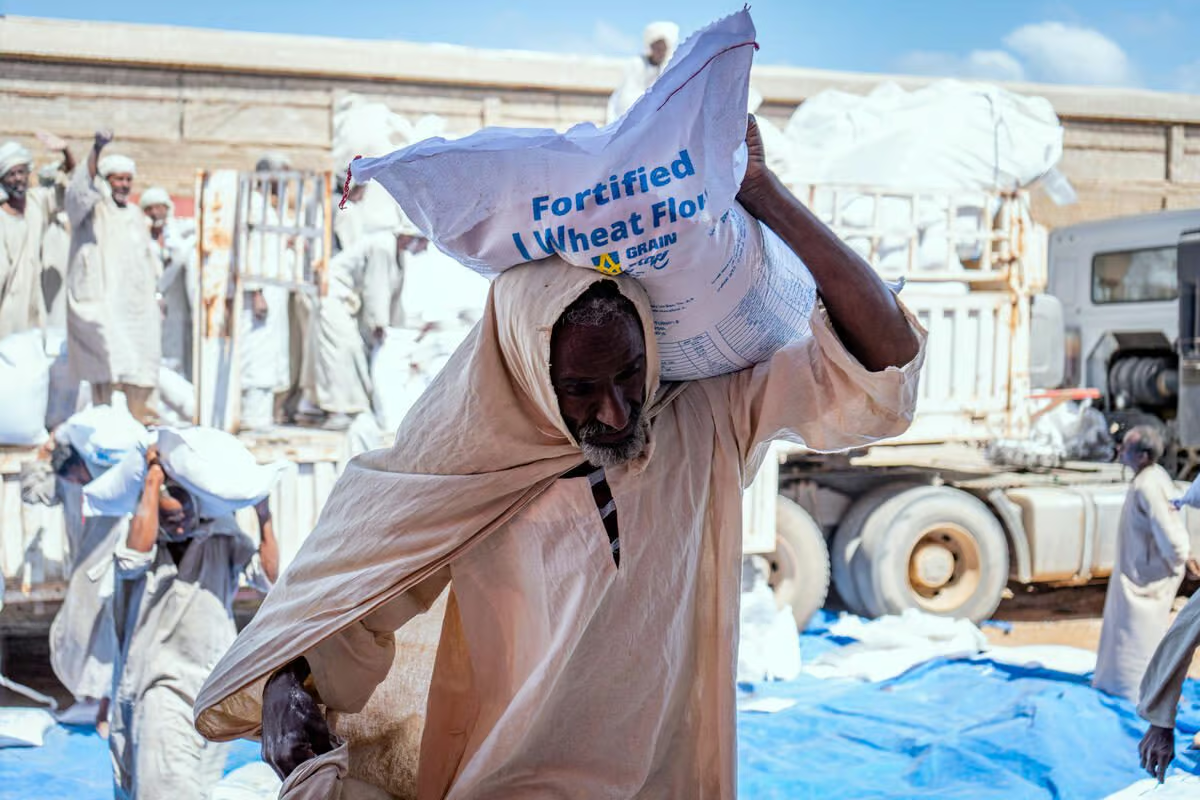
At every stage of famine, WFP harnesses its logistics and supply chain capabilities to move huge quantities of food to where the needs are most urgent.
3. Avert
To avert the threat of famine, WFP works around the clock to provide food, nutrition and cash-based assistance to the world’s most vulnerable people.
WFP’s deep-field presence, scale of operations and cutting-edge expertise developed through decades of fighting hunger makes them uniquely positioned to fight famine. They use the latest technology to pinpoint where hunger is the worst in the world and make sure they are reaching those in dire need of help.
The most powerful tool they rely on in the face of famine? Food. Through direct or cash-based assistance, getting food into people’s hands is critical.
WFP’s logistics and supply chain capabilities can move huge quantities of food to where they’re most needed — in extreme cases using airdrops and airlifts. On any given day, they have 4,300 trucks, 135 ships and 55 planes on the move.
They think ahead and plan long term – not just responding to already full blown crises but working tirelessly day in and day out to prevent them through nutrition programs, school meals and support for small-scale farmers.
Preventing famine is a choice. With enough resources and well-planned interventions, we can eliminate its threat entirely. But we need your help.