Why the U.N.’s ‘Code Red’ Climate Change Warning Is Already a Reality for Many
“People affected by the climate crisis do not have the luxury to wait until the world’s changed course on greenhouse gas emissions.”

“People affected by the climate crisis do not have the luxury to wait until the world’s changed course on greenhouse gas emissions.”
WFP’s Climate and Disaster Risk Reduction Chief Gernot Laganda on the common solution to two great problems: the climate crisis and global hunger.
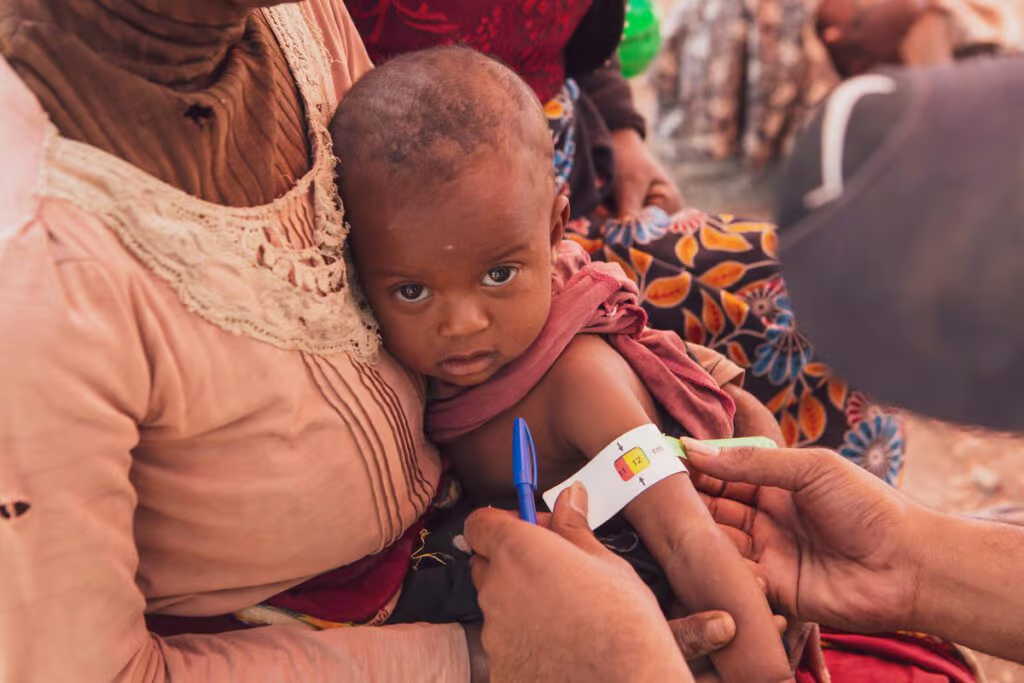
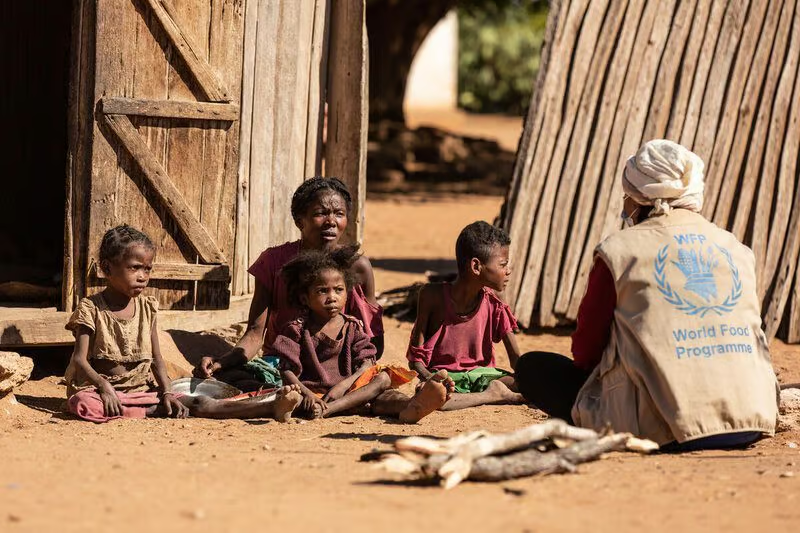
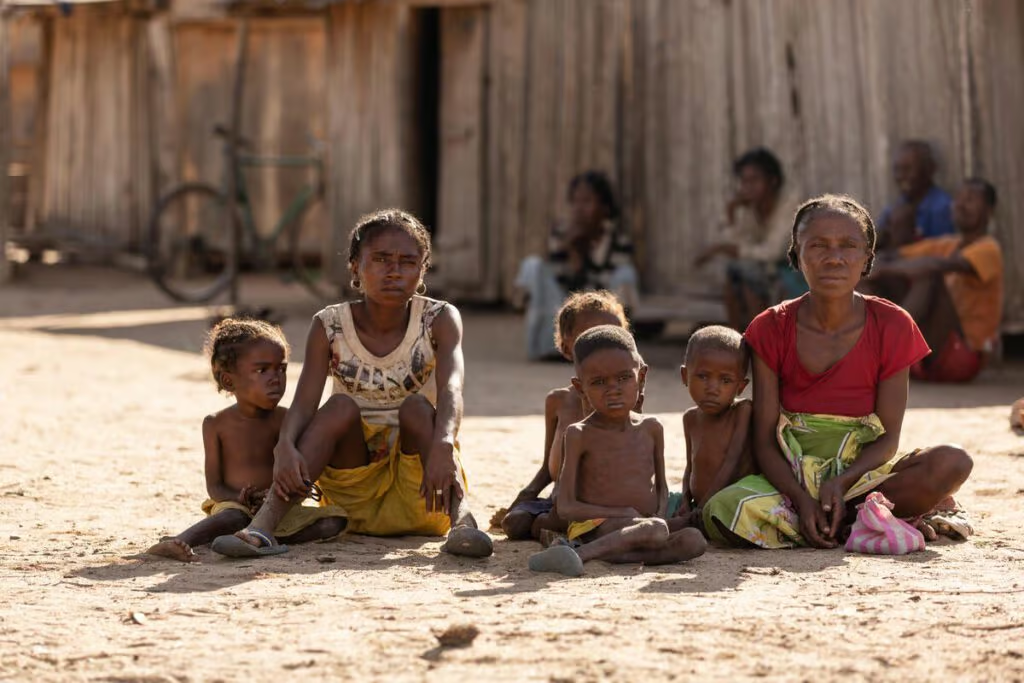
As climate talks get underway in Glasgow, families in southern Madagascar, where climate is driving famine-like conditions, brace themselves for yet another harsh year ahead.

The climate crisis impacts all parts of the global food system – from production to consumption. COP26 is a critical moment for global powers to meet and urgently tackle the impacts of climate change.

Hundreds of thousands of lives are at risk in southern Madagascar, the only place in the world right now where catastrophic levels of hunger are being driven by climate not conflict.
The climate crisis has the potential to overwhelm humanity. The world is not prepared for the unprecedented rise in hunger we will see if we do not invest in programs that help vulnerable communities adapt and build resilience to our changing climate

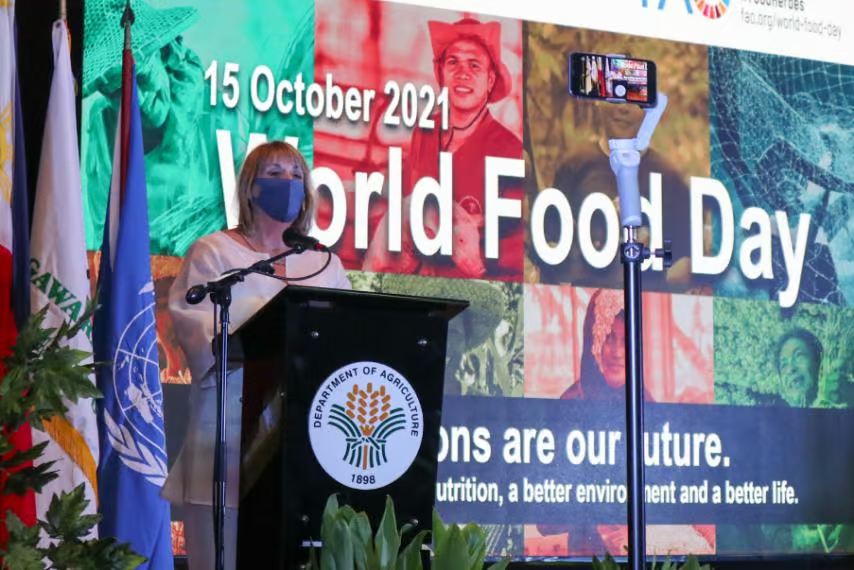
FAO, IFAD and WFP renewed their commitment to help reform food systems in Iraq, calling for action to tackle water shortages and climate change.
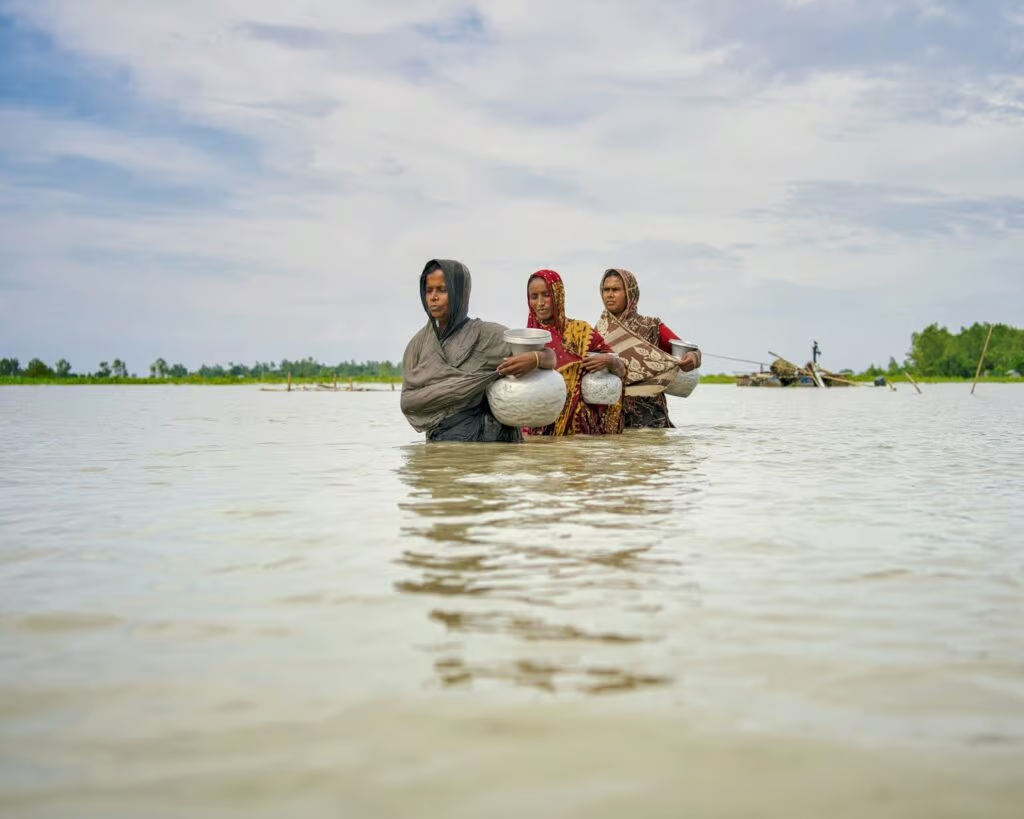
The world faces an exponential increase in hunger fueled by the climate crisis if urgent global action to help communities adapt to climatic shocks and stresses is ignored.
Lost and wasted food might not seem like humanitarian issues, but they are. The way we grow, store, transport, sell and consume our food all contribute directly to the health of our global climate. Here’s how.

For International Day of Clean Air for Blue Skies, we’re taking a look at how #healthyairhealthyplanet and #ZeroHunger go hand in hand.