How to Help South Sudan: Surviving on the Frontlines of the Climate Crisis
As reported by David Muir on ABC, the people of South Sudan are suffering from historic, overlapping drought and floods caused by the climate change.

As reported by David Muir on ABC, the people of South Sudan are suffering from historic, overlapping drought and floods caused by the climate change.

These are the 10 worst hunger crises in the world today based on where the U.N. World Food Programme works and has collected recent data. The crises are ranked by the total number of people facing severe hunger in each country.

Pope Francis begins his visit to two of the world’s worst hunger crises: the Democratic Republic of Congo (DRC) and South Sudan. His visit comes at a time when WFP faces shrinking funds to reach millions facing severe hunger in these countries.Â

In the world’s youngest country, WFP is empowering communities by constructing roads to improve food security and develop rural economies.

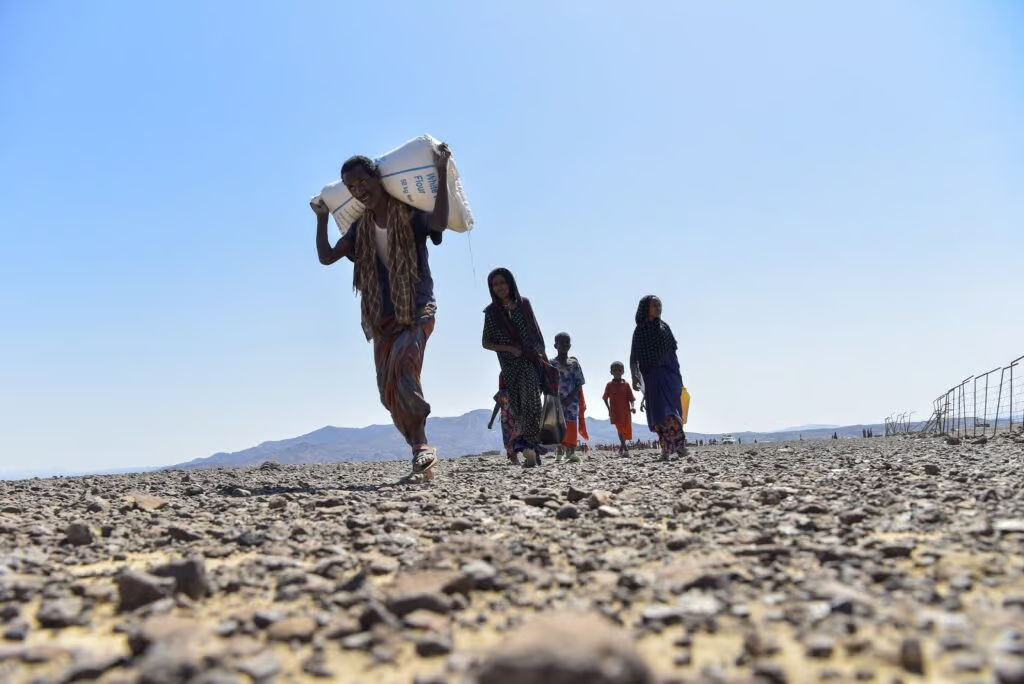
Refugees and IDPs face some of the toughest challenges imaginable in their search for stability. One of the worst is hunger.

Almost one-third of the acutely food insecure South Sudanese the WFP planned to support this year will be left without humanitarian food assistance due to critical funding shortages, heightening the risk of starvation for 1.7 million people.

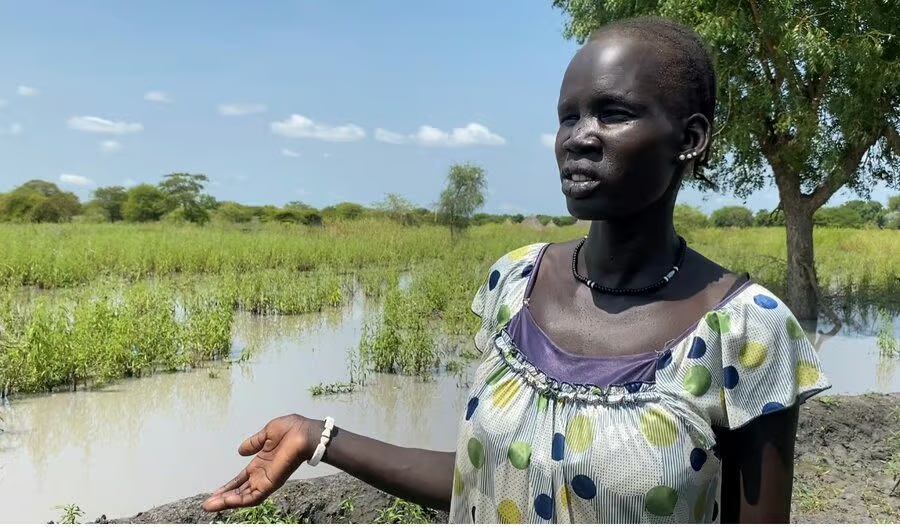
Three consecutive years of flooding in South Sudan have destroyed homes, harvests and acres of land. Coupled with drought, violence and high food prices, communities are being pushed to their limit.

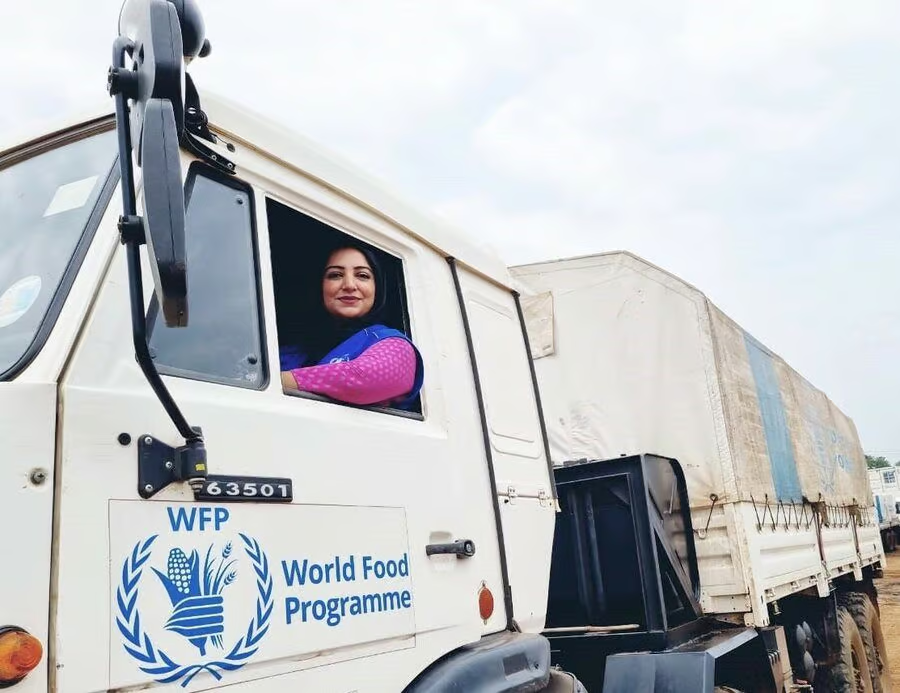
As WFP’s food safety and quality officer in Juba, Ume oversees the entire South Sudan operation – from food inspections to management of any issues with the products and packaging.

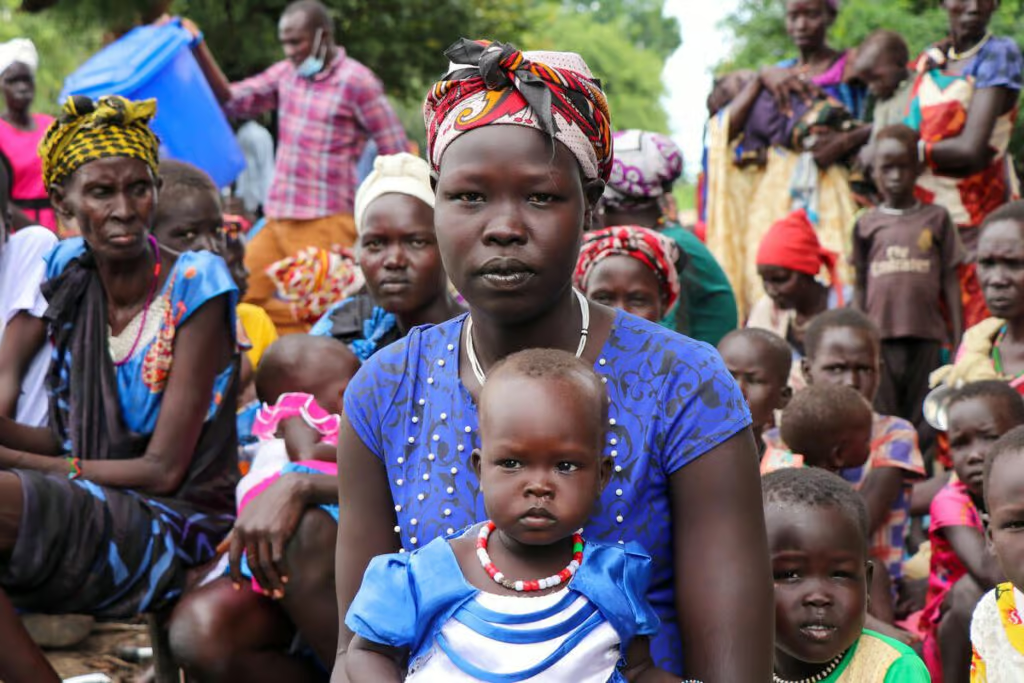
More than 70% of the South Sudanese population will struggle to survive the peak of the lean season this year as the country grapples with unprecedented levels of hunger caused by conflict, climate shocks, COVID-19 and rising costs.

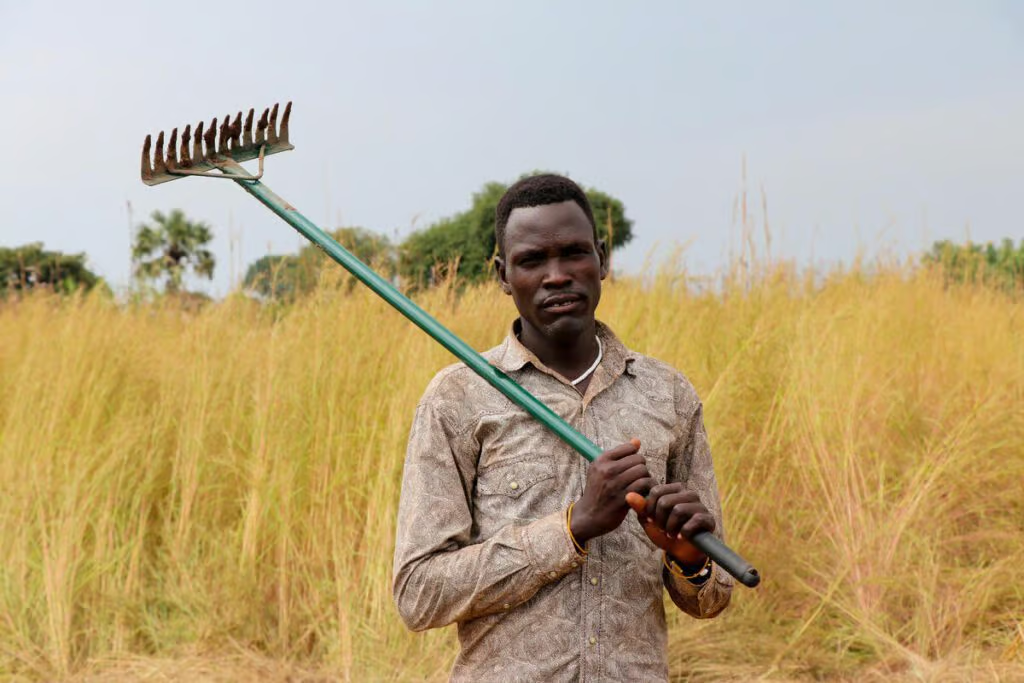
The United Nations World Food Programme (WFP) is providing South Sudanese farmers with “climate-smart training” to make the most of their land and yield stronger harvests.