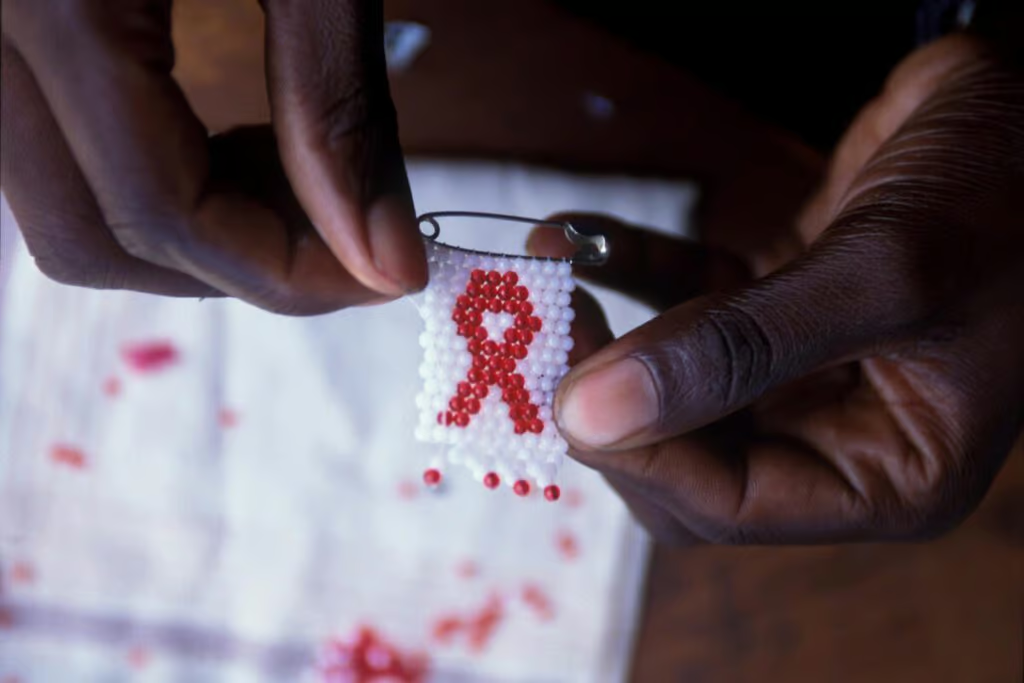
Food Is the First Line of Defense Against AIDS
Many people don’t realize the strong link between hunger and AIDS, but it is one of the major reasons why I became president and CEO of World Food Program USA.

Many people don’t realize the strong link between hunger and AIDS, but it is one of the major reasons why I became president and CEO of World Food Program USA.
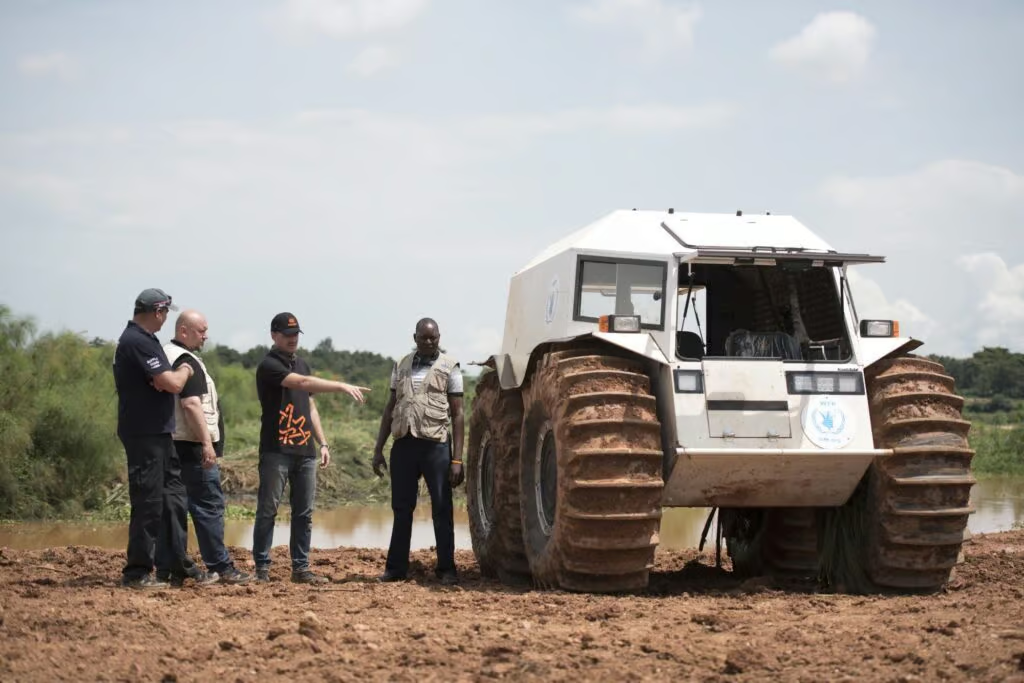
Meet the river fording, jungle trekking, all-terrain vehicle that’s helping WFP get food to people in the most remote places.

In fragile and conflict-hit countries, it’s not the virus itself that will do most harm. It’s the missed vaccinations, the missed education and the missed daily wages that means a family can’t eat.
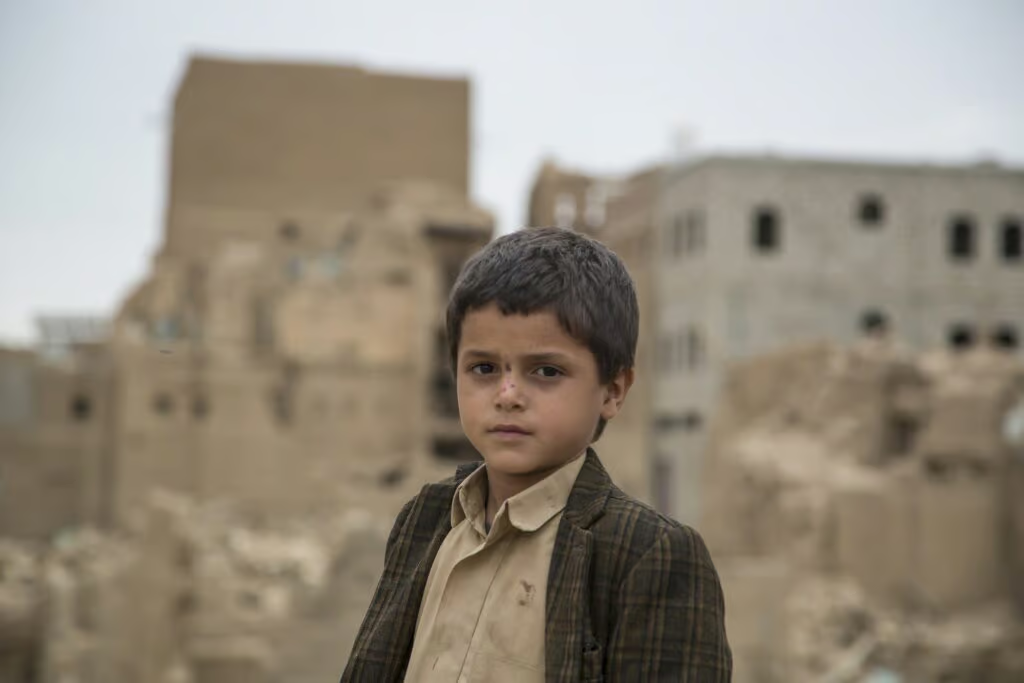
Two years ago, the UN Security Council unanimously adopted Resolution 2417, banning hunger as a weapon of war. Here we reflect on its significance and what difference it’s made.

Burkina Faso, northeastern Nigeria, South Sudan and Yemen are facing famine from a toxic combination of conflict, economic decline, climate extremes and coronavirus.
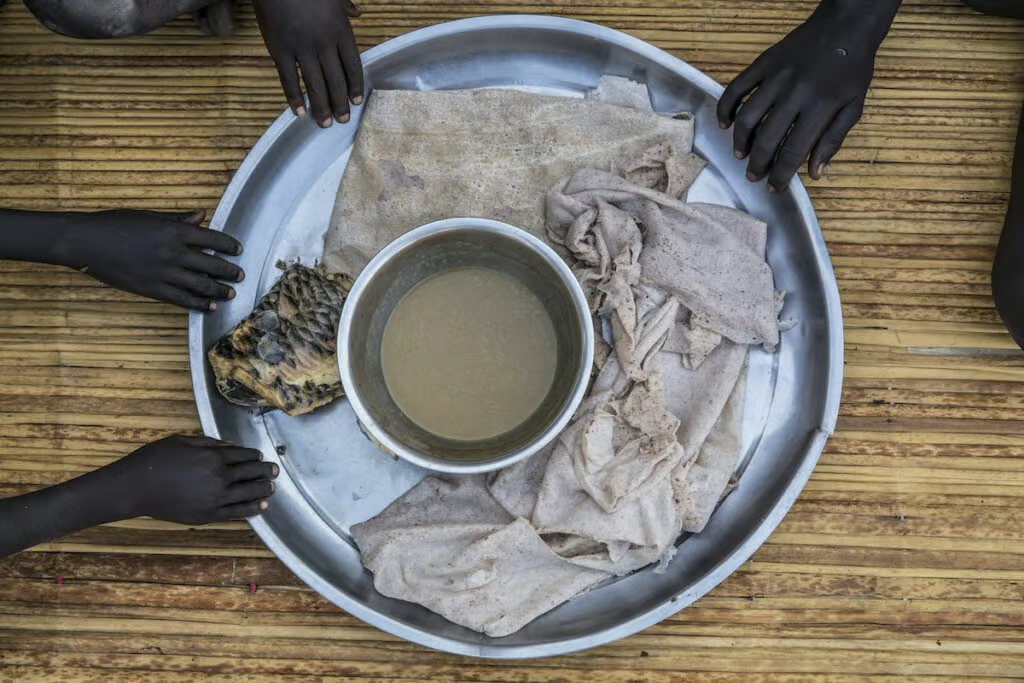
A new report exposes the destructive impact of conflict, climate change and economic crises, now compounded by COVID-19, in driving up hunger.
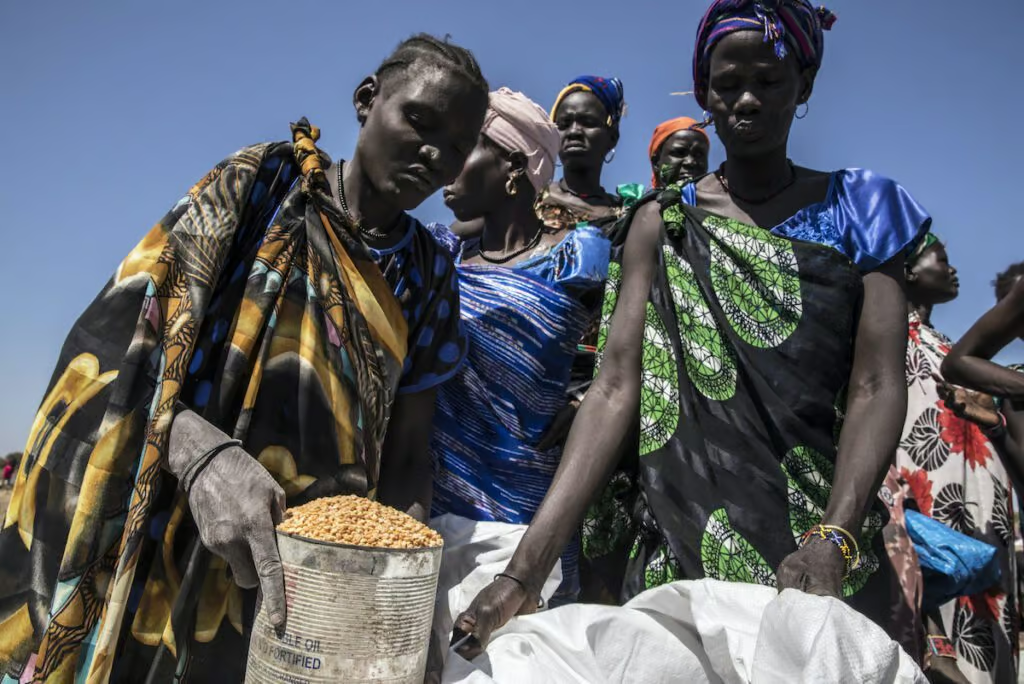
Fighting is keeping farmers from their fields and livestock keepers from their traditional grazing patterns: the violence is causing long term food insecurity across the region.
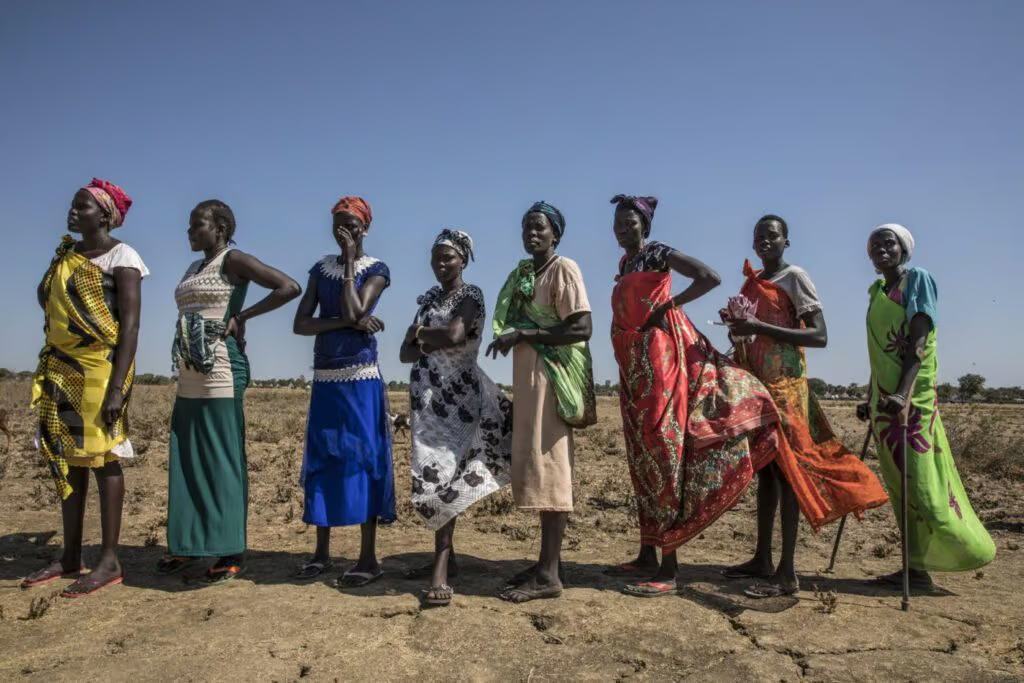
A newly re-opened route from Kenya is helping WFP get essential food aid to struggling areas of South Sudan for the first time since 2018.
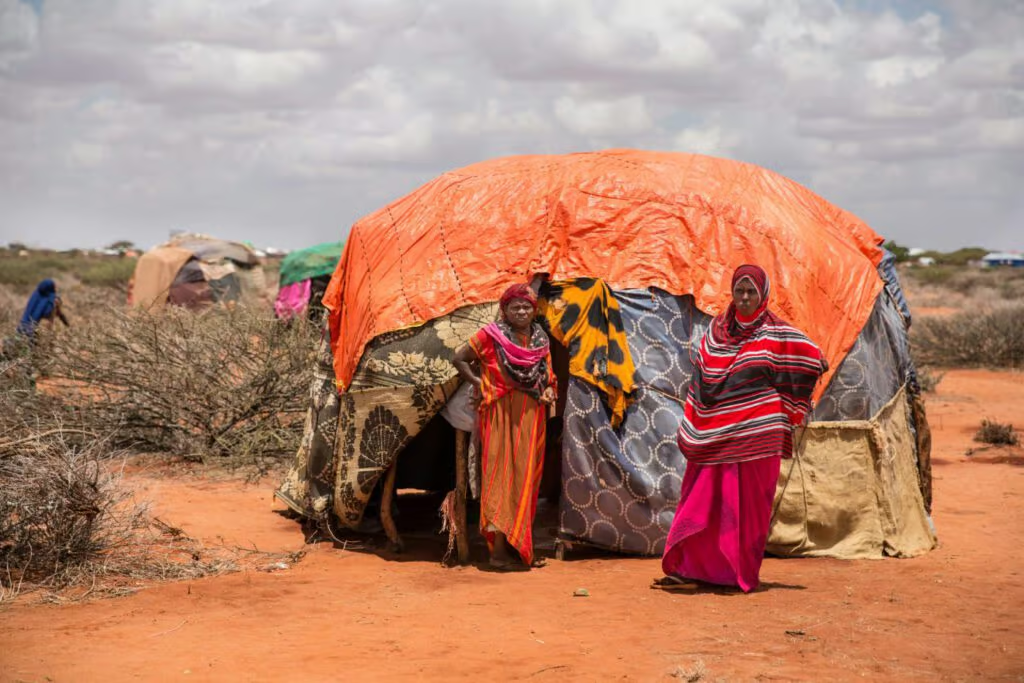
The socio-economic impact of coronavirus in East Africa and the Horn could kill more people than the pandemic itself.
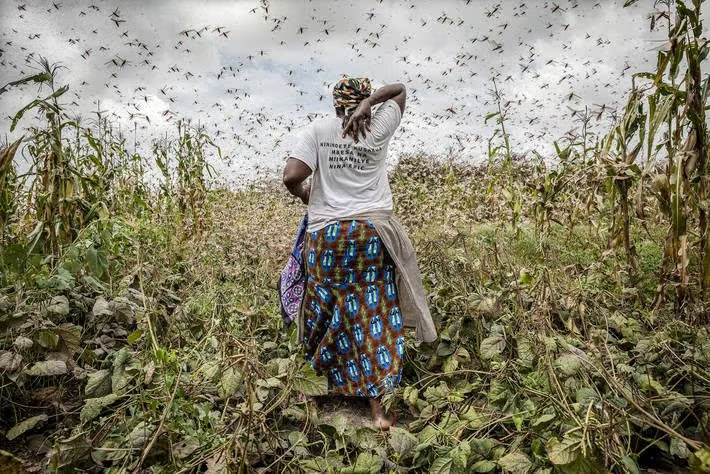
The locust upsurge affecting East Africa is a graphic and shocking reminder of this region’s vulnerability. Yet as ancient as this scourge is, its scale today is unprecedented in modern times.