Window to Prevent Famine in Yemen Is Narrowing, UN Agencies Warn
Levels of hunger across the country are reaching record high levels. But we have prevented famine in Yemen before, and we can do it again.

Levels of hunger across the country are reaching record high levels. But we have prevented famine in Yemen before, and we can do it again.

Humanitarian advocate Rima Fakih and NYTimes columnist Nicholas Kristof joined WFP’s Valerie Guarnieri and moderator Femi Oke for a lively exchange on how this triple threat has upended the health and security of billions of people around the world.
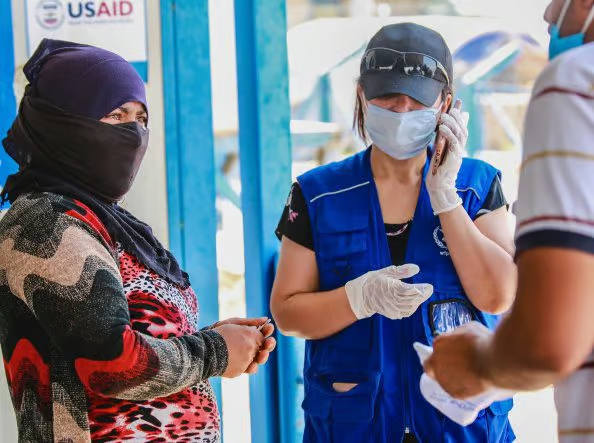
This fresh support from USAID comes at a crucial time when COVID-19 and disrupted food access is harming already vulnerable Iraqi families.

WFP cameraman Marco Frattini reflects on his experience documenting the world’s largest humanitarian crisis in Yemen.

In fragile and conflict-hit countries, it’s not the virus itself that will do most harm. It’s the missed vaccinations, the missed education and the missed daily wages that means a family can’t eat.

In an address this morning to the UN Security Council, WFP’s CEO David Beasley made an urgent appeal: “Don’t turn your backs on the people of Yemen.”

Burkina Faso, northeastern Nigeria, South Sudan and Yemen are facing famine from a toxic combination of conflict, economic decline, climate extremes and coronavirus.
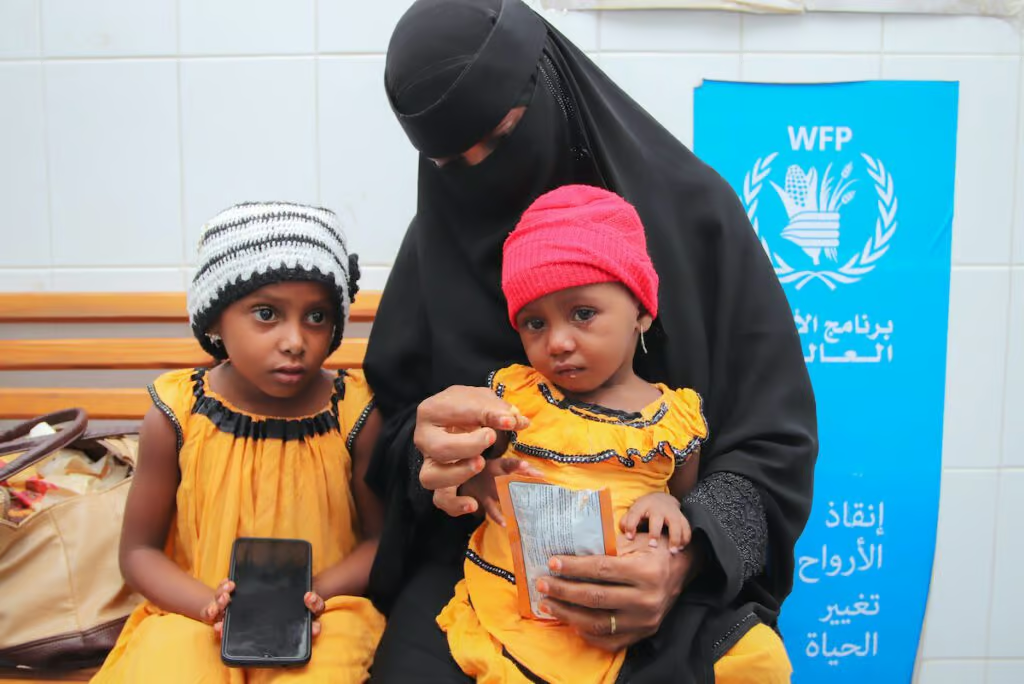
We’ve been warning since July that Yemen is on the brink of a catastrophic food security crisis. We’re now at risk of losing an entire generation of Yemen’s young children.

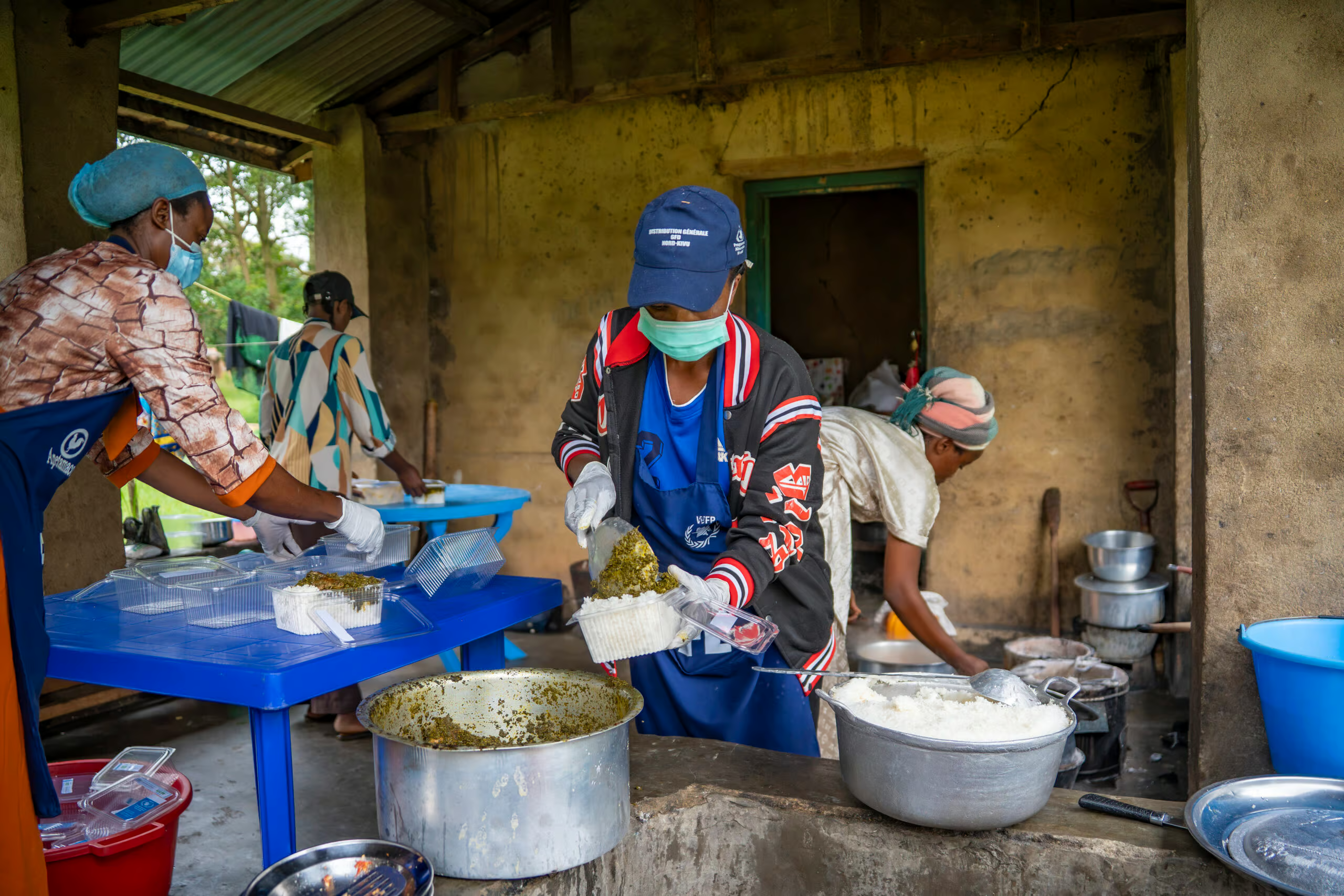
We’ve been on the ground since the blast assisting those most in need with food parcels, hot meals and now, cash.
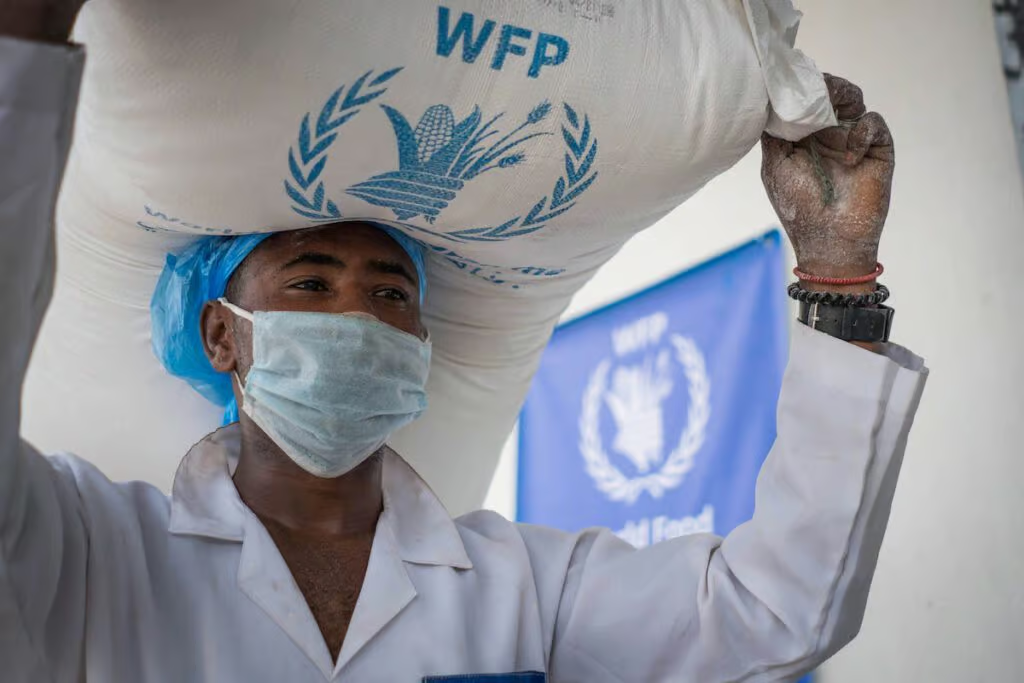
Yemen is one of the most complex operating environments in the world, and millions are suffering. We need increased funding to help the country turn a corner.