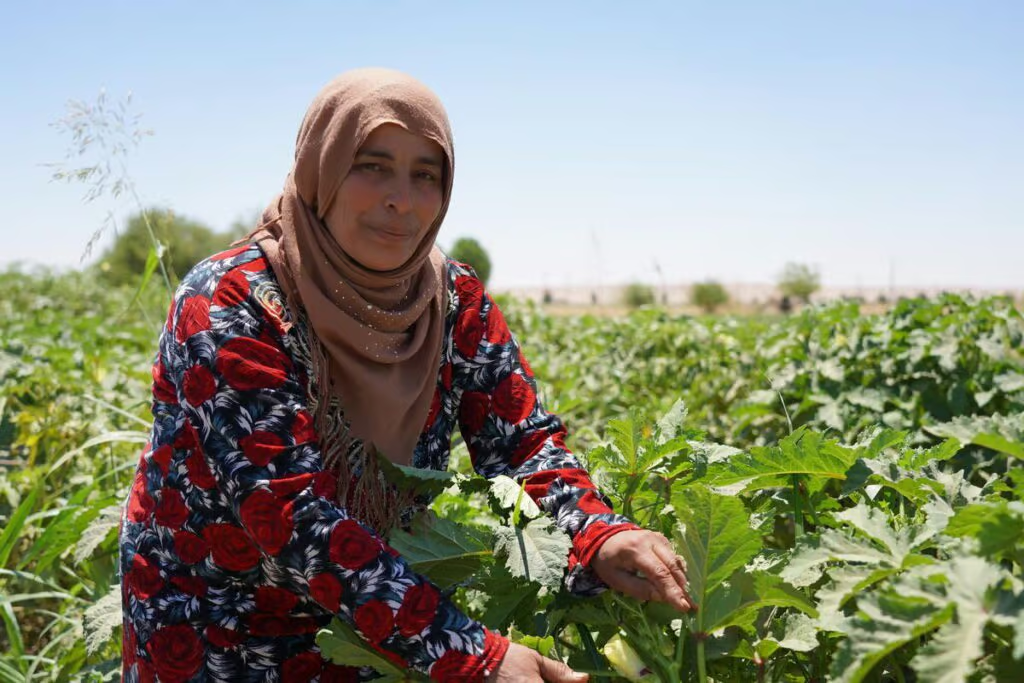
The Women of Syria Are Hungry for Food and Change
It’s been over a decade since the conflict in Syria began, and today families are barely hanging on. Meet Syrian women and girls who are doing whatever it takes to survive.

It’s been over a decade since the conflict in Syria began, and today families are barely hanging on. Meet Syrian women and girls who are doing whatever it takes to survive.
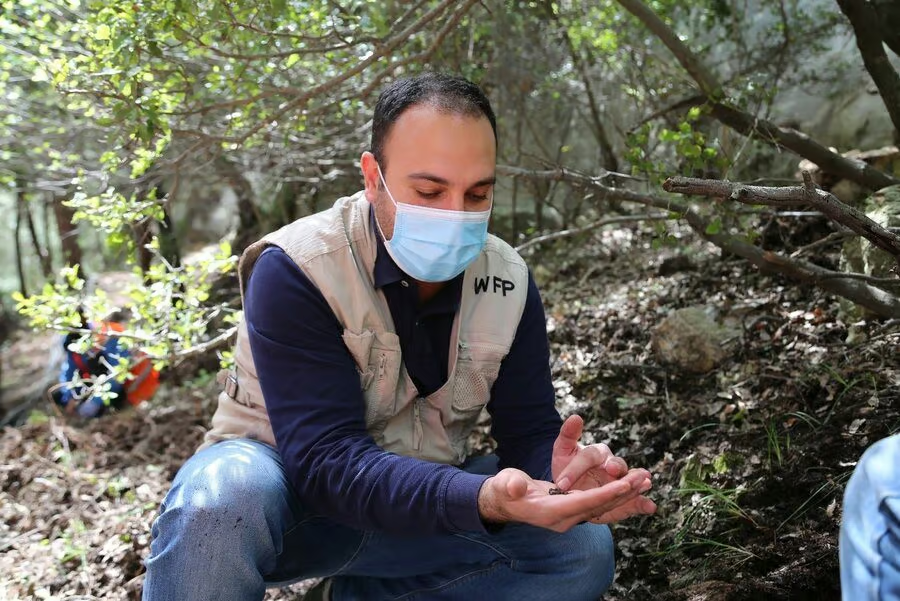
WFP’s forest management interventions are preserving Lebanon’s greenery. At a WFP site in Lebanon, we take a look at Kassem Jouni’s work with earthworms and how these unsung heroes have a lot to offer.
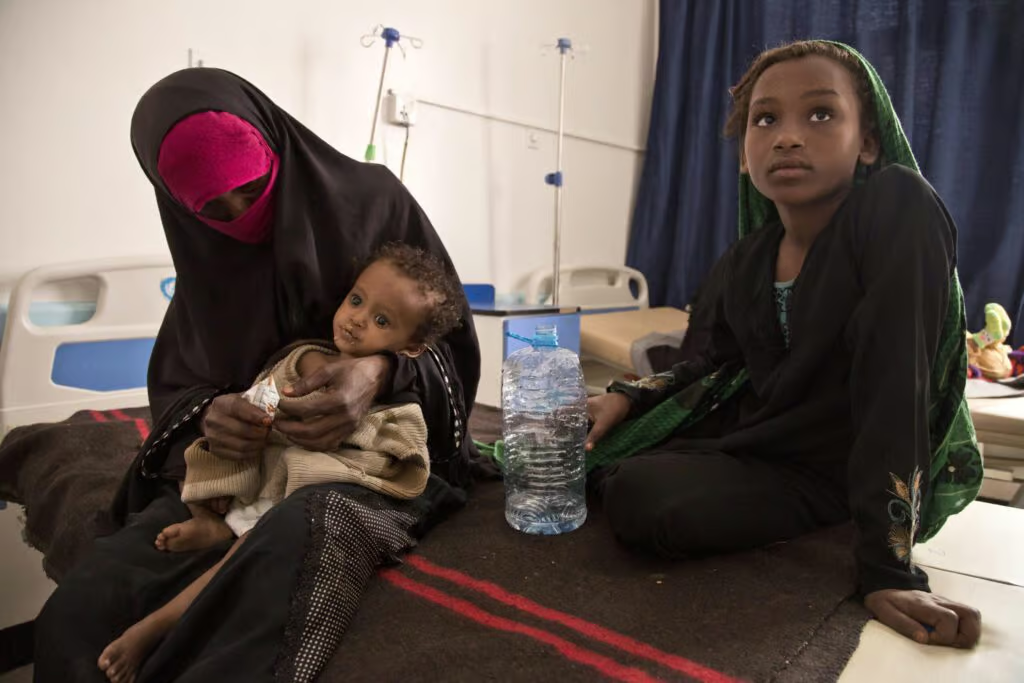
Seven incredible women share their experiences of extreme hardship during Ramadan in war-torn Yemen.

The Syrian people need their support more than ever before. WFP is appealing for the funds it needs to provide urgent food assistance to millions of Syrians who are facing the worst humanitarian conditions since the start of the conflict.

We are seeing a catastrophe unfold before our very eyes. Famine – driven by conflict, and fueled by climate shocks and the COVID-19 hunger pandemic – is knocking on the door for millions of families.
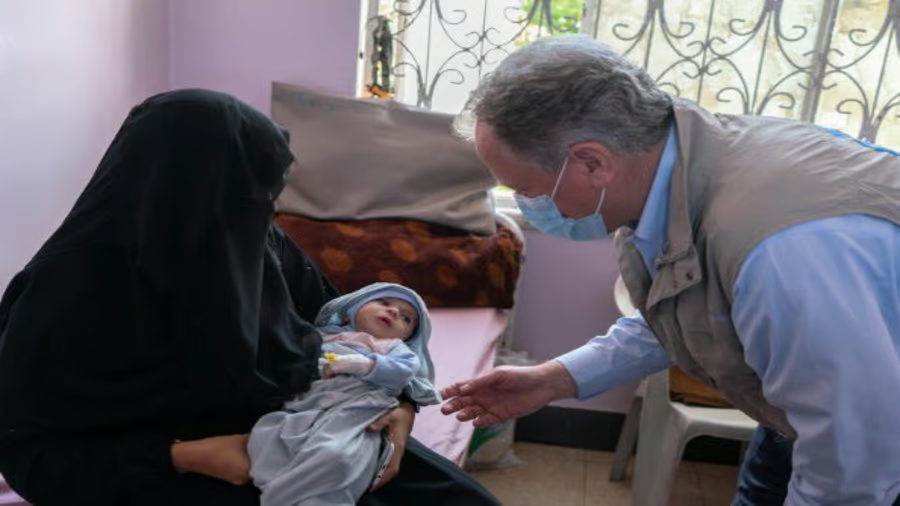
Roughly, one child in Yemen will die every 75 seconds, said World Food Programme Executive Director David Beasley during his address to the United Nations Security Council today. Beasley called for an end to the conflict and fuel blockade that are propelling Yemen towards the biggest famine in modern history.
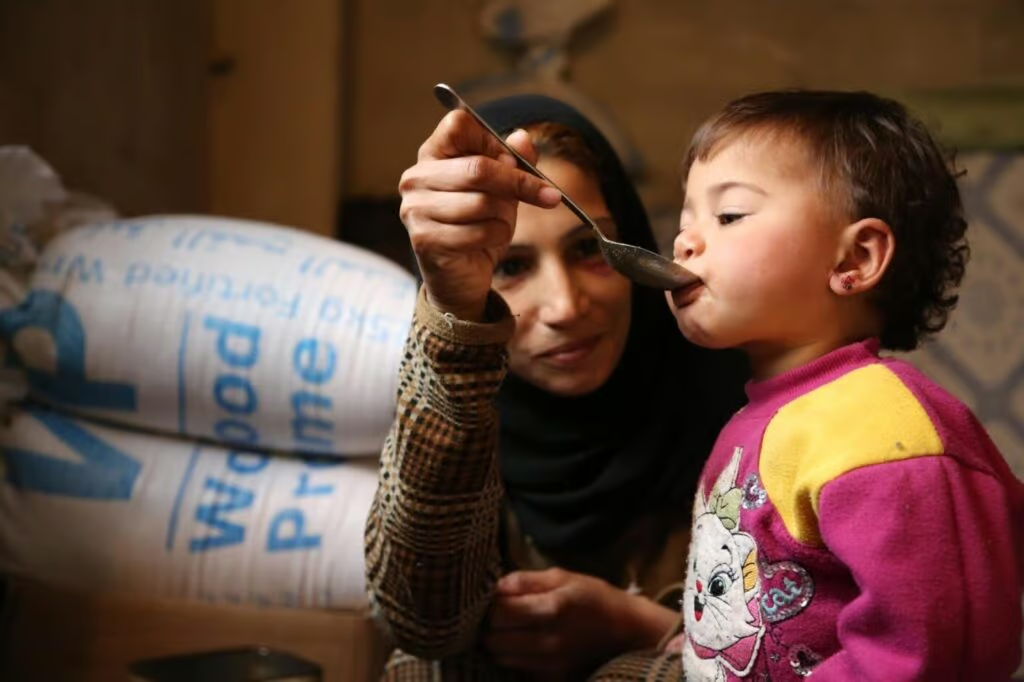
After a decade of upheaval, conflict and displacement, Syrians are facing the worst humanitarian conditions since the start of the crisis. We cannot forget them.
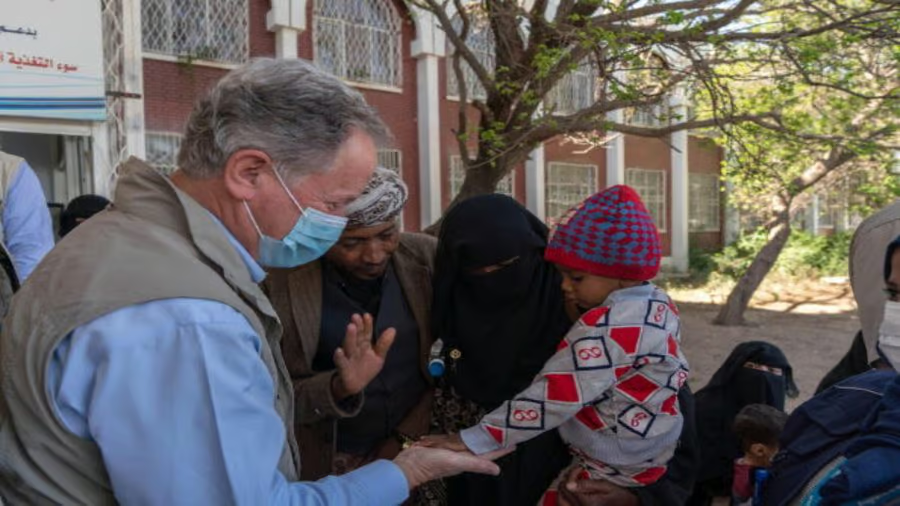
Over half of the people in Yemen are facing acute food shortages with millions knocking on the door of famine. We have the vaccine to save their lives – it’s food, and all we need is the funding.
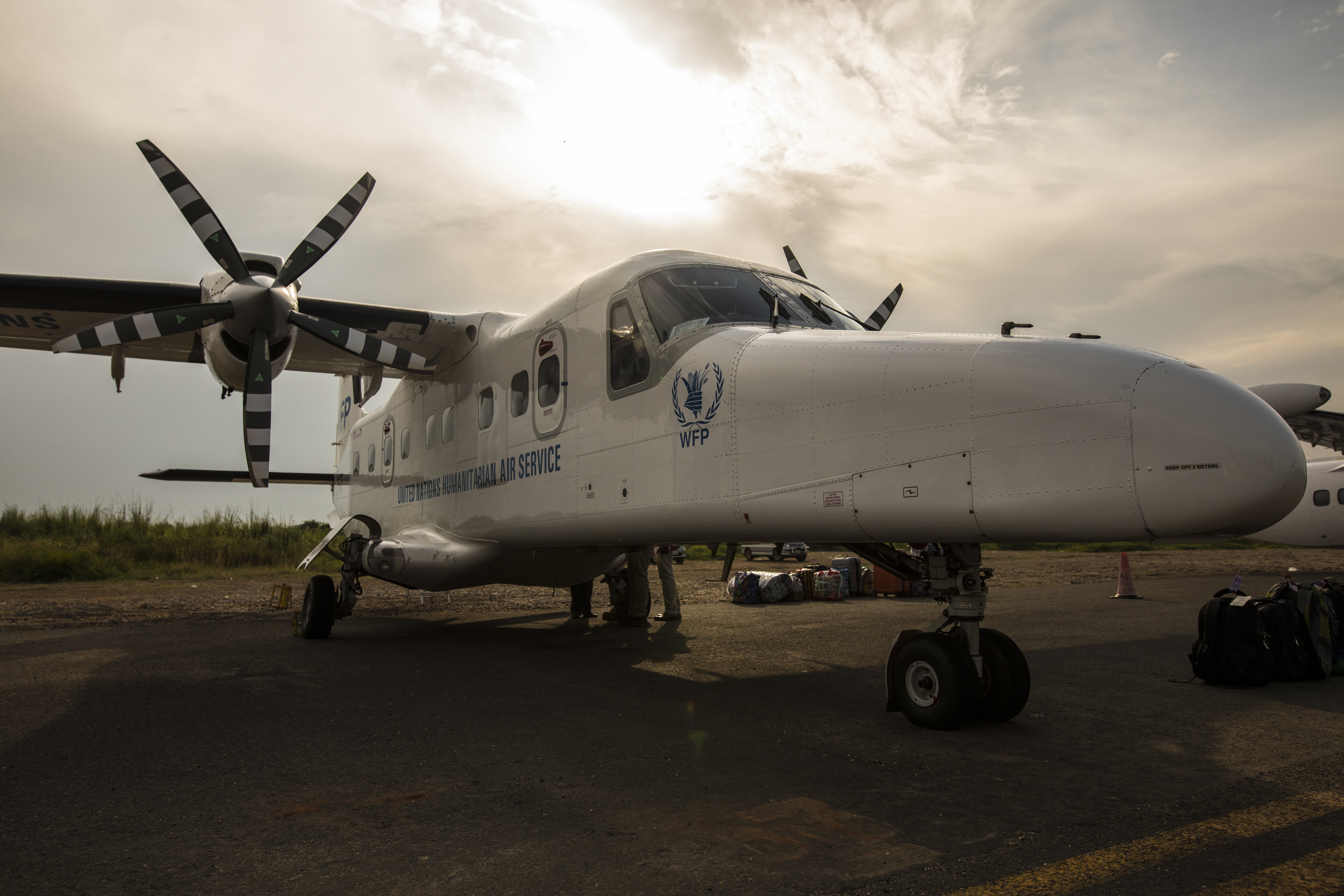
The critical lifeline transports humanitarian workers and lifesaving cargo to some of the most challenging and hard-to-reach locations

An economic crisis, job losses as a result of COVID19 and soaring food prices have added to the plight of Syrians who have been displaced and worn down by a decade of conflict.