This One Simple Thing Can Feed Children, Reduce Inequality, Empower Women and Girls, and Break the Cycle of Poverty
What is “home grown” school feeding? It’s not only transforming the lives of students, but entire communities.

What is “home grown” school feeding? It’s not only transforming the lives of students, but entire communities.
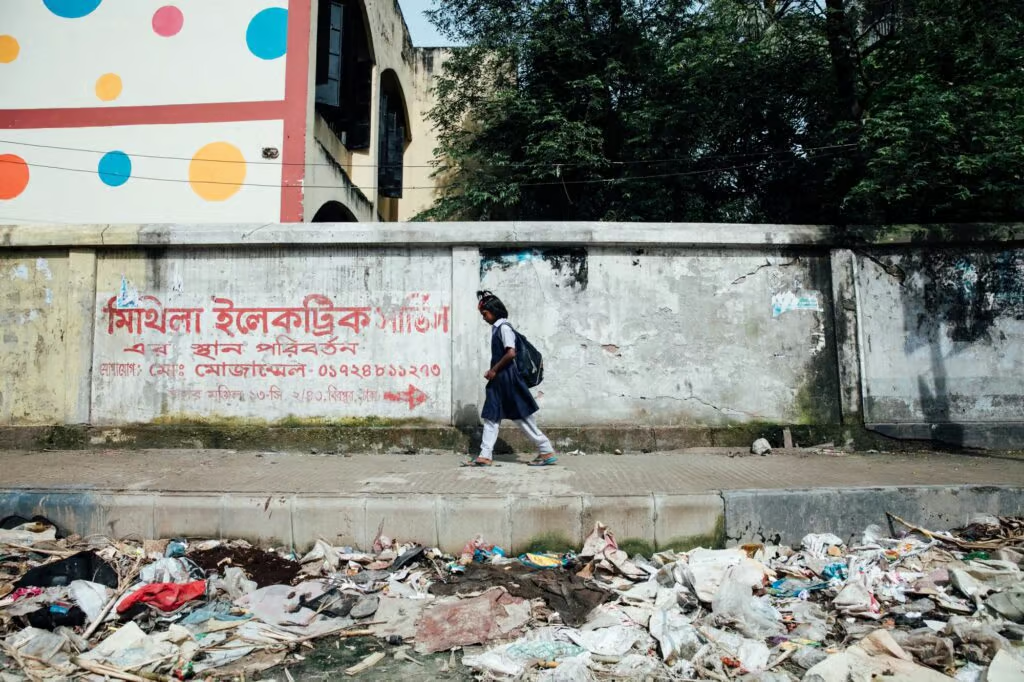
Standing in a doorway to the alley, Shrity brushes her teeth before sitting on the bed she shares with three other people. Here, she finishes her homework and eats a quick meal of rice and lentils before walking the littered streets to school.

Preliminary results of a Harvard University analysis show that globally, every dollar spent on a school meals program can bring returns of as much as $20.

What does it take to operate the world’s largest hunger relief effort? 75,000 shipping containers, 17,000 employees, 5,600 trucks, 92 aircraft and 20 ships. This is how we #endhunger.

The Mt. Lebanon famine killed 200,000 people between 1915 and 1918. The situation in Syria today looks eerily similar.

For millions of girls around the world, going to school is anything but guaranteed. These two projects are making education a reality for hundreds of them.
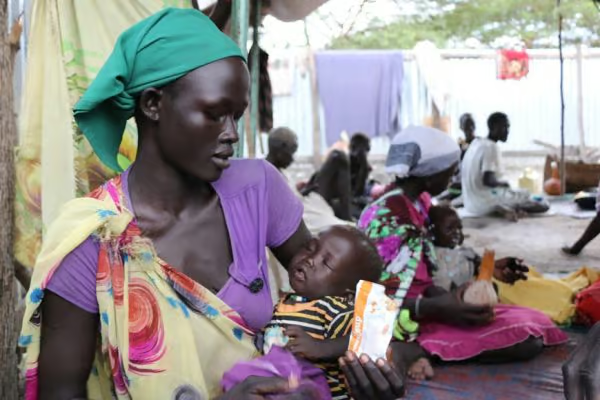
Three UN agencies warn that 61% of the population – the highest rate ever – is projected to face crisis levels of food insecurity or worse by the end of July.
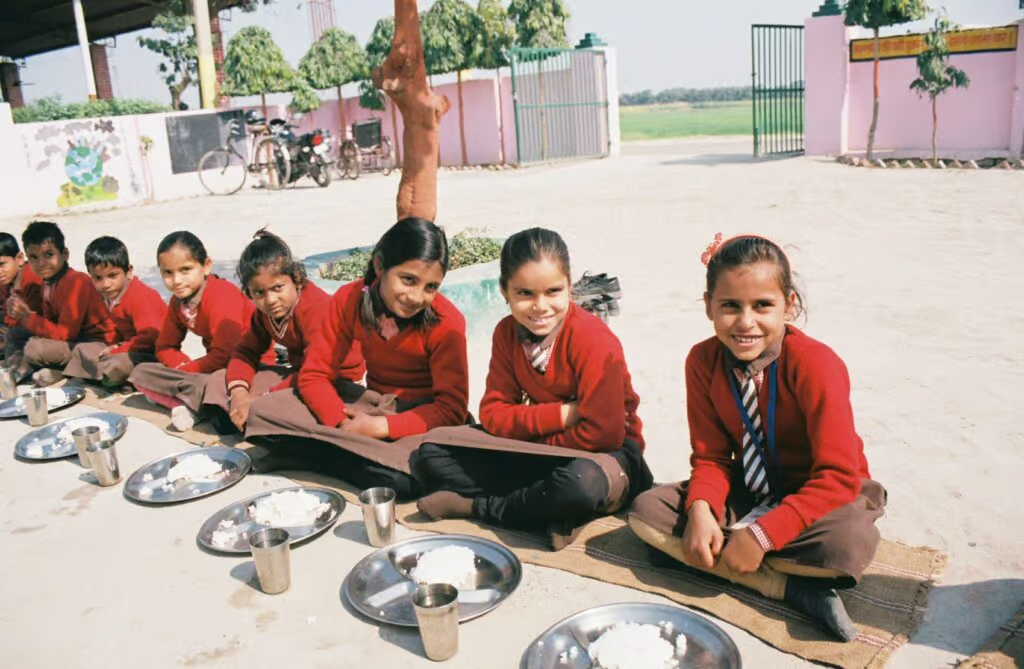
Recently returned from India, WFP Development Director Torrey Shallcross recalls her meaningful experience visiting a school that receives WFP meals.

Hungry children do not build prosperous economies or peaceful societies. School meals represent one of the most affordable and effective investments we can ever make in humanity.

Children form the future human capital of a nation, and school feeding programs provide a key support in building the foundations.