This Is How Humanitarian Telecoms Hubs Are Racing to Beat COVID-19
Information is one of the most important weapons in a pandemic. Here’s how WFP tech hubs are scaling up to help.

Information is one of the most important weapons in a pandemic. Here’s how WFP tech hubs are scaling up to help.
WFP is seating up the vital logistics backbone that will help save lives and help halt the spread of the virus. Humanitarian leaders from across the world are calling on donors to provide the support needed for WFP to scale-up its lifesaving services.
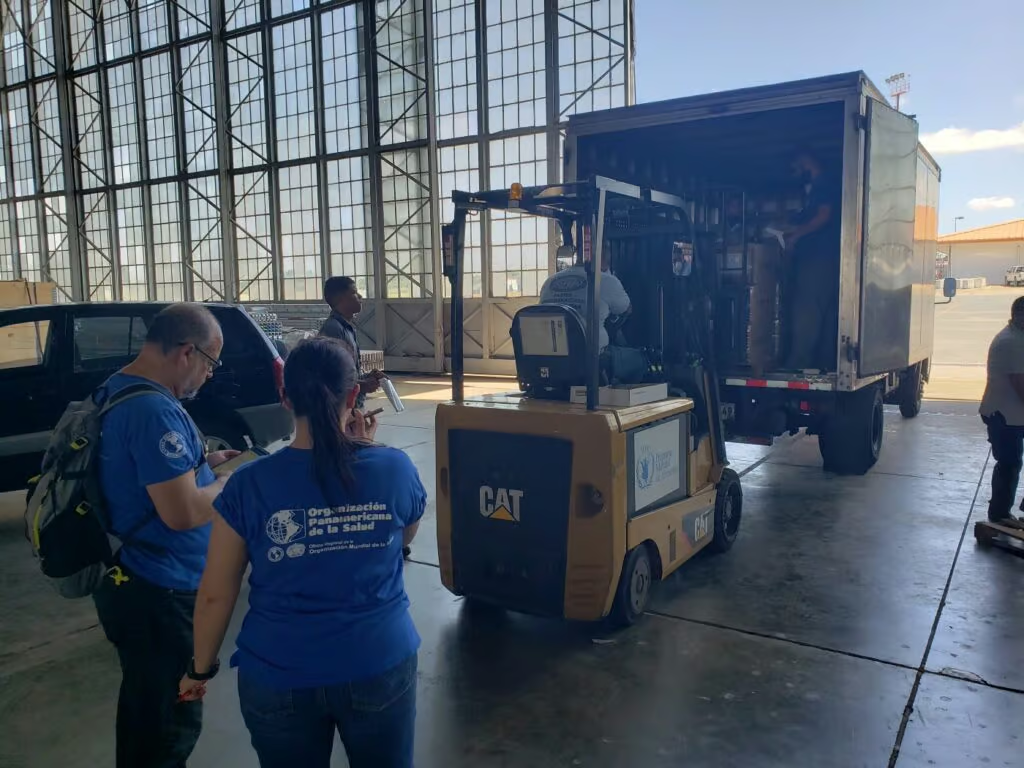
COVID-19 pandemic is causing border closures, travel restrictions and supply chain complexities never faced before, but WFP is still finding ways to save lives.

The first United Nations “Solidarity Flight” is scheduled to leave Addis Ababa, Ethiopia, today – from there, the aircraft will transport the vital medical cargo to all countries in Africa, where supplies are desperately needed to contain the spread of COVID-19.
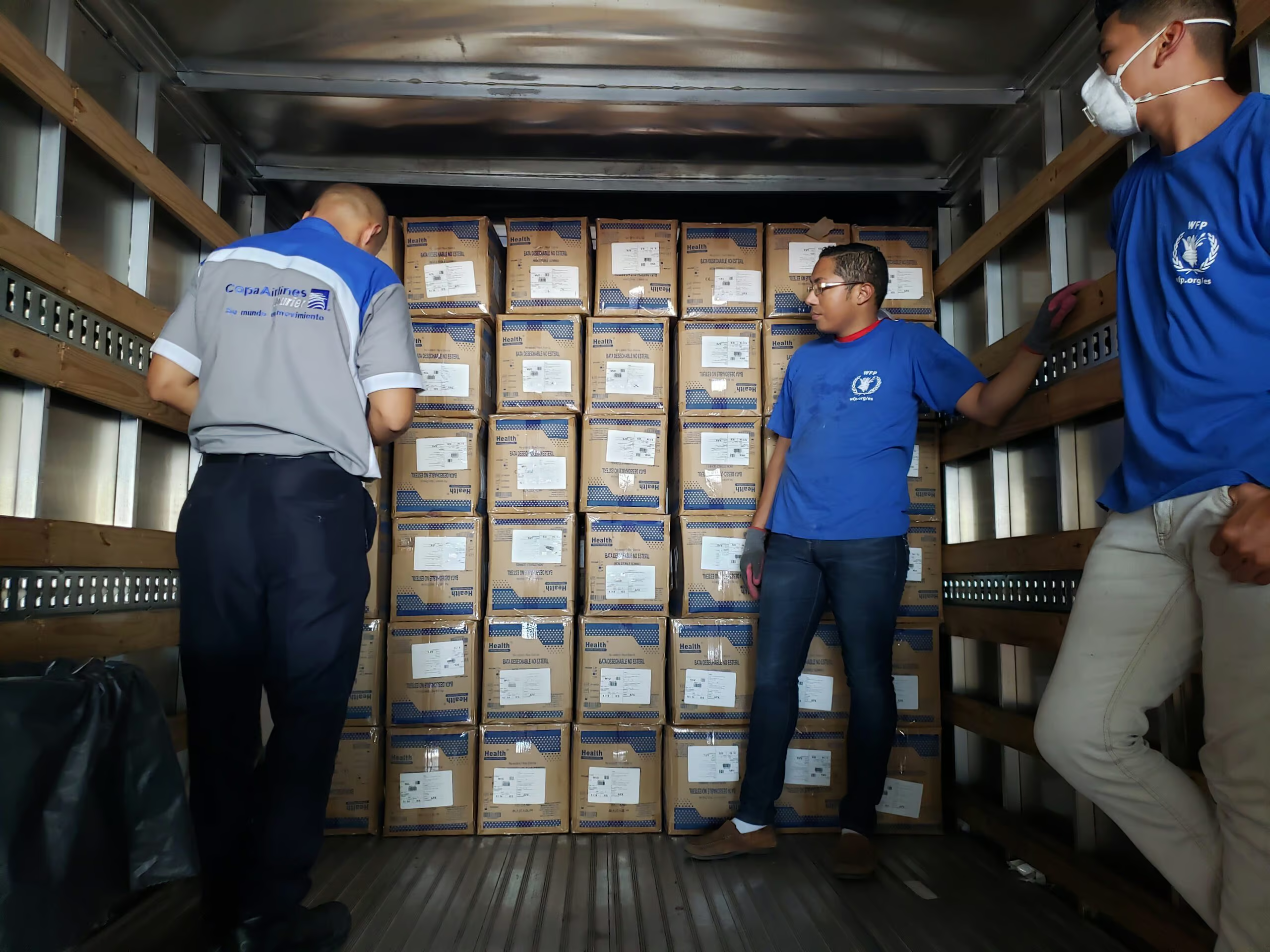
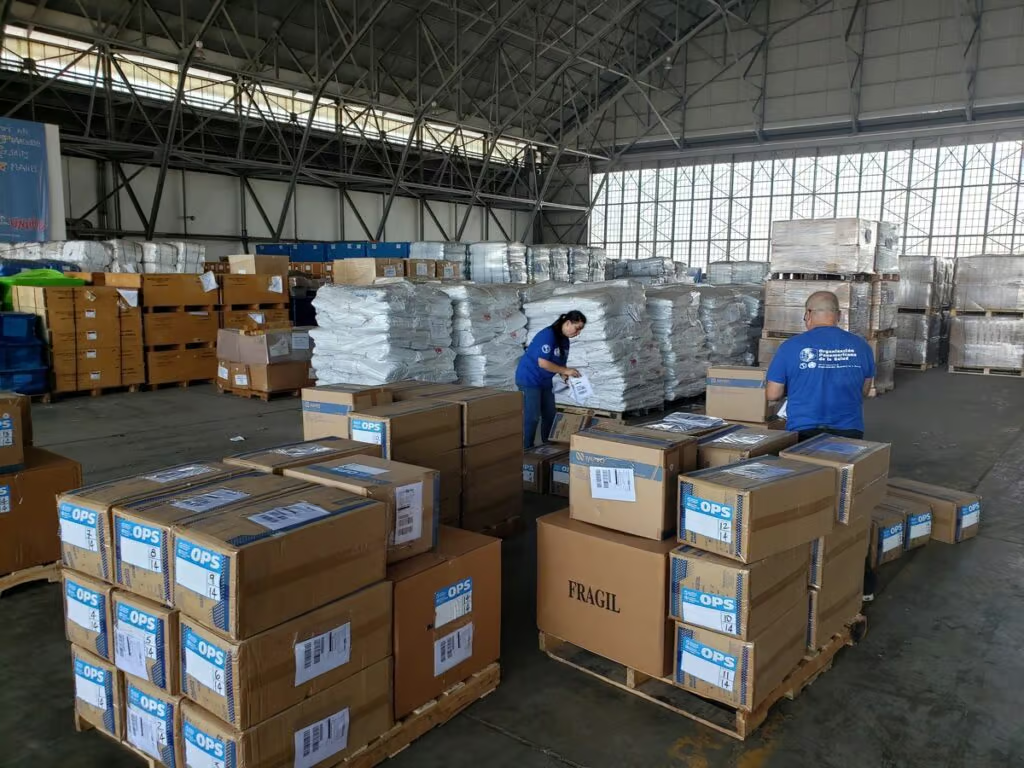
The United Nations Humanitarian Response Depot (UNHRD) in Panama has already airlifted more than eight tons of supplies, including COVID-19 kits, to 24 countries.
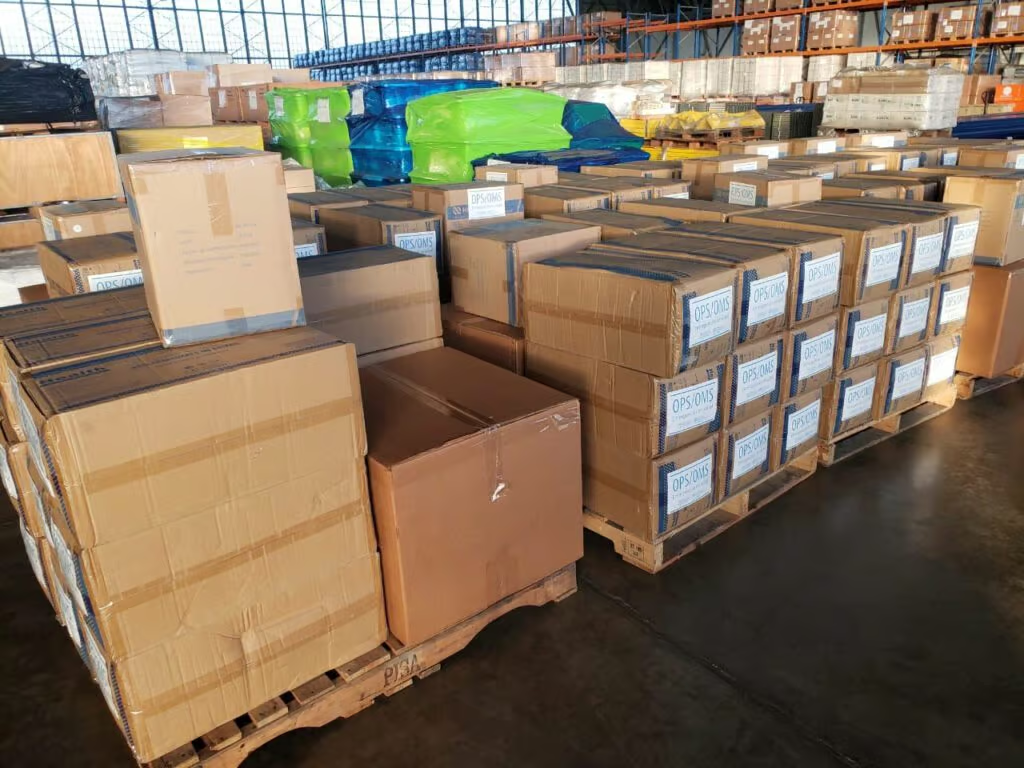
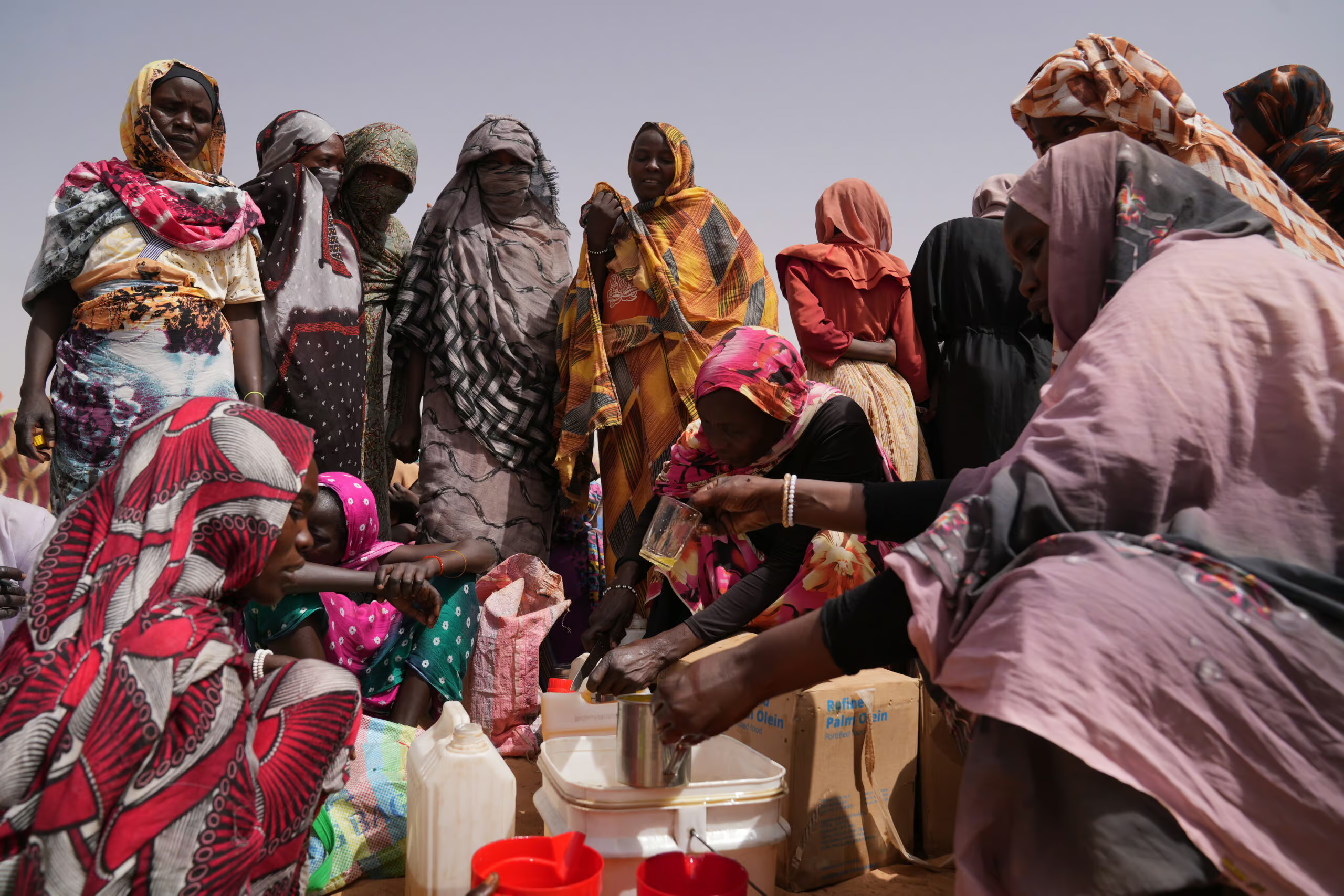
WFP is prepositioning food, delivering medical equipment, providing emergency food rations, and using its global logistics network to help the world’s most vulnerable populations cope with COVID-19.
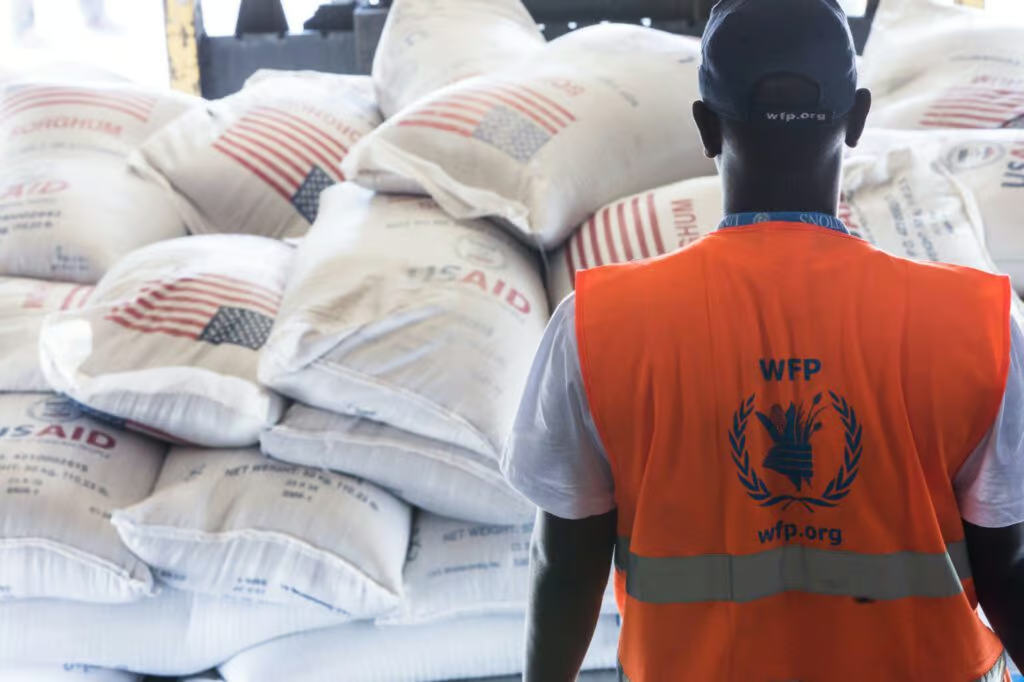
Right now, WFP’s primary focus is continuing to fulfill its mission to get lifesaving food to millions of people around the world while protecting the safety and health of its staff.

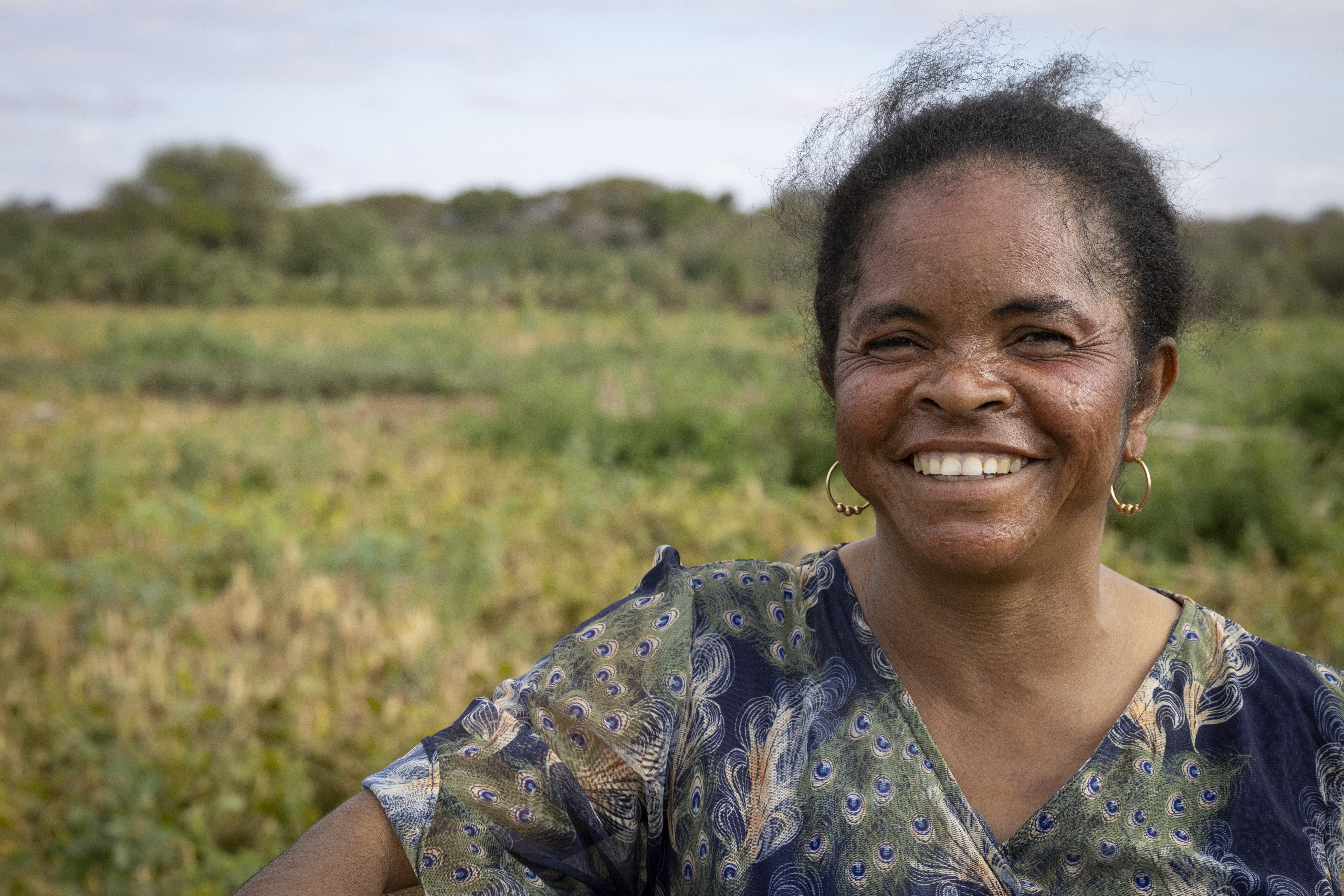
Women, especially in rural areas, are instrumental in the fight against hunger and malnutrition and in making food systems more productive and sustainable.
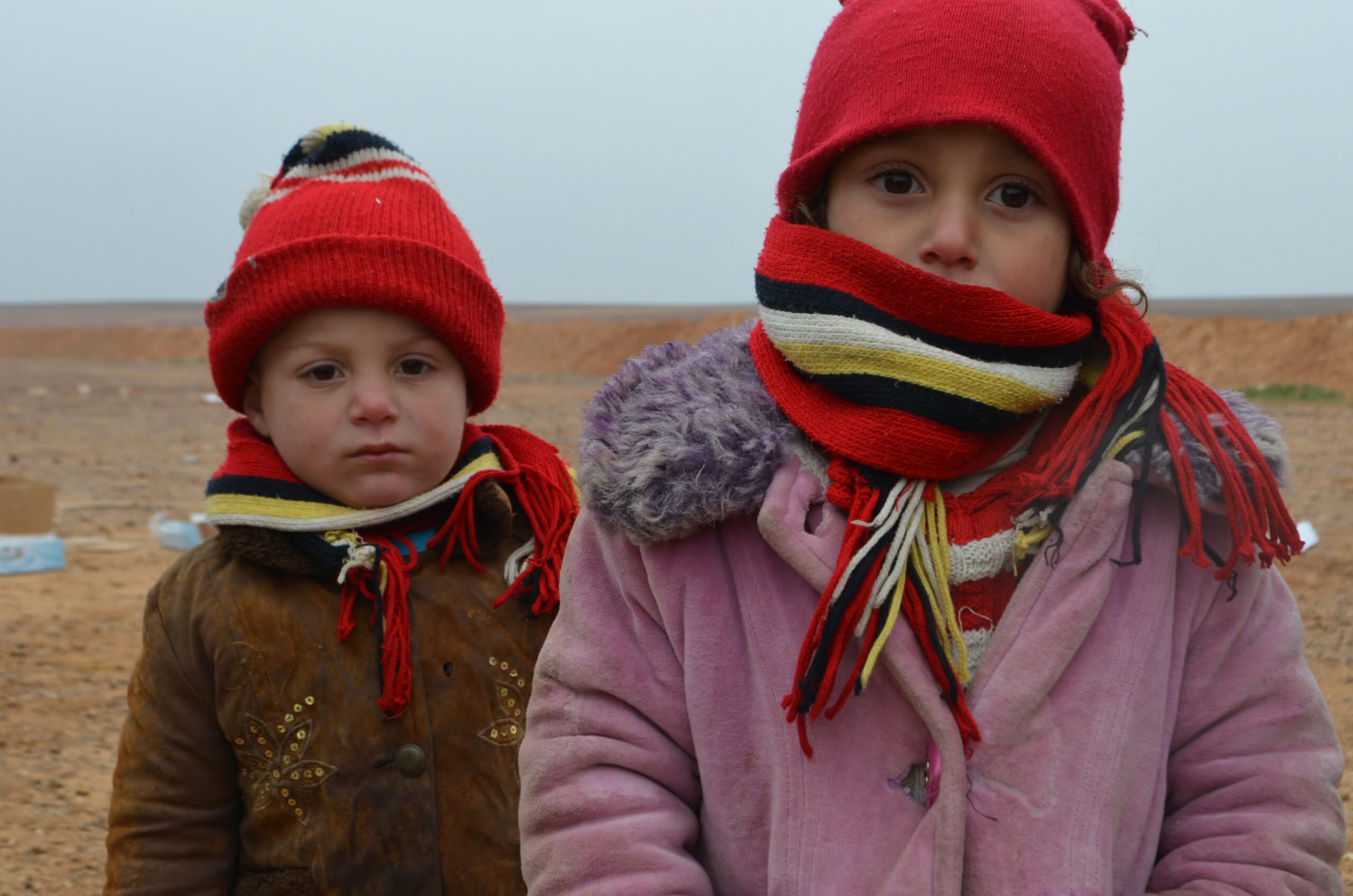
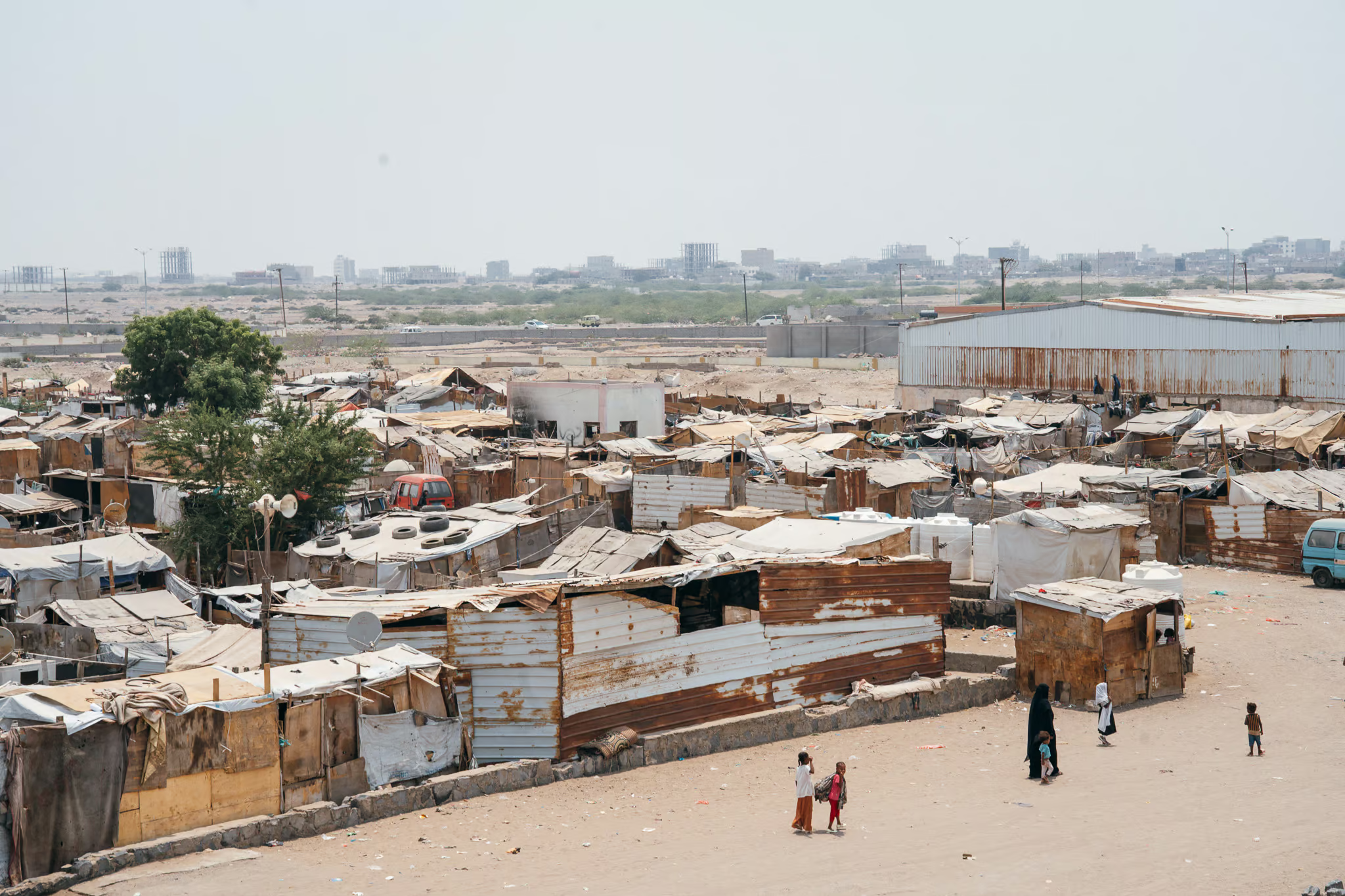
Families are arriving by the thousands at already over-crowded camps and they need everything — blankets, medicine, tents and, of course, food.
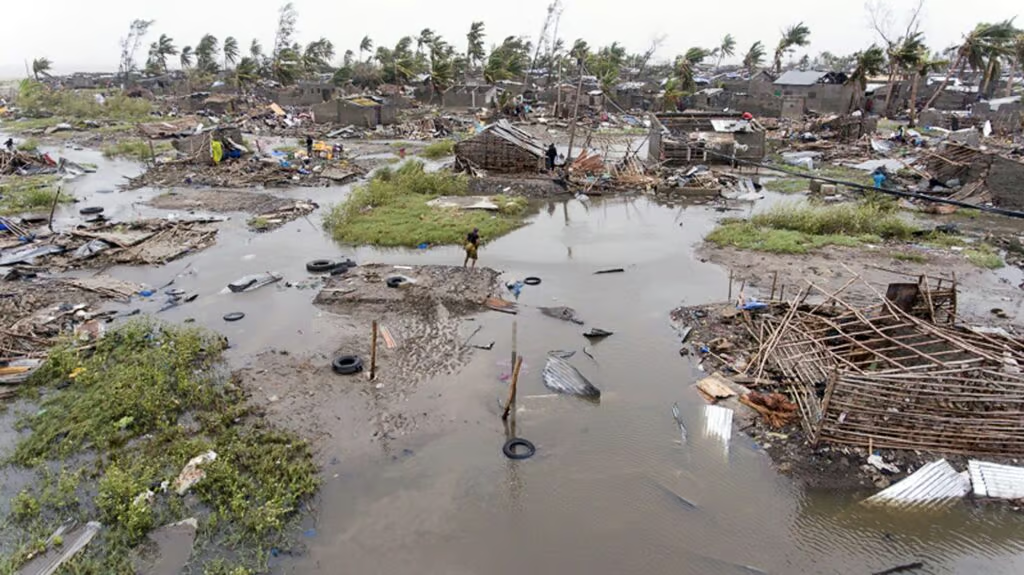
“Move to higher ground!” “Keep your family together!” “Keep your phones charged and dry!” These were the warnings that rang out in the hours before the storm hit.