WFP Triples its Support to Lebanese Families as Country Faces Unprecedented Crisis
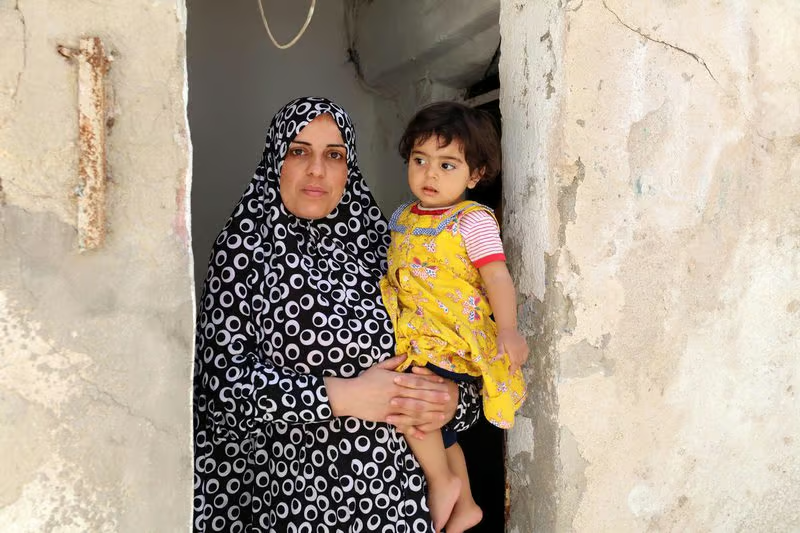
WFP has started scaling up to assist families struggling to make ends meet amidst a severe economic downturn, skyrocketing inflation and a collapsing Lebanese pound.

WFP has partnered with the International Crisis Group to boost its conflict prevention capacity as it continues to deliver life-saving food to the world’s most vulnerable people.

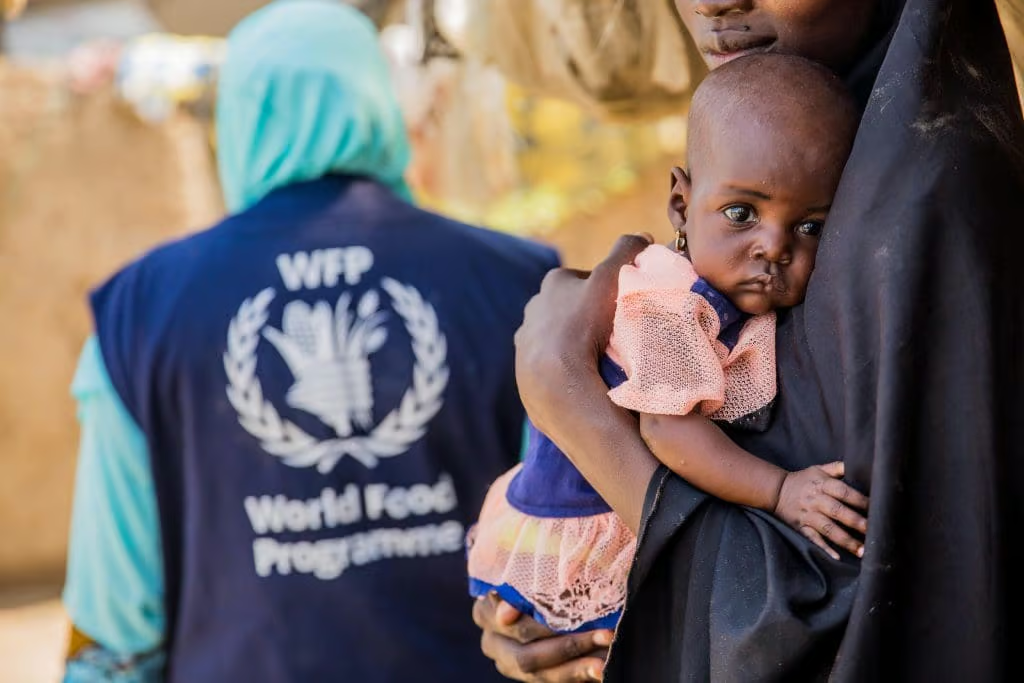
The people of the Central African Republic have been bearing the brunt of conflict for a decade, and food insecurity has been on the rise for the past years. Yet, never before has the food insecurity outlook been so dire.

With extreme weather events on the rise, there is no question that climate change is here and posing an imminent threat to millions of livelihoods. But how do climate-related disasters like droughts or floods cause hunger?

For people who have lost or fled their homes, one of the most pressing needs at the moment is food. WFP has started providing emergency assistance for more than 51,000 people in north Gaza in response to the recent escalation of conflict.

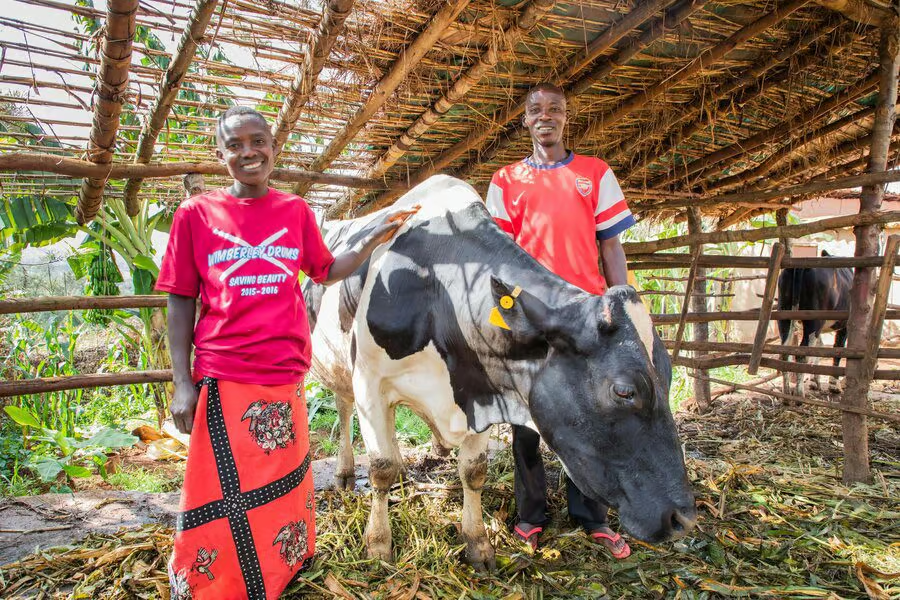
“Bee master” Ryskulbek’s dream of earning money from honey became reality after he made a beeline for a WFP training course in May of 2020.

Blockchain is helping people in the largest refugee camp in the world get quicker, easier, more straightforward access to the lifesaving assistance they need.

There are no easy solutions to untangle America’s complex border challenges, but there are remedies that can alleviate vulnerable people’s need to migrate. They begin with understanding what truly drives the hunger that prompts so many people to leave their homes.

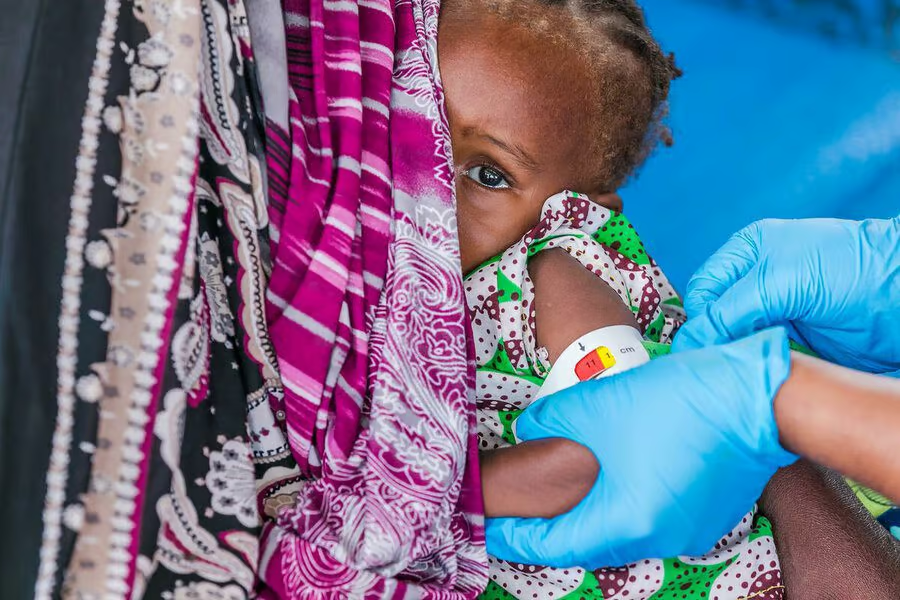
With each day that passes, more lives are at stake as hunger tightens its grip in southern Madagascar. Years of poor harvests driven by drought upon drought, and weather-related damages to fishing, have pushed people to the brink.

One year after the COVID-19 pandemic, the outlook for 2021 is grim. Conflict, economic shocks and climate change continue to drive hunger.